
elegant tick clover
Also known as: Information to be completed
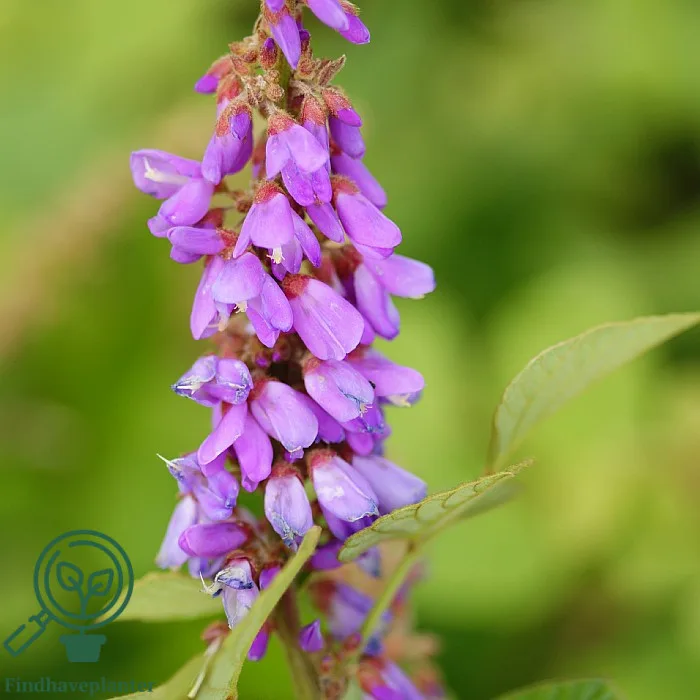
A deciduous subshrub with ternate leaves and panicles or racemes of small rosy-pink pea-flowers in late summer and autumn
Scientific classification
- Species
- elegant tick clover (Desmodium elegans)
- Genus
- Desmodium
- Family
- Fabaceae
- Information to be completed
- Toxicity
- Shrubs
- Plant type
- 1-1.5 metres
- Height
- 1-1.5 metres
- Spread
- Deciduous
- Foliage
- Bushy
- Habit
- Spring · Summer · Autumn
- Season of interest
- Full sun
- Sunlight
- Information to be completed
- Ideal temperature









elegant tick clover pictures
Distribution of elegant tick clover
Distribution map
China Himalaya
Information to be completed
Culture
Information to be completed
Toxicity
Information to be completed
Quick identification of elegant tick clover
Information to be completed
elegant tick clover care guide
- Maintain lightly damp humus soil, avoid full drought root damage
- Watering
- Full sun
- Sunlight
- Information to be completed
- Ideal temperature

Watering
Maintain lightly damp humus soil, avoid full drought root damage
Fertilizing
 Fertilizing
Deciduous shrub slow release feed applied single dose early spring
Pruning
 Pruning
Use the method for the hydrangea type: remove faded mophead flowers to the first healthy bud pair; paniculata and arborescens may have last year's stems shortened to healthy bud pairs. Climbing hydrangeas need overlong shoots trimmed after flowering. Most types are pruned in late winter or early spring; climbing hydrangeas are pruned after flowering in summer.
Propagation
 Propagation
Propagate by seed sown in containers in a cold frame in autumn or take softwood cuttings in late spring
Growing
 Growing
Grows well in most soils but in colder areas may require protection from frosts and cold drying winds
People also ask
Information to be completed
Common pests and diseases
Diseases
Generally disease free
Pests
Generally pest-free
Explore the plant health library →




