
Iris 'Oriental Beauty'
Also known as: Information to be completed
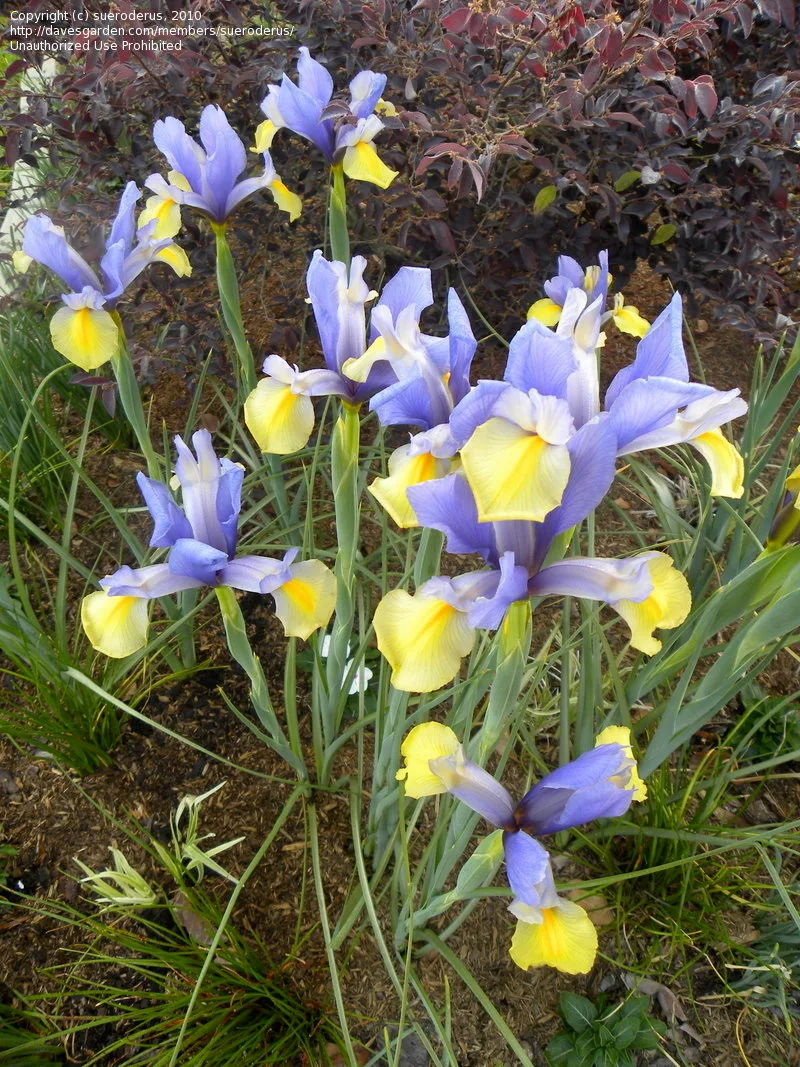
A bulbous perennial, to around 60cm high, with narrow, upright green leaves. Flowers have very pale violet-blue standards, and pale yellow falls with a golden yellow centre spot. Flowers from late spring to early summer
Scientific classification
- Species
- Iris 'Oriental Beauty' (Iris 'Oriental Beauty')
- Genus
- Iris
- Family
- Iridaceae
- Harmful if eaten. Wear gloves and other protective equipment when handling
- Toxicity
- Herbaceous Perennial
- Plant type
- 0.5-1 metres
- Height
- 0.1-0.5 metres
- Spread
- Deciduous
- Foliage
- Clump forming
- Habit
- Spring · Summer
- Season of interest
- Full sun
- Sunlight
- Information to be completed
- Ideal temperature









Iris 'Oriental Beauty' pictures
Distribution of Iris 'Oriental Beauty'
Distribution map
Information to be completed
Information to be completed
Culture
Information to be completed
Toxicity
Harmful if eaten. Wear gloves and other protective equipment when handling
Quick identification of Iris 'Oriental Beauty'
Information to be completed
Iris 'Oriental Beauty' care guide
- Medium moisture in growth, then drier once flowering fully finishes
- Watering
- Full sun
- Sunlight
- Information to be completed
- Ideal temperature

Watering
Medium moisture in growth, then drier once flowering fully finishes
Fertilizing
 Fertilizing
Diluted iris feed every three to four weeks during spring bloom
Pruning
 Pruning
Remove spent flower stems in summer, and any dying foliage in autumn
Propagation
 Propagation
Propagate by division, separating bulb offsets from midsummer to early autumn
Growing
 Growing
Thrives in a sunny position, in most soils with good drainage. In drier soils, dig in well-rotted organic matter before planting, and mulch in spring. Feed after flowering to encourage bulb growth. See bulb iris cultivation
People also ask
Information to be completed
Common pests and diseases
Diseases
May be susceptible to leaf spots, ink disease, rust diseases, bulb rot and viruses; see Iris diseases for more details
Pests
May be susceptible to slugs, snails and thrips
Explore the plant health library →




