
eagle urn plant
Also known as: Information to be completed
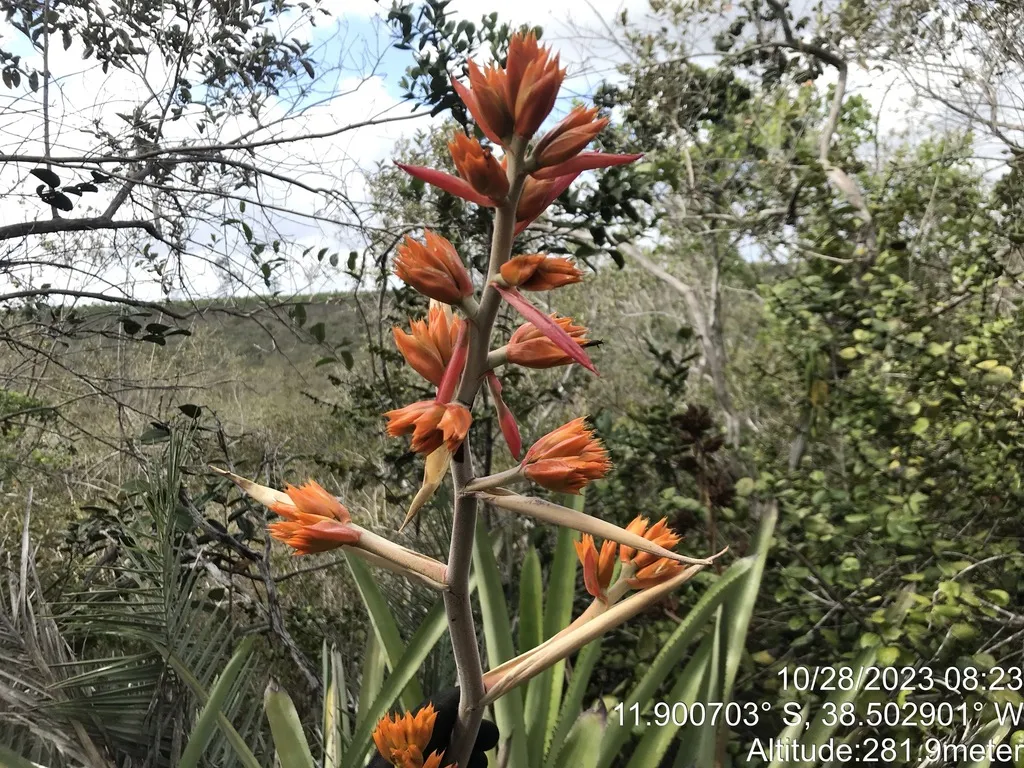
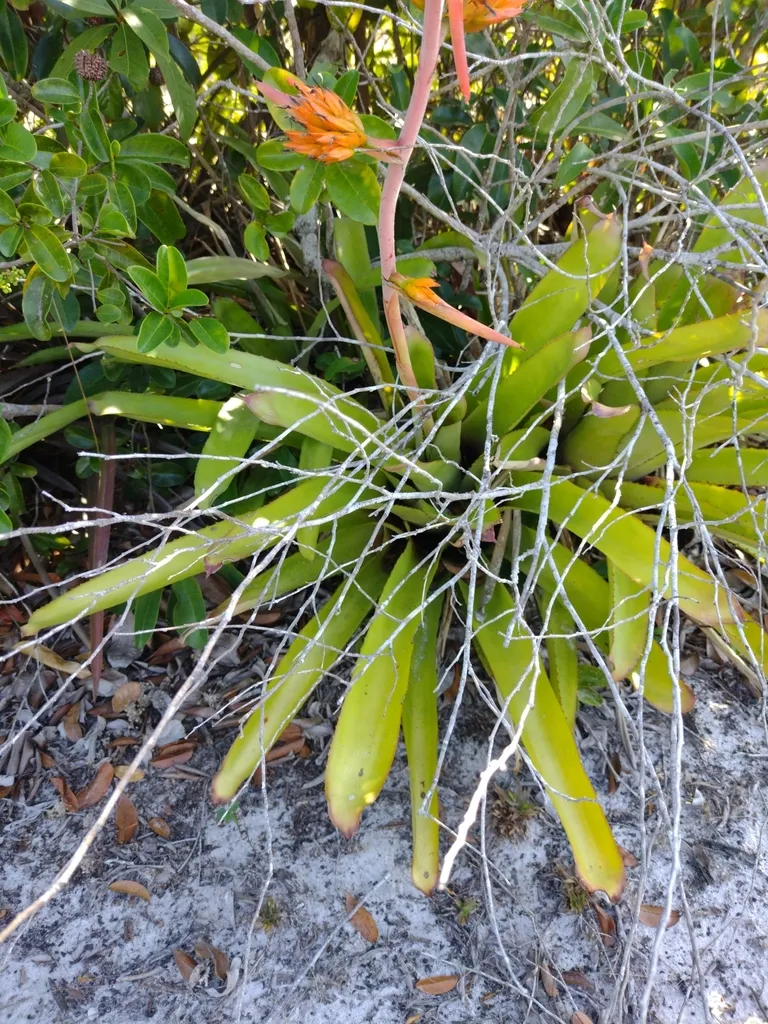
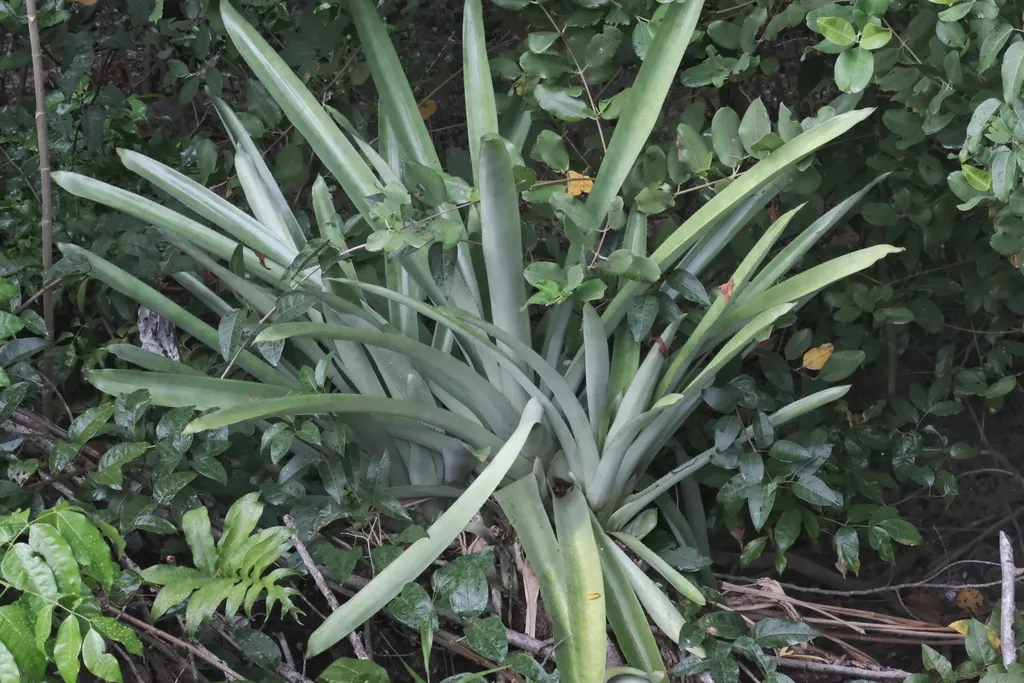
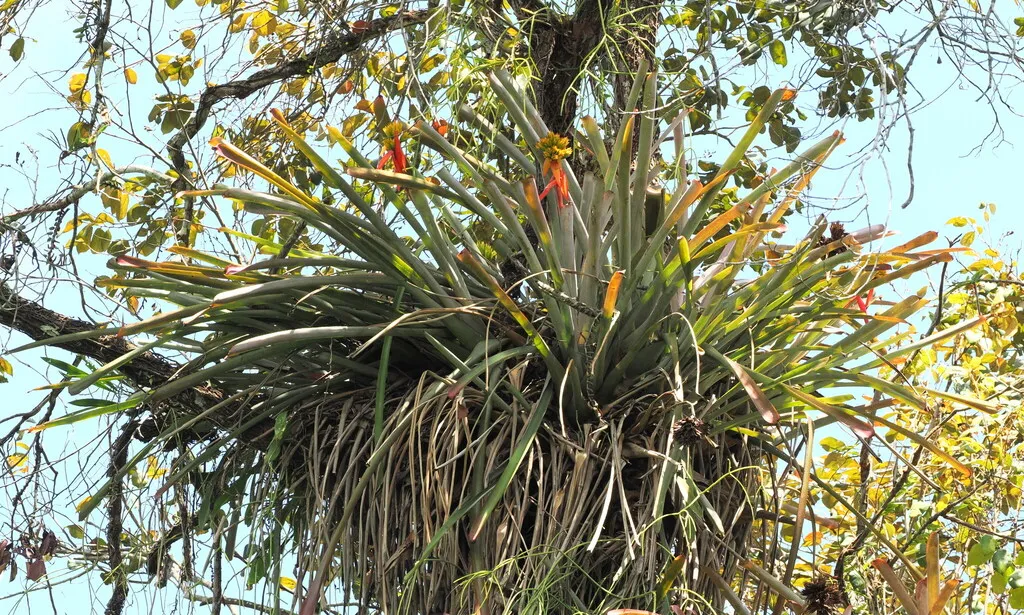
A frost-tender, evergreen epiphyte forming a rosette of leathery, erect to arching, strap-shaped leaves to 80cm high and wide with sharp spines along the leaf margins. Spikes up to 1m tall of golden-yellow flowers with pink bracts are produced in summer
Scientific classification
- Species
- eagle urn plant (Aechmea aquilega)
- Genus
- Aechmea
- Family
- Bromeliaceae
- Information to be completed
- Toxicity
- Conservatory Greenhouse
- Plant type
- 0.5-1 metres
- Height
- 0.5-1 metres
- Spread
- Evergreen
- Foliage
- Tufted
- Habit
- Spring · Summer · Autumn · Winter
- Season of interest
- Partial shade · Full sun
- Sunlight
- Information to be completed
- Ideal temperature









eagle urn plant pictures
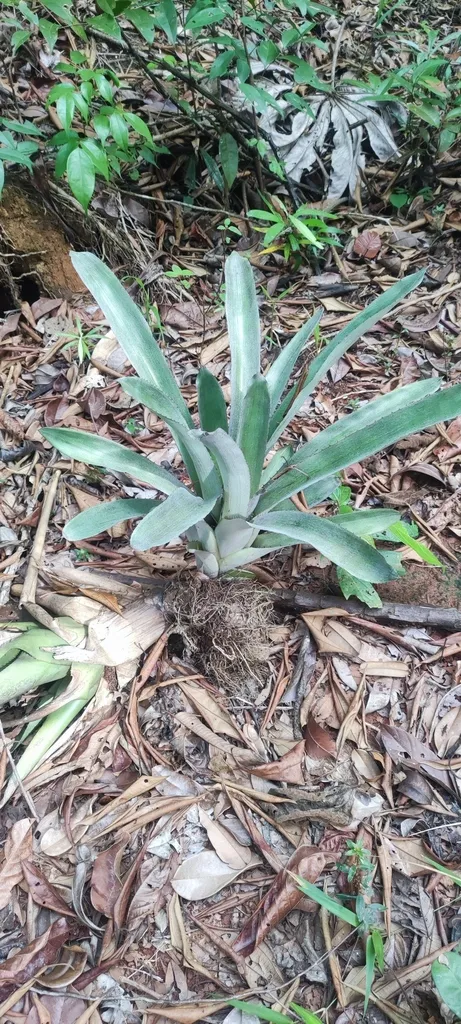
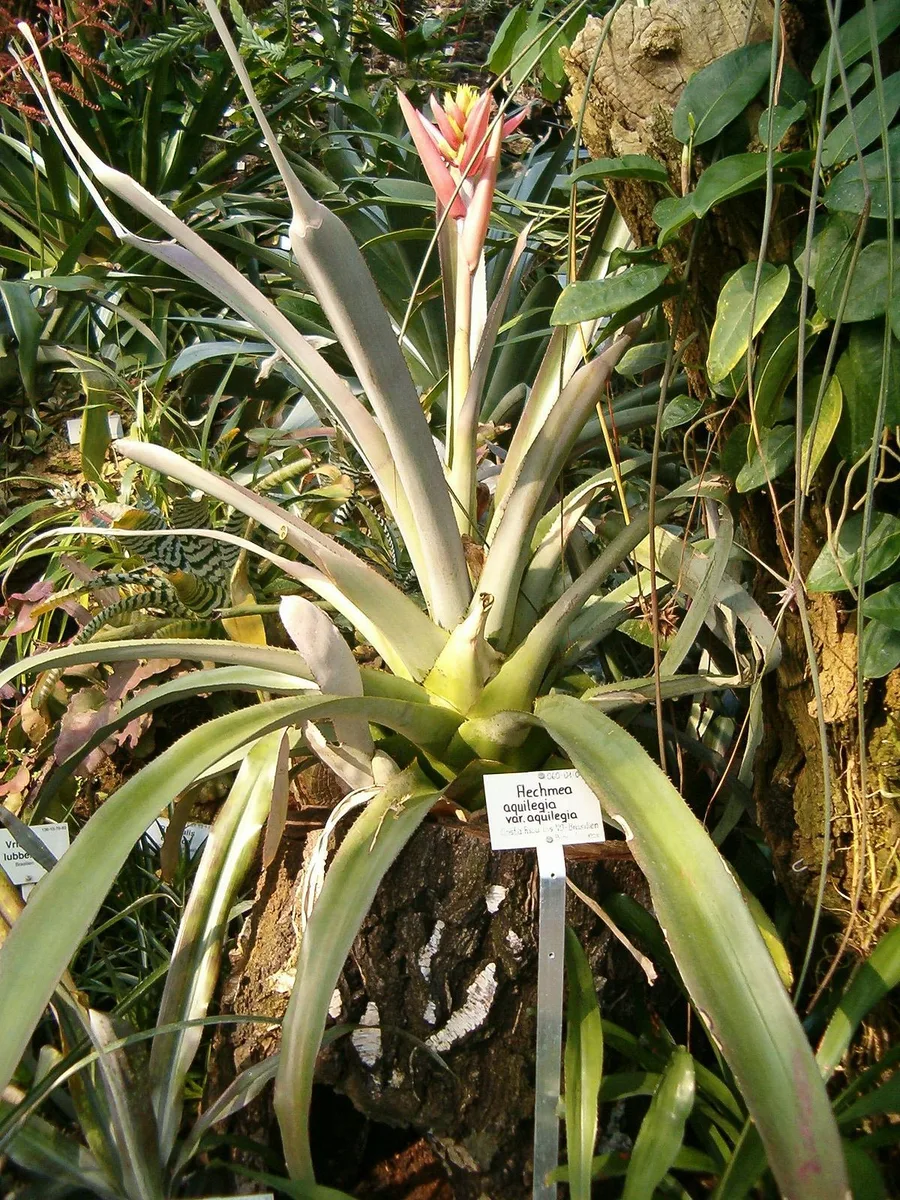
Distribution of eagle urn plant
Distribution map
Information to be completed
Information to be completed
Culture
Information to be completed
Toxicity
Information to be completed
Quick identification of eagle urn plant
Information to be completed
eagle urn plant care guide
- Moderate regular watering, allowing brief slight drying between soakings
- Watering
- Partial shade · Full sun
- Sunlight
- Information to be completed
- Ideal temperature

Watering
Moderate regular watering, allowing brief slight drying between soakings
Fertilizing
 Fertilizing
Balanced perennial feed every four weeks from spring through summer
Pruning
 Pruning
No pruning required
Propagation
 Propagation
Propagate by removal of offsets
Growing
 Growing
Where temperatures do not drop below 10°C it can be grown outdoors as an epiphyte, or in moist, gritty, humus-rich soil. Elsewhere it can be grown as a house or conservatorty plant in pots of epiphytic bromeliad compost, positioned in bright, filtered light. See bromeliad cultivation for further information
People also ask
Information to be completed
Common pests and diseases
Diseases
Generally disease-free
Pests
May be susceptible to scale insects and mealybugs
Explore the plant health library →




