
rosebay willowherb
Also known as: bay willow; blooming willow; burntweed; fireweed; French willow; French willowherb; great willowherb; herb wickopy; moose tongue; Persian willow; pigweed; purple rocket; rose bay; rose elder; wickup
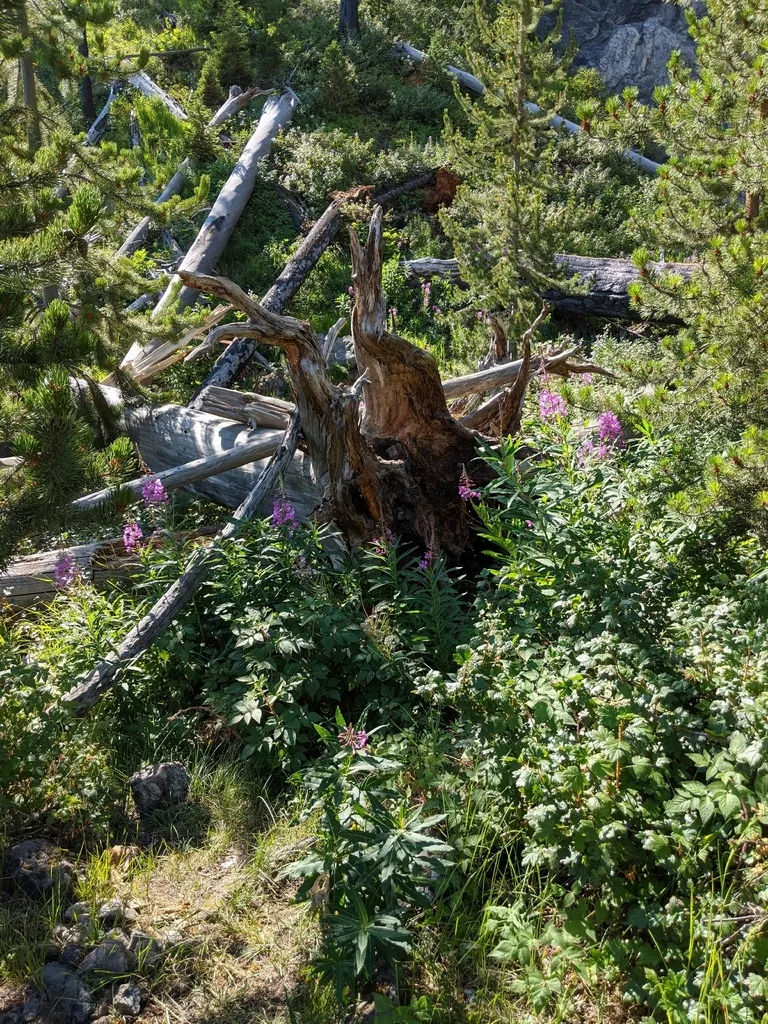
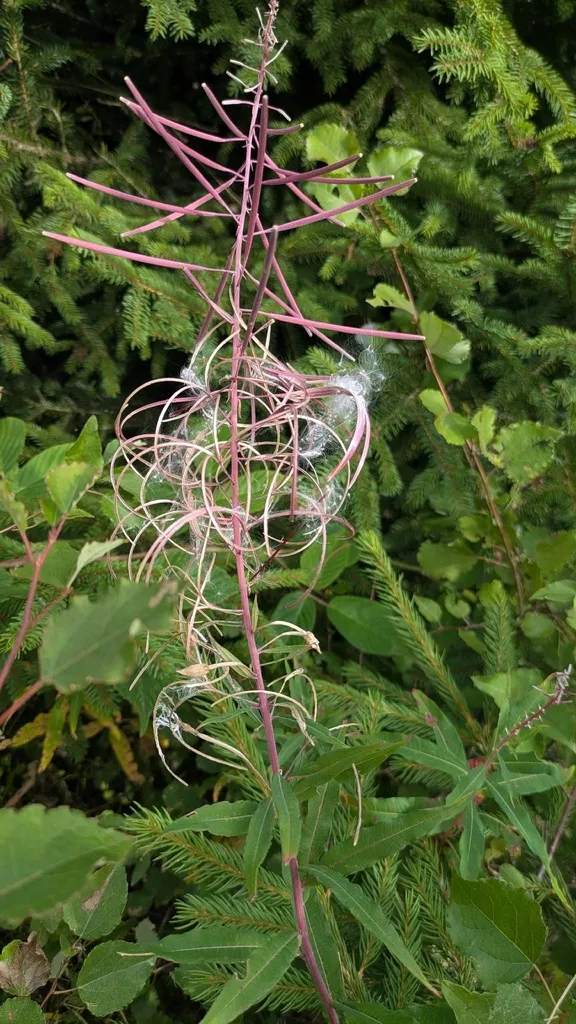
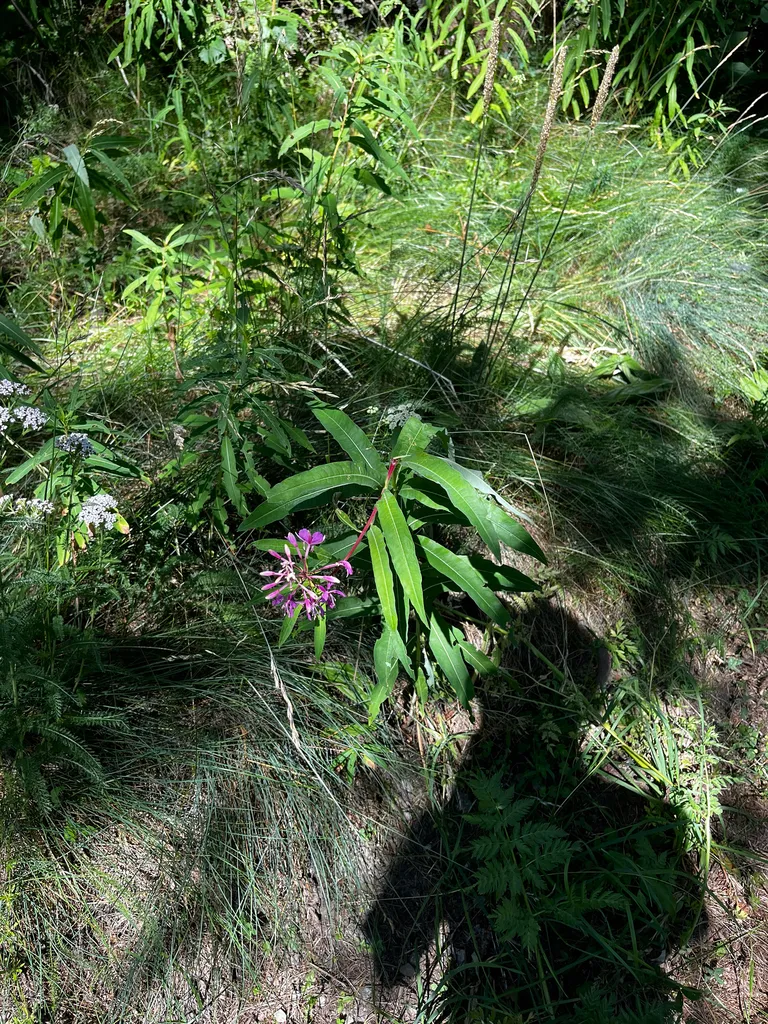
A rhizomatous, strongly-spreading and potentially invasive perennial forming dense colonies. Long, narrow, willow-like leaves are arranged spirally up the pink-tinged stems. Striking spikes of purplish-pink flowers bloom from summer to autumn, followed by long pink-tinged seed pods; seeds are cocooned in silky plumes.
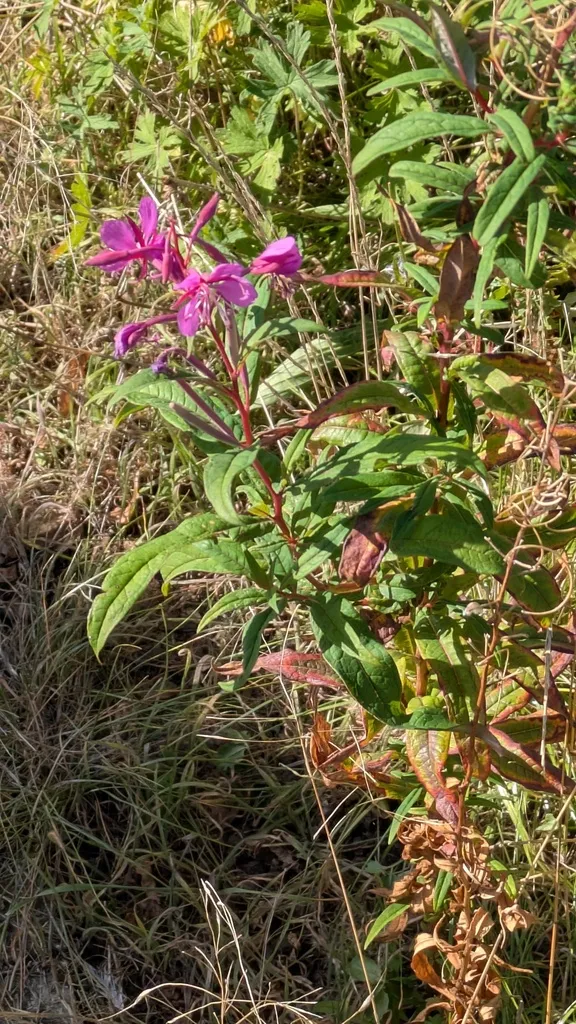
Scientific classification
- Species
- rosebay willowherb (Chamaenerion angustifolium)
- Genus
- Chamaenerion
- Family
- Onagraceae
- Order
- Myrtales
- Class
- Magnoliopsida
- Phylum
- Magnoliophyta
- Information to be completed
- Toxicity
- Herbaceous Perennial
- Plant type
- 1-1.5 metres
- Height
- 1.5-2.5 metres
- Spread
- Deciduous
- Foliage
- Columnar upright
- Habit
- Spring · Summer · Autumn
- Season of interest
- Full sun
- Sunlight
- Information to be completed
- Ideal temperature









rosebay willowherb pictures
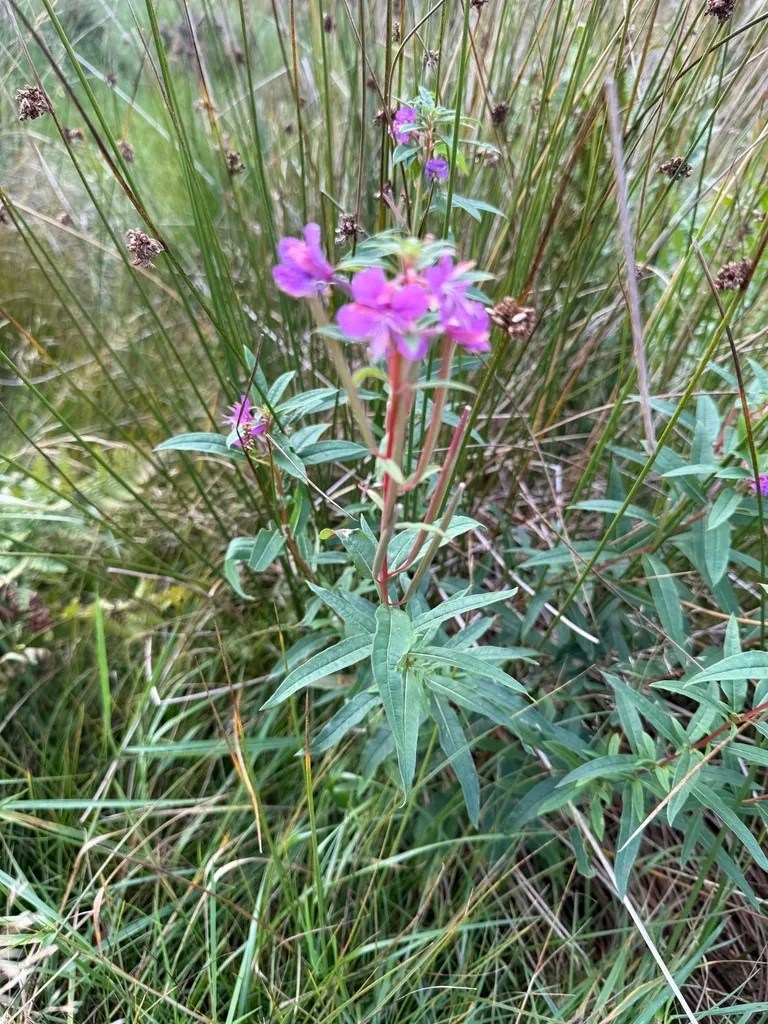
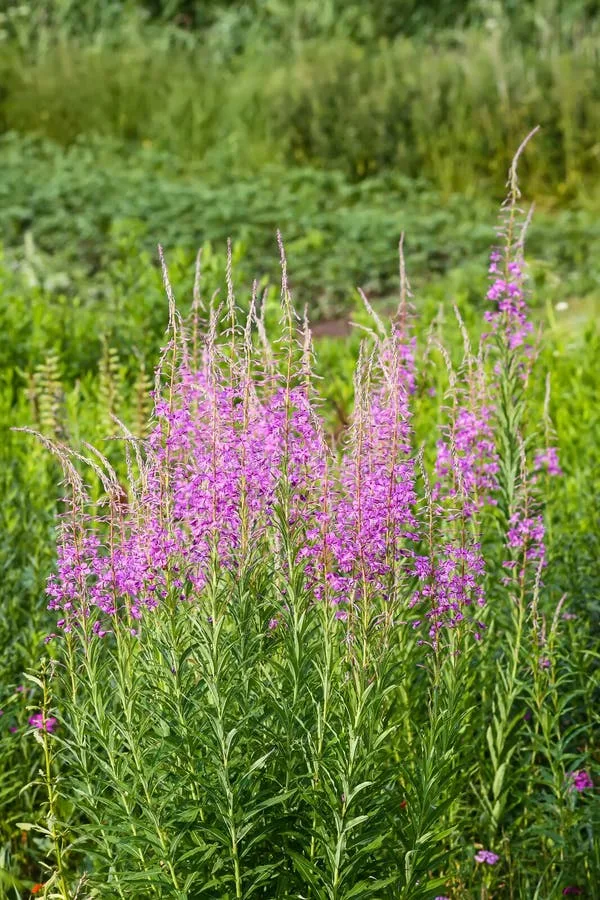
Distribution of rosebay willowherb
Distribution map
- Native
- Introduced
- Cultivated
Source:WCVP v16 · Royal Botanic Gardens, Kew · CC BY 3.0 · Boundaries:WGSRPD / TDWG
rosebay willowherb care guide
- Moderate regular watering, avoid prolonged drought and stagnant waterlogging
- Watering
- Full sun
- Sunlight

Watering
Moderate regular watering, avoid prolonged drought and stagnant waterlogging
Fertilizing
 Fertilizing
Balanced perennial feed every four weeks spring through summer growth
Pruning
 Pruning
None required
Propagation
 Propagation
Will propagate itself by wind borne seed or by underground rhizomes
Growing
 Growing
Naturally occurs on a wide range of soils in open places such as verges or waste ground
Common pests and diseases
Diseases
Generally trouble-free
Pests
Generally trouble free
Explore the plant health library →




