
Triosteum himalayanum
Also known as: Information to be completed
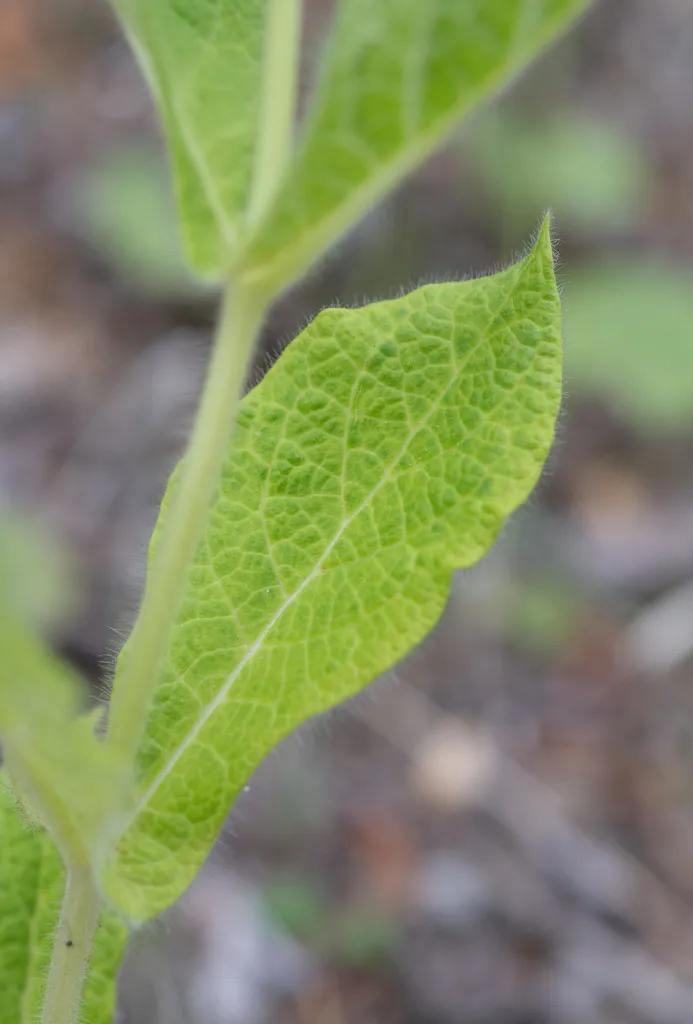
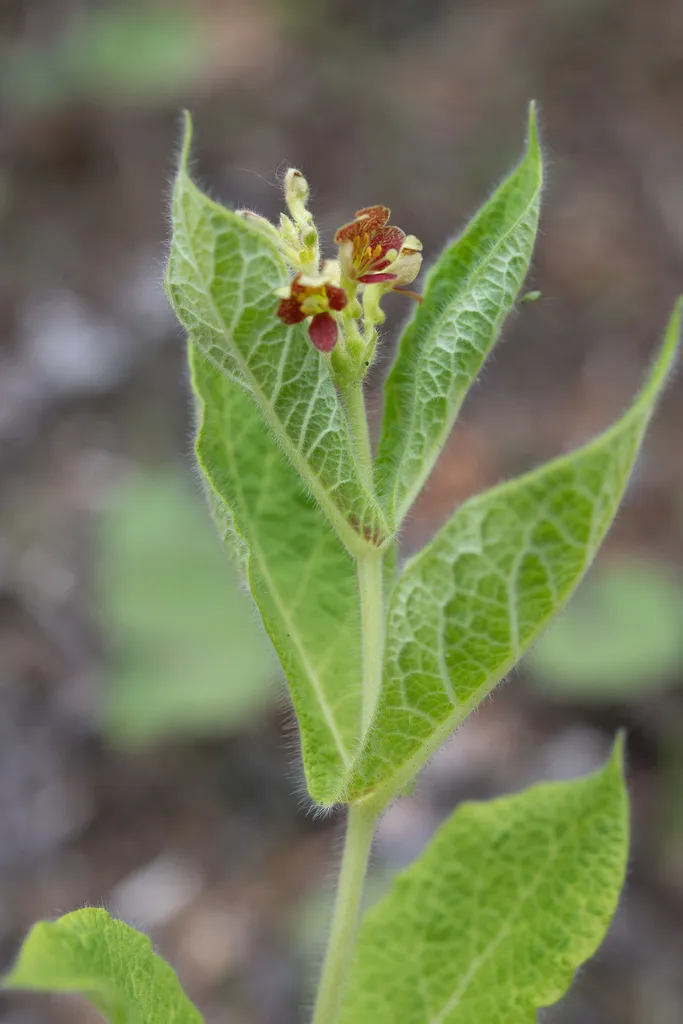
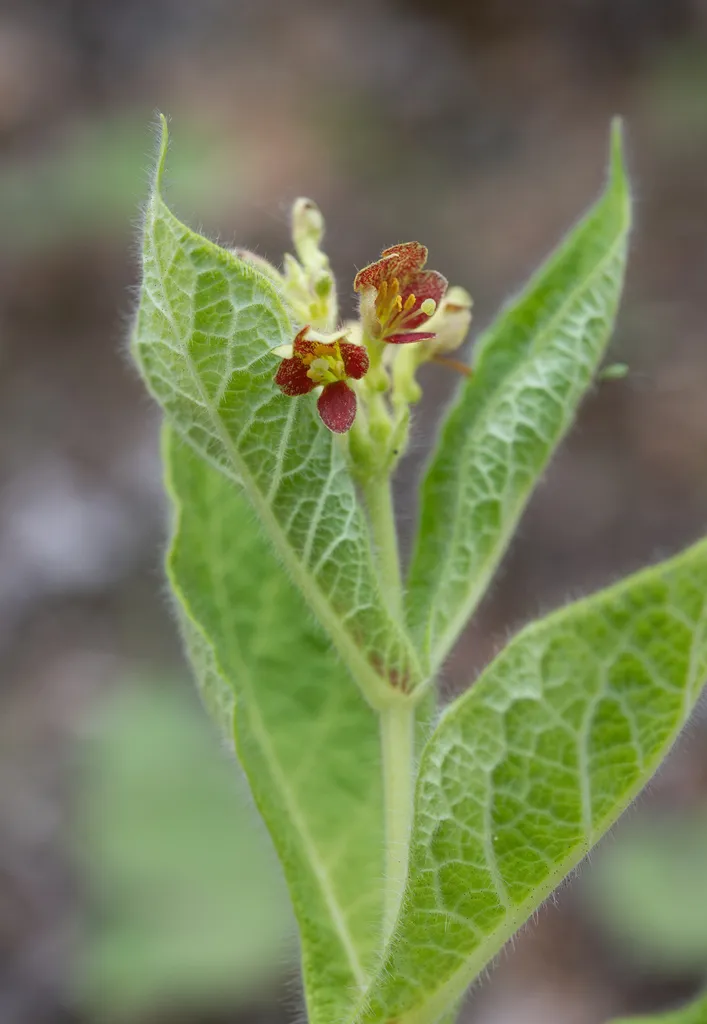
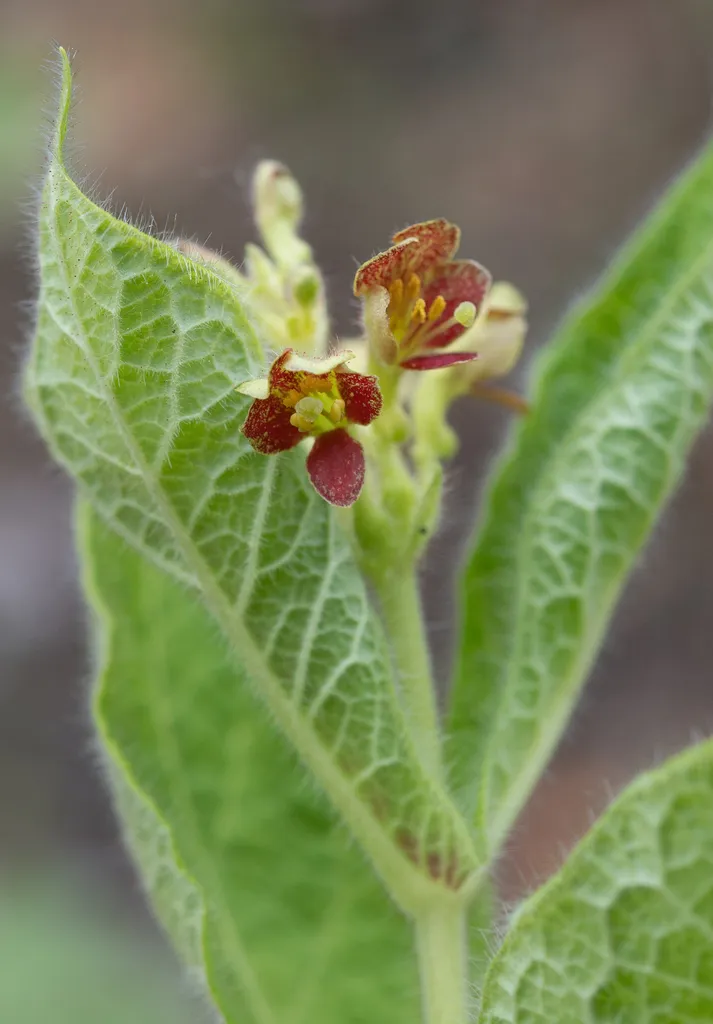
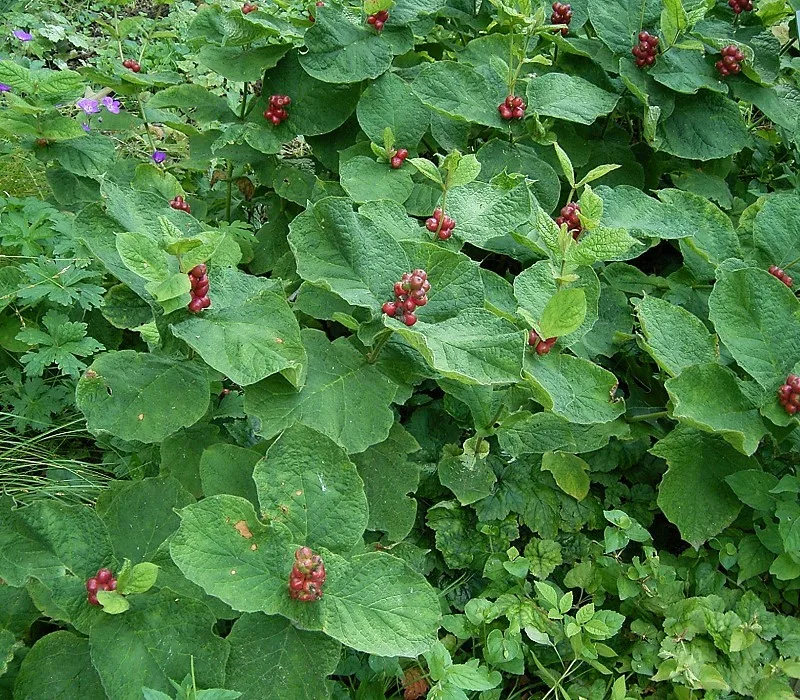
A clump-forming perennial to around 60cm high, with oval to elliptic, softly hairy leaves held in pairs along the stems. Small clusters of greenish yellow flowers with reddish-purple insides are produced in whorls around the tip of the stem in late spring and early summer, followed by whitish berries that ripen to red and persist into winter
Scientific classification
- Species
- Triosteum himalayanum (Triosteum himalayanum)
- Genus
- Triosteum
- Family
- Caprifoliaceae
- Information to be completed
- Toxicity
- Herbaceous Perennial
- Plant type
- 0.5-1 metres
- Height
- 0.1-0.5 metres
- Spread
- Deciduous
- Foliage
- Columnar upright
- Habit
- Spring · Summer · Autumn
- Season of interest
- Partial shade · Full sun
- Sunlight
- Information to be completed
- Ideal temperature









Triosteum himalayanum pictures
Distribution of Triosteum himalayanum
Distribution map
Bhutan India Nepal
Information to be completed
Culture
Information to be completed
Toxicity
Information to be completed
Quick identification of Triosteum himalayanum
Information to be completed
Triosteum himalayanum care guide
- Moderate regular watering, avoid prolonged drought and stagnant waterlogging
- Watering
- Partial shade · Full sun
- Sunlight
- Information to be completed
- Ideal temperature

Watering
Moderate regular watering, avoid prolonged drought and stagnant waterlogging
Fertilizing
 Fertilizing
Balanced perennial feed every four weeks spring through summer growth
Pruning
 Pruning
No pruning required
Propagation
 Propagation
Propagate by seed sown in a cold frame in spring, keep moist
Growing
 Growing
Grow in humus-rich, moist but well-drained soil, ideally in light or part shade with shelter from cold winds. May tolerate full sun where soils are consistently moist. Ideal for a woodland garden
People also ask
Information to be completed
Common pests and diseases
Diseases
Generally disease-free
Pests
Generally pest-free
Explore the plant health library →




