
Darwin's barberry
Also known as: Information to be completed
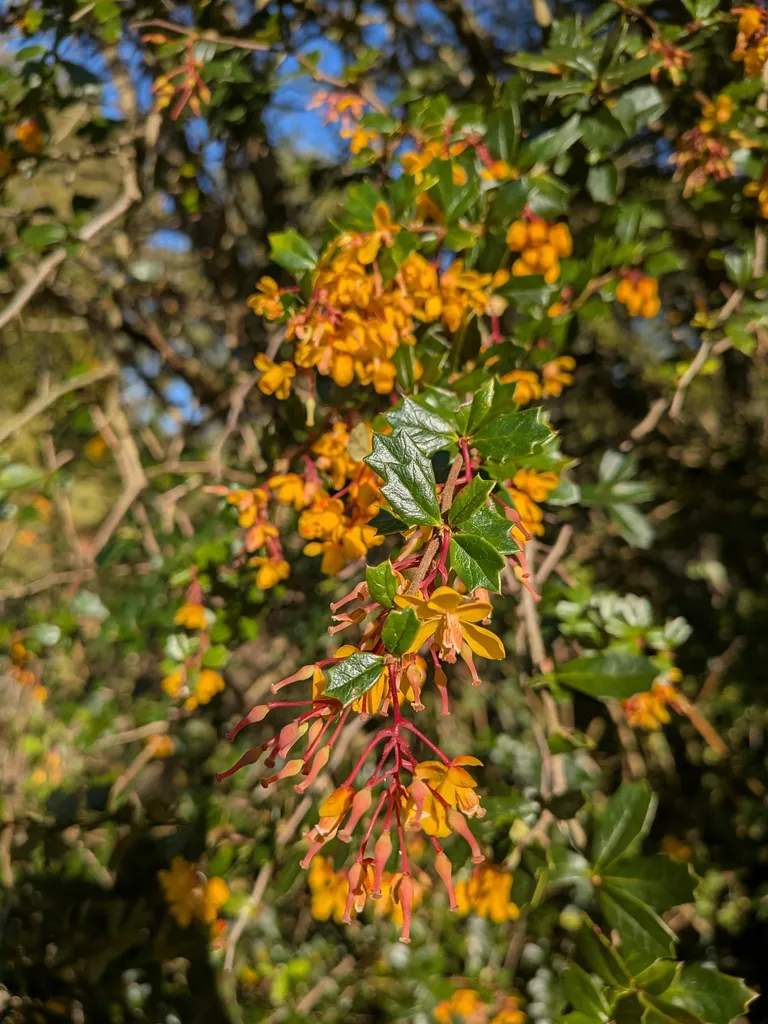
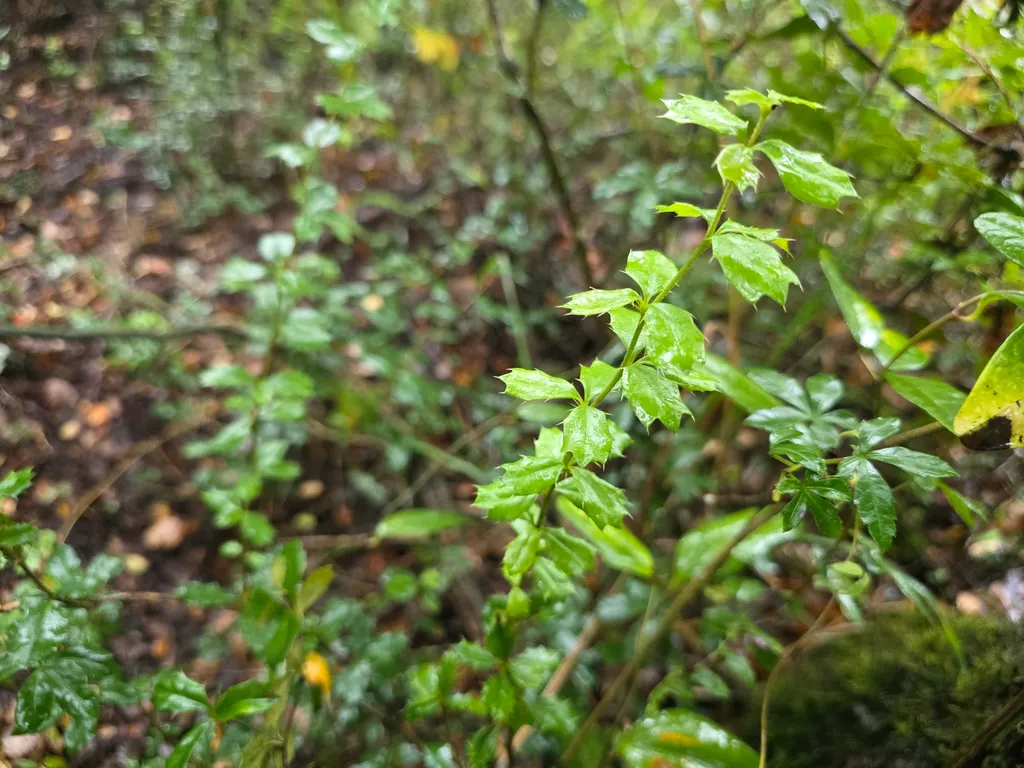
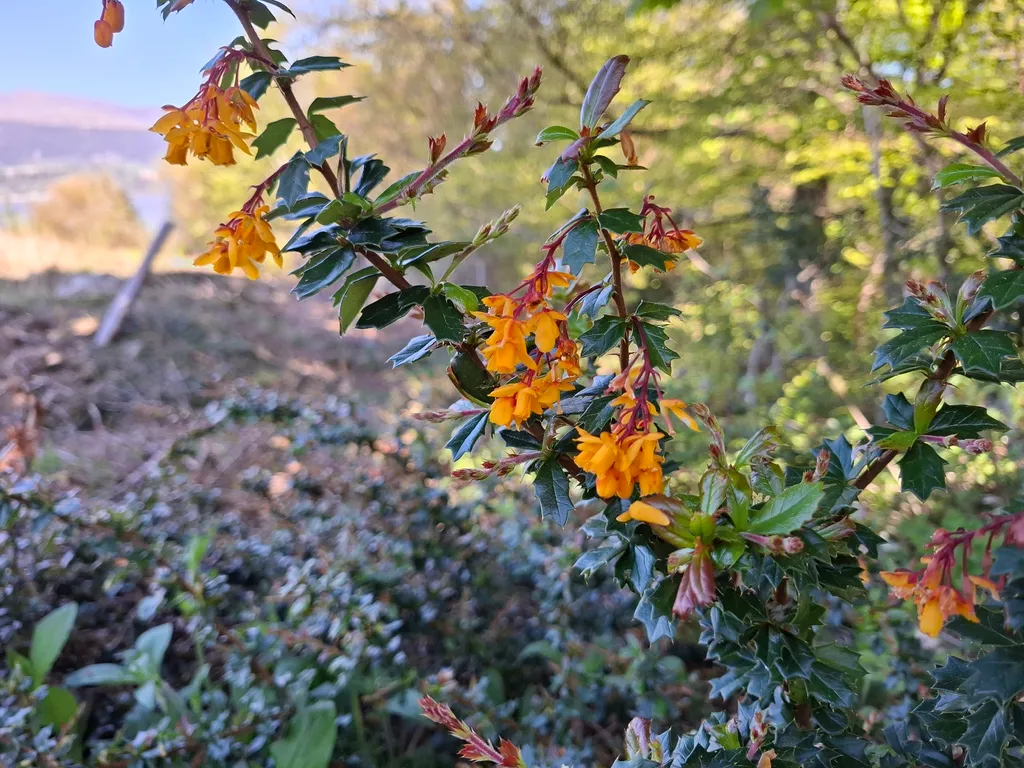
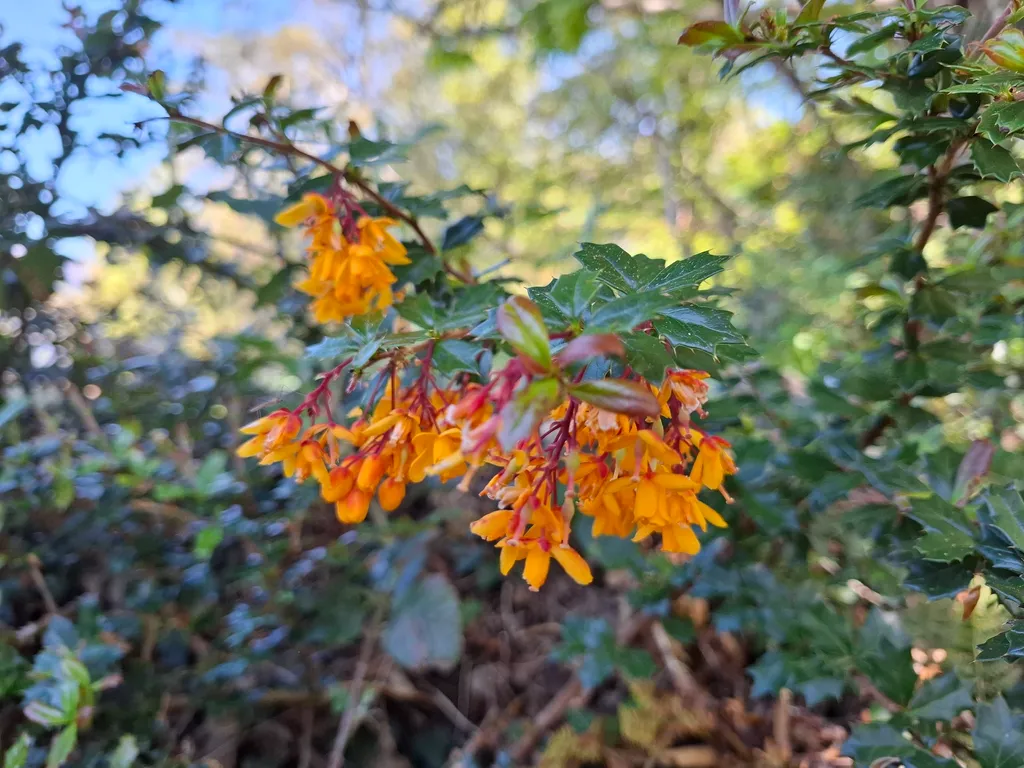
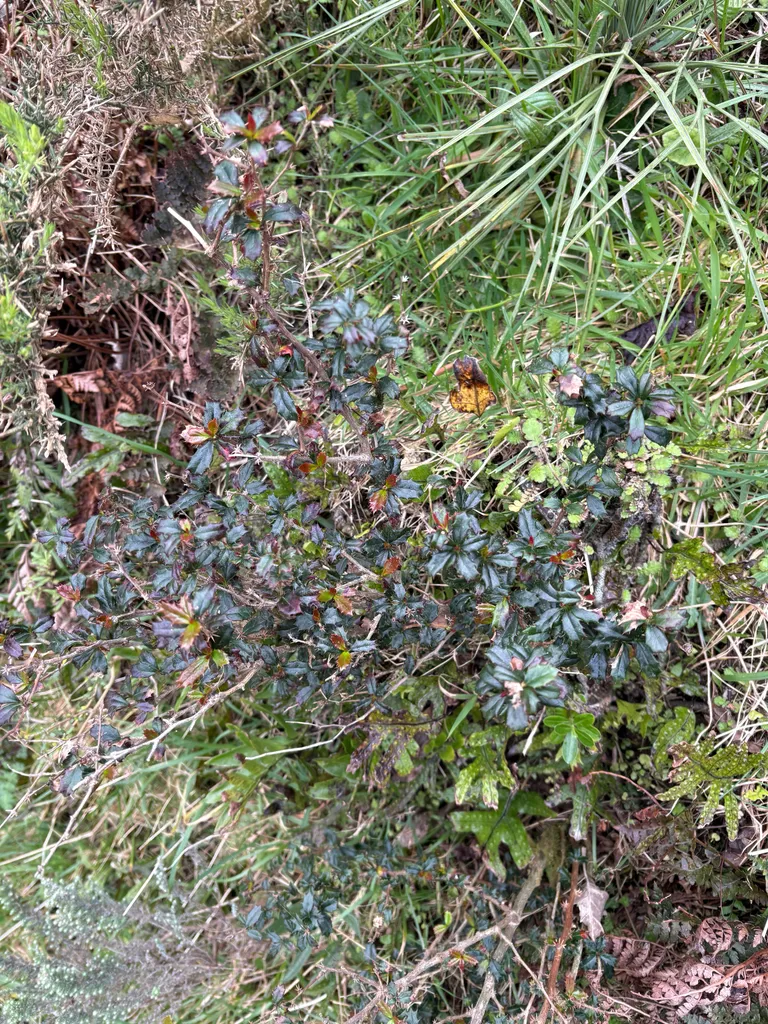
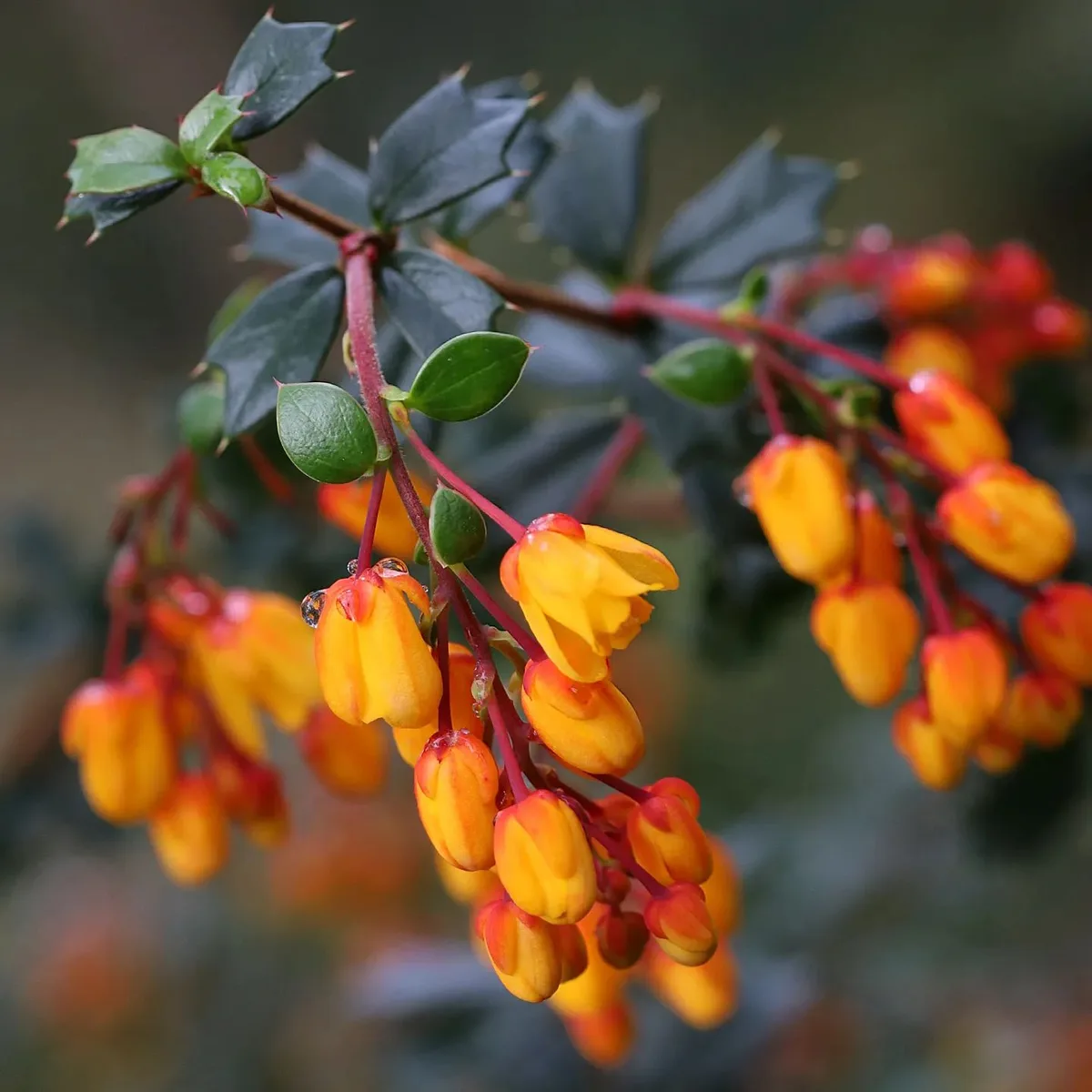
A dense, medium-sized evergreen shrub, with dark glossy green, broadly oblong, sparsely-spined leaves, and drooping racemes of rich orange flowers, tinged red in bud, followed by blue-black berries
Scientific classification
- Species
- Darwin's barberry (Berberis darwinii)
- Genus
- Berberis
- Family
- Berberidaceae
- Fruit are ornamental - not to be eaten. Wear gloves and other protective equipment when handling
- Toxicity
- Shrubs
- Plant type
- 1.5-2.5 metres
- Height
- 1.5-2.5 metres
- Spread
- Evergreen
- Foliage
- Bushy
- Habit
- Spring · Summer · Autumn · Winter
- Season of interest
- Full sun · Partial shade
- Sunlight
- Information to be completed
- Ideal temperature









Darwin's barberry pictures
Distribution of Darwin's barberry
Distribution map
Chile, Patagonia
Information to be completed
Culture
Information to be completed
Toxicity
Fruit are ornamental - not to be eaten. Wear gloves and other protective equipment when handling
Quick identification of Darwin's barberry
Information to be completed
Darwin's barberry care guide
- Moderate regular watering, mature shrubs resist mild drought spells
- Watering
- Full sun · Partial shade
- Sunlight
- Information to be completed
- Ideal temperature

Watering
Moderate regular watering, mature shrubs resist mild drought spells
Fertilizing
 Fertilizing
Evergreen shrub slow feed applied once each early spring season
Pruning
 Pruning
Usually little pruning is needed. Lightly shape if necessary, removing dead, damaged or diseased shoots. Prune after flowering.
Propagation
 Propagation
Propagate by seed or from semi-hardwood cuttings
Growing
 Growing
Grows in any soil except waterlogged. A sunny position will encourage fruiting
People also ask
Information to be completed
Common pests and diseases
Diseases
May be susceptible to powdery mildews and sometimes by honey fungus
Pests
May be susceptible to aphids and berberis sawfly
Explore the plant health library →




