
garlic 'Wight Cristo'
Also known as: Information to be completed
A highly aromatic, perennial bulb, divided into a number of bulblets, or cloves, with stiff, narrow, greyish-green foliage. This is a soft-necked cultivar, which produces a large number of cloves, rarely flowers and stores well, but may need winter protection in cold areas. It is reliable and easy to grow, producing large bulbs with pink-flushed, white skin
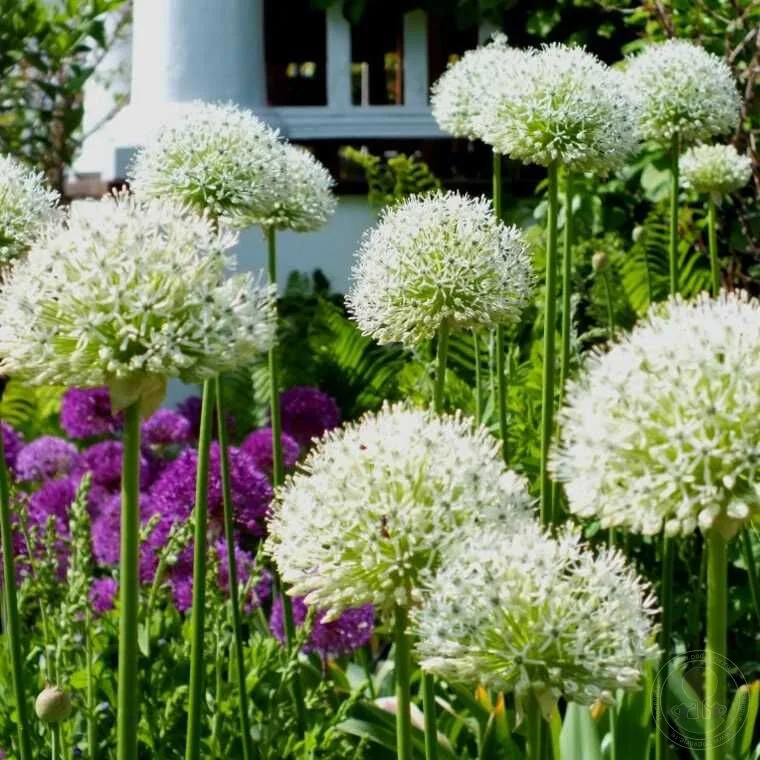
Scientific classification
- Species
- garlic 'Wight Cristo' (Allium 'Wight Cristo')
- Genus
- Allium
- Family
- Amaryllidaceae
- Information to be completed
- Toxicity
- Bulbs
- Plant type
- 0.1-0.5 metres
- Height
- 0.1-0.5 metres
- Spread
- Deciduous
- Foliage
- Tufted
- Habit
- Spring · Summer
- Season of interest
- Full sun
- Sunlight
- Information to be completed
- Ideal temperature









garlic 'Wight Cristo' pictures
Distribution of garlic 'Wight Cristo'
Distribution map
Information to be completed
Information to be completed
Culture
Information to be completed
Toxicity
Information to be completed
Quick identification of garlic 'Wight Cristo'
Information to be completed
garlic 'Wight Cristo' care guide
- Moist soil during active growth, then reduce watering after foliage yellows
- Watering
- Full sun
- Sunlight
- Information to be completed
- Ideal temperature

Watering
Moist soil during active growth, then reduce watering after foliage yellows
Fertilizing
 Fertilizing
Light bulb fertilizer at emergence and again after flowering
Pruning
 Pruning
No pruning required
Propagation
 Propagation
Propagate by separating a mature bulb into individual cloves
Growing
 Growing
Buy bulbs for growing - bulbs for eating may carry plant diseases or be unsuited to the UK climate. Grow in well-drained, fertile soil in a sunny position, planting individual cloves in late autumn/early winter, or in early spring. Keep plants well weeded and water in dry spells until the bulbs are well formed. Harvest in summer once the foliage withers. See Garlic (Grow your own)
People also ask
Information to be completed
Common pests and diseases
Diseases
May be susceptible to leek rust and onion white rot
Pests
Generally pest-free
Explore the plant health library →




