
red horned poppy
Also known as: Information to be completed
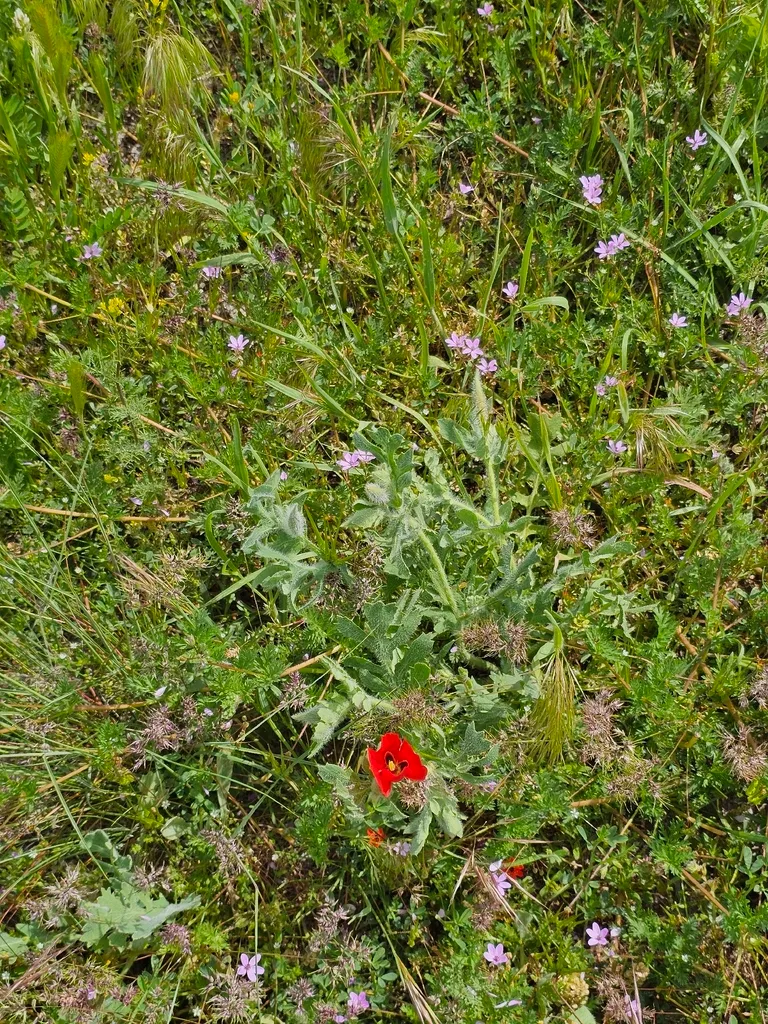
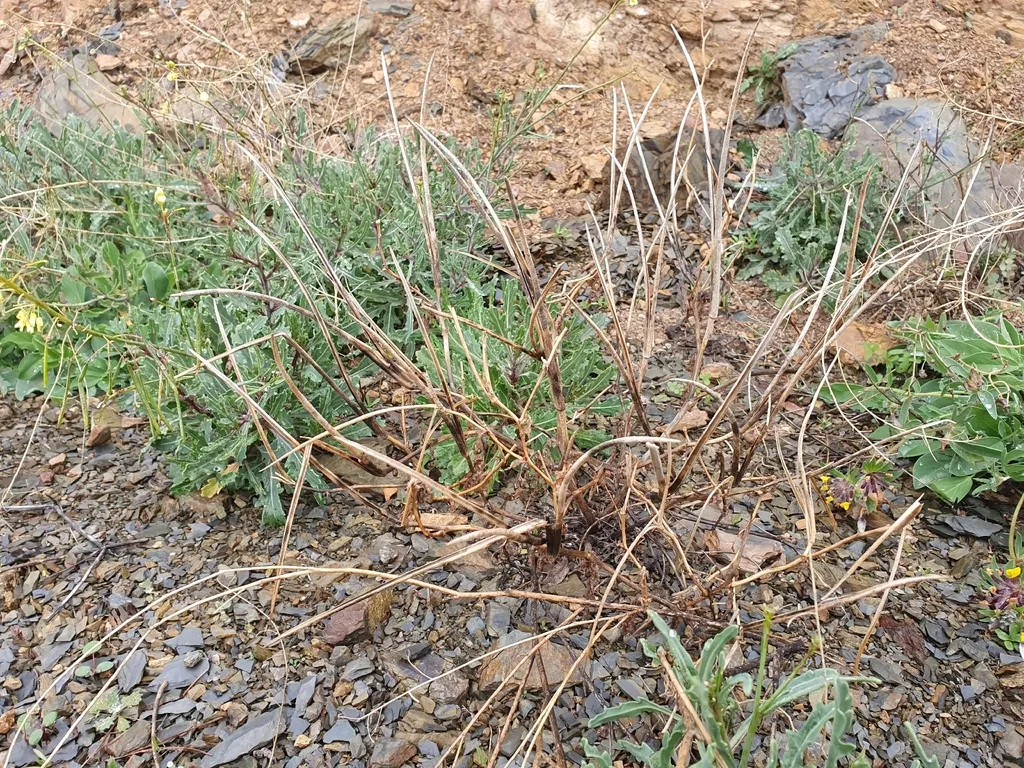
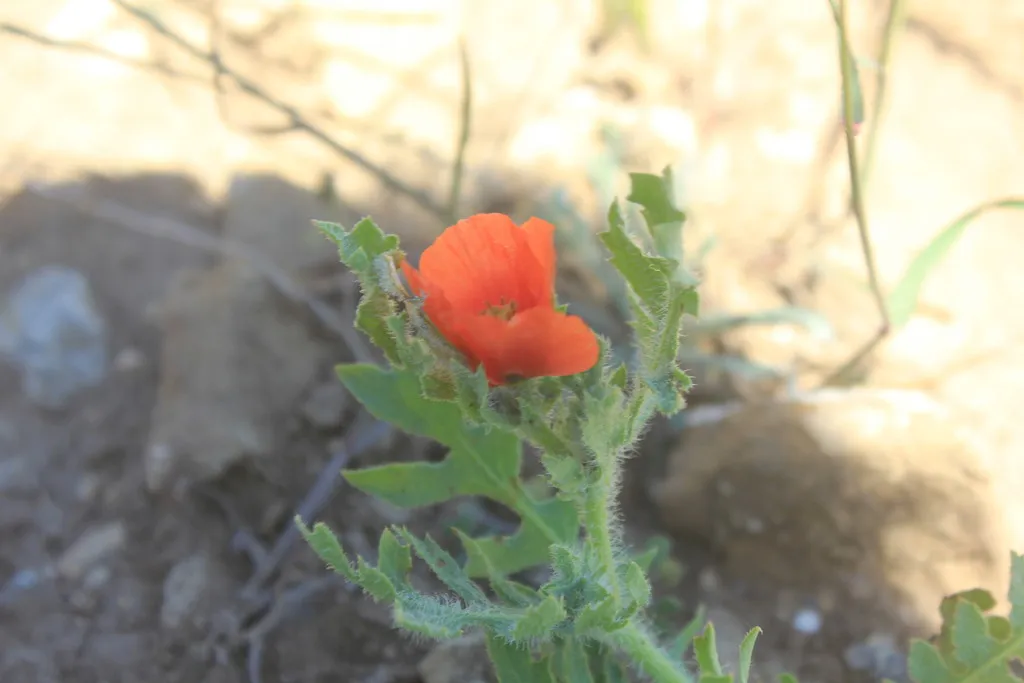
A slightly hairy biennial forming a rosette of deeply-lobed, silver-grey leaves. Branched grey stems carry crimson-red to orange poppy flowers usually with a black spot at the base of each petal, from summer to early autumn followed by long narrow seed pods
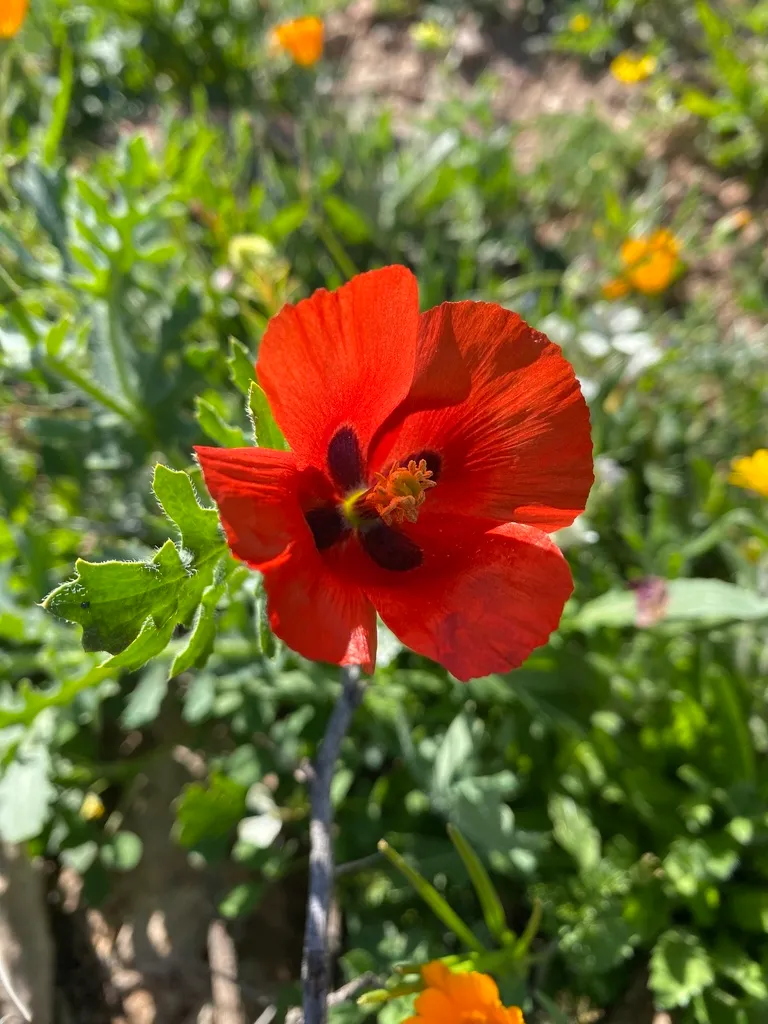
Scientific classification
- Species
- red horned poppy (Glaucium corniculatum)
- Genus
- Glaucium
- Family
- Papaveraceae
- Information to be completed
- Toxicity
- Annual Biennial
- Plant type
- 0.1-0.5 metres
- Height
- 0.1-0.5 metres
- Spread
- Deciduous
- Foliage
- Clump forming
- Habit
- Spring · Summer · Autumn
- Season of interest
- Full sun
- Sunlight
- Information to be completed
- Ideal temperature









red horned poppy pictures
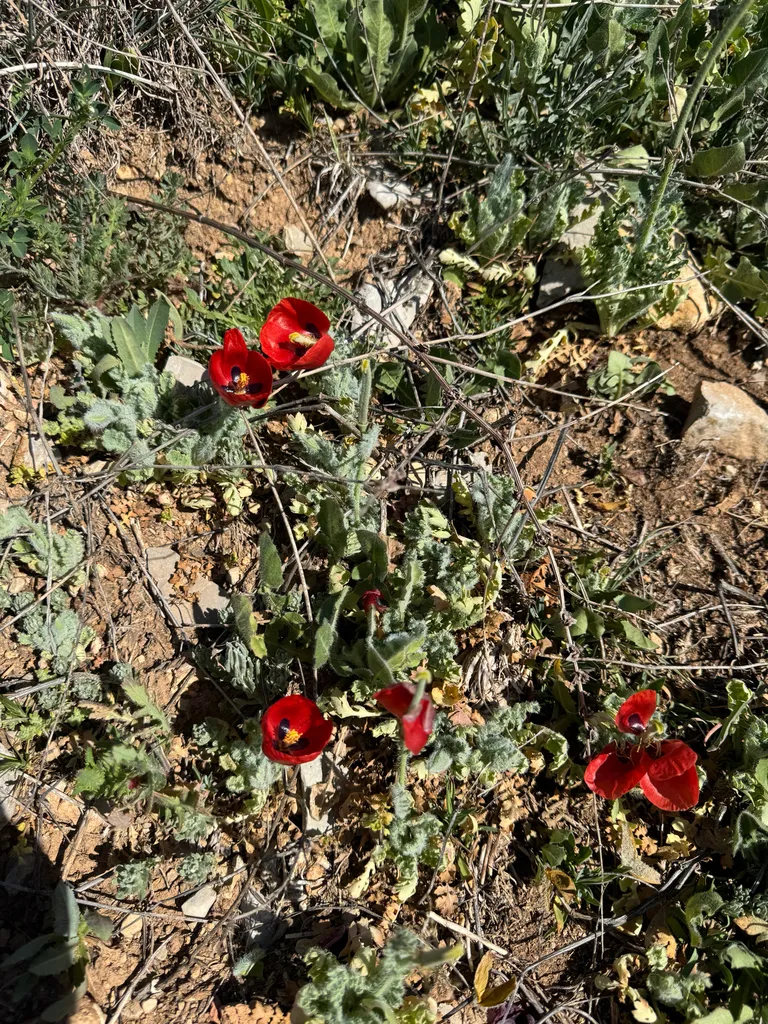
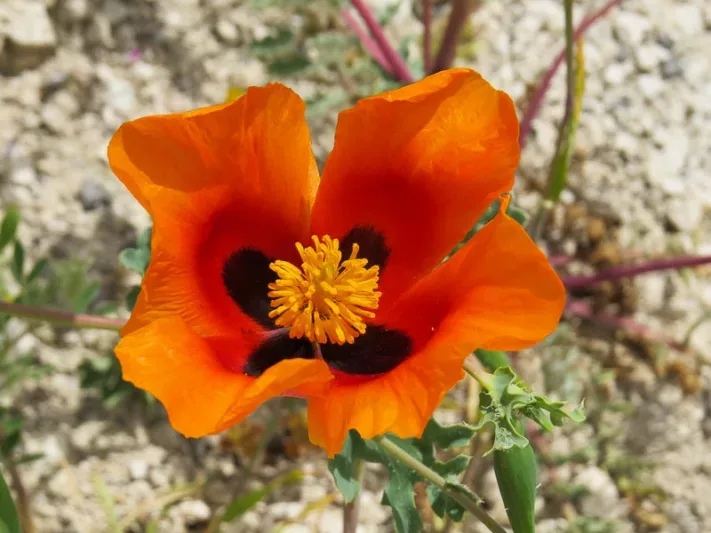
Distribution of red horned poppy
Distribution map
Southern Europe
Information to be completed
Culture
Information to be completed
Toxicity
Information to be completed
Quick identification of red horned poppy
Information to be completed
red horned poppy care guide
- Water moderately, withstand short periods of dry soil comfortably
- Watering
- Full sun
- Sunlight
- Information to be completed
- Ideal temperature

Watering
Water moderately, withstand short periods of dry soil comfortably
Fertilizing
 Fertilizing
Light balanced wildflower feed once only at spring budding stage
Pruning
 Pruning
No pruning required
Propagation
 Propagation
Propagate by seed in situ in spring or autumn
Growing
 Growing
Grow in poor to moderately fertile well-drained soil in full sun. Resents root disturbance
People also ask
Information to be completed
Common pests and diseases
Diseases
Generally disease-free
Pests
Generally pest-free
Explore the plant health library →




