
Phlox amplifolia
Also known as: Information to be completed
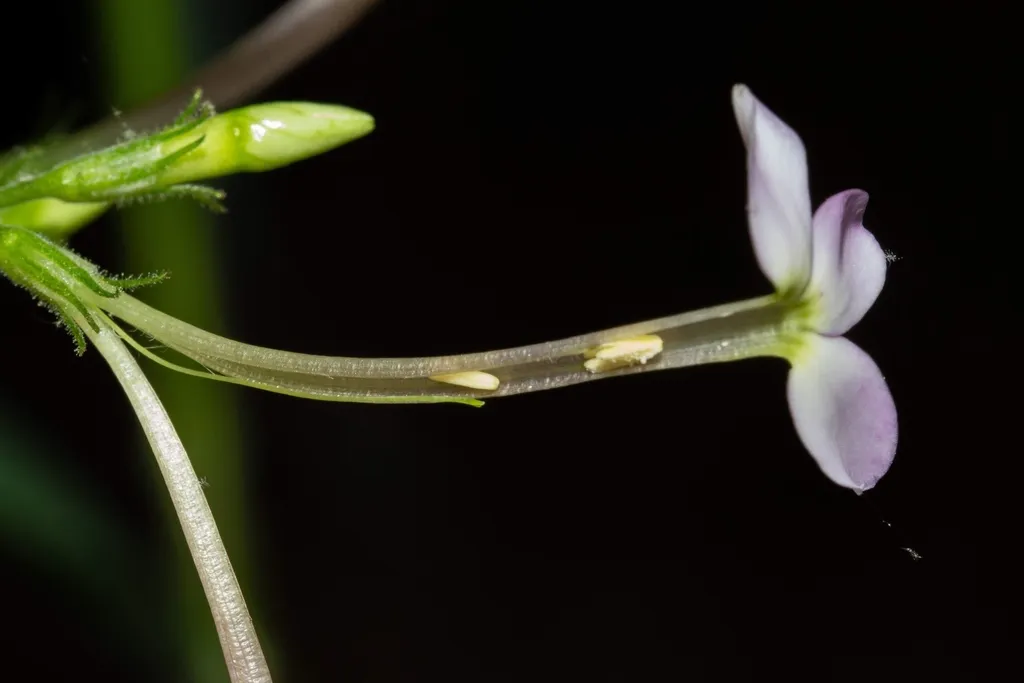
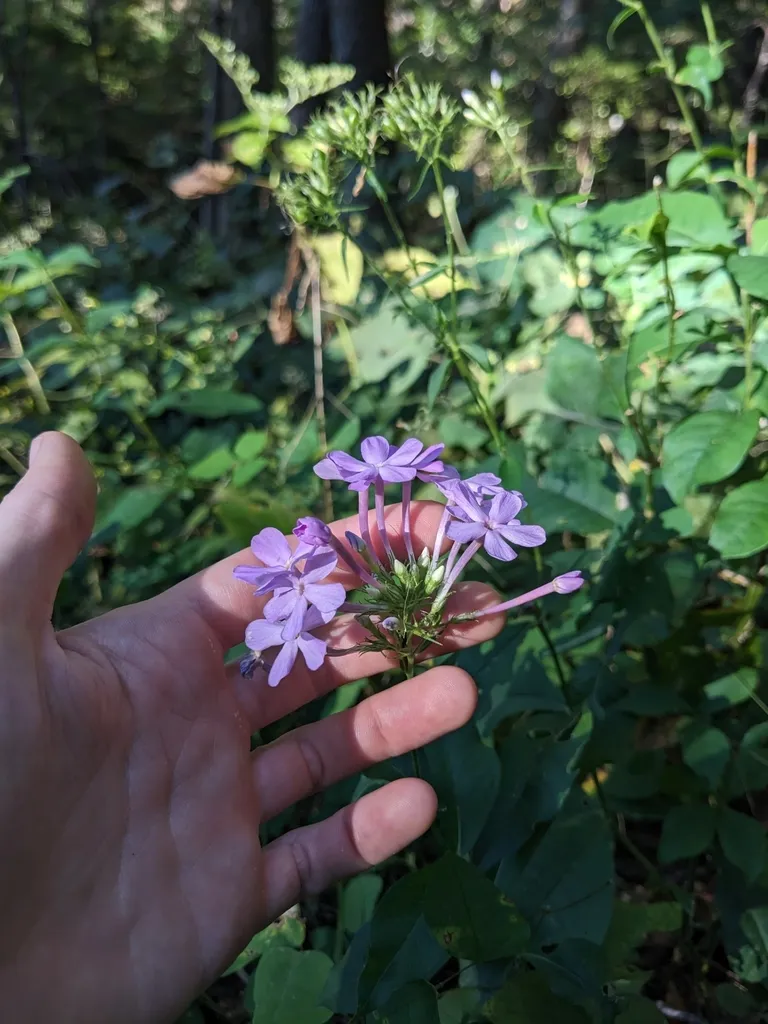
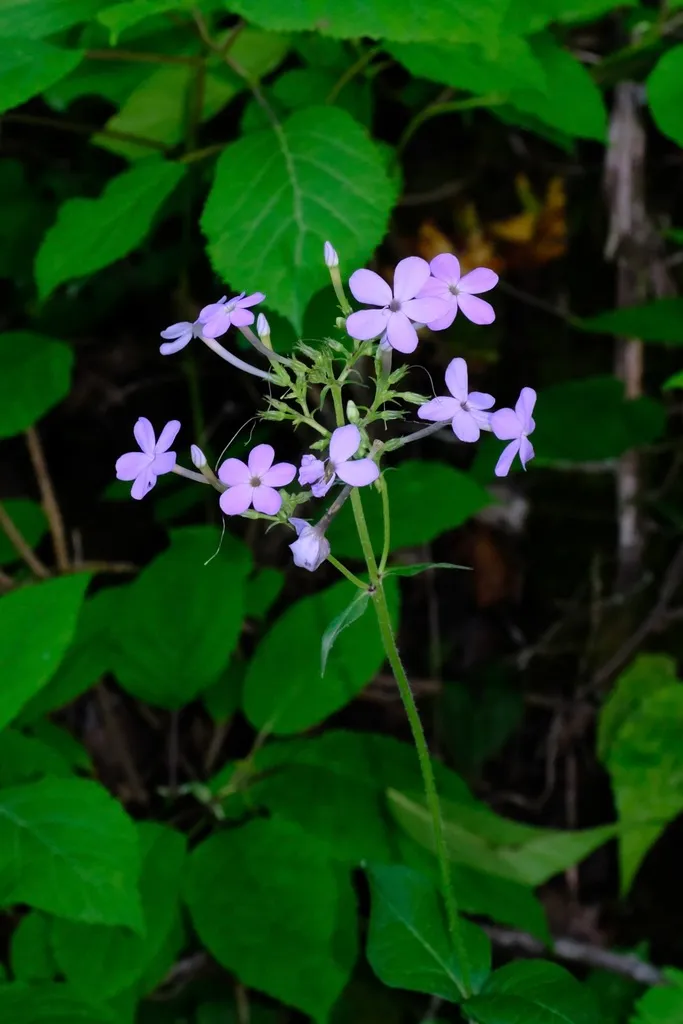
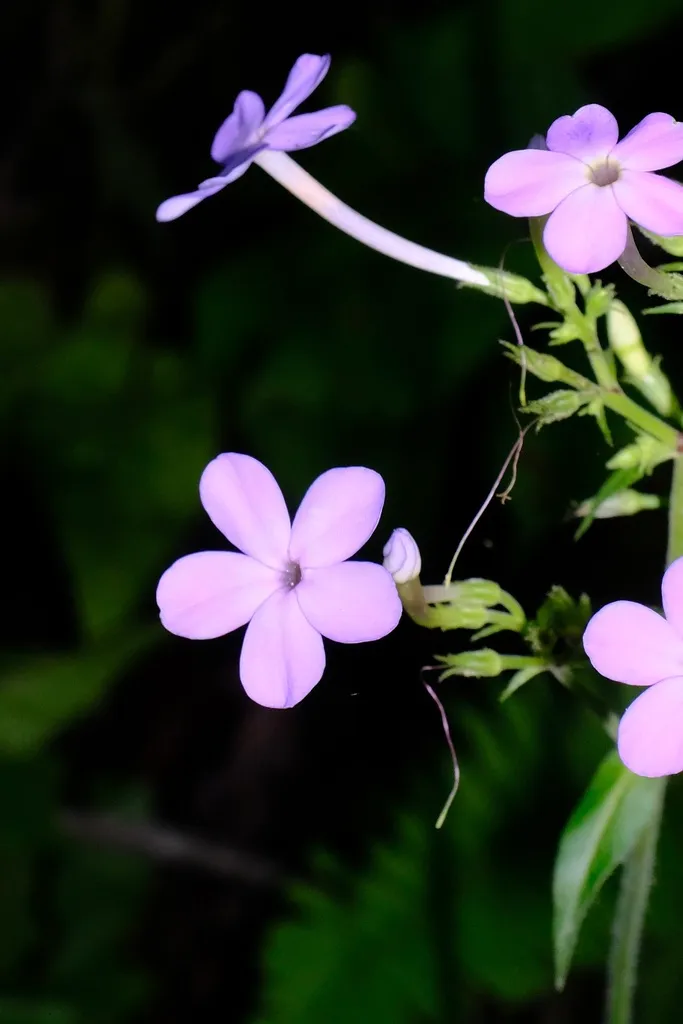
An upright perennial, to around 1.2m high, with spreading rhizomes and broadly lance-shaped, hairy green leaves. Loose clusters of pink, purple or white flowers, with long corolla tubes and flat faces, are borne on slender stems well above the foliage in summer
Scientific classification
- Species
- Phlox amplifolia (Phlox amplifolia)
- Genus
- Phlox
- Family
- Polemoniaceae
- Order
- Ericales
- Class
- Magnoliopsida
- Phylum
- Magnoliophyta
- Information to be completed
- Toxicity
- Herbaceous Perennial
- Plant type
- 1-1.5 metres
- Height
- 0.1-0.5 metres
- Spread
- Information to be completed
- Foliage
- Clump forming
- Habit
- Spring · Summer
- Season of interest
- Full sun · Partial shade
- Sunlight
- Information to be completed
- Ideal temperature









Phlox amplifolia pictures
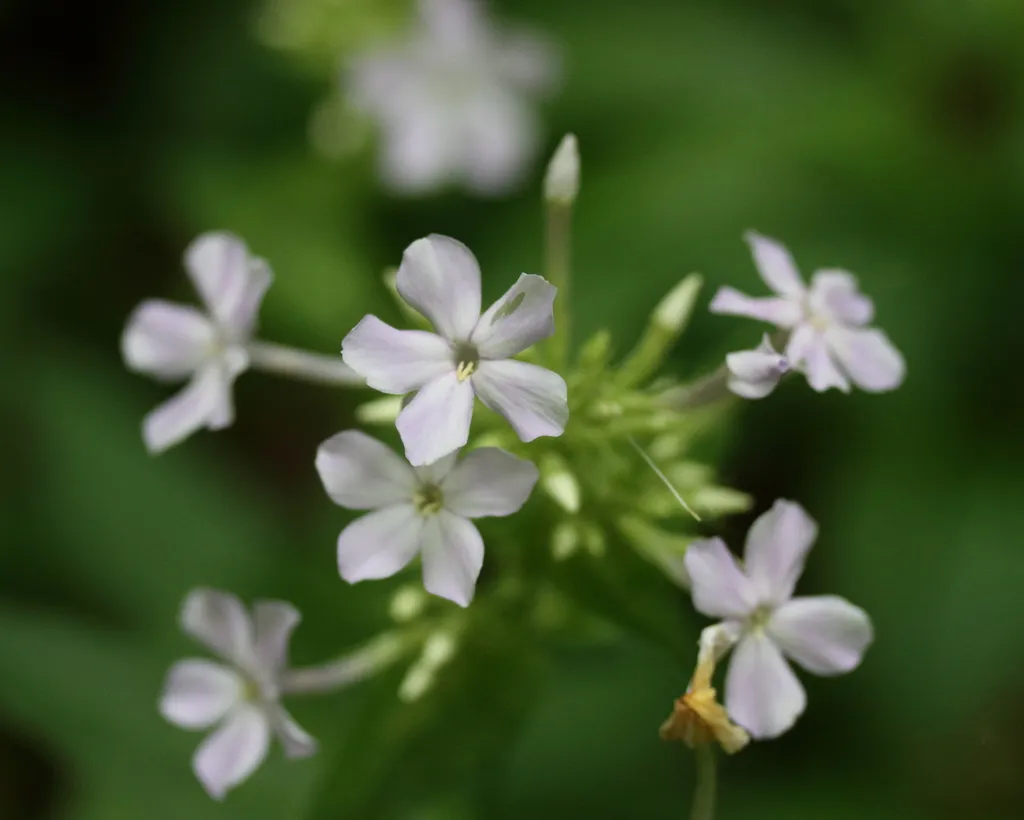
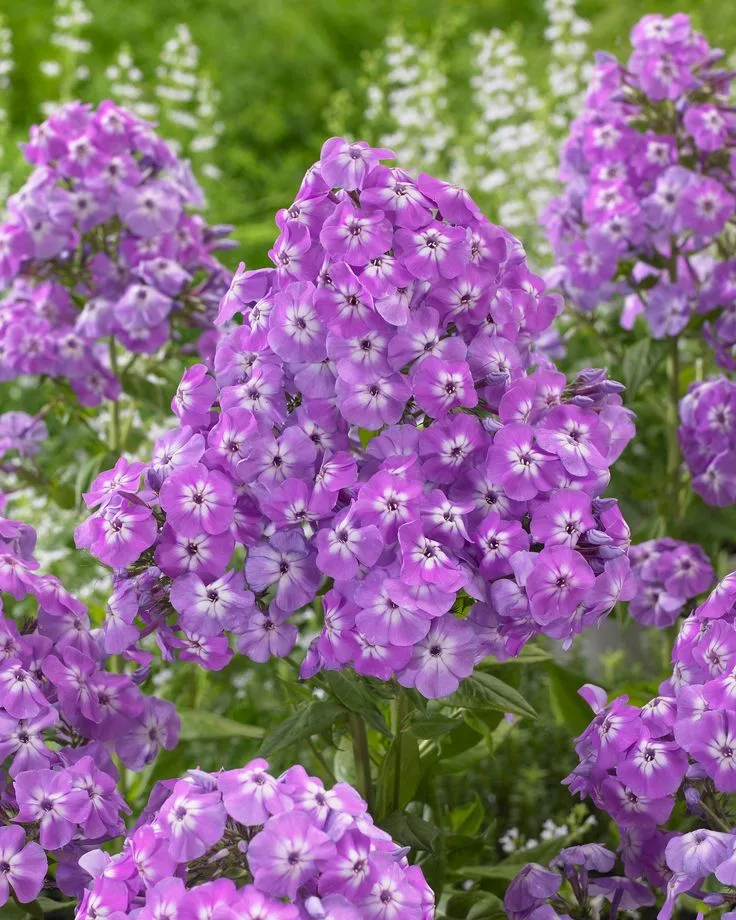
Distribution of Phlox amplifolia
Distribution map
- Native
- Introduced
- Cultivated
Source:WCVP v16 · Royal Botanic Gardens, Kew · CC BY 3.0 · Boundaries:WGSRPD / TDWG
Phlox amplifolia care guide
- Keep soil evenly moist with good air circulation
- Watering
- Full sun · Partial shade
- Sunlight

Watering
Keep soil evenly moist with good air circulation
Fertilizing
 Fertilizing
Balanced feed in spring and during bud formation
Pruning
 Pruning
Deadhead to prolong flowering then cut down to the base in late autumn
Propagation
 Propagation
Propagate by division in autumn or spring, by basal softwood cuttings in spring or by root cuttings in early autumn or winter
Growing
 Growing
Thrives in moist but well-drained soil in full sun or part shade. This species has some tolerance to drought
Common pests and diseases
Diseases
May be susceptible to fungal leaf spot. This species has some resistance to powdery mildews
Pests
May be susceptible to stem and bulb eelworm
Explore the plant health library →




