
large-flowered oleaster
Also known as: Information to be completed
A vigorous, wide-spreading evergreen shrub, to 3m high and 5m wide, with spineless branches which are covered in silvery scales when young. Broad, rounded leaves, 5-12cm long, are intensely silvery when young because of the silvery scales on both sides which gradually wear off the upper surfaces so that they become glossy dark green. Clusters of small but extremely-fragrant, silvery-cream flowers in autumn are followed by edible, oval, red fruit in late spring or early summer
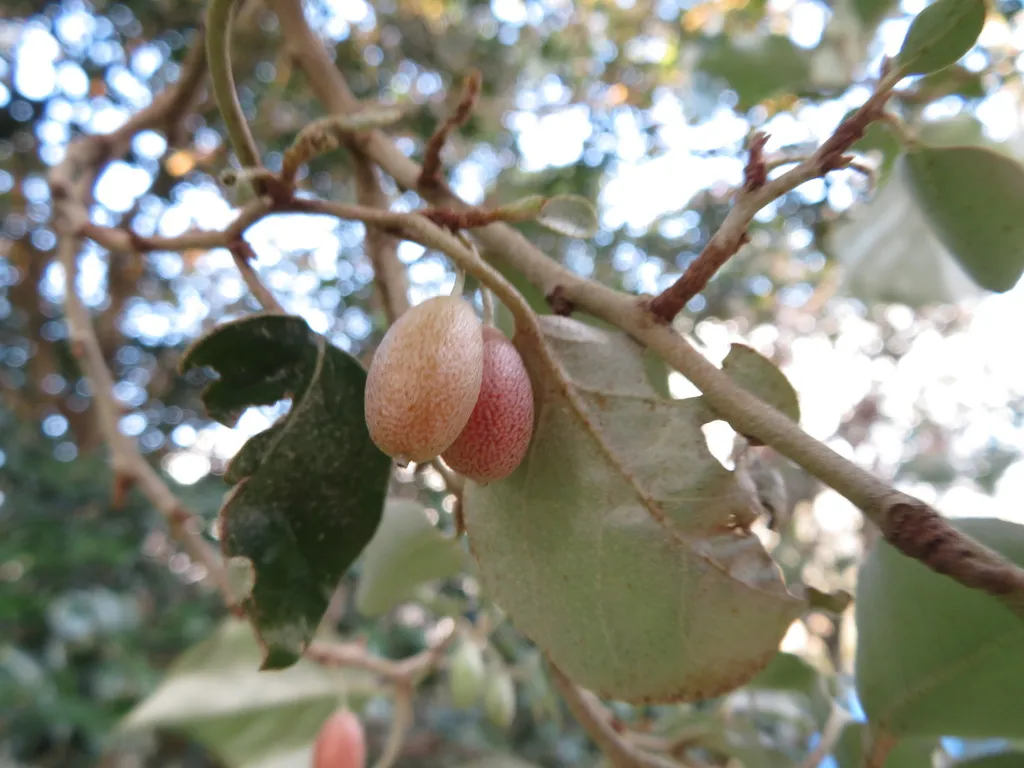
Scientific classification
- Species
- large-flowered oleaster (Elaeagnus macrophylla)
- Genus
- Elaeagnus
- Family
- Elaeagnaceae
- Information to be completed
- Toxicity
- Shrubs
- Plant type
- 2.5-4 metres
- Height
- 4-8 metres
- Spread
- Evergreen
- Foliage
- Bushy
- Habit
- Spring · Summer · Autumn · Winter
- Season of interest
- Full sun · Partial shade
- Sunlight
- Information to be completed
- Ideal temperature









large-flowered oleaster pictures
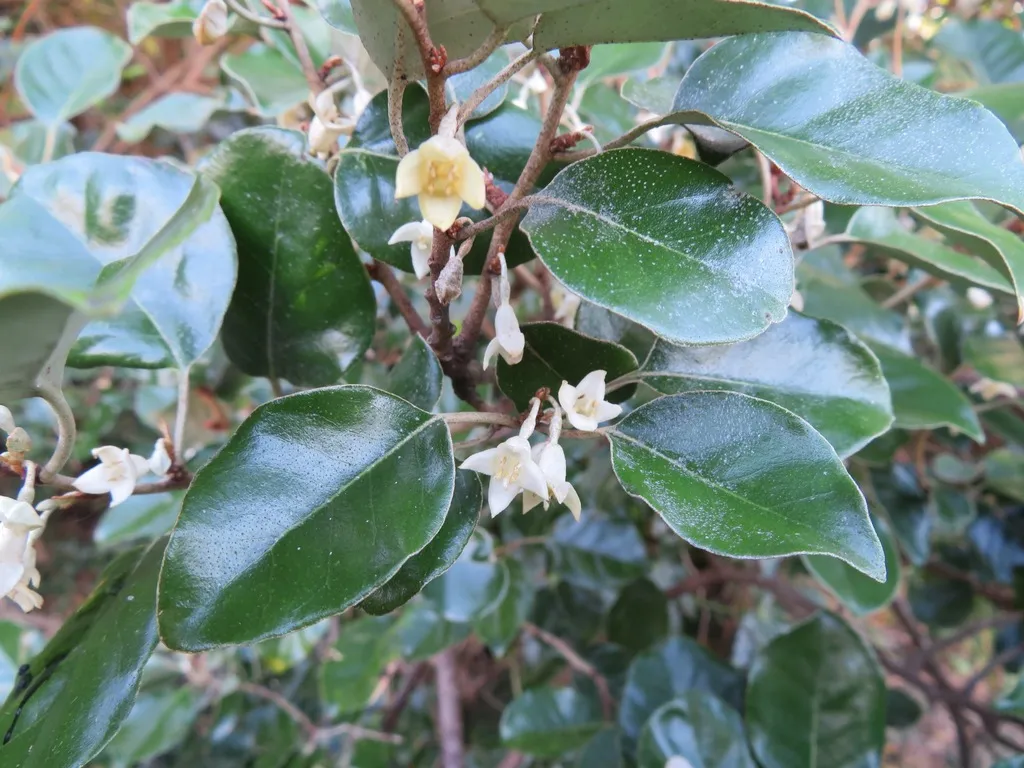
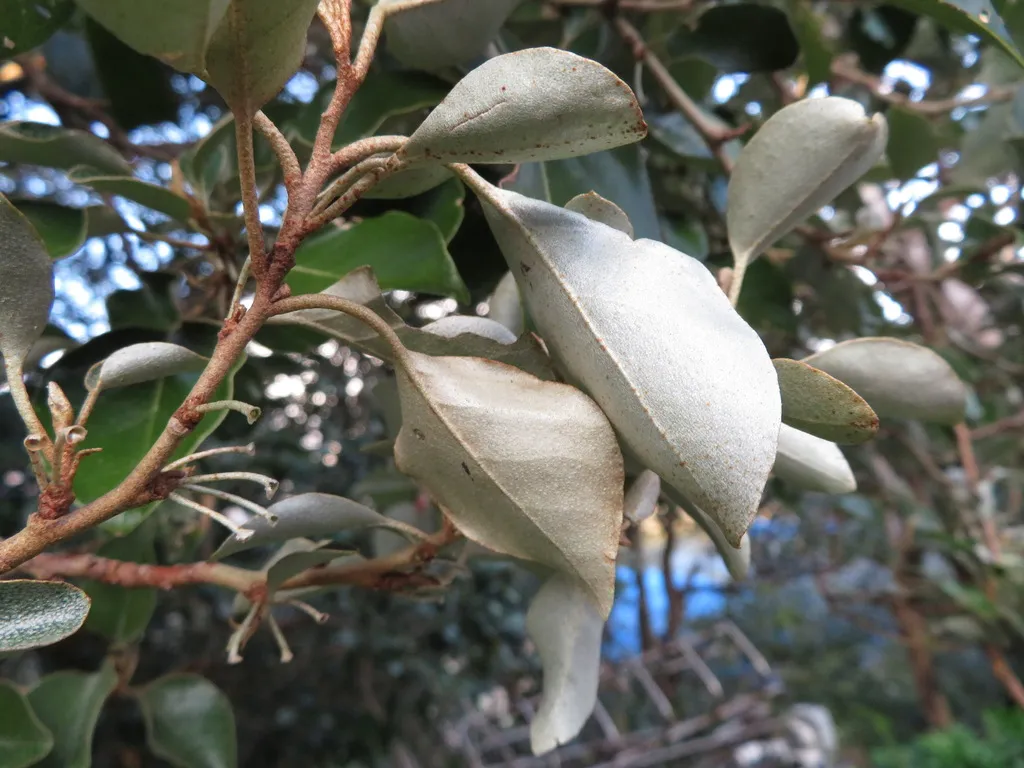
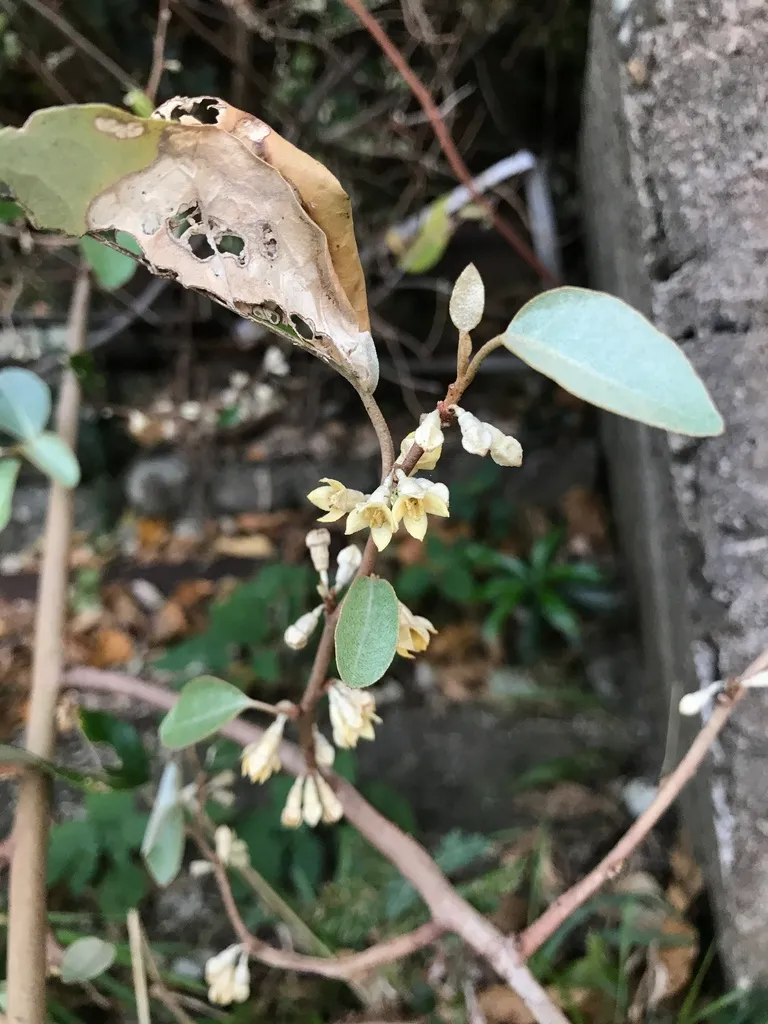
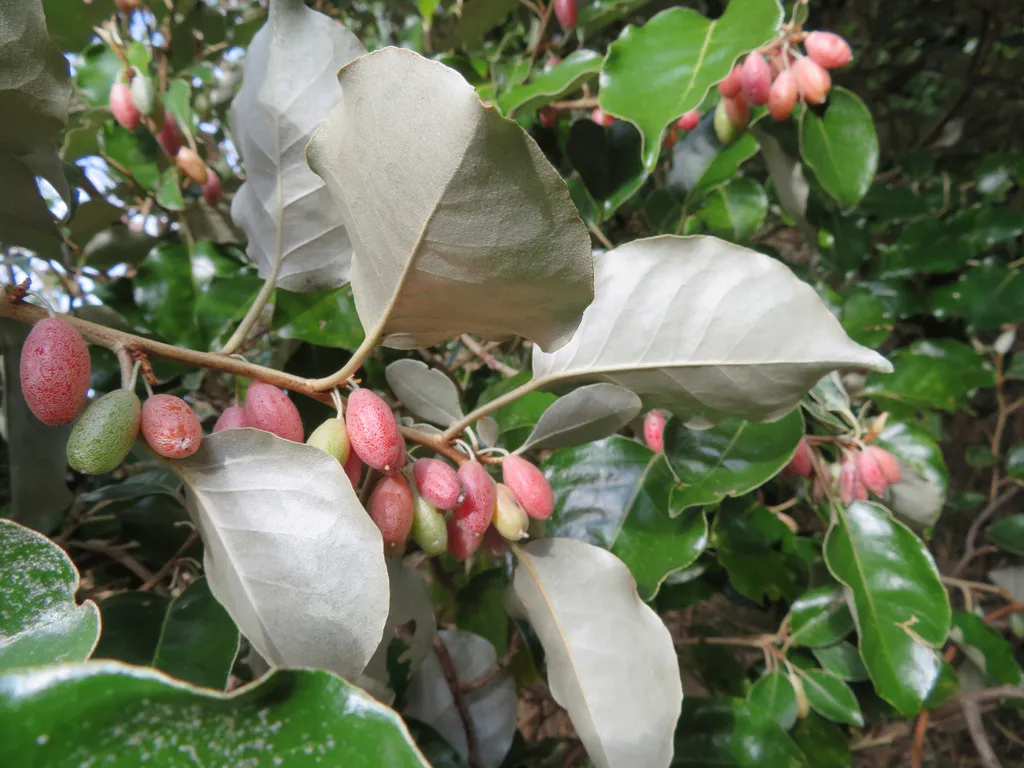
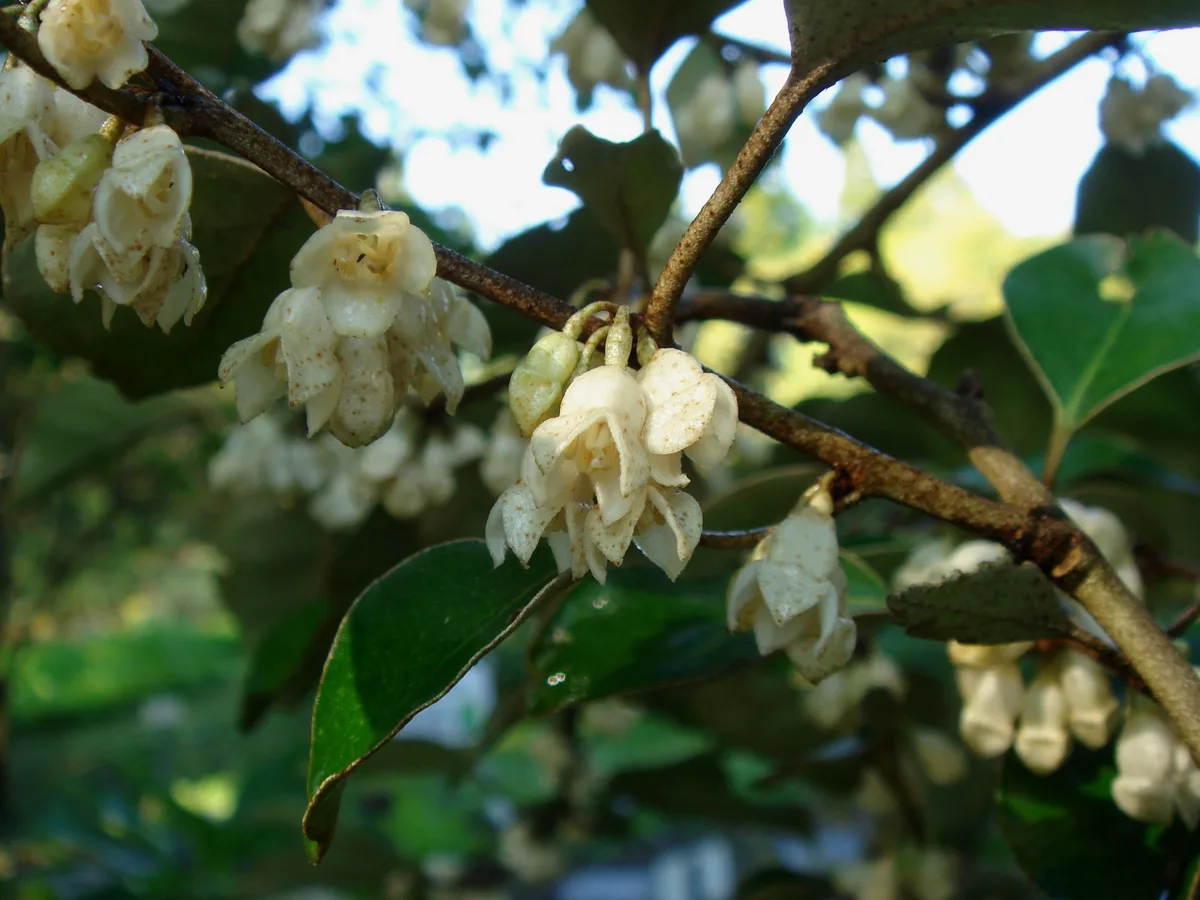
Distribution of large-flowered oleaster
Distribution map
Korea Japan
Information to be completed
Culture
Information to be completed
Toxicity
Information to be completed
Quick identification of large-flowered oleaster
Information to be completed
large-flowered oleaster care guide
- Moderate regular watering, deep soak only during prolonged hot spells
- Watering
- Full sun · Partial shade
- Sunlight
- Information to be completed
- Ideal temperature

Watering
Moderate regular watering, deep soak only during prolonged hot spells
Fertilizing
 Fertilizing
Balanced evergreen shrub feed applied once per early spring yearly
Pruning
 Pruning
Little pruning is needed. Remove diseased, damaged, crowded or crossing shoots and unwanted growth. Timing depends on the plant: generally late winter or early spring; plants prone to bleeding and deciduous magnolias need different timing, and deciduous azaleas and lilacs are pruned after flowering.
Propagation
 Propagation
Propagate by seed sown in a cold frame in autumn, by layering in spring, by semi-ripe cuttings in summer, or by grafting in late winter
Growing
 Growing
Grow in full sun or partial shade; will thrive by the coast, and in any well-drained soil, including poor soil, except very shallow chalk
People also ask
Information to be completed
Common pests and diseases
Diseases
May be susceptible to honey fungus, coral spot or leaf spot (fungal) see leaf damage on woody plants
Pests
May be susceptible to elaeagnus sucker
Explore the plant health library →




