
common guava
Also known as: apple guava; guava; guyaba; tropical guava; yellow guava
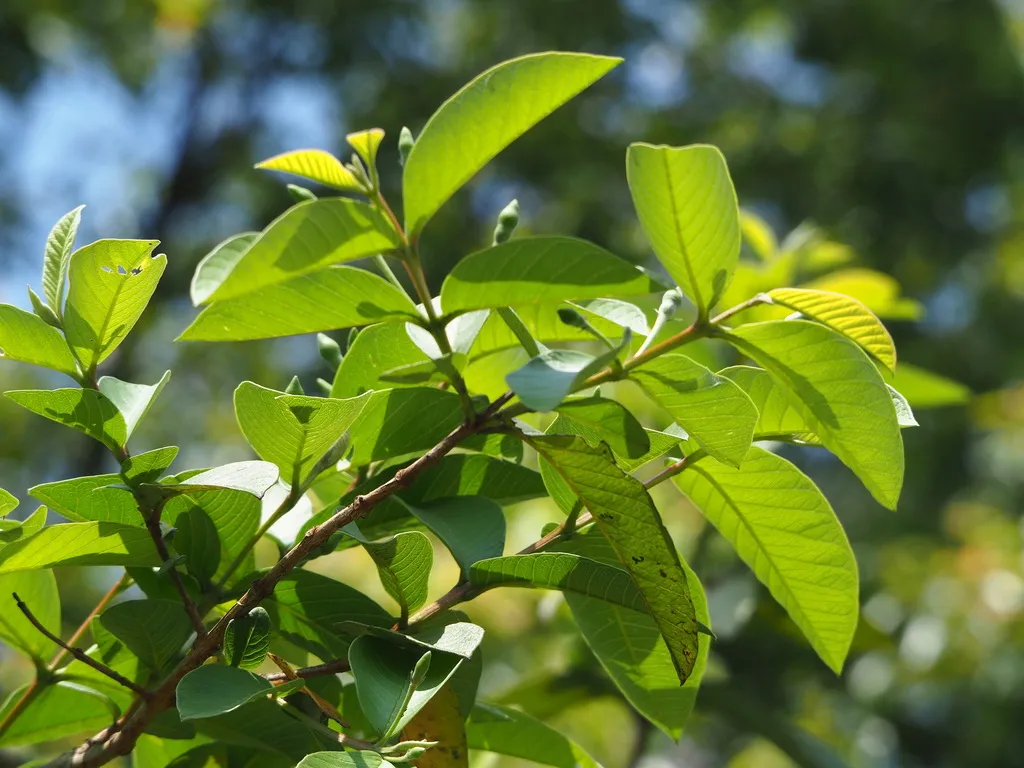
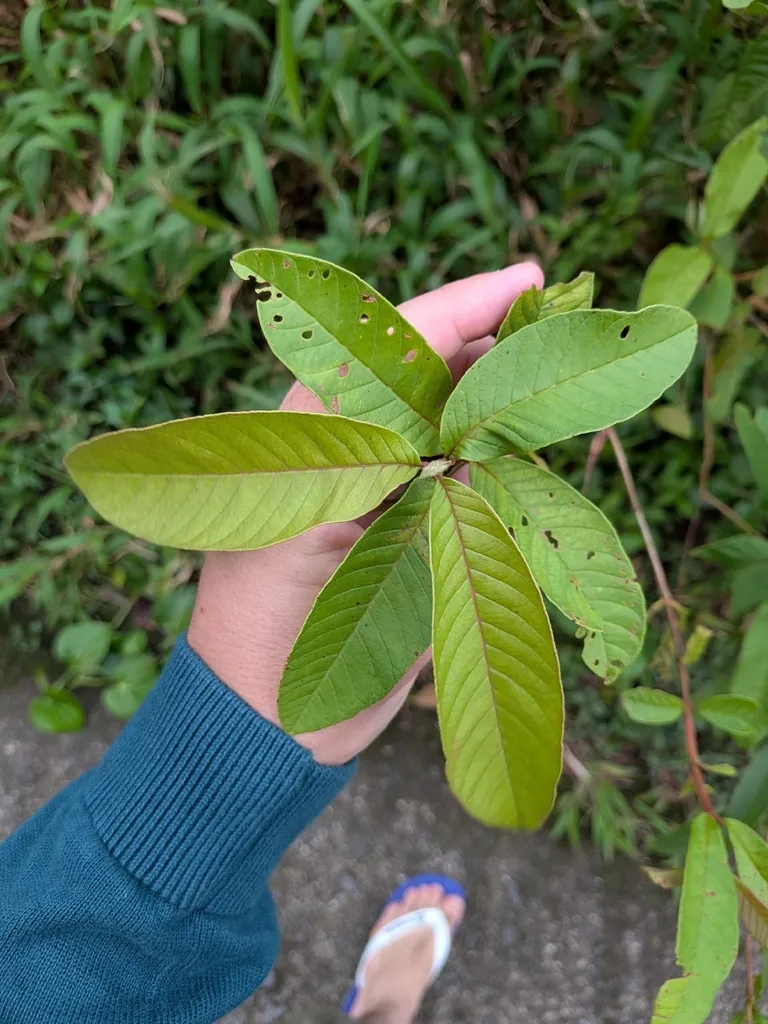
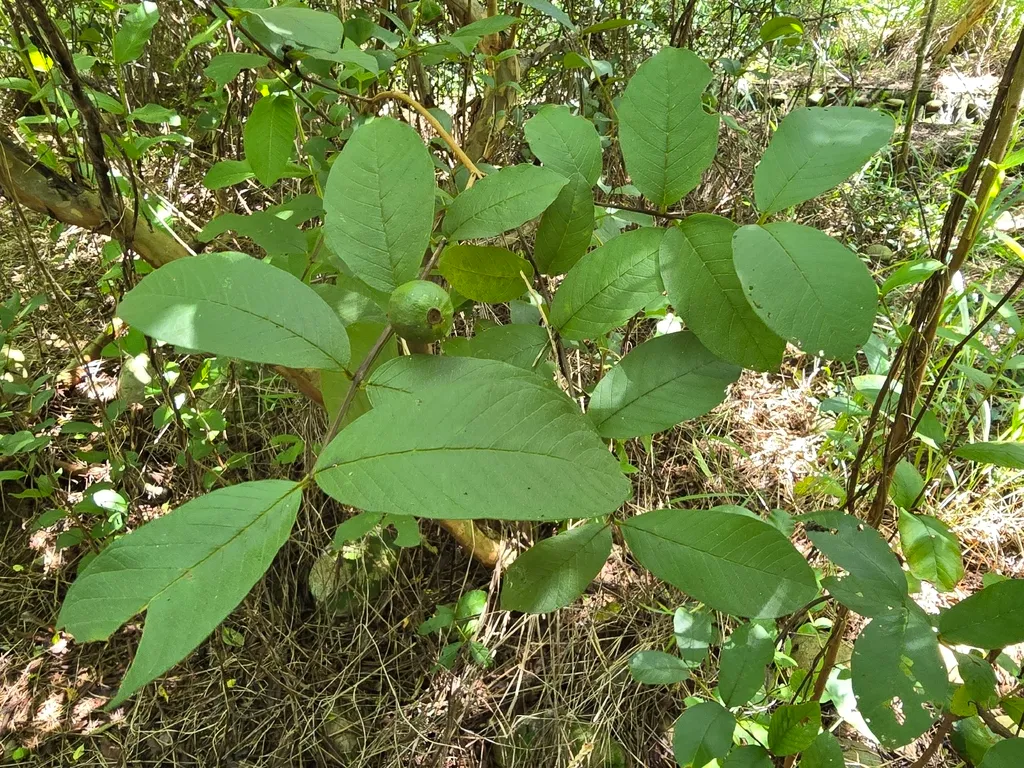
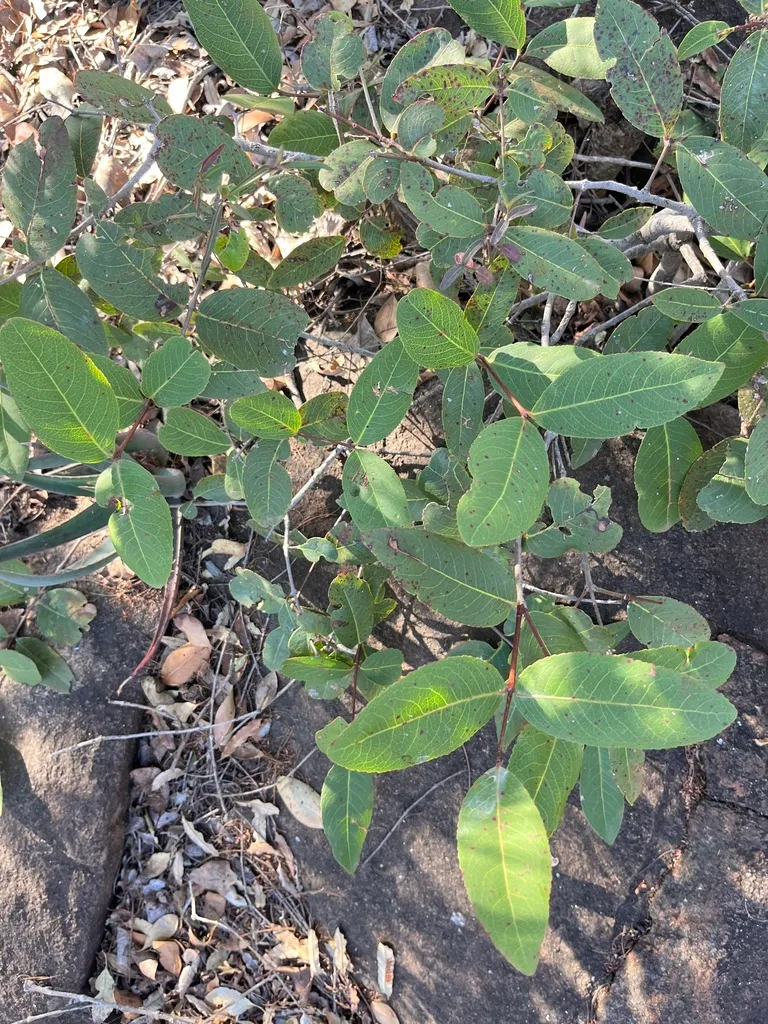
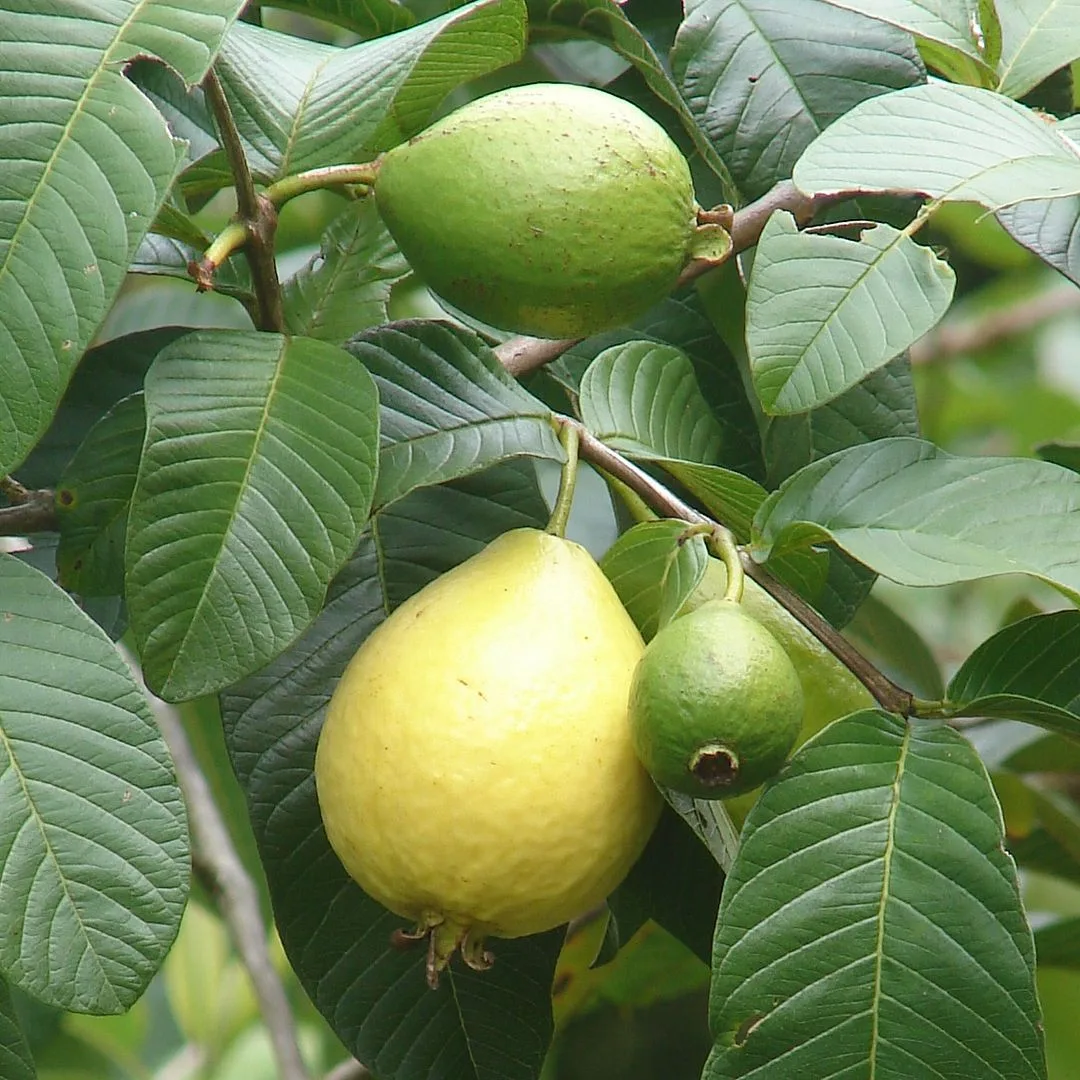
An evergreen shrub or small tree up to 6m tall with prominently-veined, ovate to oblong leaves up to 15cm long with serrated margins. White flowers to 2.5cm across with brush-like clusters of long stamens are borne singly or in small groups and may be produced year-round on newly-emerged lateral shoots. Edible, rounded, egg- or pear-shaped fruits, 2.5 to 10cm long, mature from green to yellowish green with white to deep pink or orange-red flesh
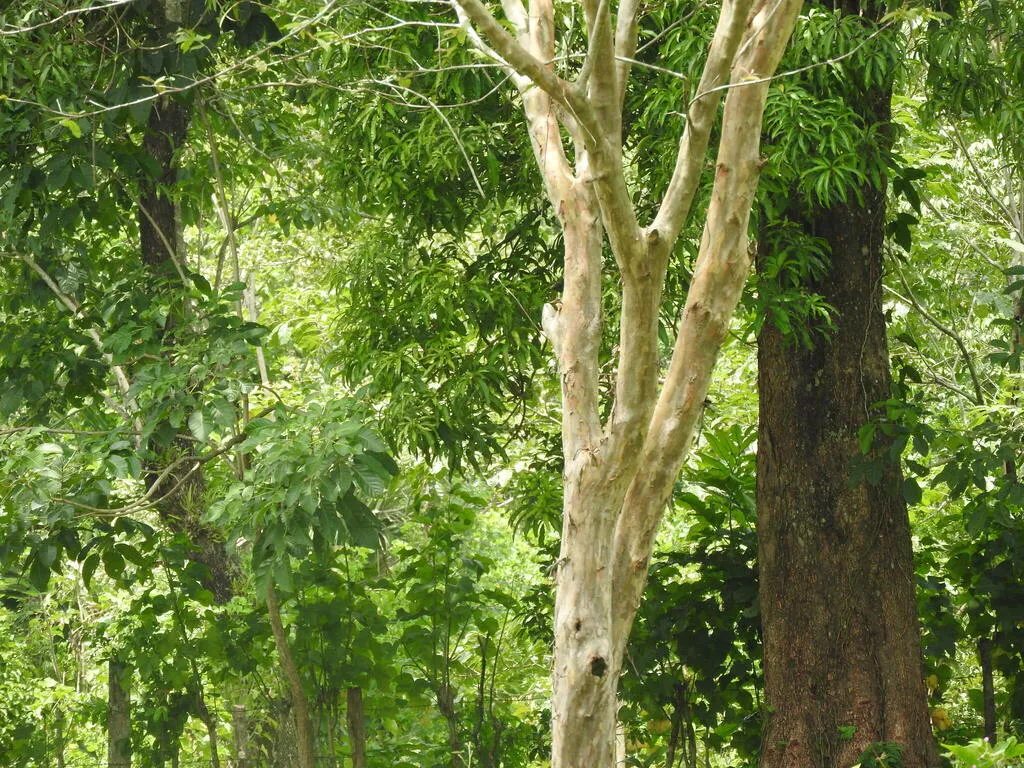
Scientific classification
- Species
- common guava (Psidium guajava)
- Genus
- Psidium
- Family
- Myrtaceae
- Information to be completed
- Toxicity
- Shrubs · Trees · Conservatory Greenhouse
- Plant type
- 4-8 metres
- Height
- 2.5-4 metres
- Spread
- Evergreen
- Foliage
- Bushy
- Habit
- Spring · Summer · Autumn · Winter
- Season of interest
- Full sun
- Sunlight
- 20 – 30 °C
- Ideal temperature









common guava pictures
Distribution of common guava
Distribution map
Southern America, Caribbean
Information to be completed
Culture
Information to be completed
Toxicity
Information to be completed
Quick identification of common guava
Information to be completed
common guava care guide
- Moderate regular watering, allowing brief slight drying between soakings
- Watering
- Full sun
- Sunlight
- 20 – 30 °C
- Ideal temperature

Watering
Moderate regular watering, allowing brief slight drying between soakings
Fertilizing
 Fertilizing
Balanced perennial feed every four weeks from spring through summer
Pruning
 Pruning
Usually little pruning is needed. Lightly shape if necessary, removing dead, damaged or diseased shoots. Prune after flowering.
Propagation
 Propagation
Propagate from seed or from suckers
Growing
 Growing
Grow in a greenhouse or conservatory in loam-based compost in full light but with shade from hot sun. Can also be grown in containers to stand outside in summer but move inside for winter or provide protection from frost
People also ask
Information to be completed
Common pests and diseases
Diseases
Generally disease-free
Pests
Generally pest-free but may be susceptible to glasshouse red spider mite, glasshouse whitefly and scale insects
Explore the plant health library →




