
Pennantia corymbosa
Also known as: Information to be completed
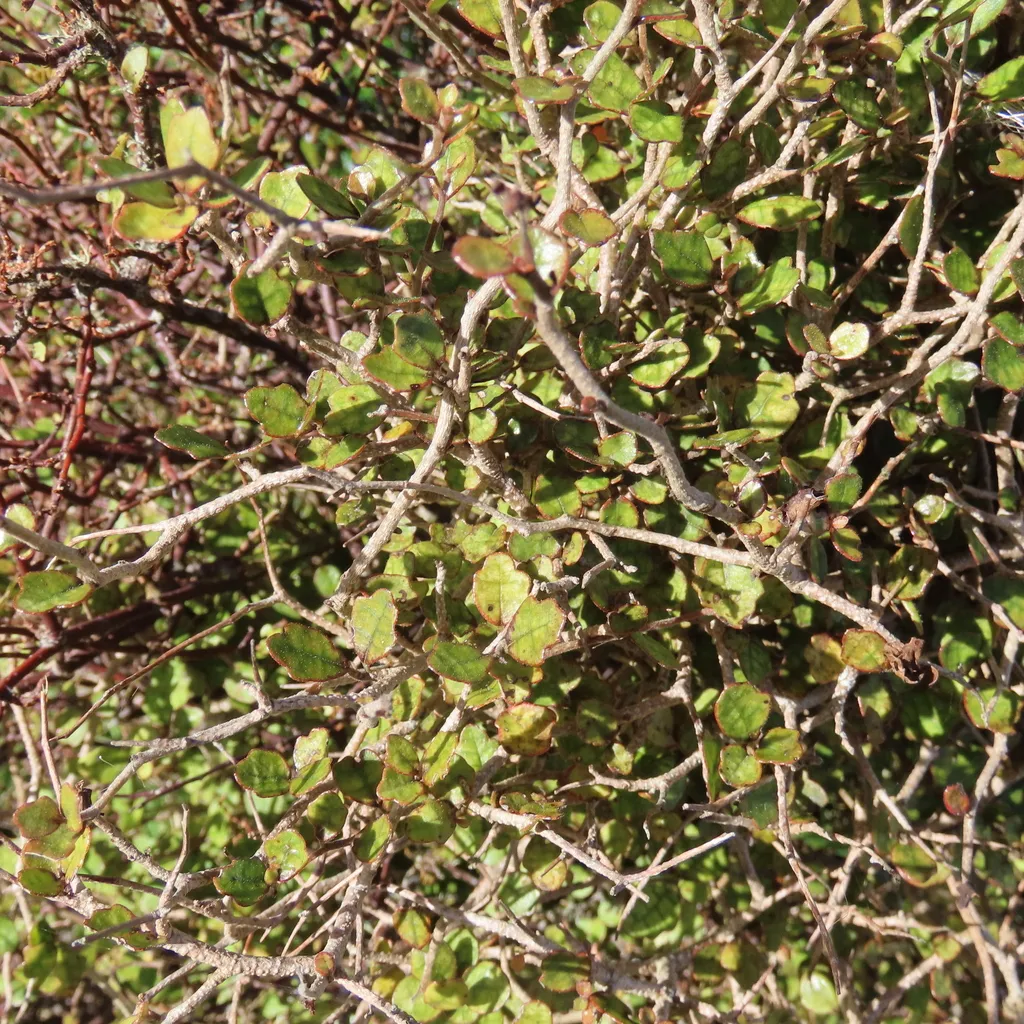
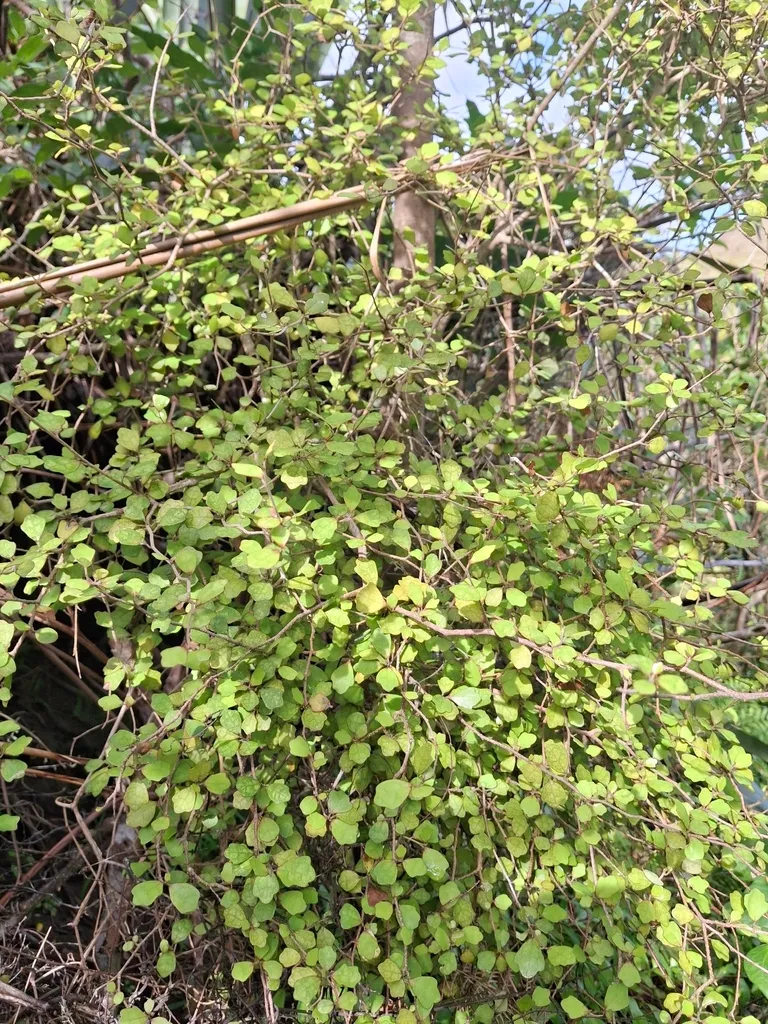
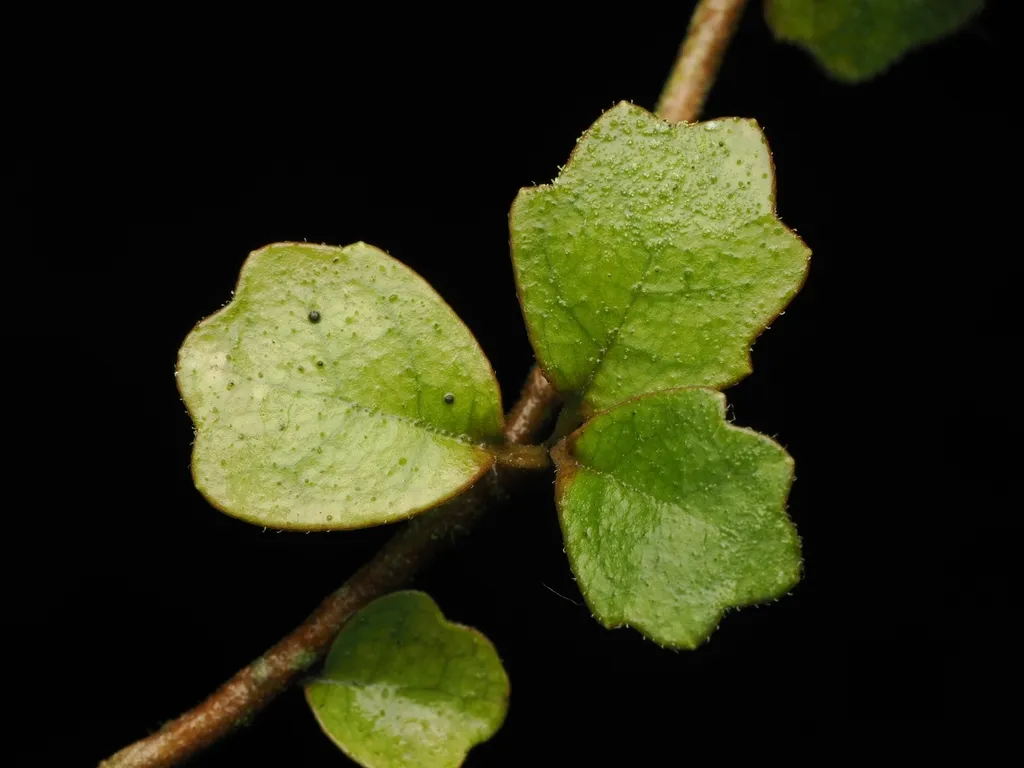
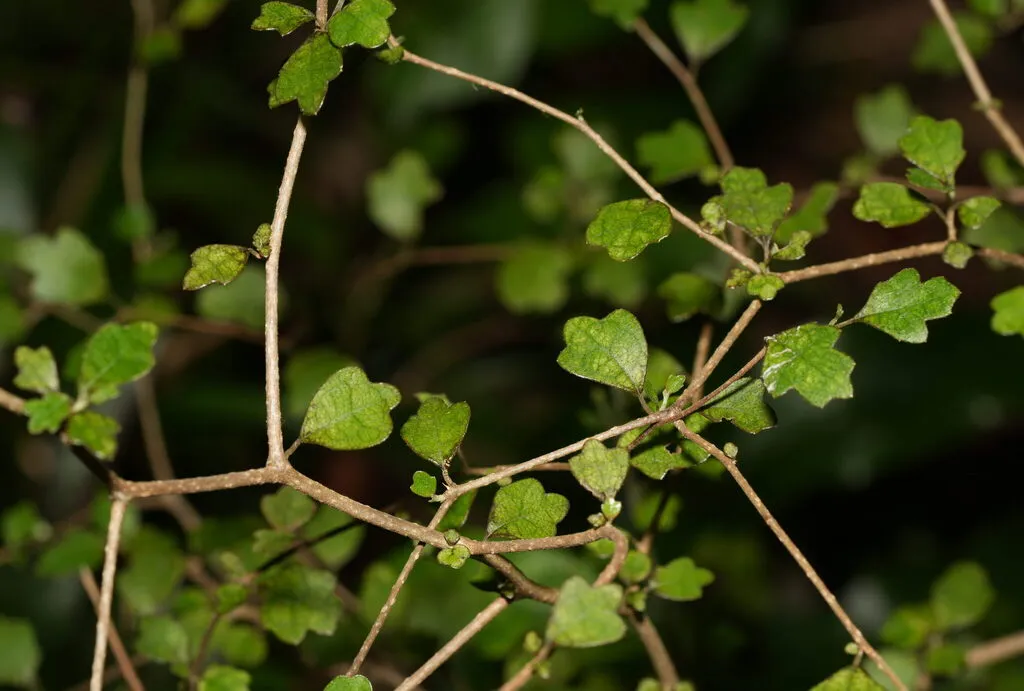
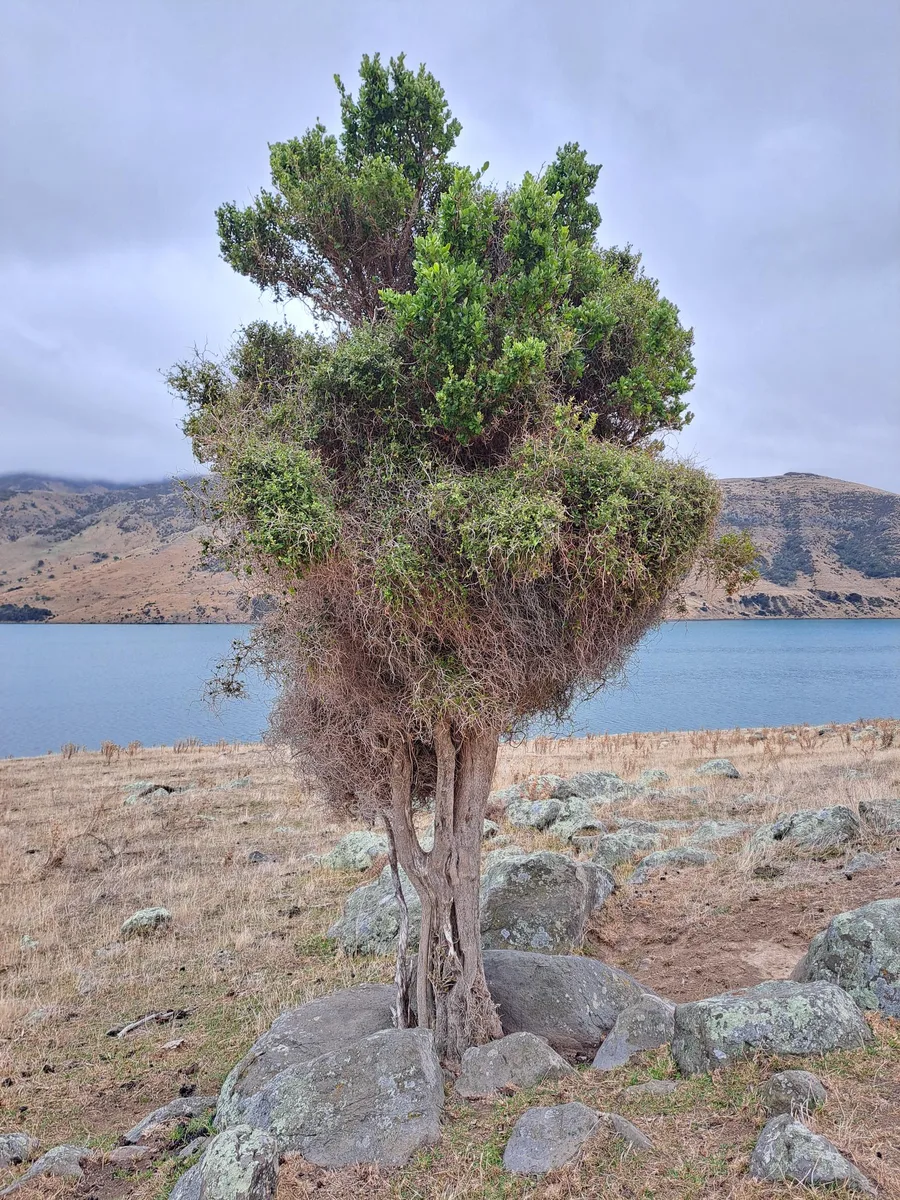
An evergreen tree, up to around 10m high, with a distinctive juvenile form. Young stems have a zigzagging, interlacing habit and young leaves are widely spaced and shallowly lobed. As it matures, it develops a more typical rounded crown, and mature leaves are leathery and glossy, with irregularly toothed edges. Clusters of fragrant, creamy white flowers are produced in spring, if pollinated these are followed on female trees by small black berries
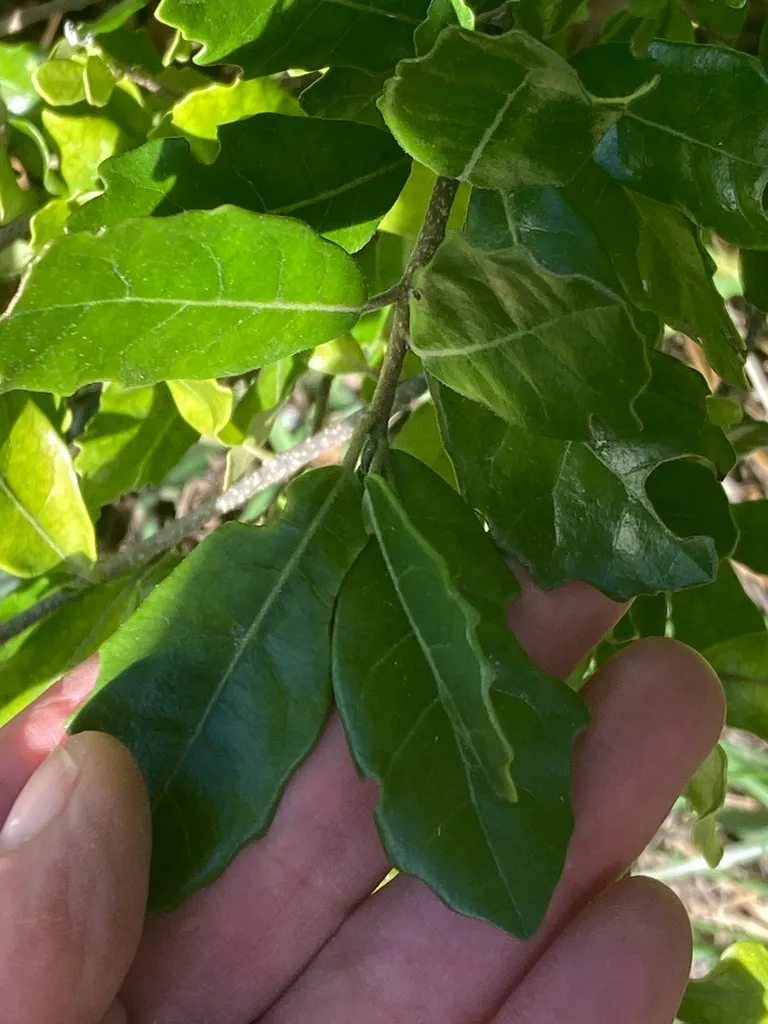
Scientific classification
- Species
- Pennantia corymbosa (Pennantia corymbosa)
- Genus
- Pennantia
- Family
- Pennantiaceae
- Order
- Aquifoliales
- Class
- Magnoliopsida
- Phylum
- Magnoliophyta
- Information to be completed
- Toxicity
- Trees
- Plant type
- 8-12 metres
- Height
- 4-8 metres
- Spread
- Evergreen
- Foliage
- Columnar upright
- Habit
- Spring · Summer · Autumn · Winter
- Season of interest
- Full sun · Partial shade · Full shade
- Sunlight
- Information to be completed
- Ideal temperature









Pennantia corymbosa pictures
Pennantia corymbosa care guide
- Moderate regular watering, allowing slight drying between waterings
- Watering
- Full sun · Partial shade · Full shade
- Sunlight

Watering
Moderate regular watering, allowing slight drying between waterings
Fertilizing
 Fertilizing
Balanced feed monthly during active growth season
Pruning
 Pruning
No pruning required
Propagation
 Propagation
Propagate by seed, providing 4 weeks cold stratification before sowing, or by semi-ripe or hardwood cuttings
Growing
 Growing
May be grown outdoors in warmer regions, in moist, humus rich soil in sun or shade. Both male and female plants are required to produce berries
Common pests and diseases
Diseases
Generally disease-free
Pests
Generally pest-free
Explore the plant health library →




