
Durango fir
Also known as: Information to be completed
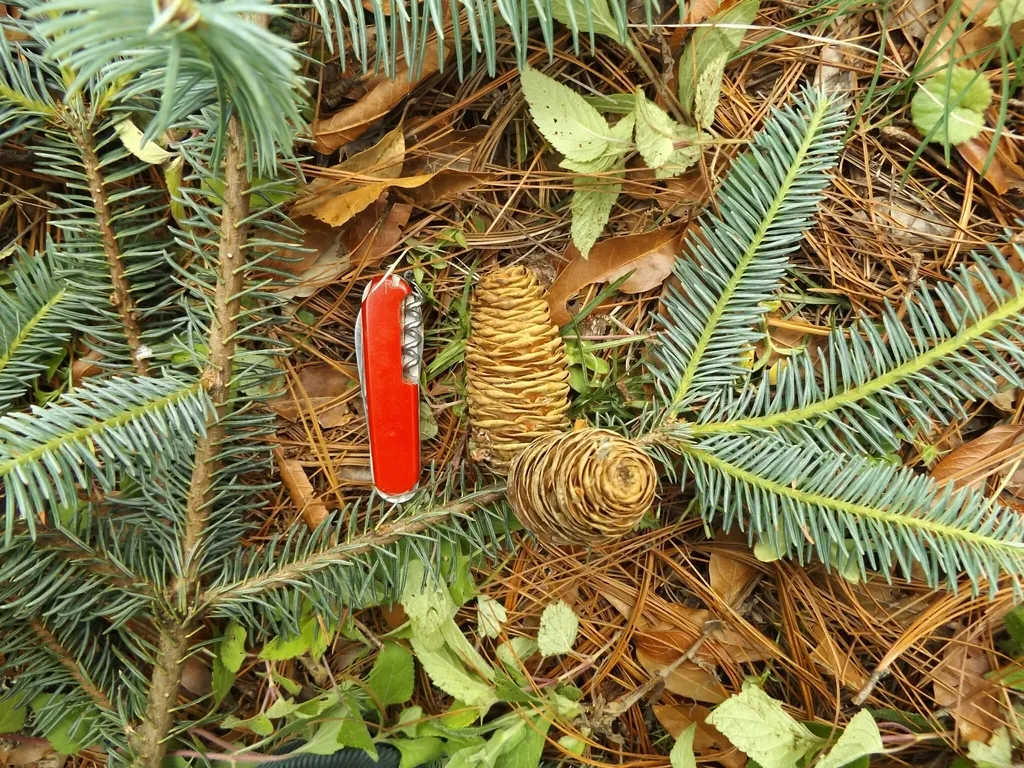
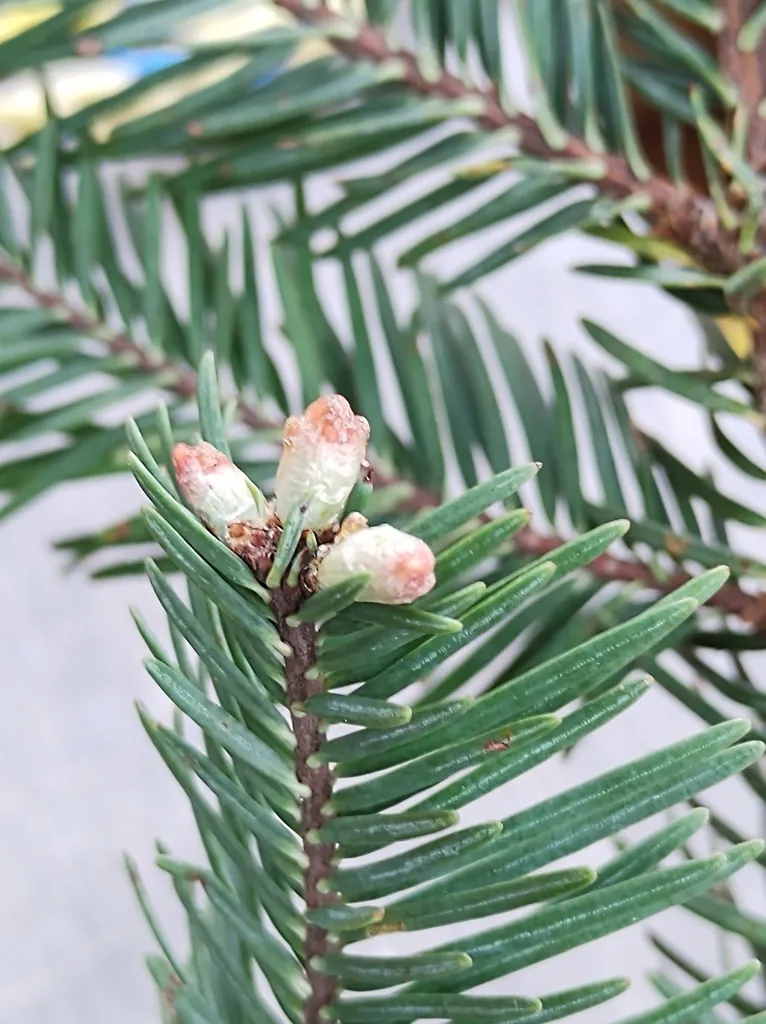
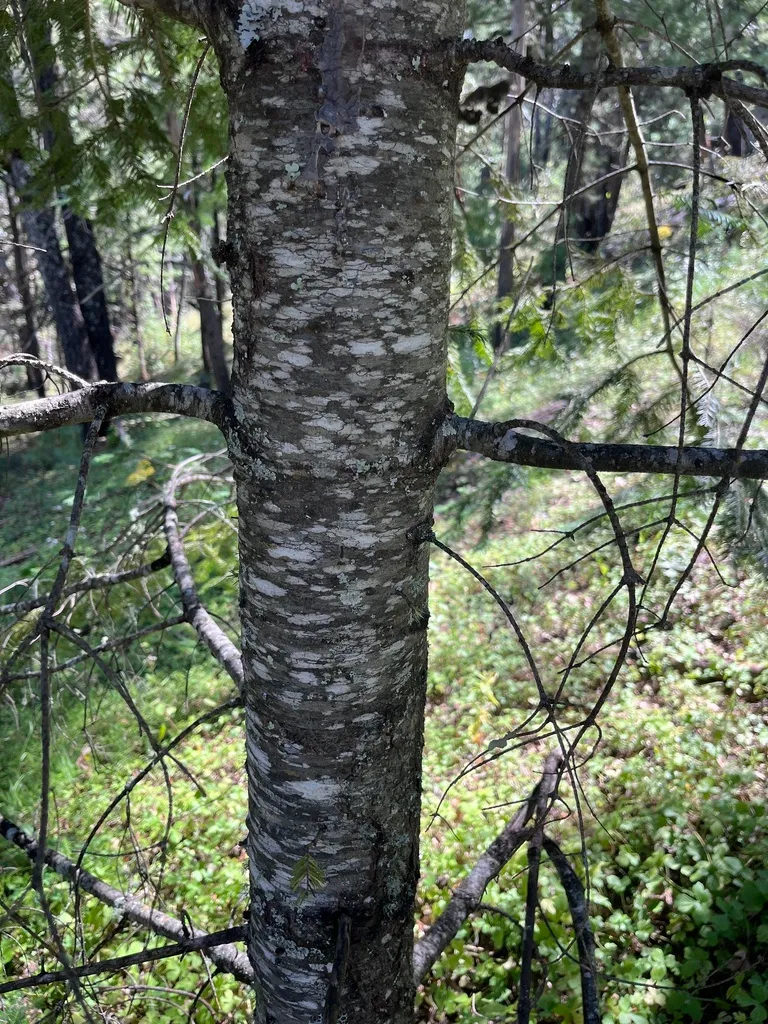
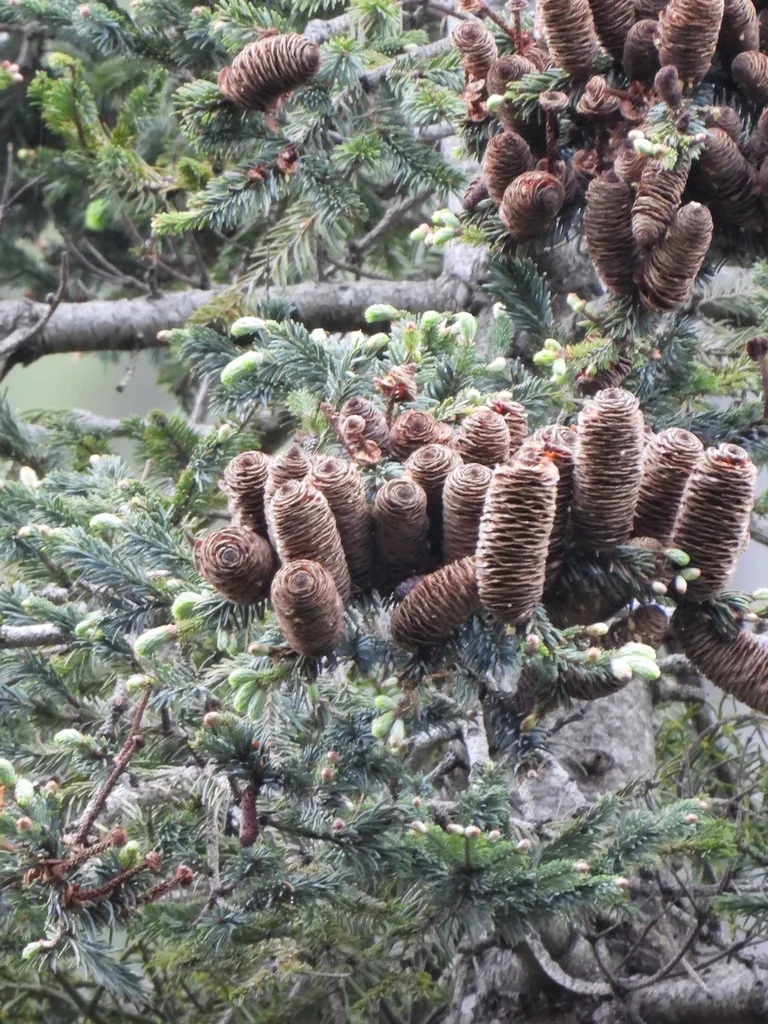
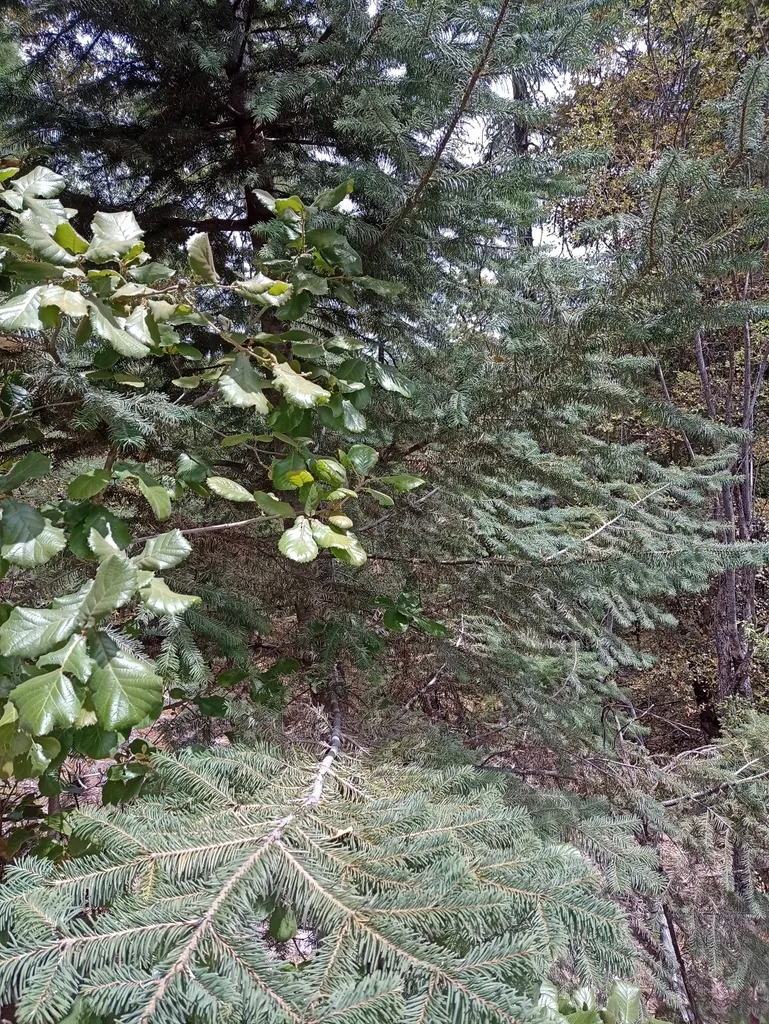
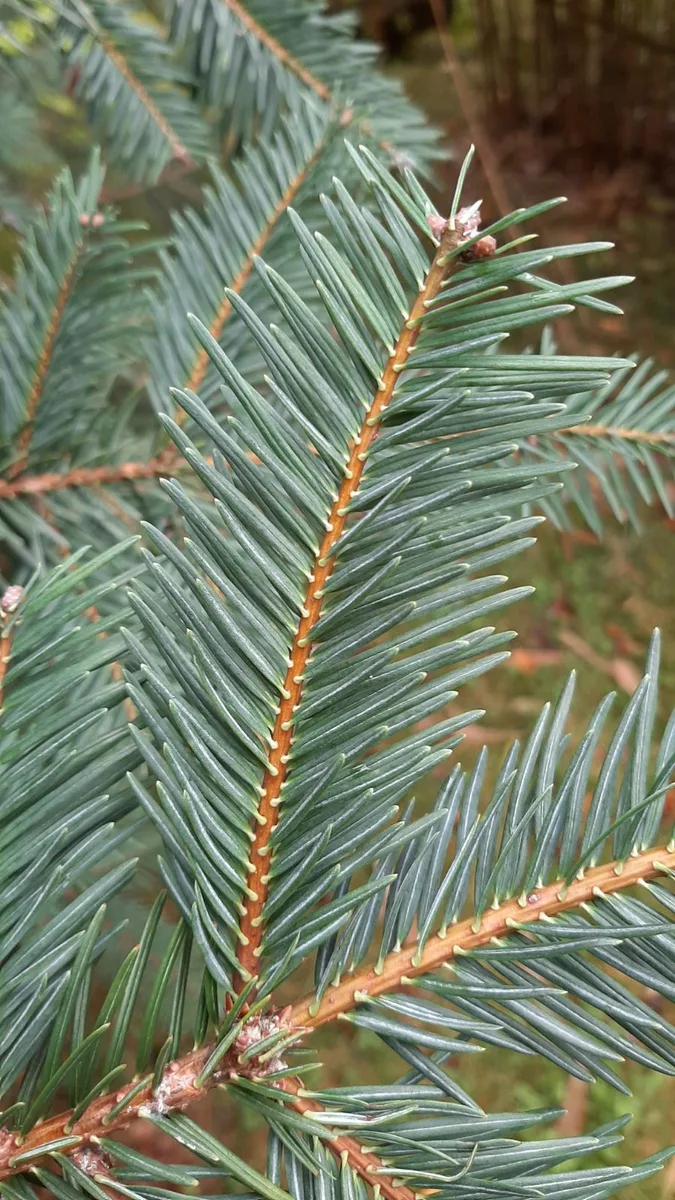
Large, upright-growing, 30 - 40m tall, evergreen, coniferous tree with narrowly pyramidal crown at young age, changing to rounded when more mature. Young trees have smooth, reddish-brown bark, changing to grey. Bark on older trees breaks into oblong plates with dark brown/grey colour. New buds are oblong, 4-5mm long, often cover with resinous layer. Needles are fairly long (1.4 - 4.5cm), rounded at the tip. They are pale blue-green on top with two dull stomata bands underneath, set in two or more ranks on either side of shoot. Cylindrical seed cones are pale yellow-green when young, ripening to brown.
Scientific classification
- Species
- Durango fir (Abies durangensis)
- Genus
- Abies
- Family
- Pinaceae
- Information to be completed
- Toxicity
- Conifers · Trees
- Plant type
- Higher than 12 metres
- Height
- wider than 8 metres
- Spread
- Evergreen
- Foliage
- Columnar upright
- Habit
- Spring · Summer · Autumn · Winter
- Season of interest
- Full sun
- Sunlight
- Information to be completed
- Ideal temperature









Durango fir pictures
Distribution of Durango fir
Distribution map
- Native
- Introduced
- Cultivated
Source:WCVP v16 · Royal Botanic Gardens, Kew · CC BY 3.0 · Boundaries:WGSRPD / TDWG
Culture
Information to be completed
Toxicity
Information to be completed
Quick identification of Durango fir
Information to be completed
Durango fir care guide
- Deep occasional watering, let soil drain freely
- Watering
- Full sun
- Sunlight
- Information to be completed
- Ideal temperature

Watering
Deep occasional watering, let soil drain freely
Fertilizing
 Fertilizing
Light slow release conifer feed in spring
Pruning
 Pruning
No pruning required
Propagation
 Propagation
Propagate by seed
Growing
 Growing
Grows best in deep, slightly acidic, moist but well-drained soils in cooler climates. See conifer cultivation
People also ask
Information to be completed
Common pests and diseases
Diseases
Generally disease-free, but may be affected by honey fungus.
Pests
May be susceptible to adelgids and aphids
Explore the plant health library →




