
Kentucky coffee tree
Also known as: chicot
A slow-growing, spreading deciduous tree with large, bipinnate leaves up to 1m long. Each leaflet is divided into 8-14 oval, softly hairy, dark green leaflets. These are pink-tinged when young, and turn yellow in autumn. Young shoots have a grey-white bloom, most noticeable in winter
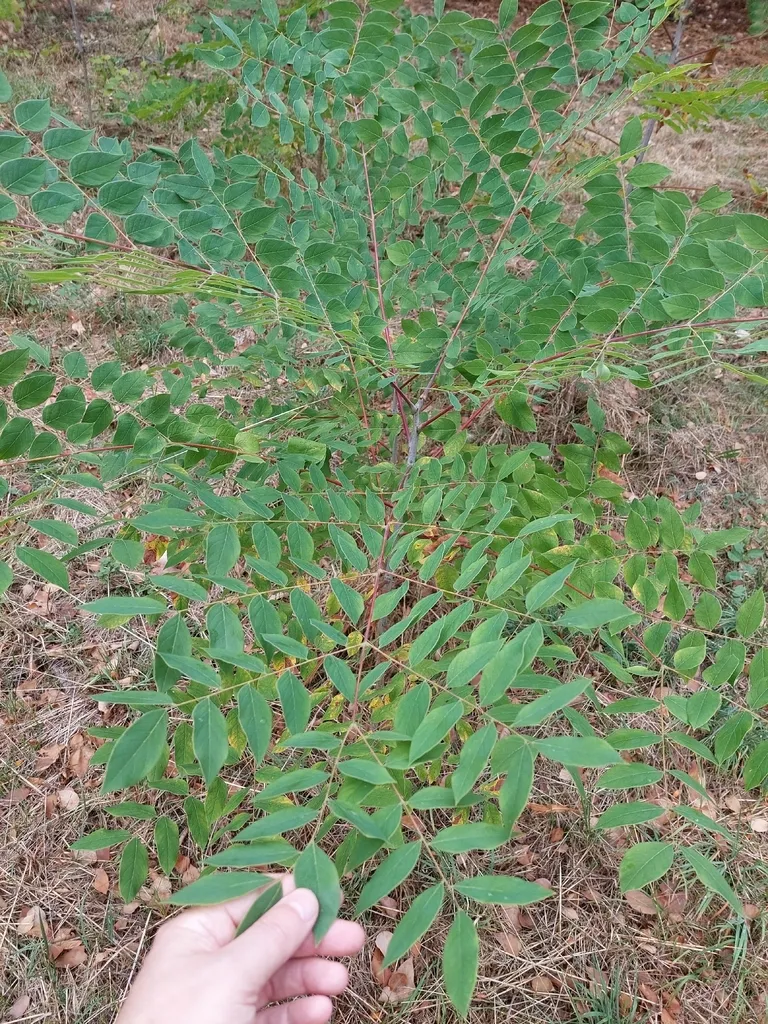
Scientific classification
- Species
- Kentucky coffee tree (Gymnocladus dioicus)
- Genus
- Gymnocladus
- Family
- Fabaceae
- Harmful if eaten. Wear gloves and other protective equipment when handling
- Toxicity
- Trees
- Plant type
- Higher than 12 metres
- Height
- wider than 8 metres
- Spread
- Deciduous
- Foliage
- Bushy
- Habit
- Autumn · Spring · Summer · Winter
- Season of interest
- Full sun
- Sunlight
- Information to be completed
- Ideal temperature









Kentucky coffee tree pictures
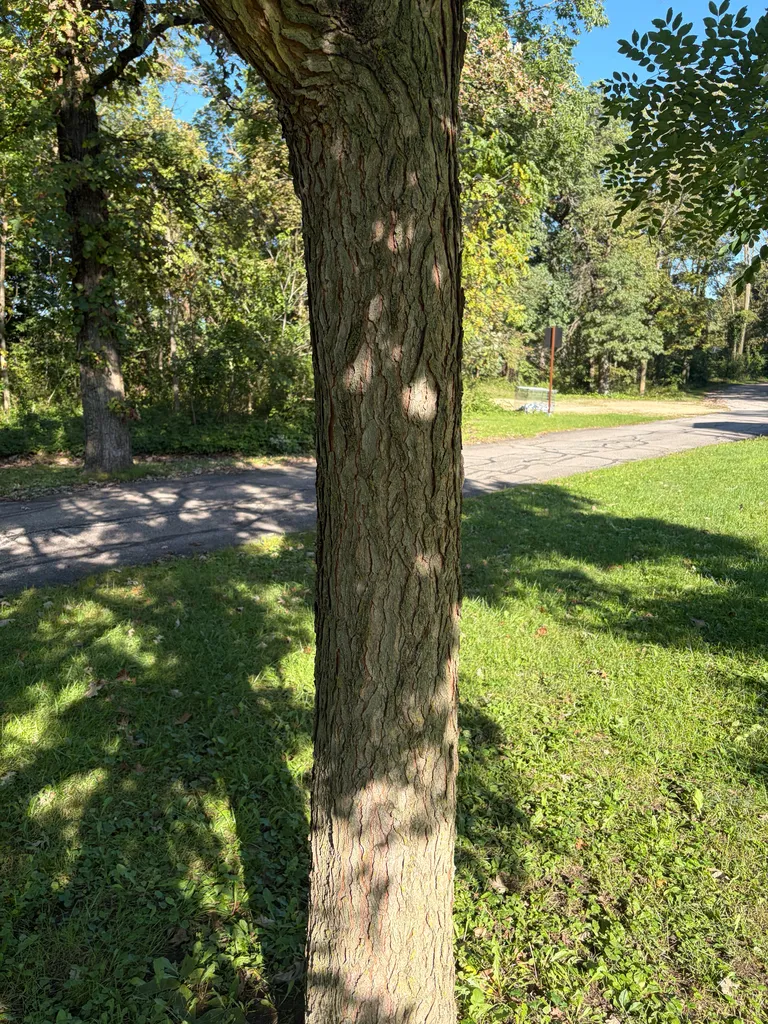
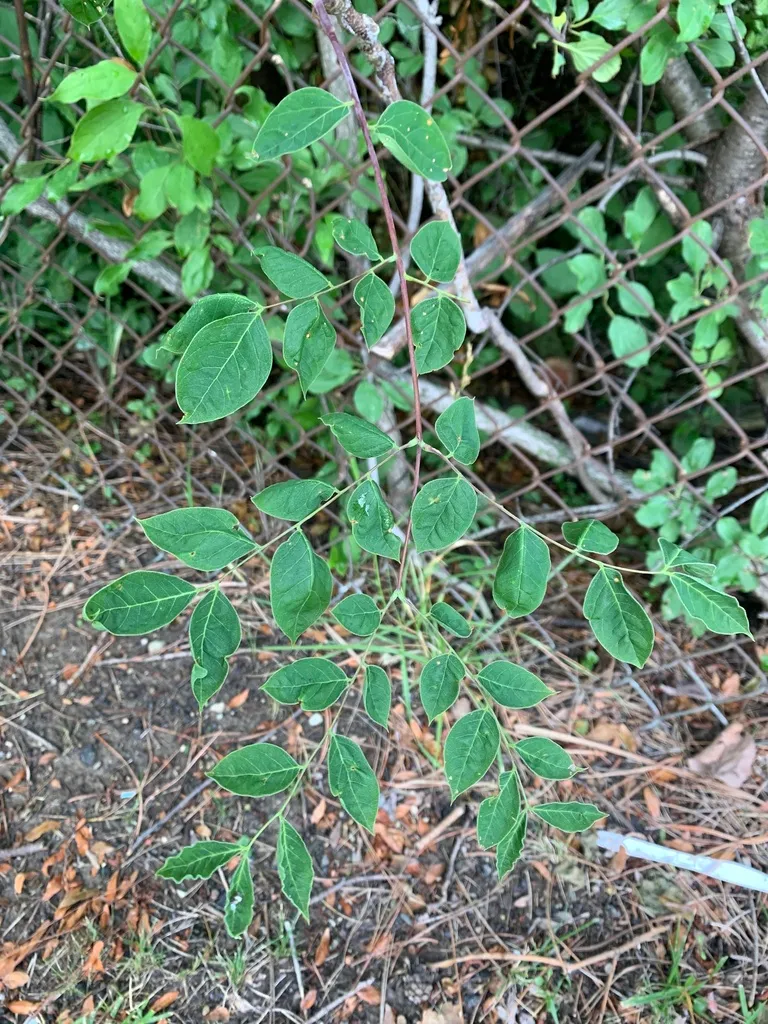
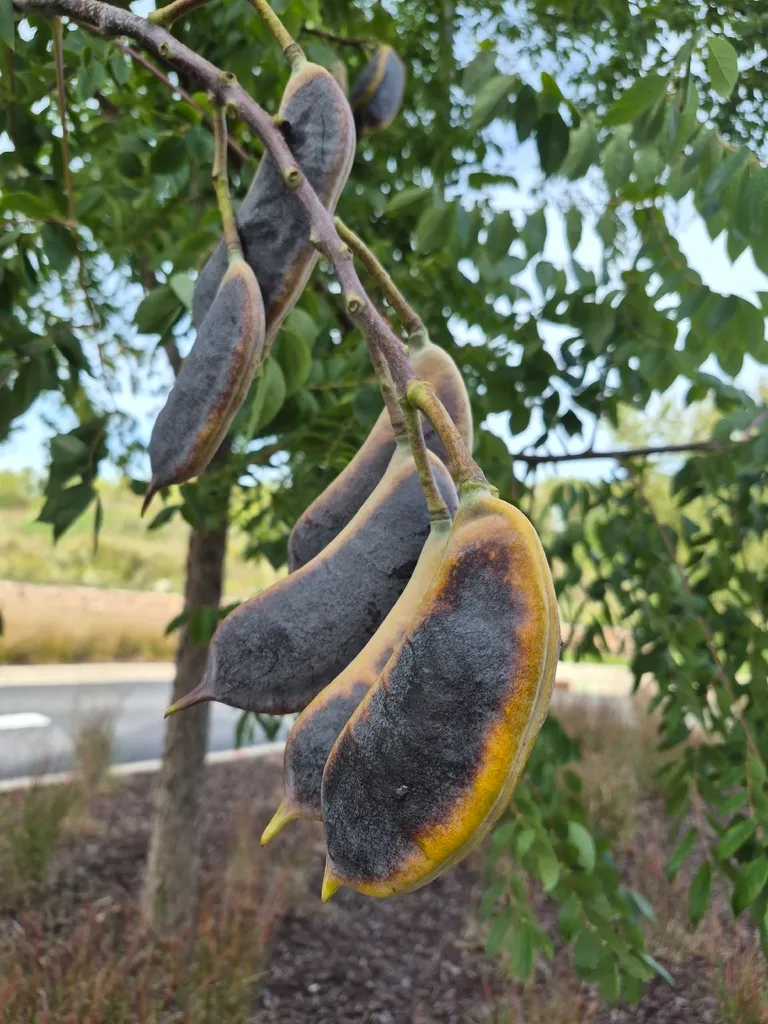
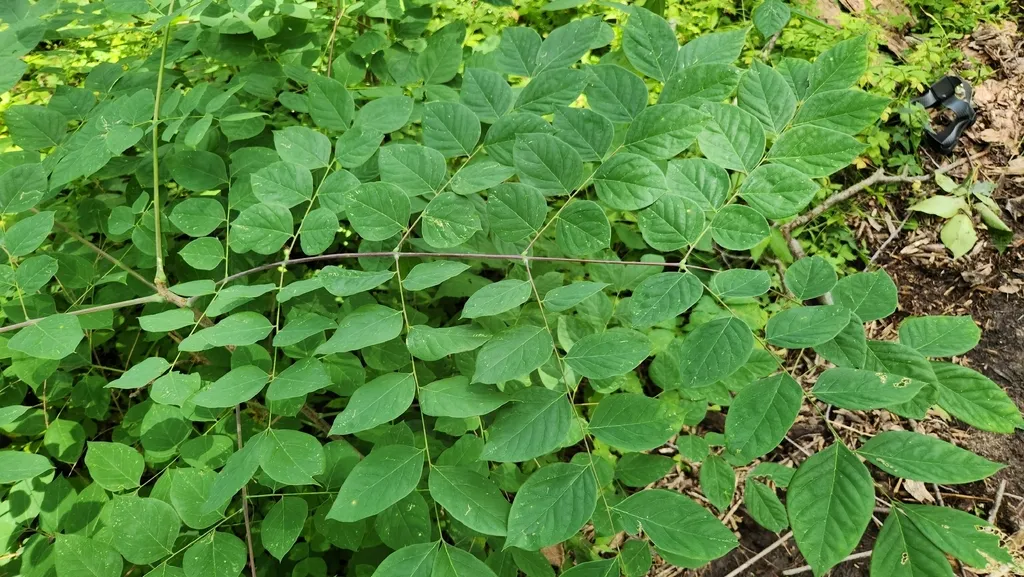
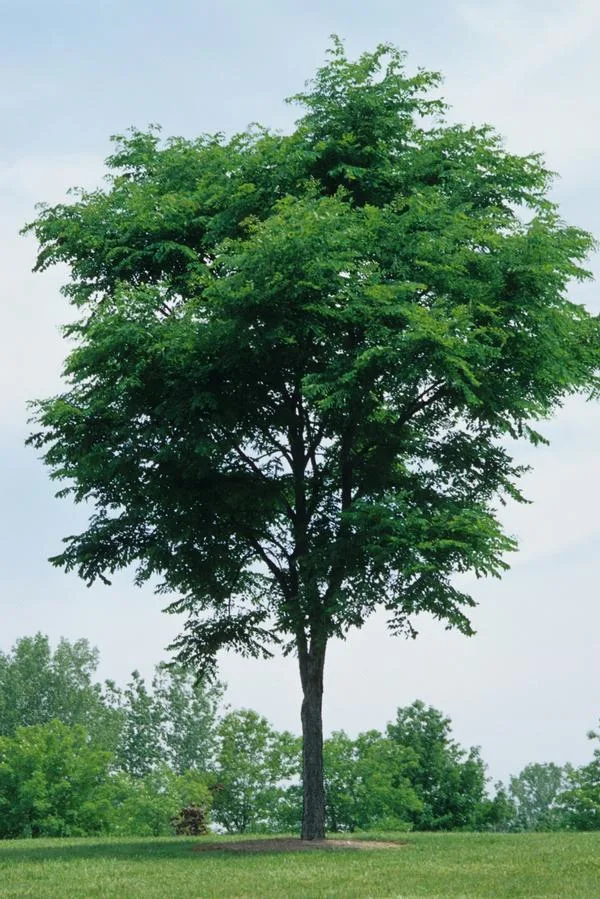
Distribution of Kentucky coffee tree
Distribution map
C and Eastern Northern America
Information to be completed
Culture
Information to be completed
Toxicity
Harmful if eaten. Wear gloves and other protective equipment when handling
Quick identification of Kentucky coffee tree
Information to be completed
Kentucky coffee tree care guide
- Deep watering in dry spells, established trees withstand short drought
- Watering
- Full sun
- Sunlight
- Information to be completed
- Ideal temperature

Watering
Deep watering in dry spells, established trees withstand short drought
Fertilizing
 Fertilizing
Slow-release tree nutrition one application every early spring yearly
Pruning
 Pruning
Little pruning is needed. Remove diseased, damaged, crowded or crossing shoots and unwanted growth. Timing depends on the plant: generally late winter or early spring; plants prone to bleeding and deciduous magnolias need different timing, and deciduous azaleas and lilacs are pruned after flowering.
Propagation
 Propagation
Propagate by seed sown in autumn, or take root cuttings in winter
Growing
 Growing
Best grown as a specimen tree in deep, fertile, moist but wel-drained soil in full sun
People also ask
Information to be completed
Common pests and diseases
Diseases
Generally disease-free
Pests
Generally pest-free
Explore the plant health library →




