
Fraxinus lanuginosa
Also known as: Information to be completed
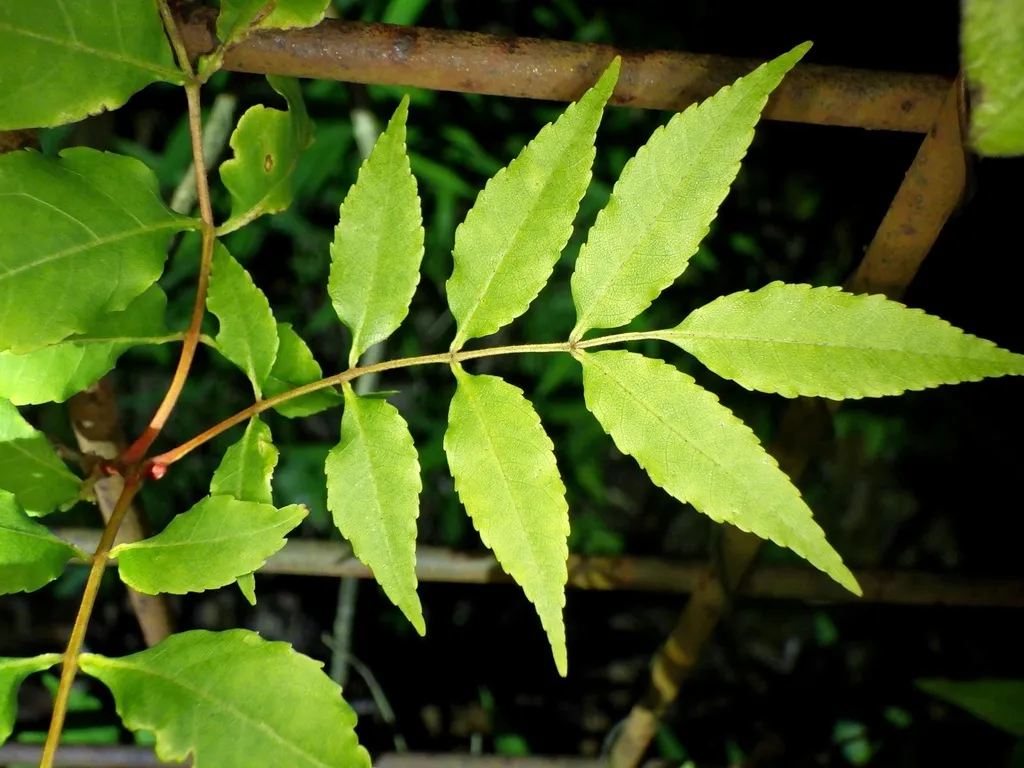
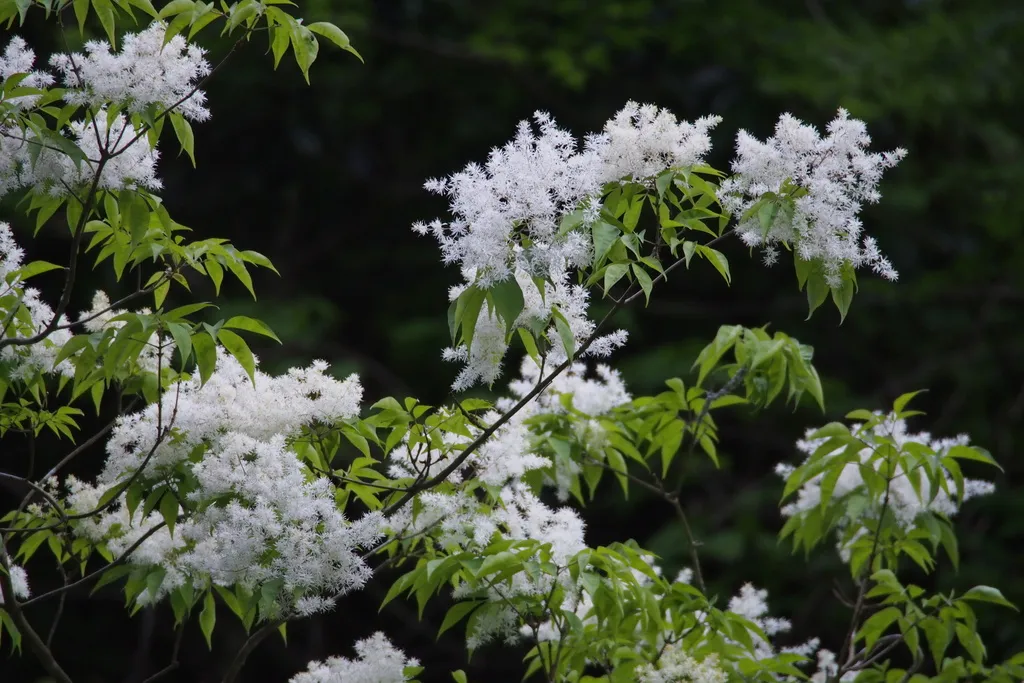
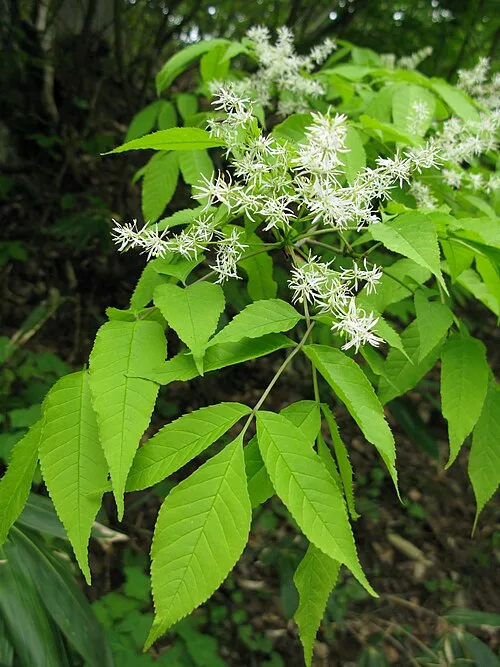
Large, deciduous, rounded tree about 15m tall, with dark green leaves to 15cm long with up to 7 leaflets, turning yellow then purple in autumn. Creamy-white flowers are produced in panicles, late spring, followed by reddish-brown winged fruits. Conspicuous winter buds are pale pink or greyish-brown with short hairs
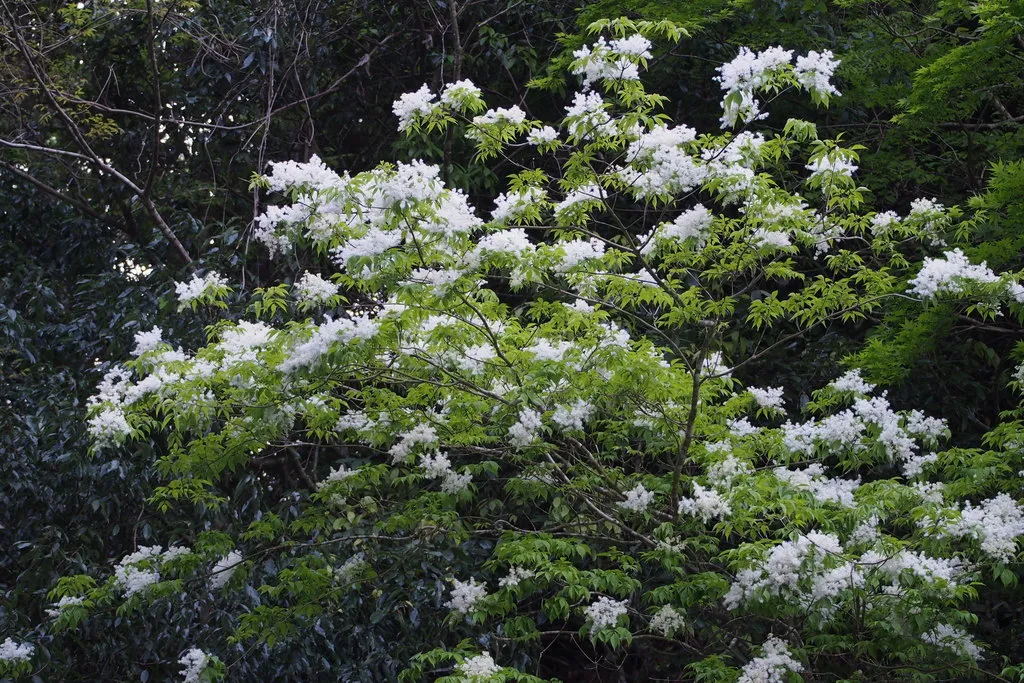
Scientific classification
- Species
- Fraxinus lanuginosa (Fraxinus lanuginosa)
- Genus
- Fraxinus
- Family
- Oleaceae
- Order
- Lamiales
- Class
- Magnoliopsida
- Phylum
- Tracheophyta
- Information to be completed
- Toxicity
- Trees
- Plant type
- Higher than 12 metres
- Height
- wider than 8 metres
- Spread
- Deciduous
- Foliage
- Information to be completed
- Habit
- Autumn · Spring · Summer
- Season of interest
- Full sun
- Sunlight
- Information to be completed
- Ideal temperature









Fraxinus lanuginosa pictures
Distribution of Fraxinus lanuginosa
Distribution map
- Native
- Introduced
- Cultivated
Source:WCVP v16 · Royal Botanic Gardens, Kew · CC BY 3.0 · Boundaries:WGSRPD / TDWG
Fraxinus lanuginosa care guide
- Deep periodic watering, well-drained soil to prevent standing water
- Watering
- Full sun
- Sunlight

Watering
Deep periodic watering, well-drained soil to prevent standing water
Fertilizing
 Fertilizing
Slow-release tree fertilizer applied once annually in early spring time
Pruning
 Pruning
Little pruning is needed. Remove diseased, damaged, crowded or crossing shoots and unwanted growth. Timing depends on the plant: generally late winter or early spring; plants prone to bleeding and deciduous magnolias need different timing, and deciduous azaleas and lilacs are pruned after flowering.
Propagation
 Propagation
Propagate by seed or grafting
Growing
 Growing
Excellent for woodland and coastal gardens where there is moist but well-drained alkaline or neutral soil and full sun. See tree cultivation
Common pests and diseases
Diseases
Ash dieback has recently been found in the UK. Restrictions have been put in place (from 29 October 2012) regarding both the importation of ash from abroad and the movement of ash within the UK. May also be susceptible to honey fungus
Pests
Generally pest-free
Explore the plant health library →




