
Californian tree poppy
Also known as: bush poppy; Californian poppy; canyon poppy; dream of the desert; giant white Californian poppy; Matilija poppy
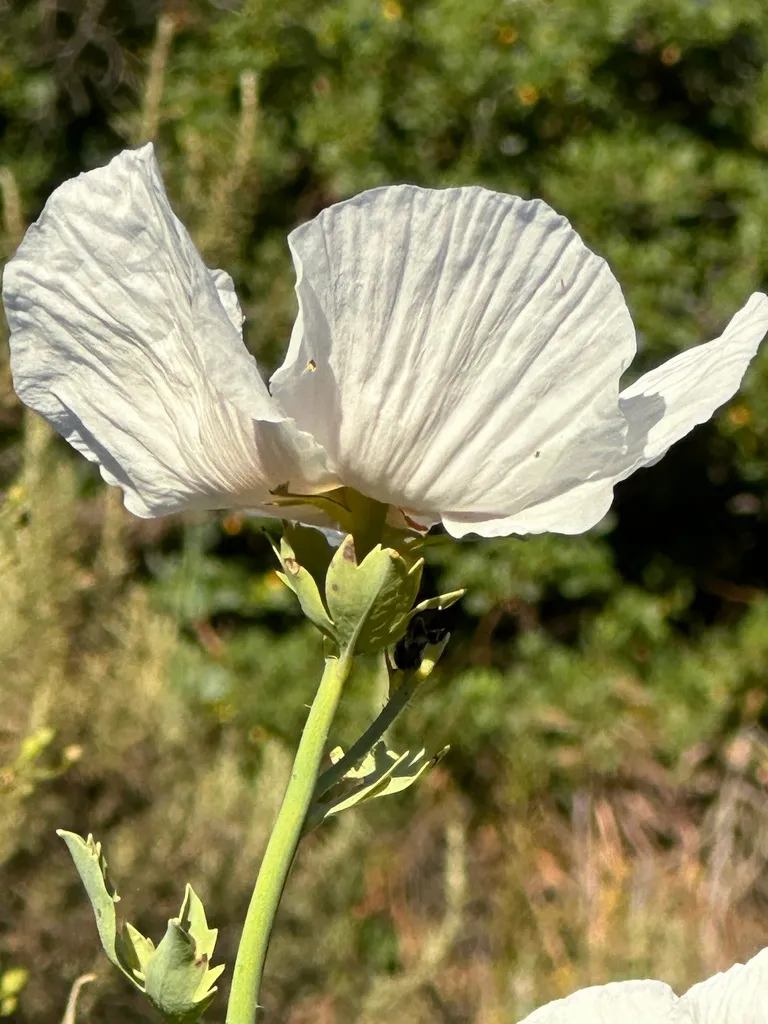
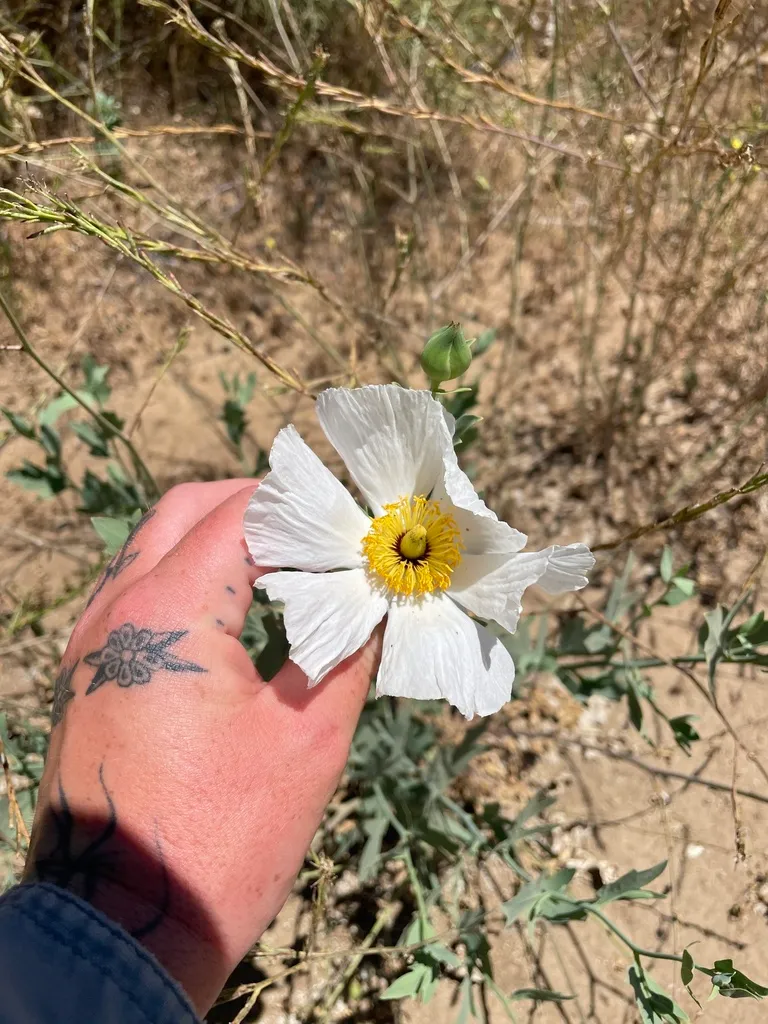
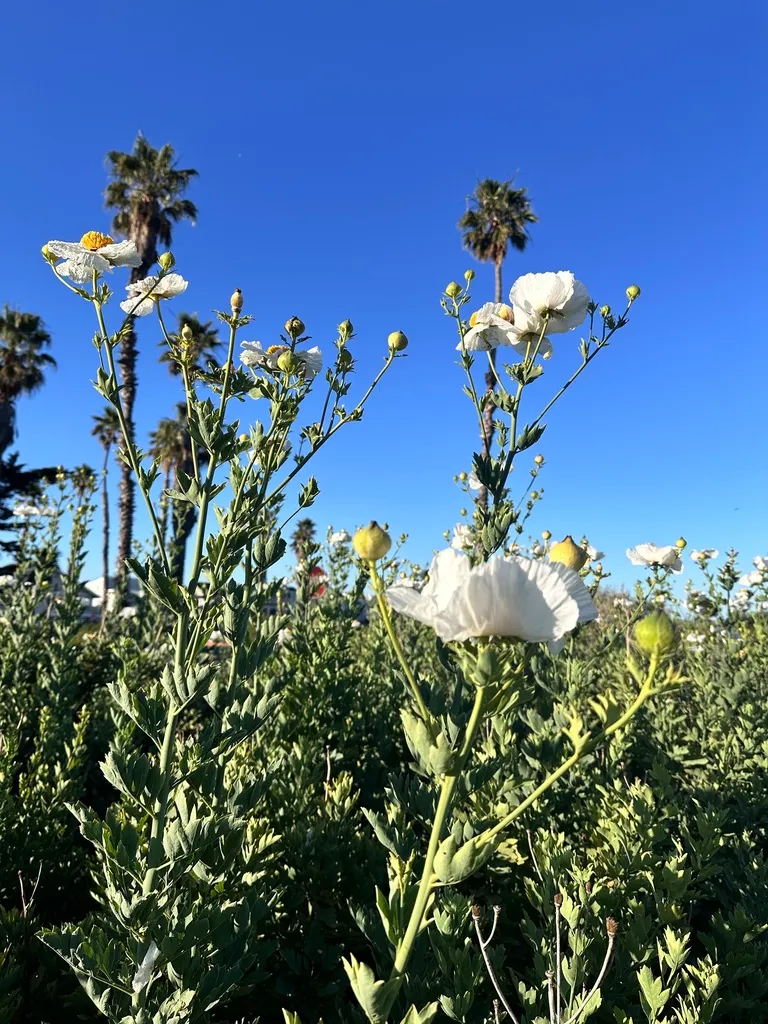
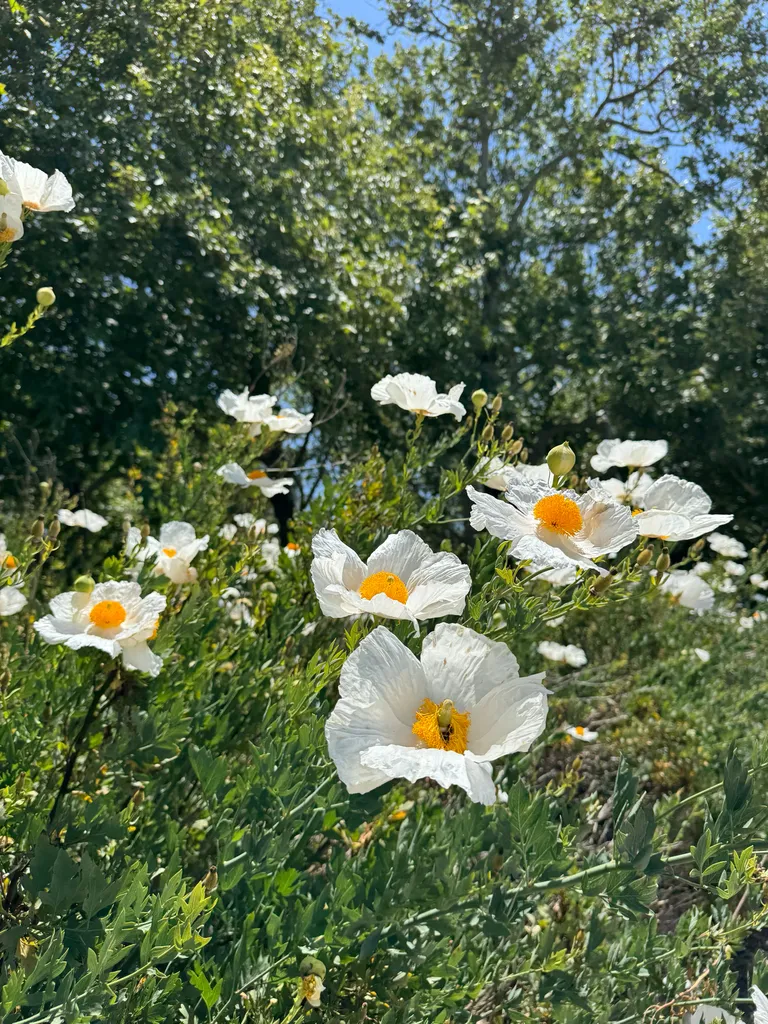
R. coulteri is a vigorous, suckering herbaceous perennial to 2m in height, with divided, grey-green leaves and poppy-like flowers 15cm in width, with crinkled, pure white petals and a boss of deep yellow stamens
Scientific classification
- Species
- Californian tree poppy (Romneya coulteri)
- Genus
- Romneya
- Family
- Papaveraceae
- Order
- Ranunculales
- Class
- Magnoliopsida
- Phylum
- Magnoliophyta
- Information to be completed
- Toxicity
- Herbaceous Perennial
- Plant type
- 1.5-2.5 metres
- Height
- 1-1.5 metres
- Spread
- Deciduous
- Foliage
- Suckering
- Habit
- Spring · Summer · Autumn
- Season of interest
- Full sun
- Sunlight
- Information to be completed
- Ideal temperature









Californian tree poppy pictures
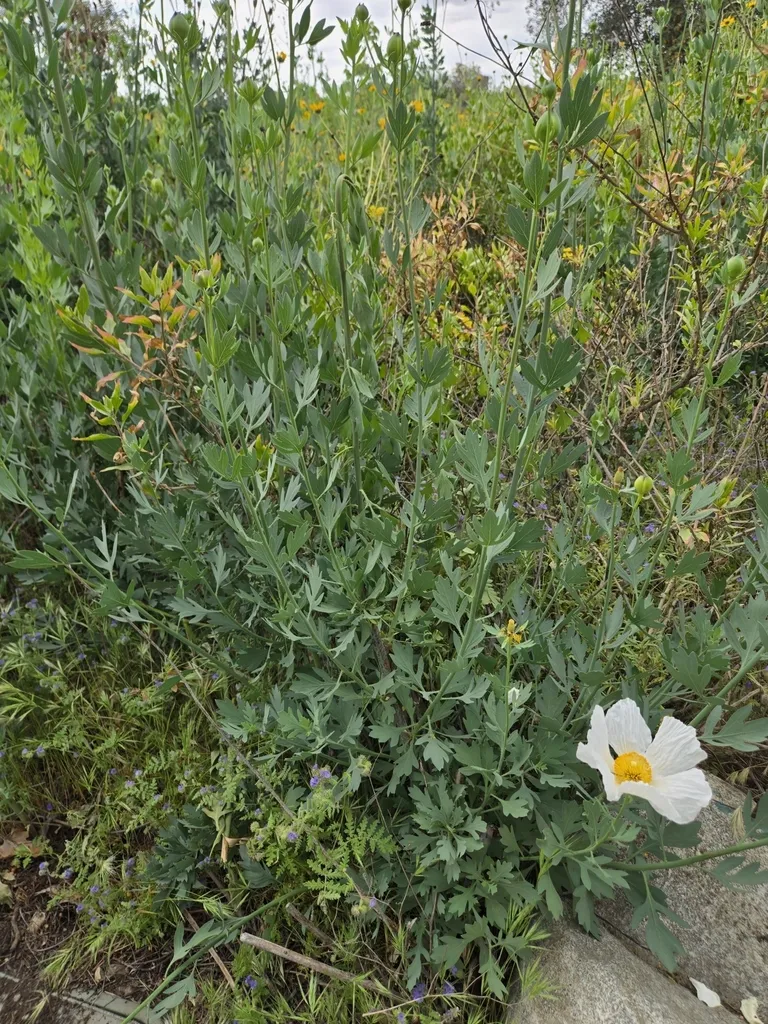
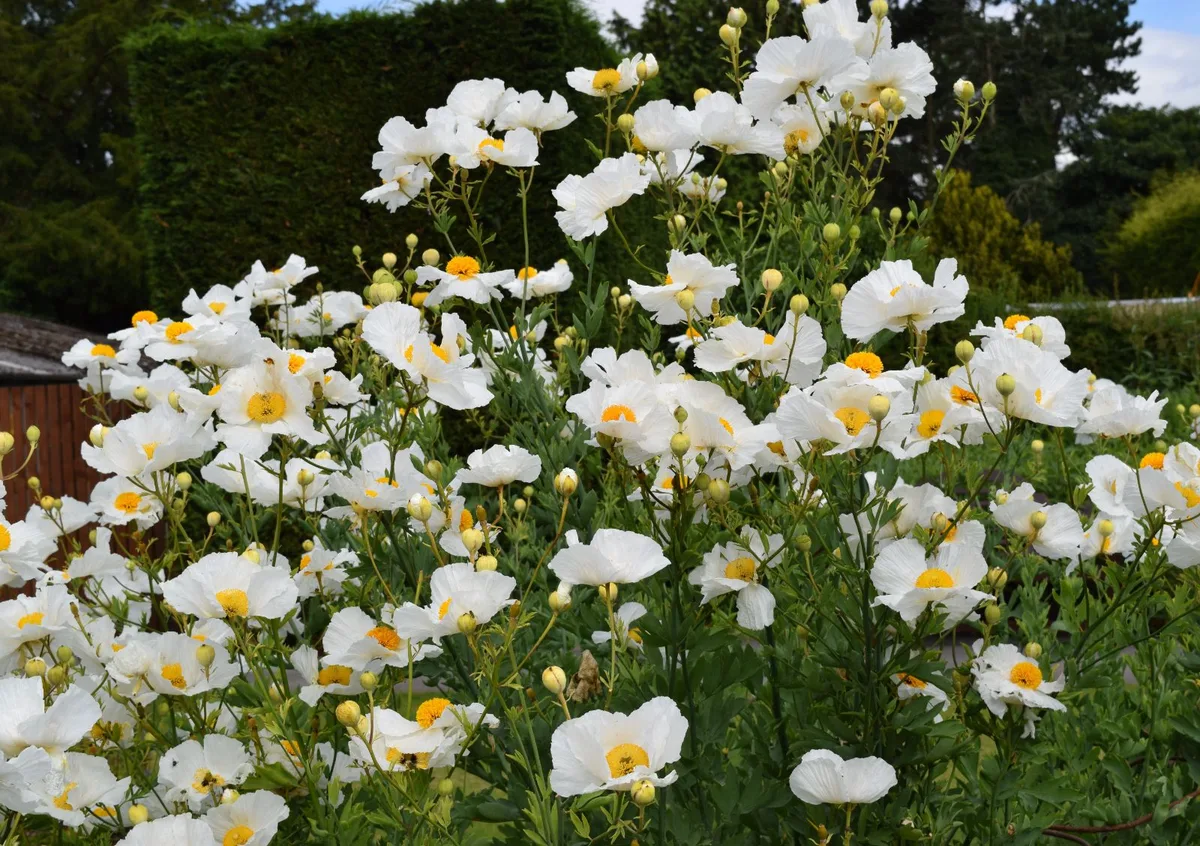
Distribution of Californian tree poppy
Distribution map
- Native
- Introduced
- Cultivated
Source:WCVP v16 · Royal Botanic Gardens, Kew · CC BY 3.0 · Boundaries:WGSRPD / TDWG
Californian tree poppy care guide
- Moderate regular watering, avoid prolonged drought or waterlogging
- Watering
- Full sun
- Sunlight

Watering
Moderate regular watering, avoid prolonged drought or waterlogging
Fertilizing
 Fertilizing
Balanced feed in spring and light repeat in growth season
Pruning
 Pruning
Shorten last year's flowering stems to one or two buds from the older woody framework. Remove thin, weak and dead shoots. Prune in early to mid-spring as growth resumes; avoid winter pruning that exposes new shoots to frost.
Propagation
 Propagation
Propagate by basal cuttings in spring, root cuttings in winter or propagate by seed sown in spring at 13°C to 16°C
Growing
 Growing
Grow against a warm, sunny wall protected from cold winds. Mulch deeply prior to winter. They dislike transplanting but once established it can spread, so site with care
Common pests and diseases
Diseases
Powdery mildews may be a problem
Pests
Caterpillars may be a problem
Explore the plant health library →




