
Texas rainbow cactus
Also known as: Texas rainbow hedgehog; yellow pitaya
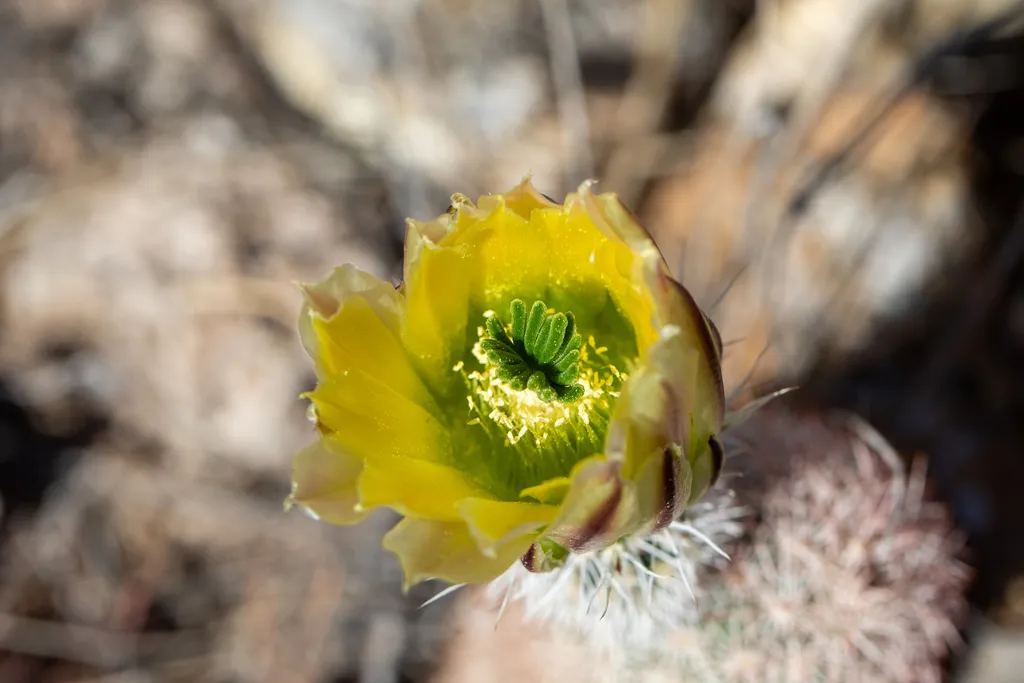
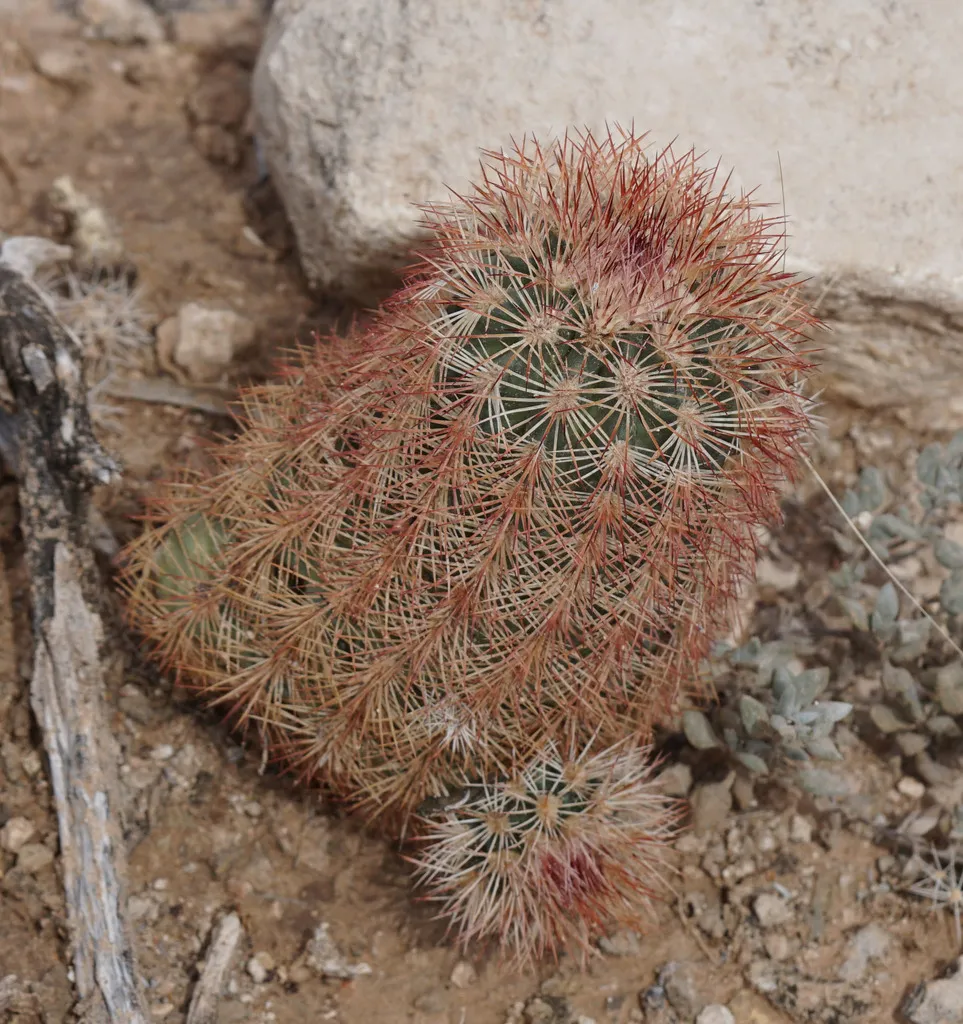
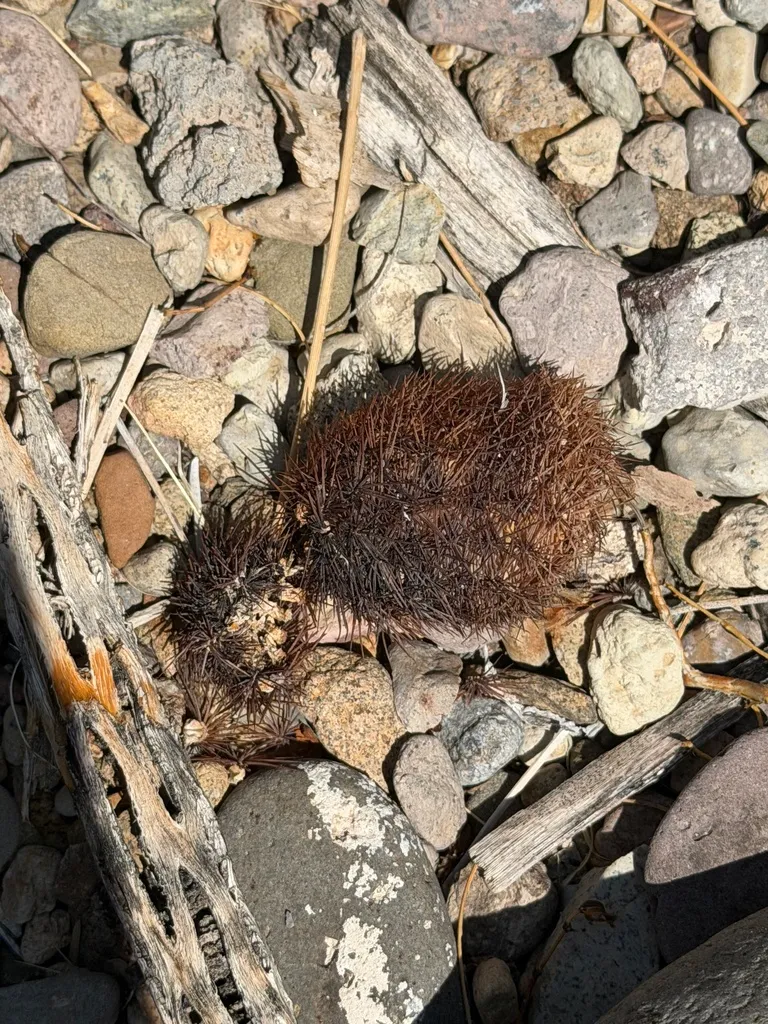
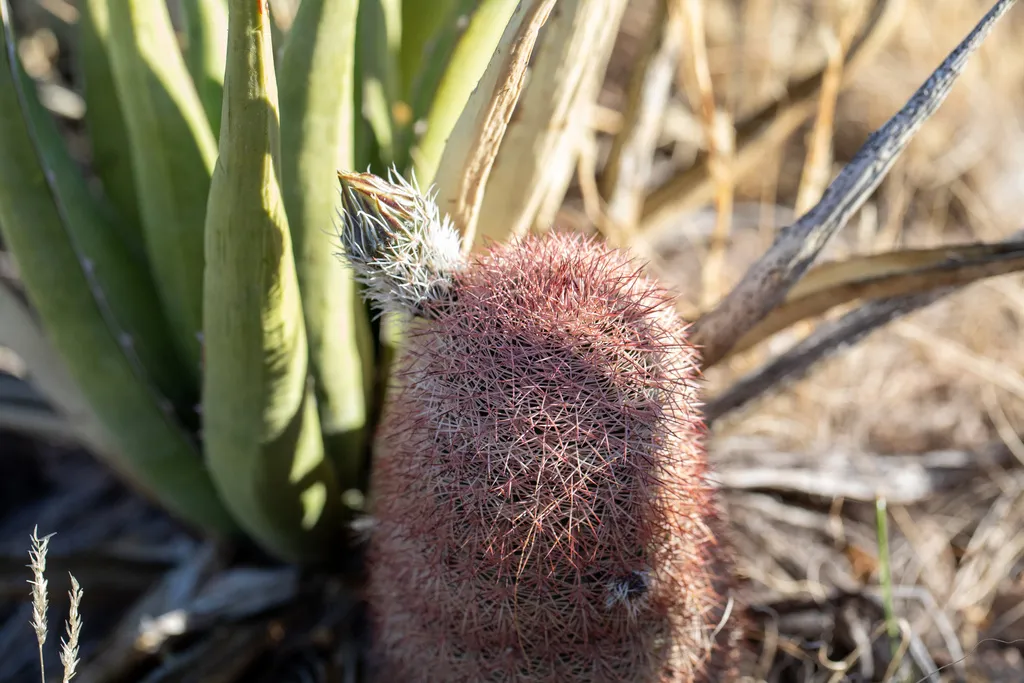
Echinocereus dasyacanthus normally have one single spiny stem, but it is not uncommon for some plants to have between 3 and 10 stems. These can vary in colour from light brown to pink or, less commonly, ash white to reddish brown. Large, scented yellow flowers of around 8-12cm in length appear from March to May.
Scientific classification
- Species
- Texas rainbow cactus (Echinocereus dasyacanthus)
- Genus
- Echinocereus
- Family
- Cactaceae
- Order
- Caryophyllales
- Class
- Magnoliopsida
- Phylum
- Magnoliophyta
- Information to be completed
- Toxicity
- Cactus Succulent
- Plant type
- 0.1-0.5 metres
- Height
- 0-0.1 metre
- Spread
- Evergreen
- Foliage
- Columnar upright · Clump forming
- Habit
- Autumn · Spring · Summer · Winter
- Season of interest
- Full sun
- Sunlight
- Information to be completed
- Ideal temperature









Texas rainbow cactus pictures
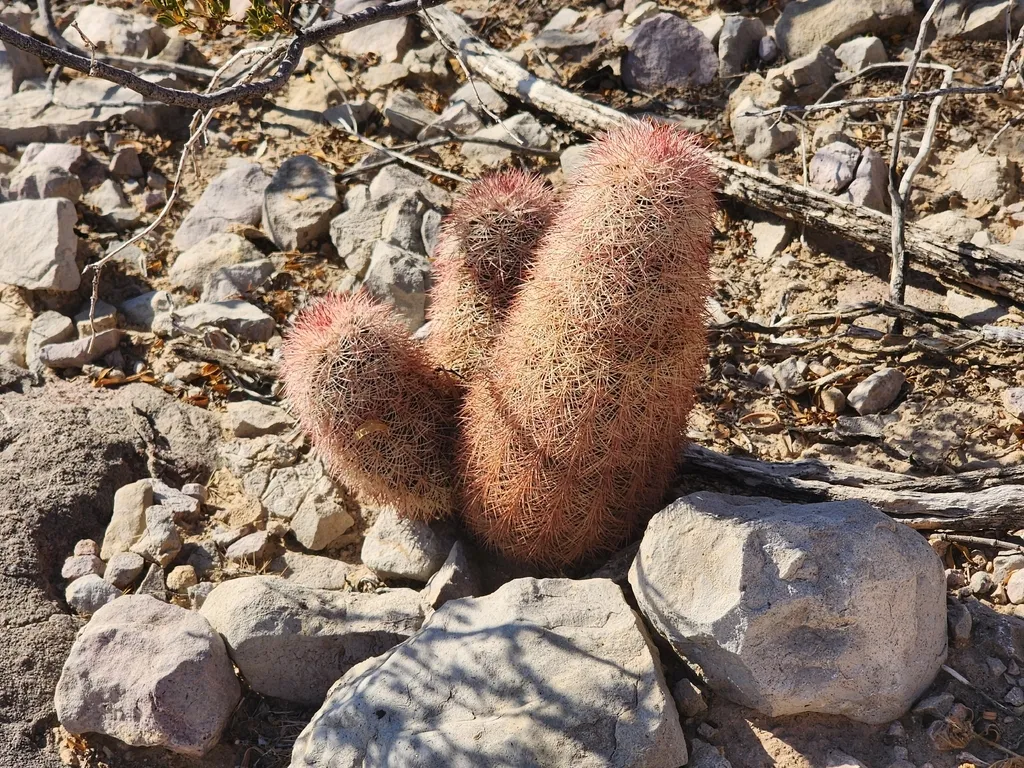
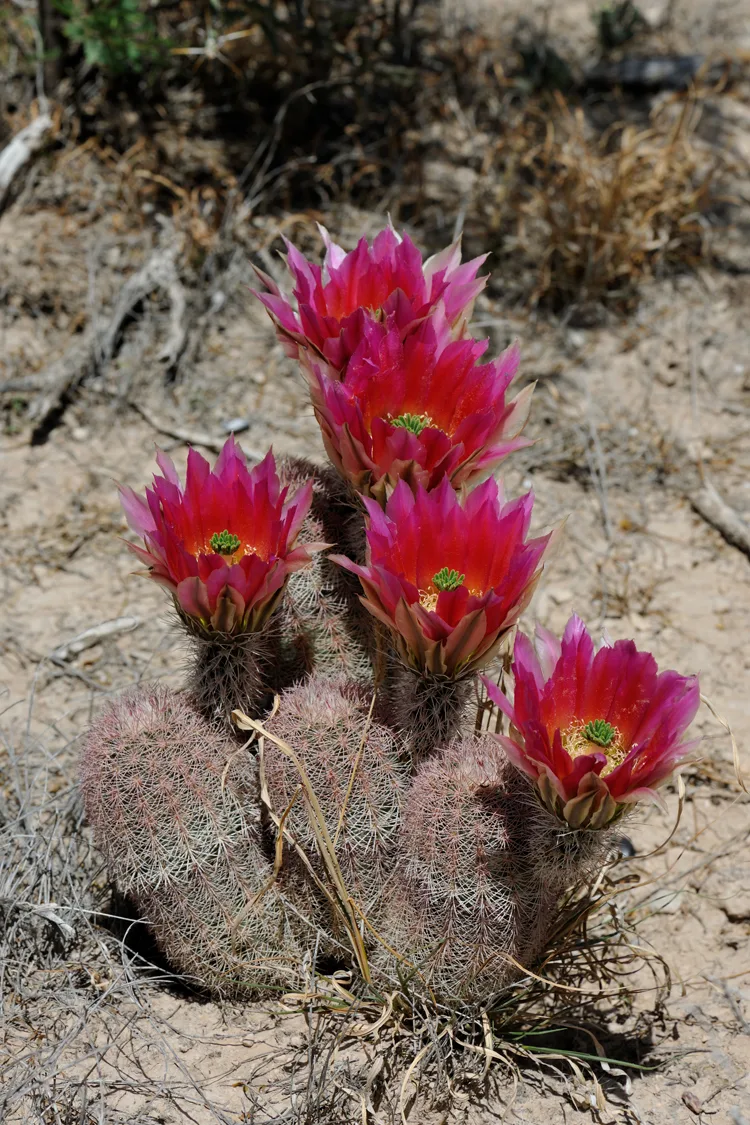
Distribution of Texas rainbow cactus
Distribution map
- Native
- Introduced
- Cultivated
Source:WCVP v16 · Royal Botanic Gardens, Kew · CC BY 3.0 · Boundaries:WGSRPD / TDWG
Texas rainbow cactus care guide
- Water sparsely, wait full soil dryness between watering
- Watering
- Full sun
- Sunlight

Watering
Water sparsely, wait full soil dryness between watering
Fertilizing
 Fertilizing
Diluted low nitrogen cactus feed monthly warm months only
Pruning
 Pruning
No pruning required
Propagation
 Propagation
Propagate by seed
Growing
 Growing
Grow under glass in a loam-based potting compost with added extra grit. Water moderately when in growth, not at all when dormant. Apply a balanced liquid fertiliser 2 or 3 times in the growing season. See houseplant cacti and succulent cultivation
Common pests and diseases
Diseases
Generally disease free
Pests
mealybugs and scale insects can be a problem
Explore the plant health library →




