
yuzu
Also known as: Information to be completed
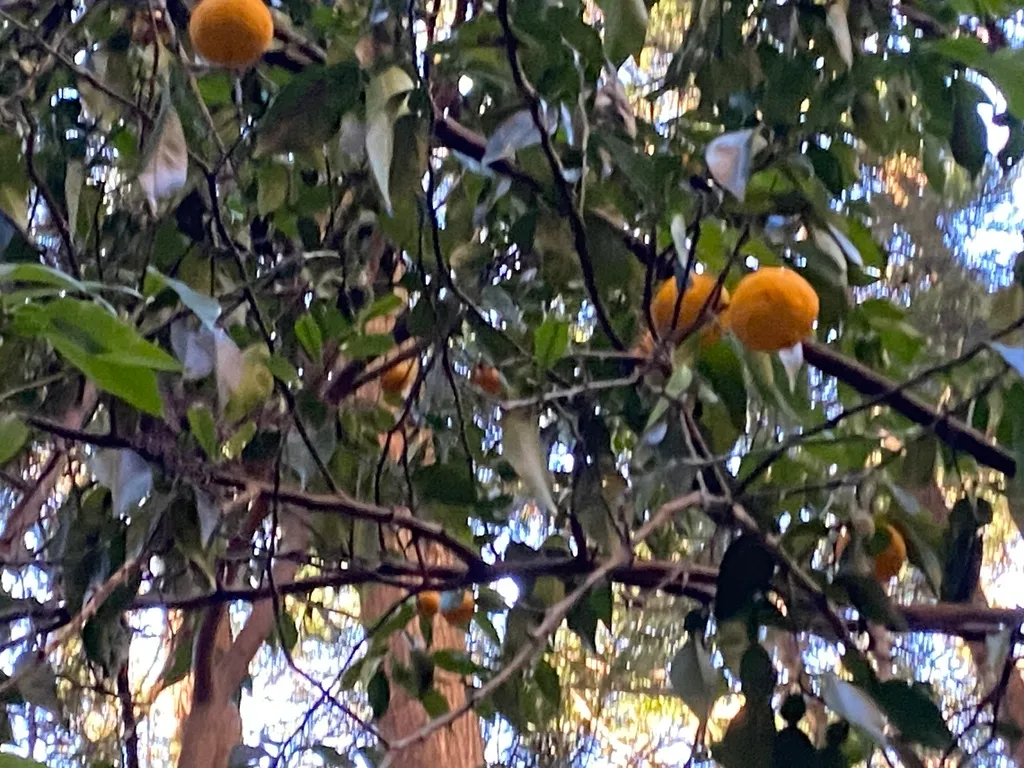
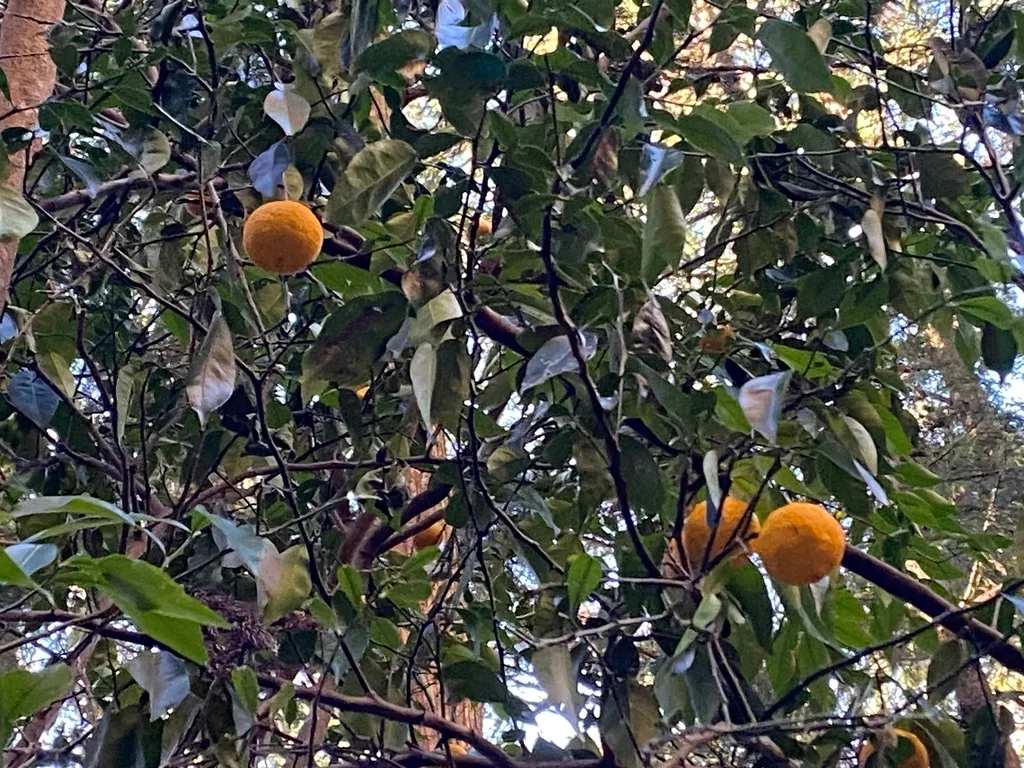
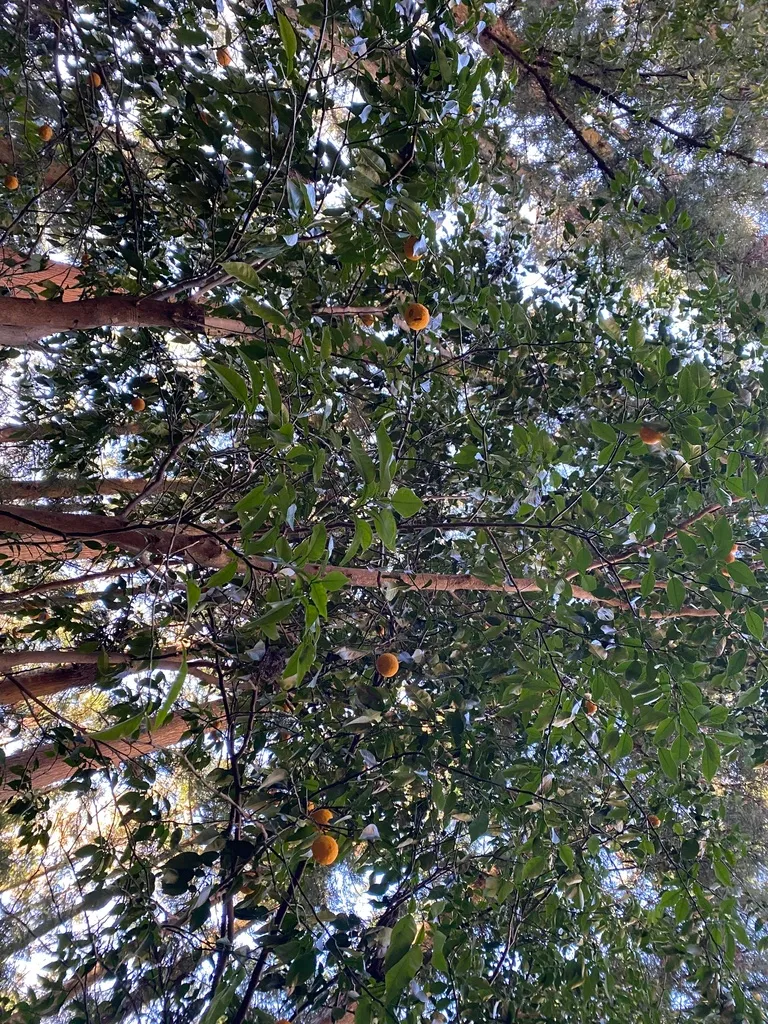
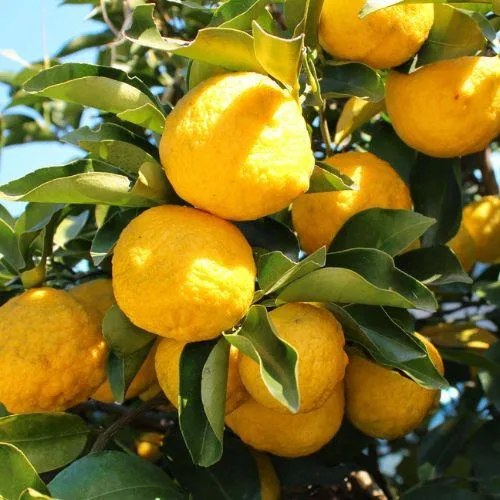
A naturally occuring citrus hybrid grown for the highly aromatic peel on its tangerine-sized fruit. It is an upright, thorny, evergreen shrub or, ultimately, a small tree. Small, white, strongly-scented flowers in spring are followed by fruit with thick, bumpy, skin starting bright green ripening through yellow to orange
Scientific classification
- Species
- yuzu (Citrus × junos)
- Genus
- Citrus
- Family
- Rutaceae
- Fruit harmful to skin with sunlight/skin allergen. Wear gloves and other protective equipment when handling
- Toxicity
- Fruit Edible · Shrubs · Trees
- Plant type
- 4-8 metres
- Height
- 2.5-4 metres
- Spread
- Evergreen
- Foliage
- Bushy
- Habit
- Spring · Summer · Autumn · Winter
- Season of interest
- Full sun
- Sunlight
- Information to be completed
- Ideal temperature









yuzu pictures
Distribution of yuzu
Distribution map
China
Information to be completed
Culture
Information to be completed
Toxicity
Fruit harmful to skin with sunlight/skin allergen. Wear gloves and other protective equipment when handling
Quick identification of yuzu
Information to be completed
yuzu care guide
- Moderate regular watering, allowing brief slight drying between soakings
- Watering
- Full sun
- Sunlight
- Information to be completed
- Ideal temperature

Watering
Moderate regular watering, allowing brief slight drying between soakings
Fertilizing
 Fertilizing
Balanced perennial feed every four weeks from spring through summer
Pruning
 Pruning
Little pruning is needed. Remove diseased, damaged, crowded or crossing shoots and unwanted growth. Timing depends on the plant: generally late winter or early spring; plants prone to bleeding and deciduous magnolias need different timing, and deciduous azaleas and lilacs are pruned after flowering.
Propagation
 Propagation
Propagate by semi-hardwood cuttings
Growing
 Growing
Needs a sunny, well-drained, sheltered position and will survive a few degrees of frost outdoors if protected for the first two or three years. Otherwise grow under glass in loam-based compost. Feed well
People also ask
Information to be completed
Common pests and diseases
Diseases
Generally disease-free
Pests
May be susceptible to citrus red spider mite and glasshouse red spider mite, soft scale and fluted scale, aphids, caterpillars and mealybugs under glass
Explore the plant health library →




