
blue nasturtium
Also known as: Information to be completed
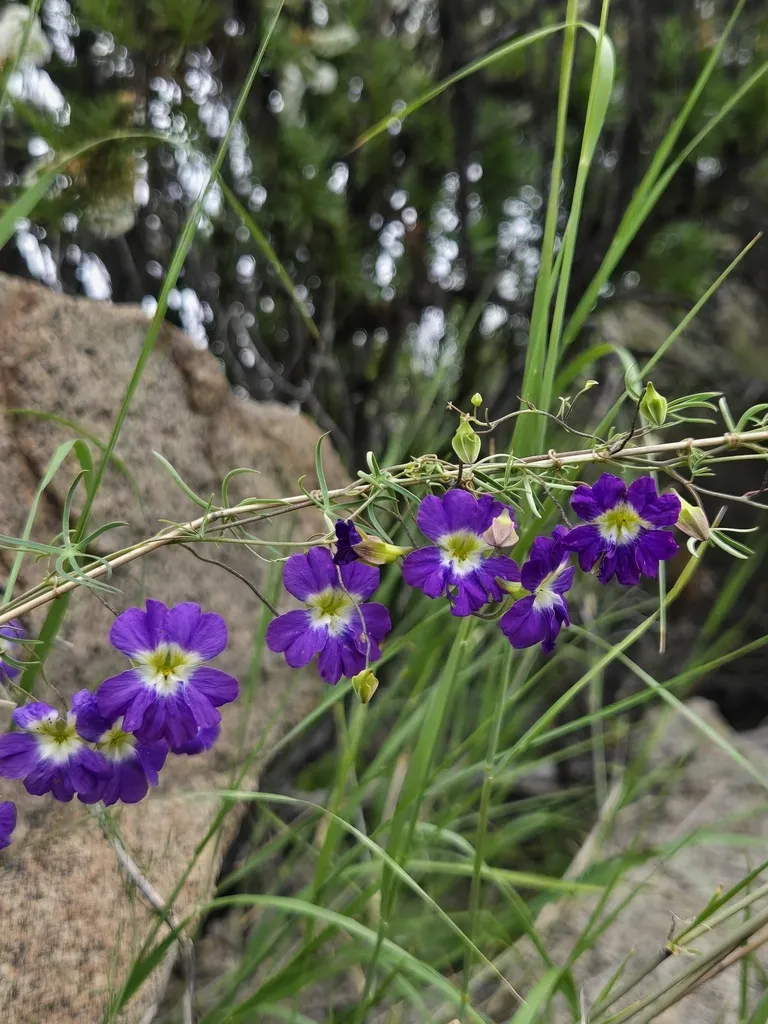
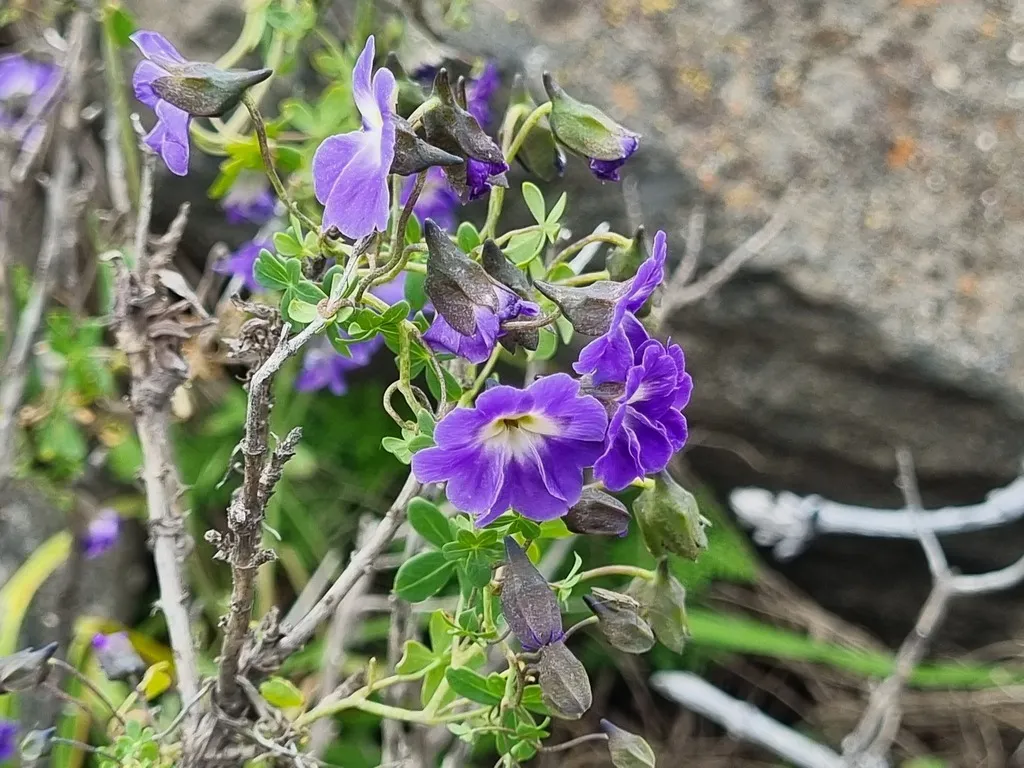
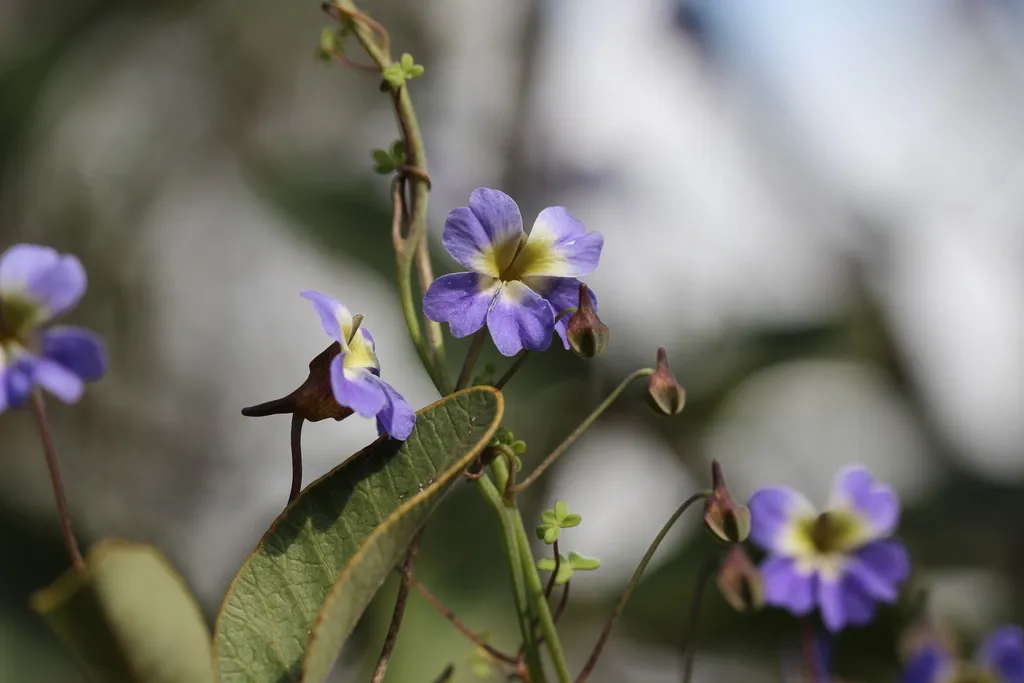
T. azureum is a summer-dormant, perennial climber to 1m in height, with small, palmate leaves and short-spurred, sky-blue flowers, with a creamy centre, produced in late spring
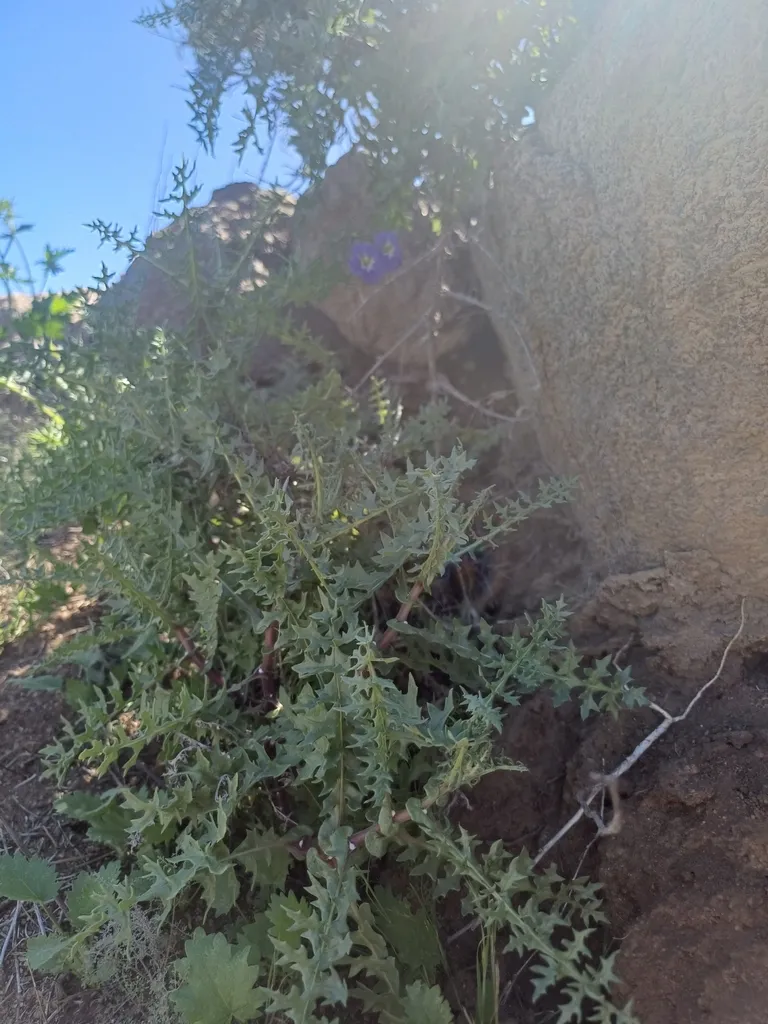
Scientific classification
- Species
- blue nasturtium (Tropaeolum azureum)
- Genus
- Tropaeolum
- Family
- Tropaeolaceae
- Order
- Brassicales
- Class
- Magnoliopsida
- Phylum
- Magnoliophyta
- Skin allergen. Wear gloves and other protective equipment when handling
- Toxicity
- Climber Wall Shrub · Conservatory Greenhouse
- Plant type
- 0.5-1 metres
- Height
- 0.1-0.5 metres
- Spread
- Deciduous
- Foliage
- Climbing
- Habit
- Spring · Autumn · Winter
- Season of interest
- Full sun · Partial shade
- Sunlight
- Information to be completed
- Ideal temperature









blue nasturtium pictures
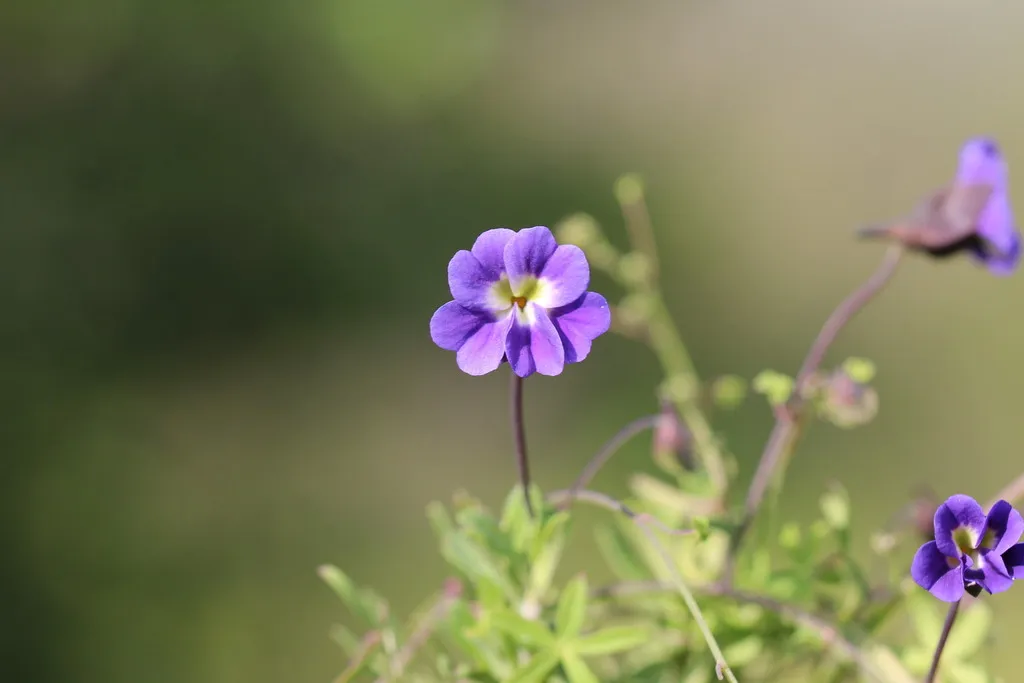
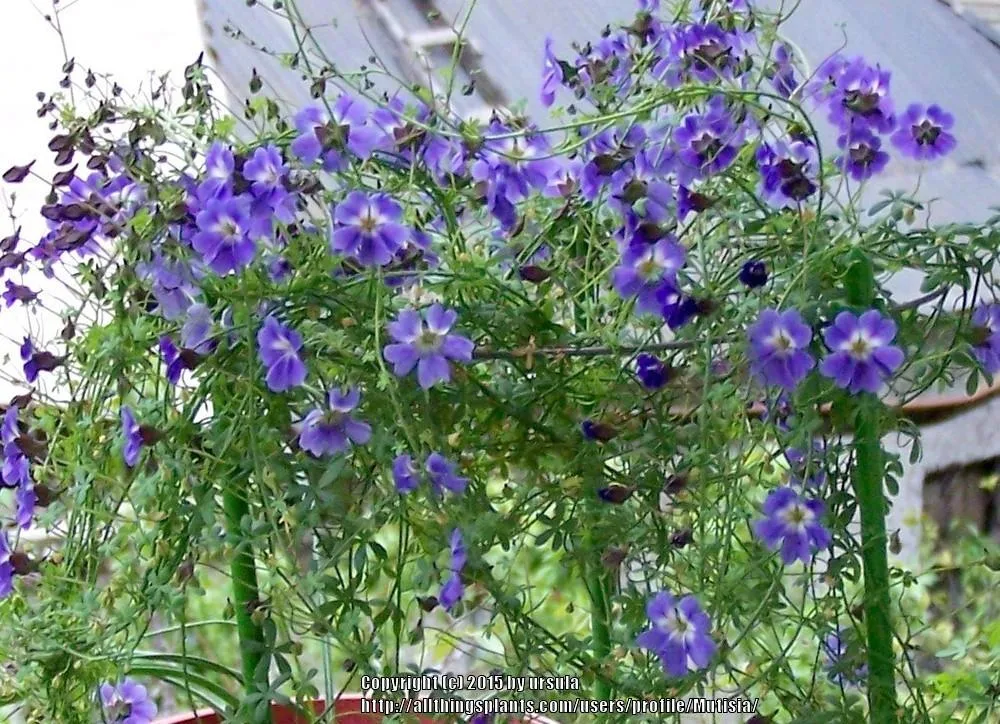
Distribution of blue nasturtium
Distribution map
- Native
- Introduced
- Cultivated
Source:WCVP v16 · Royal Botanic Gardens, Kew · CC BY 3.0 · Boundaries:WGSRPD / TDWG
Toxicity
Skin allergen. Wear gloves and other protective equipment when handling
blue nasturtium care guide
- Water thoroughly then let soil dry halfway before rewatering
- Watering
- Full sun · Partial shade
- Sunlight

Watering
Water thoroughly then let soil dry halfway before rewatering
Fertilizing
 Fertilizing
Low-concentration climbing flower feed monthly warm seasons
Pruning
 Pruning
No pruning needed
Propagation
 Propagation
Propagate by seed or division
Growing
 Growing
Needs winter protection except in very mild areas. Grow under glass in a deep container of loam-based potting compost with added fine grit, starting into growth in autumn and allowing to go dormant after flowering. Requires good light, but with shade from hot sunshine
Common pests and diseases
Diseases
Generally disease-free
Pests
Generally pest-free
Explore the plant health library →




