
Pimelea tomentosa
Also known as: Information to be completed
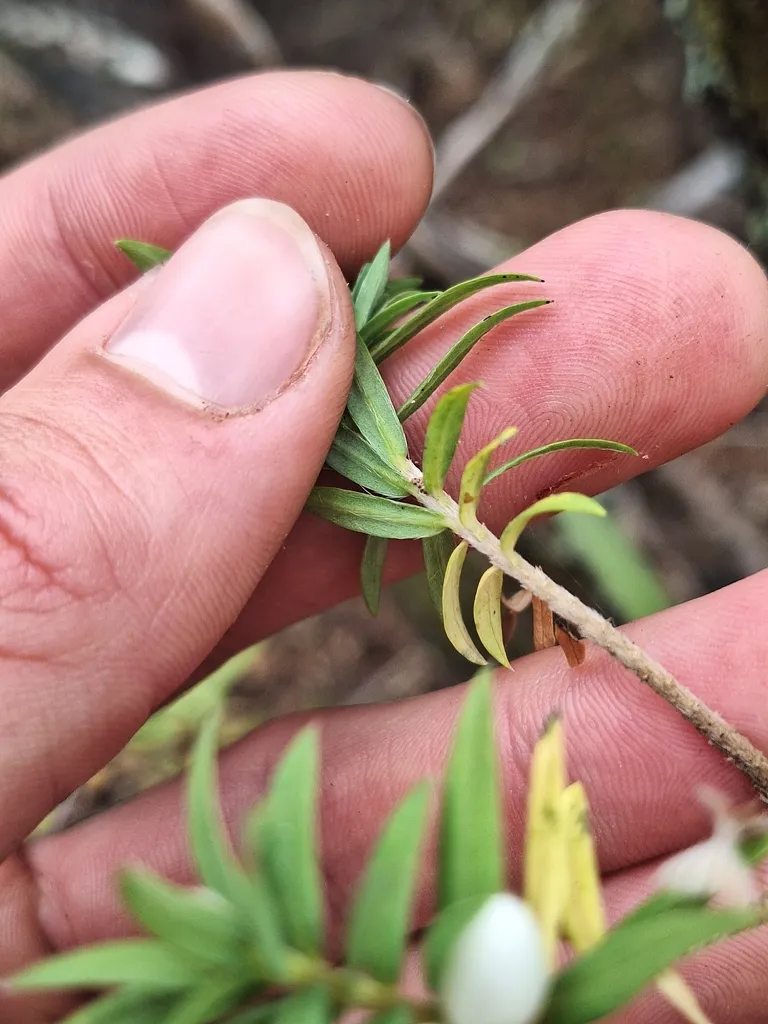
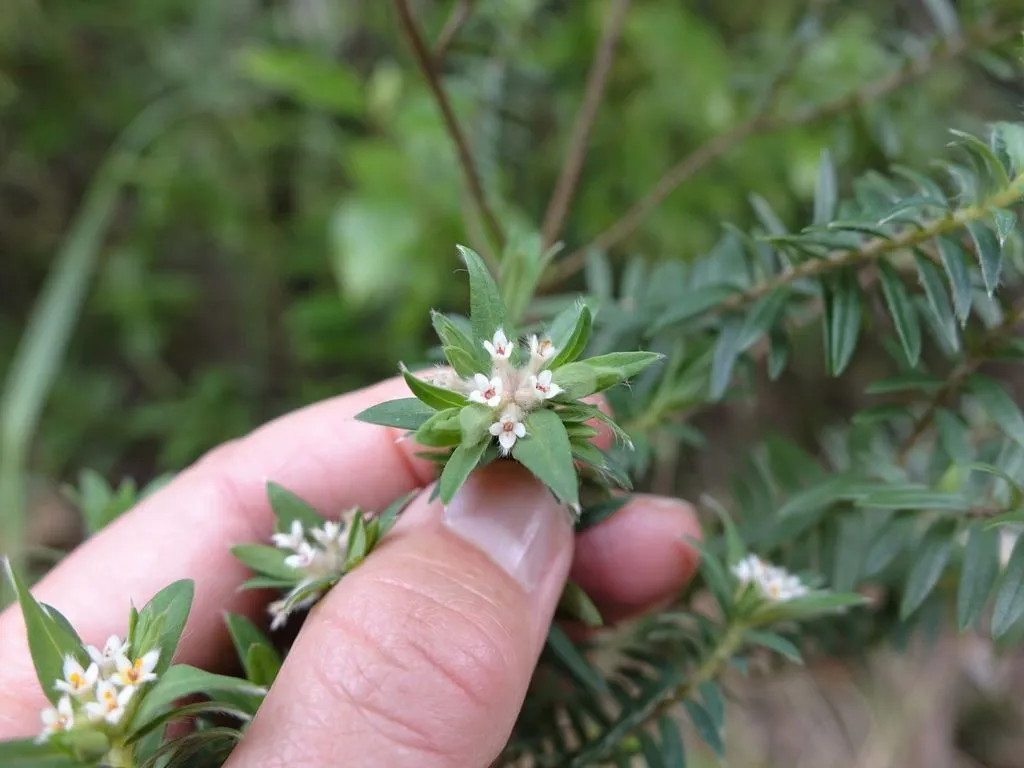
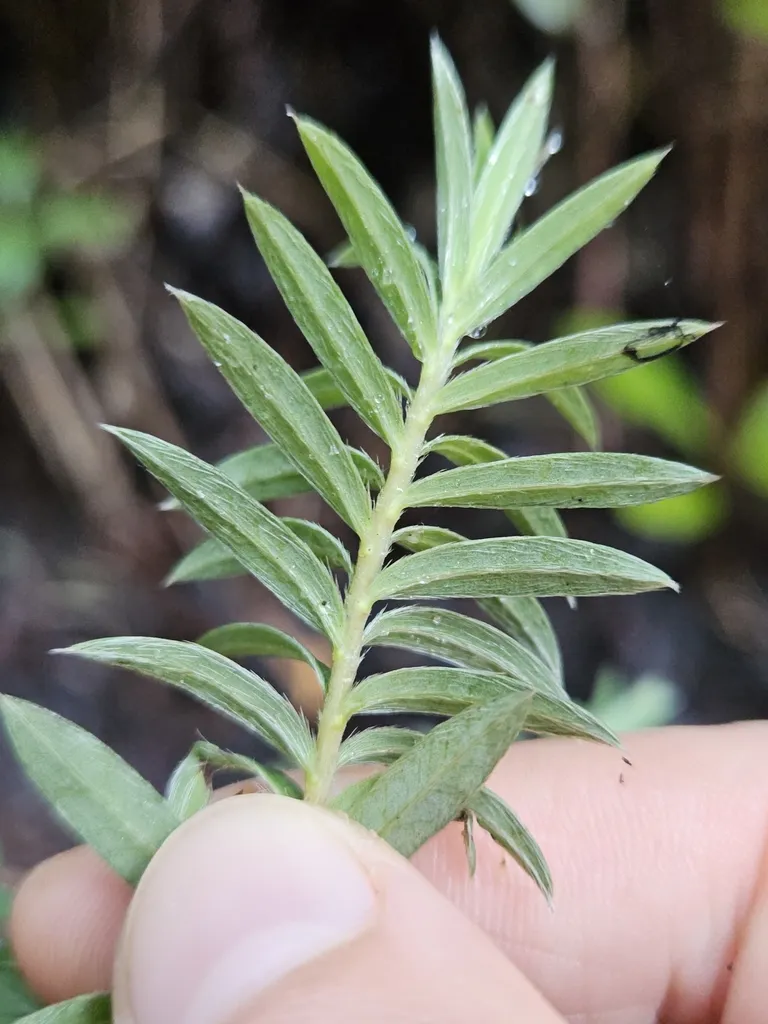
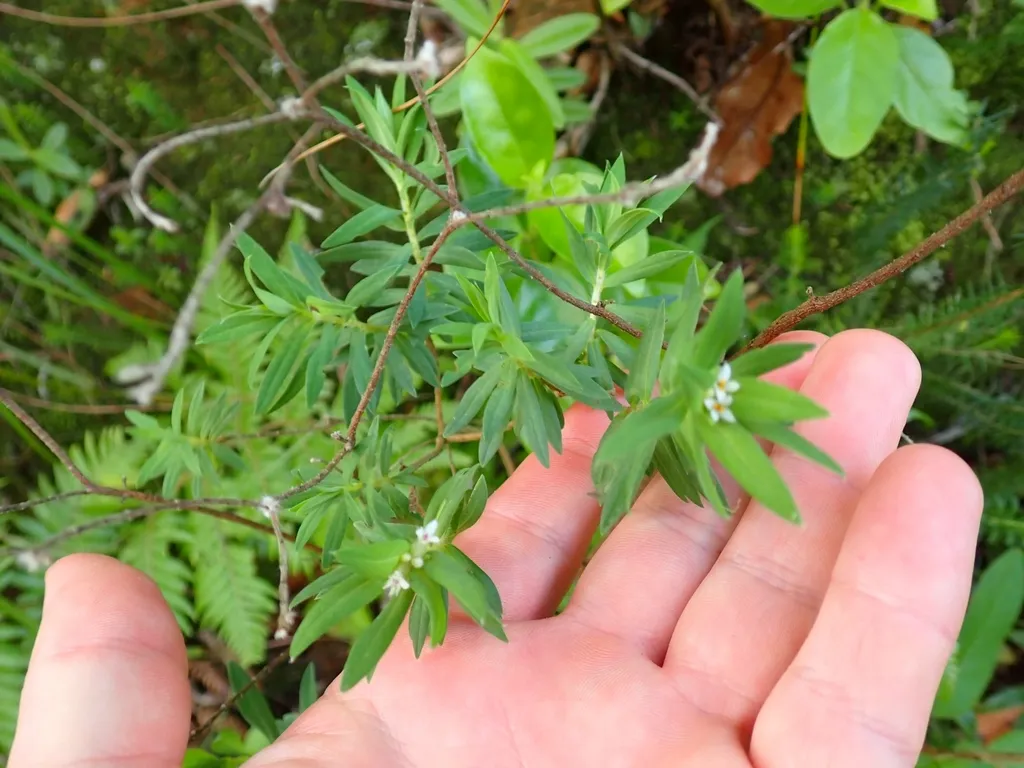
A half-hardy evergreen shrub to around 1m high, with upright stems bearing narrow, grey-green leaves that are softly hairy underneath. New shoots are covered with fine whitish hairs. Dense clusters of small white flowers are produced in spring, followed by white, pink or black berries
Scientific classification
- Species
- Pimelea tomentosa (Pimelea tomentosa)
- Genus
- Pimelea
- Family
- Thymelaeaceae
- Order
- Malvales
- Class
- Magnoliopsida
- Phylum
- Magnoliophyta
- Information to be completed
- Toxicity
- Shrubs
- Plant type
- 0.5-1 metres
- Height
- 0.1-0.5 metres
- Spread
- Evergreen
- Foliage
- Columnar upright
- Habit
- Spring · Summer · Autumn · Winter
- Season of interest
- Full sun
- Sunlight
- Information to be completed
- Ideal temperature









Pimelea tomentosa pictures
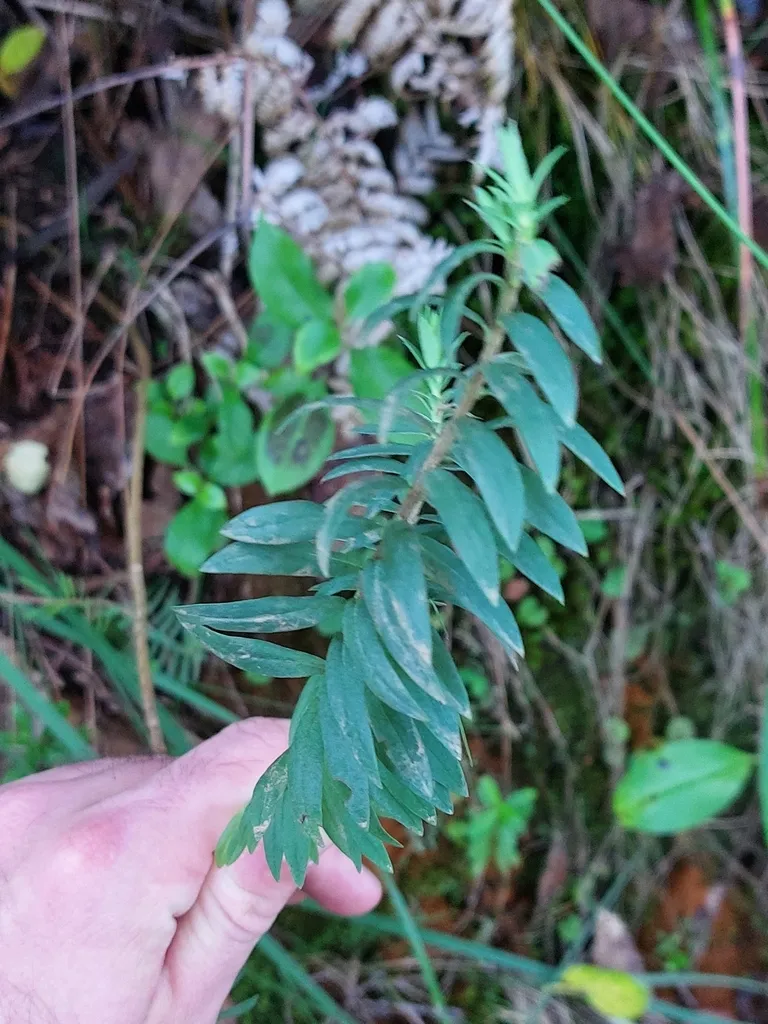
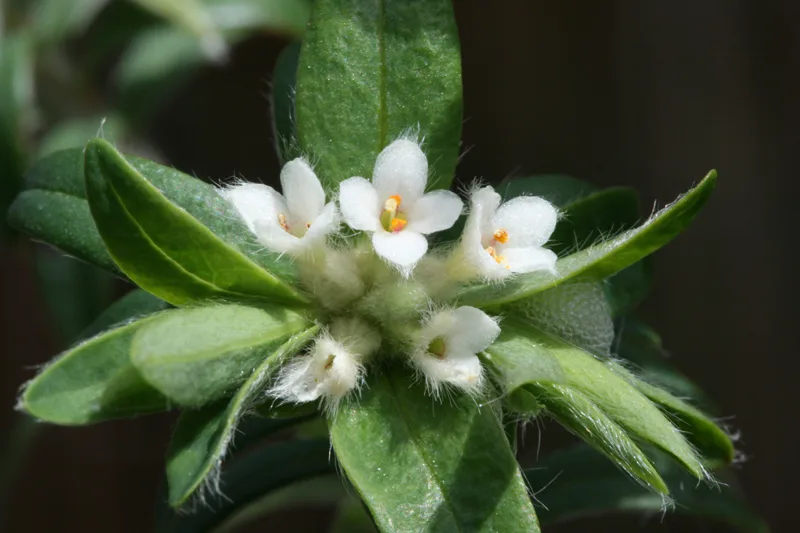
Distribution of Pimelea tomentosa
Distribution map
- Native
- Introduced
- Cultivated
Source:WCVP v16 · Royal Botanic Gardens, Kew · CC BY 3.0 · Boundaries:WGSRPD / TDWG
Pimelea tomentosa care guide
- Moderate regular watering, allowing brief slight drying between soakings
- Watering
- Full sun
- Sunlight

Watering
Moderate regular watering, allowing brief slight drying between soakings
Fertilizing
 Fertilizing
Balanced perennial feed every four weeks from spring through summer
Pruning
 Pruning
Usually little pruning is needed. Lightly shape if necessary, removing dead, damaged or diseased shoots. Prune after flowering.
Propagation
 Propagation
Propagate by seed, or by semi-ripe cuttings with bottom heat in summer
Growing
 Growing
In frost-free areas, grow in fertile, well drained, neutral to acid soil in a sunny, sheltered spot. In colder areas, grow in a cool greenhouse or in containers that can be moved indoors over winter, in lime-free (ericaceous) potting compost with added sharp sand, in full light. Water moderately in growth and sparingly in winter
Common pests and diseases
Diseases
Generally disease-free
Pests
May be susceptible to red spider mite when grown under glass
Explore the plant health library →




