
dogwood 'Bloodgood'
Also known as: Information to be completed
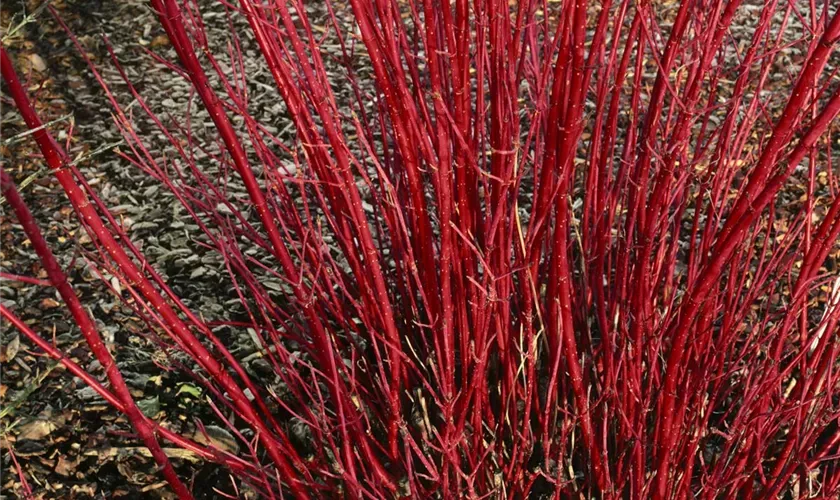
A deciduous shrub to around 2.4m tall with slender, upright deep red stems. Ovate leaves may turn shades of red, orange and yellow in autumn and creamy-white flowers in late spring and early summer are followed by small clusters of white fruit
Scientific classification
- Species
- dogwood 'Bloodgood' (Cornus alba 'Bloodgood')
- Genus
- Cornus
- Family
- Cornaceae
- Order
- Cornales
- Class
- Magnoliopsida
- Phylum
- Tracheophyta
- Information to be completed
- Toxicity
- Shrubs
- Plant type
- 2.5-4 metres
- Height
- 2.5-4 metres
- Spread
- Deciduous
- Foliage
- Bushy
- Habit
- Autumn · Spring · Summer
- Season of interest
- Full sun · Partial shade
- Sunlight
- Information to be completed
- Ideal temperature









dogwood 'Bloodgood' pictures
Distribution of dogwood 'Bloodgood'
Distribution map
- Native
- Introduced
- Cultivated
Source:WCVP v16 · Royal Botanic Gardens, Kew · CC BY 3.0 · Boundaries:WGSRPD / TDWG
dogwood 'Bloodgood' care guide
- Moderate regular watering, deep soak only during prolonged hot spells
- Watering
- Full sun · Partial shade
- Sunlight

Watering
Moderate regular watering, deep soak only during prolonged hot spells
Fertilizing
 Fertilizing
Balanced evergreen shrub feed applied once per early spring yearly
Pruning
 Pruning
For colourful stems or large foliage, prune hard to a low framework. Let young plants establish for one to two years first. Prune in late winter or spring, before or as new growth starts.
Propagation
 Propagation
Propagate by hardwood cuttings
Growing
 Growing
Will grow in most soil conditions in sun or partial shade. For more information see winter stem colour cultivation or flowering dogwood cultivation
Common pests and diseases
Diseases
May be susceptible to cornus anthracnose and honey fungus
Pests
Generally pest-free but may be susceptible to horse chestnut scale
Explore the plant health library →




