
commonName:"red osier dogwood 'Coral Red'"
Also known as: Information to be completed
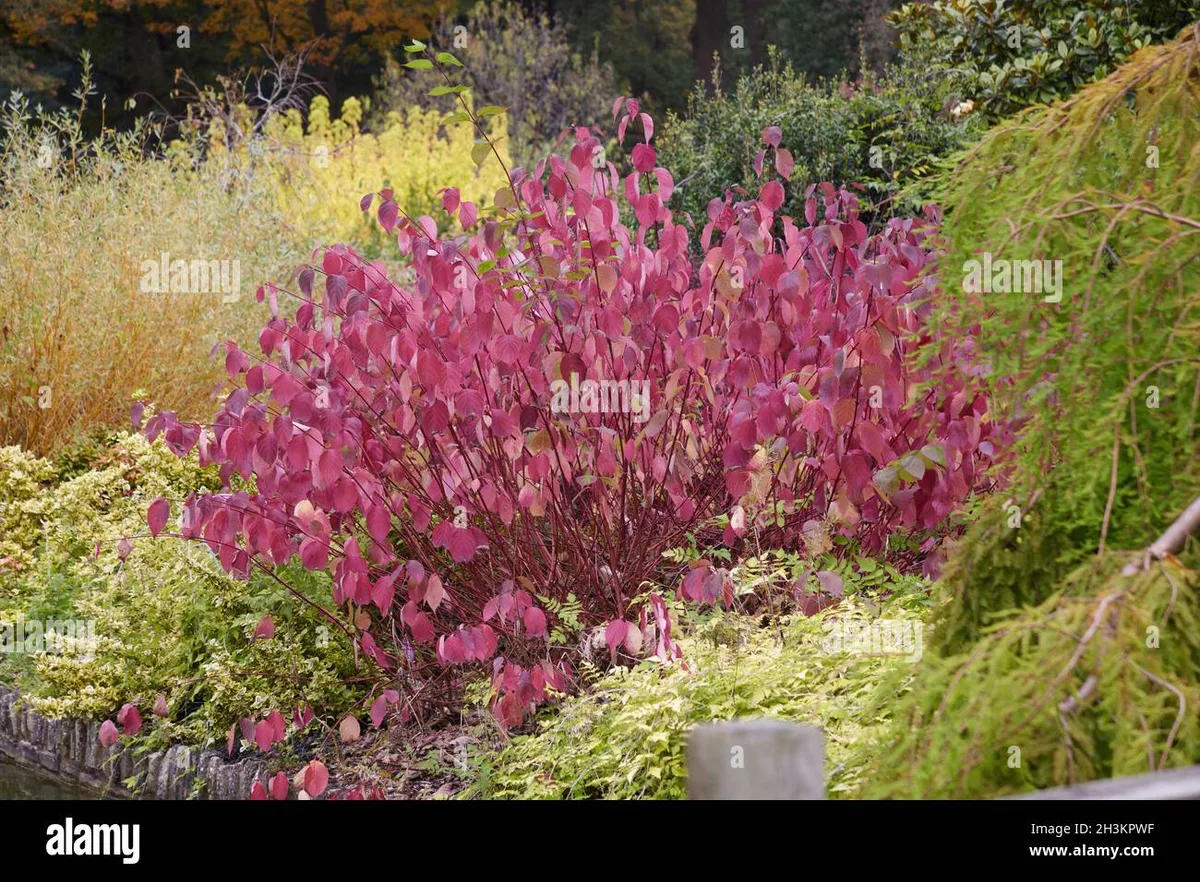
A multi-stemmed, fast-growing, suckering deciduous shrub with dark green, ovate foliage and bright red stems which are at their brightest in the winter months. White flowers appear in the spring and summer, followed by bluish-white fruit
Scientific classification
- Species
- commonName:"red osier dogwood 'Coral Red'" (Cornus sericea 'Coral Red')
- Genus
- Cornus
- Family
- Cornaceae
- Order
- Cornales
- Class
- Magnoliopsida
- Phylum
- Tracheophyta
- Information to be completed
- Toxicity
- Shrubs
- Plant type
- 2.5-4 metres
- Height
- 2.5-4 metres
- Spread
- Deciduous
- Foliage
- Suckering
- Habit
- Spring · Summer · Autumn · Winter
- Season of interest
- Full sun · Partial shade
- Sunlight
- Information to be completed
- Ideal temperature









commonName:"red osier dogwood 'Coral Red'" pictures
Distribution of commonName:"red osier dogwood 'Coral Red'"
Distribution map
- Native
- Introduced
- Cultivated
Source:WCVP v16 · Royal Botanic Gardens, Kew · CC BY 3.0 · Boundaries:WGSRPD / TDWG
commonName:"red osier dogwood 'Coral Red'" care guide
- Weekly deep irrigation spring-fall, limited water supply winter
- Watering
- Full sun · Partial shade
- Sunlight

Watering
Weekly deep irrigation spring-fall, limited water supply winter
Fertilizing
 Fertilizing
Balanced deciduous shrub feed applied once early spring growth
Pruning
 Pruning
For colourful stems or large foliage, prune hard to a low framework. Let young plants establish for one to two years first. Prune in late winter or spring, before or as new growth starts. Remove suckers if needed to prevent spreading.
Propagation
 Propagation
Propagate by hardwood cuttings, semi-ripe cuttings, or layering
Growing
 Growing
Will grow in most soil conditions in sun or partial shade. For more information see flowering dogwood cultivation
Common pests and diseases
Diseases
May be susceptible to cornus anthracnose and honey fungus
Pests
Generally pest-free but may be susceptible to horse chestnut scale
Explore the plant health library →




