
Canadian mayflower
Also known as: ruby bead; two-leaved Solomon's seal
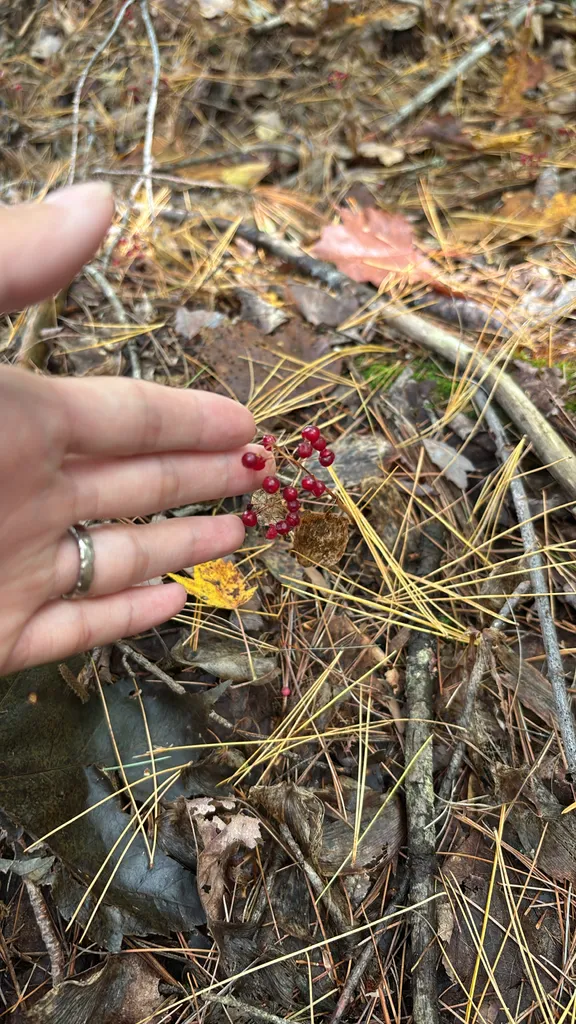
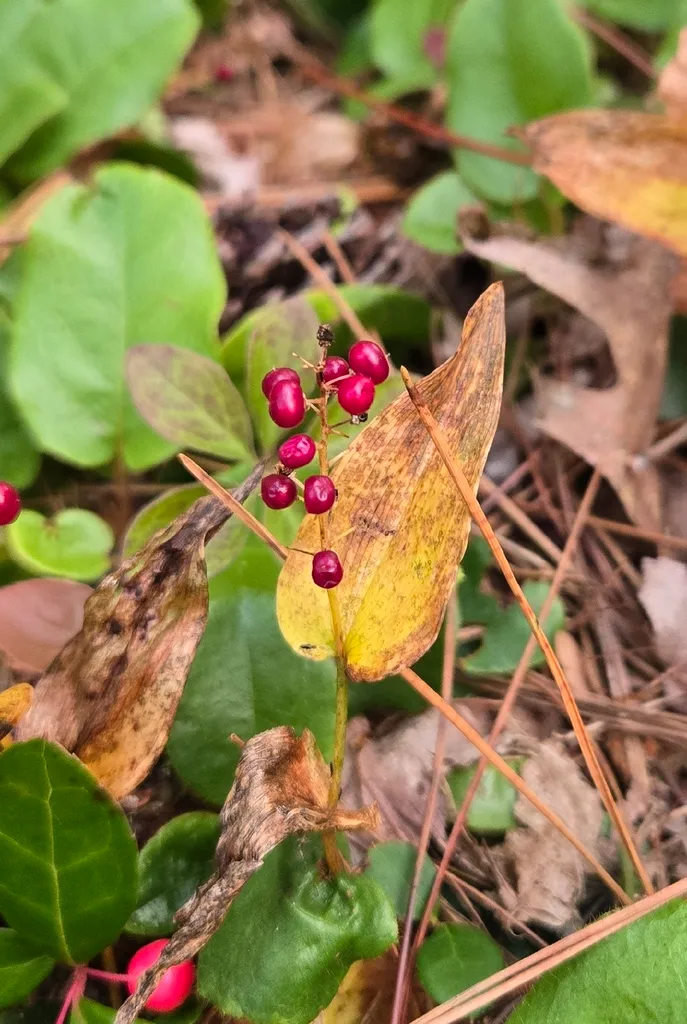
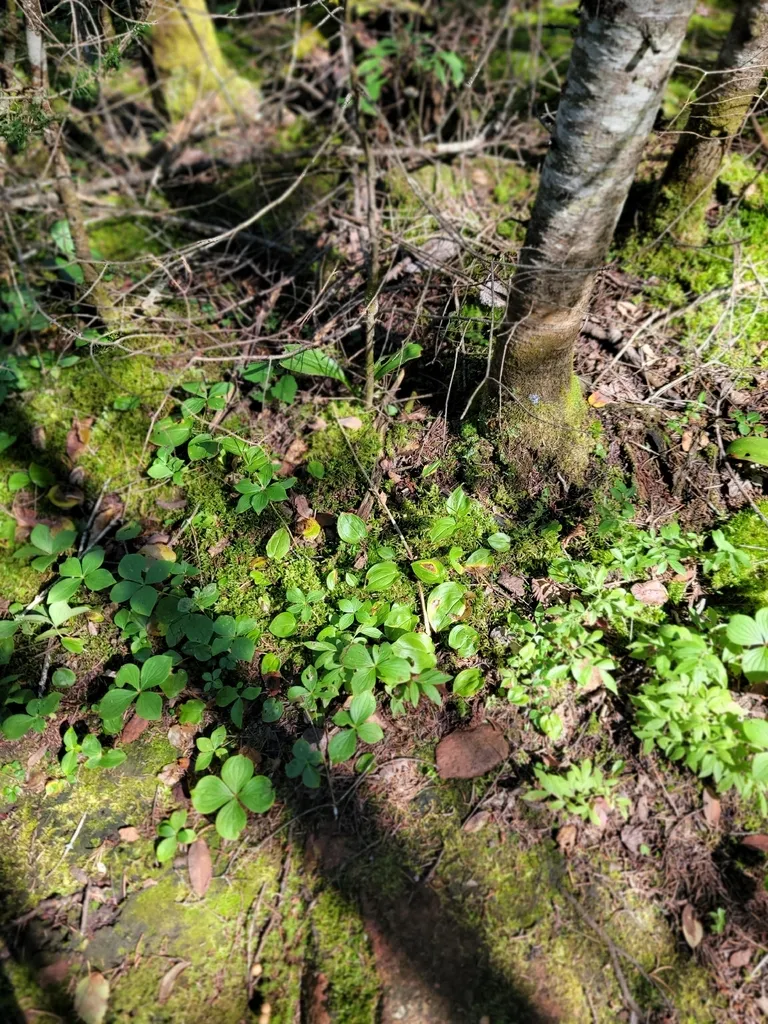
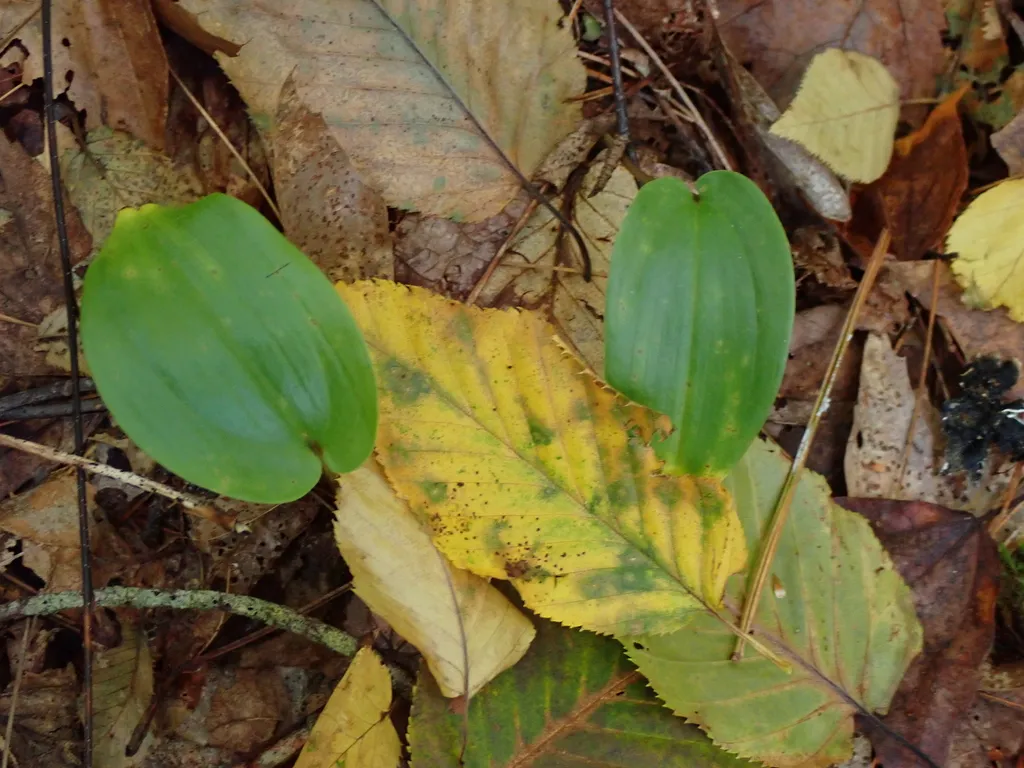
A spreading perennial to 25cm tall, with glossy, dark green, ovate leaves to 5cm long on short stalks from the rhizome. In late spring and early summer it produces loose spikes of small, white, starry flowers; these are followed by green-mottled berries ripening to red. Grow in a woodland garden or shaded border
Scientific classification
- Species
- Canadian mayflower (Maianthemum canadense)
- Genus
- Maianthemum
- Family
- Asparagaceae
- Order
- Asparagales
- Class
- Liliopsida
- Phylum
- Magnoliophyta
- Fruit are ornamental - not to be eaten. Wear gloves and other protective equipment when handling
- Toxicity
- Herbaceous Perennial
- Plant type
- 0.1-0.5 metres
- Height
- 1-1.5 metres
- Spread
- Deciduous
- Foliage
- Clump forming
- Habit
- Spring · Summer · Autumn
- Season of interest
- Full shade · Partial shade
- Sunlight
- Information to be completed
- Ideal temperature









Canadian mayflower pictures
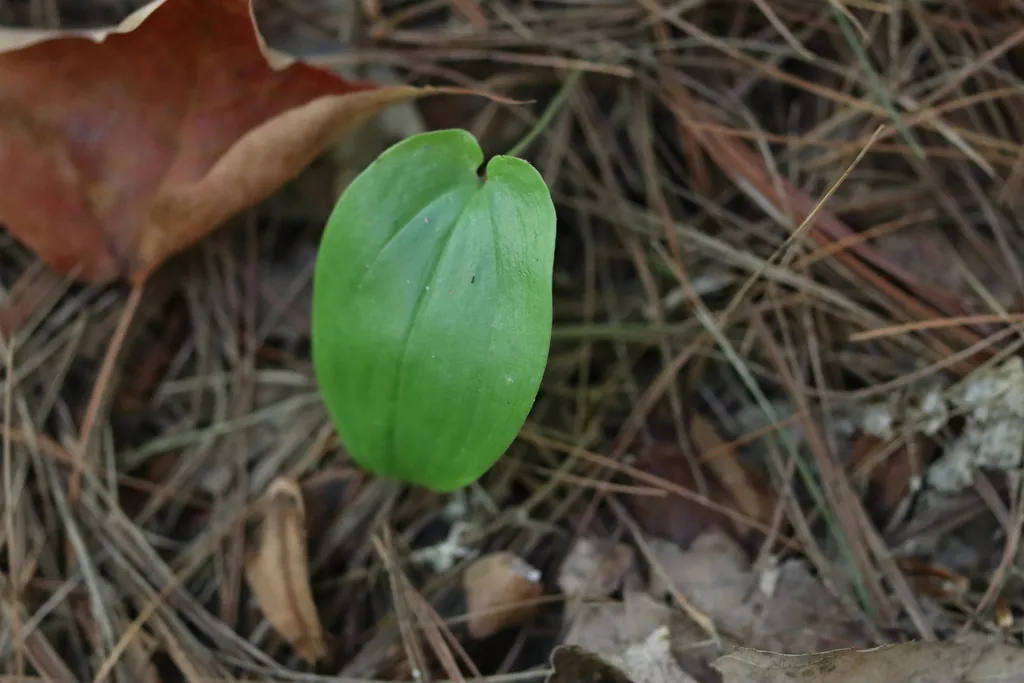
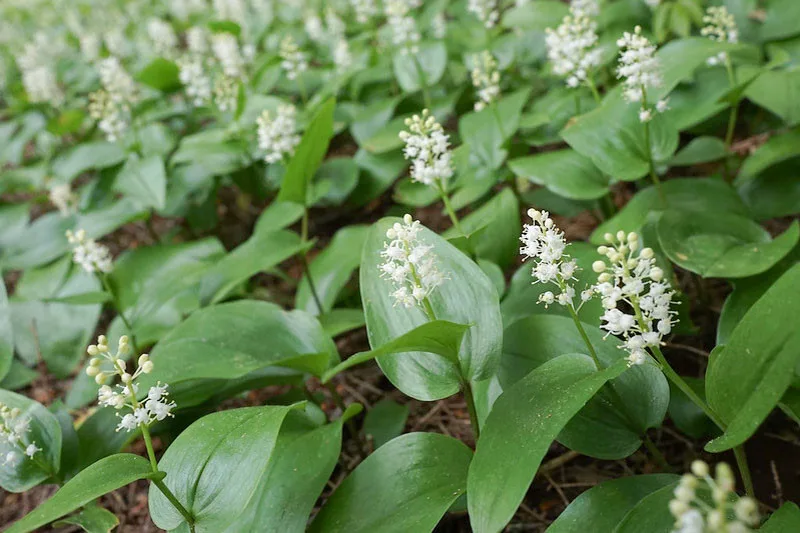
Distribution of Canadian mayflower
Distribution map
- Native
- Introduced
- Cultivated
Source:WCVP v16 · Royal Botanic Gardens, Kew · CC BY 3.0 · Boundaries:WGSRPD / TDWG
Toxicity
Fruit are ornamental - not to be eaten. Wear gloves and other protective equipment when handling
Canadian mayflower care guide
- Moderate regular watering, allowing brief slight drying between soakings
- Watering
- Full shade · Partial shade
- Sunlight

Watering
Moderate regular watering, allowing brief slight drying between soakings
Fertilizing
 Fertilizing
Balanced perennial feed every four weeks from spring through summer
Pruning
 Pruning
No pruning required
Propagation
 Propagation
Propagate by sowing seed in containers in a cold frame as soon as ripe. Divide rhizomes in early spring
Growing
 Growing
Grow in humus-rich, moist but well-drained, neutral to acid soil in light dappled or full shade
Common pests and diseases
Diseases
Generally disease-free
Pests
May be susceptible to slugs and snails
Explore the plant health library →




