
Rhododendron 'Tropic Glow'
Also known as: Information to be completed
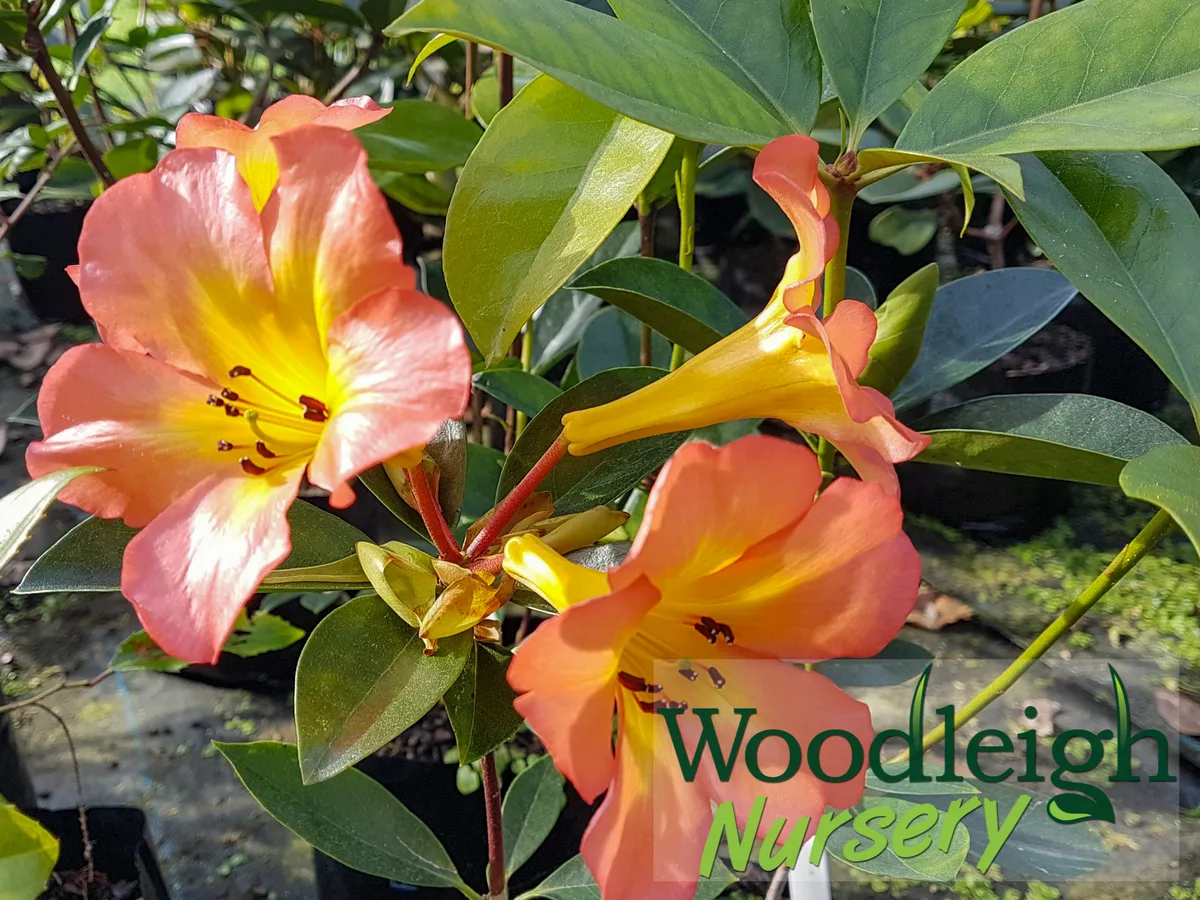
An evergreen shrub up to 2.5m high, with elliptic, leathery dark green leaves. This Vireya group hybrid is frost tender and usually grown under glass in the UK. Flowers are produced in flushes two or three times a year, bearing clusters of 4-6 funnel-shaped, rich orange flowers, with golden yellow throats and contrasting dark anthers
Scientific classification
- Species
- Rhododendron 'Tropic Glow' (Rhododendron 'Tropic Glow')
- Genus
- Rhododendron
- Family
- Ericaceae
- Order
- Ericales
- Class
- Magnoliopsida
- Phylum
- Magnoliophyta
- Harmful if eaten. Wear gloves and other protective equipment when handling
- Toxicity
- Shrubs
- Plant type
- 1.5-2.5 metres
- Height
- 1-1.5 metres
- Spread
- Evergreen
- Foliage
- Information to be completed
- Habit
- Spring · Summer · Autumn · Winter
- Season of interest
- Full sun · Partial shade
- Sunlight
- Information to be completed
- Ideal temperature









Rhododendron 'Tropic Glow' pictures
Toxicity
Harmful if eaten. Wear gloves and other protective equipment when handling
Rhododendron 'Tropic Glow' care guide
- Keep acidic root zone evenly moist, never leaving waterlogged soil
- Watering
- Full sun · Partial shade
- Sunlight

Watering
Keep acidic root zone evenly moist, never leaving waterlogged soil
Fertilizing
 Fertilizing
Ericaceous fertilizer monthly from spring through late summer
Pruning
 Pruning
Pinch out to maintain compact growth while the plant is young; this may affect flowering in the early stages but will improve it later on. Pruning is not usually required but if necessary, should be done in stages to allow the plant to recover
Propagation
 Propagation
Propagate by semi-ripe cuttings or by layering
Growing
 Growing
Grow under glass in an open, free draining, slightly acidic potting mix, in bright filtered light. Do not overpot, these plants often perform better with slightly restricted roots. Maintain temperatures between 7°C and 24°C. Water thoroughly in the growing season, preferably with rainwater, allowing compost to almost dry between waterings. Feed in spring, using a half-strength liquid solution in two feeds a few weeks apart. Red tinting on the leaves in winter may be a sign of cold, move the plant to a warmer place.
Common pests and diseases
Diseases
May be susceptible to powdery mildews, rust diseases and Phytophthora
Pests
May be susceptible to aphids, mealybugs, scale insects and vine weevil
Explore the plant health library →




