
Korean spindle tree 'Angyo Elegant'
Also known as: Information to be completed
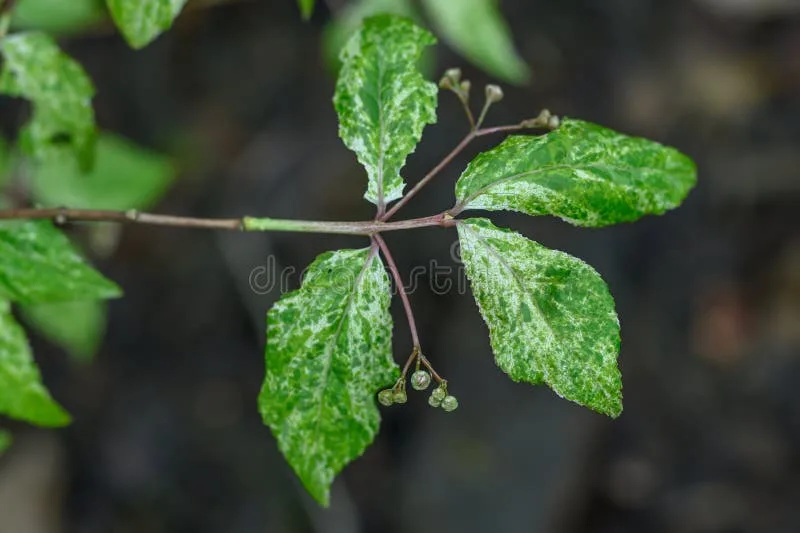
A large, deciduous shrub to about 2.5m with corky ridges along the stems. Foliage is oval, pointed, mid-green with fine cream speckles, and turns dark red in autumn. Small, green flowers in spring are followed by dark red, spherical fruit, splitting to reveal orange seeds
Scientific classification
- Species
- Korean spindle tree 'Angyo Elegant' (Euonymus oxyphyllus 'Angyo Elegant')
- Genus
- Euonymus
- Family
- Celastraceae
- Harmful if eaten. Wear gloves and other protective equipment when handling
- Toxicity
- Shrubs
- Plant type
- 1.5-2.5 metres
- Height
- 1.5-2.5 metres
- Spread
- Deciduous
- Foliage
- Bushy
- Habit
- Autumn · Spring · Summer
- Season of interest
- Full sun · Partial shade
- Sunlight
- Information to be completed
- Ideal temperature









Korean spindle tree 'Angyo Elegant' pictures
Distribution of Korean spindle tree 'Angyo Elegant'
Distribution map
Information to be completed
Information to be completed
Culture
Information to be completed
Toxicity
Harmful if eaten. Wear gloves and other protective equipment when handling
Quick identification of Korean spindle tree 'Angyo Elegant'
Information to be completed
Korean spindle tree 'Angyo Elegant' care guide
- Deep watering during dry spells, allowing slight surface drying between soakings
- Watering
- Full sun · Partial shade
- Sunlight
- Information to be completed
- Ideal temperature

Watering
Deep watering during dry spells, allowing slight surface drying between soakings
Fertilizing
 Fertilizing
Balanced shrub or tree feed once each early spring
Pruning
 Pruning
Little pruning is needed. Remove diseased, damaged, crowded or crossing shoots and unwanted growth. Timing depends on the plant: generally late winter or early spring; plants prone to bleeding and deciduous magnolias need different timing, and deciduous azaleas and lilacs are pruned after flowering.
Propagation
 Propagation
Propagate by semi-hardwood cuttings
Growing
 Growing
Grow in well-drained soil in sun or semi-shade
People also ask
Information to be completed
Common pests and diseases
Diseases
May be susceptible to powdery mildews, a leaf spot and sometimes honey fungus
Pests
May be susceptible to vine weevil, horse chestnut scale, euonymus scale and caterpillars
Explore the plant health library →




