
fuzzy Bolivian sage
Also known as: Information to be completed
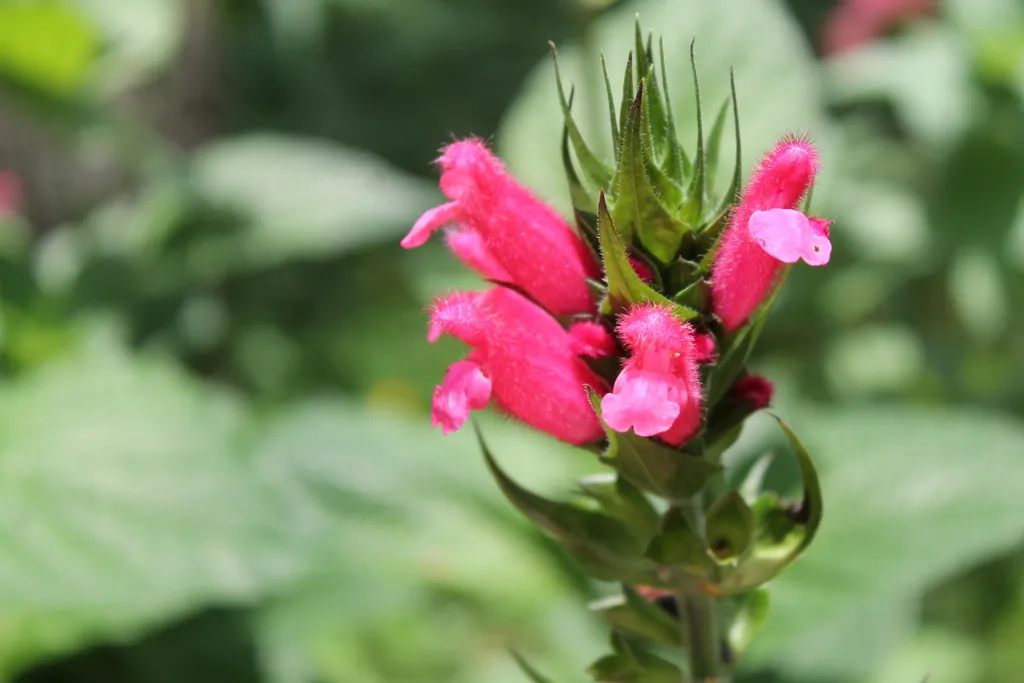
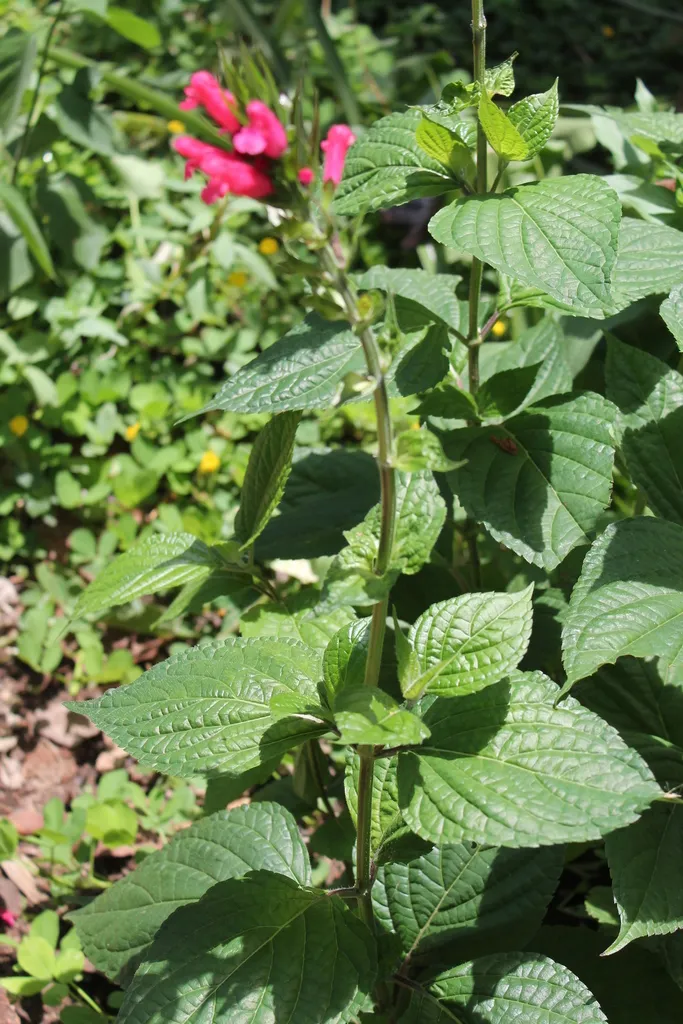
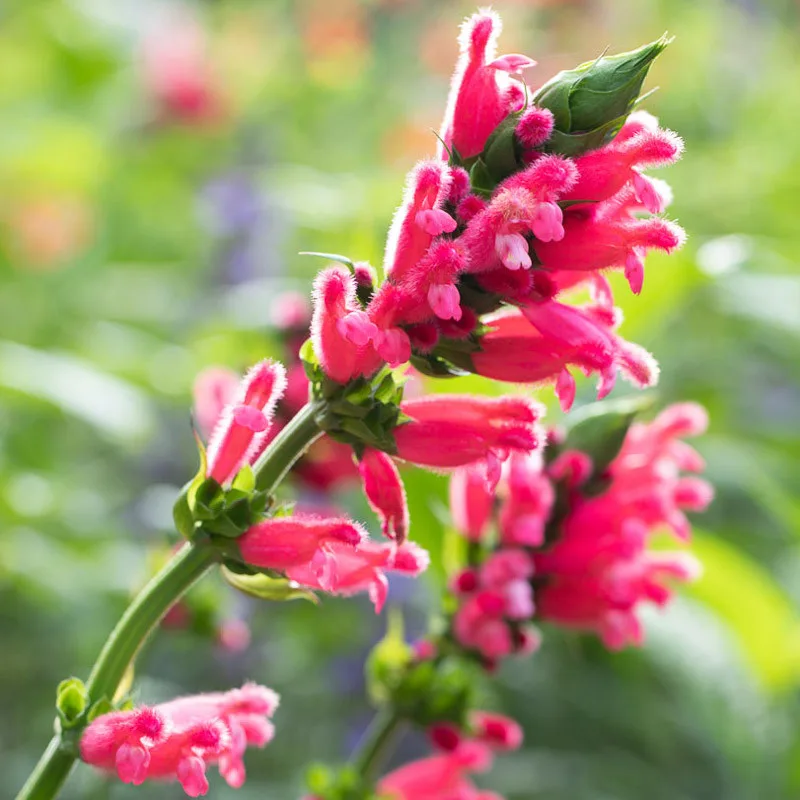
S. oxyphora is an herbaceous perennial, to 1.3m tall, with lanceolate to ovate leaves 7-22cm long. Spikes of cerise pink to cherry red flowers, each up to 4cm long and covered in fine hairs, are borne from summer into autumn
Scientific classification
- Species
- fuzzy Bolivian sage (Salvia oxyphora)
- Genus
- Salvia
- Family
- Lamiaceae
- Information to be completed
- Toxicity
- Herbaceous Perennial
- Plant type
- 1-1.5 metres
- Height
- 0.5-1 metres
- Spread
- Semi evergreen
- Foliage
- Bushy
- Habit
- Spring · Summer · Autumn
- Season of interest
- Full sun · Partial shade
- Sunlight
- Information to be completed
- Ideal temperature









fuzzy Bolivian sage pictures
Distribution of fuzzy Bolivian sage
Distribution map
Bolivia
Information to be completed
Culture
Information to be completed
Toxicity
Information to be completed
Quick identification of fuzzy Bolivian sage
Information to be completed
fuzzy Bolivian sage care guide
- Even slightly damp soil needed, prevent substrate full dehydration
- Watering
- Full sun · Partial shade
- Sunlight
- Information to be completed
- Ideal temperature

Watering
Even slightly damp soil needed, prevent substrate full dehydration
Fertilizing
 Fertilizing
Balanced diluted flower feed every three weeks warm growing months
Pruning
 Pruning
Prune lightly as needed to remove unwanted shoots and keep the shrub in shape. Prune in spring.
Propagation
 Propagation
Propagate by softwood cuttings in spring or semi-hardwood cuttings in late summer
Growing
 Growing
Grow under glass in loam-less or loam-based potting compost in full light with shade from hot sun. Grow outdoors in moderately fertile, moist but well-drained soil in full sun or dappled shade in a frost-free border. Protect from excessive winter wet
People also ask
Information to be completed
Common pests and diseases
Diseases
May be susceptible to honey fungus (rarely), powdery mildews, verticillium wilt and foot and root rots
Pests
Generally pest-free
Explore the plant health library →




