
Cantabrian bindweed
Also known as: Information to be completed
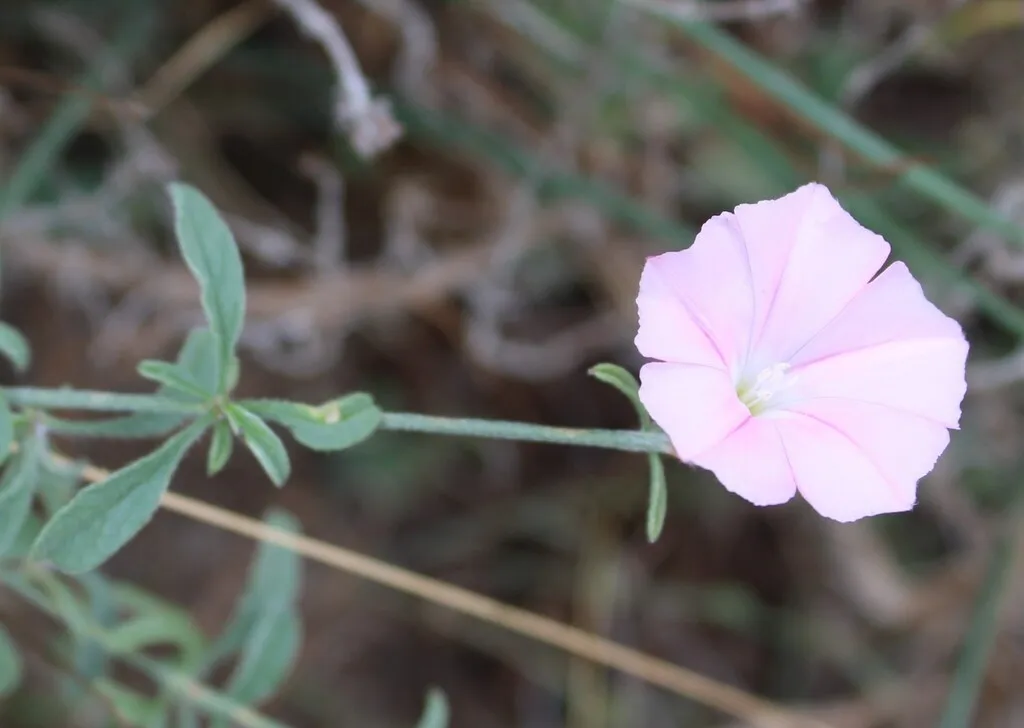
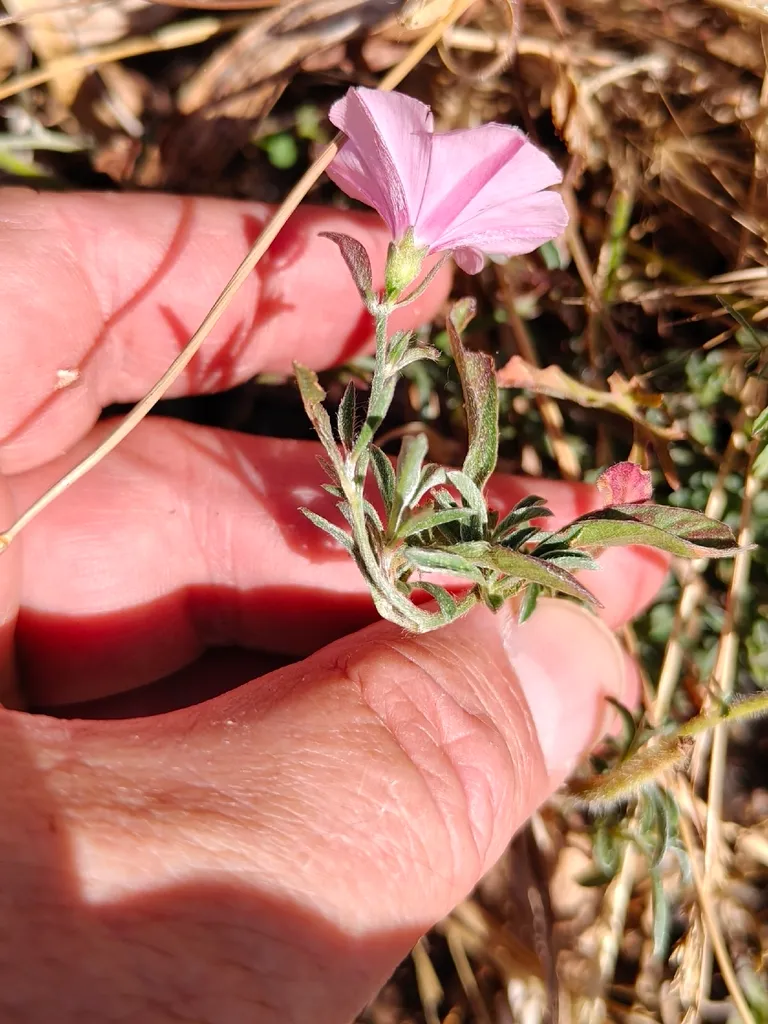
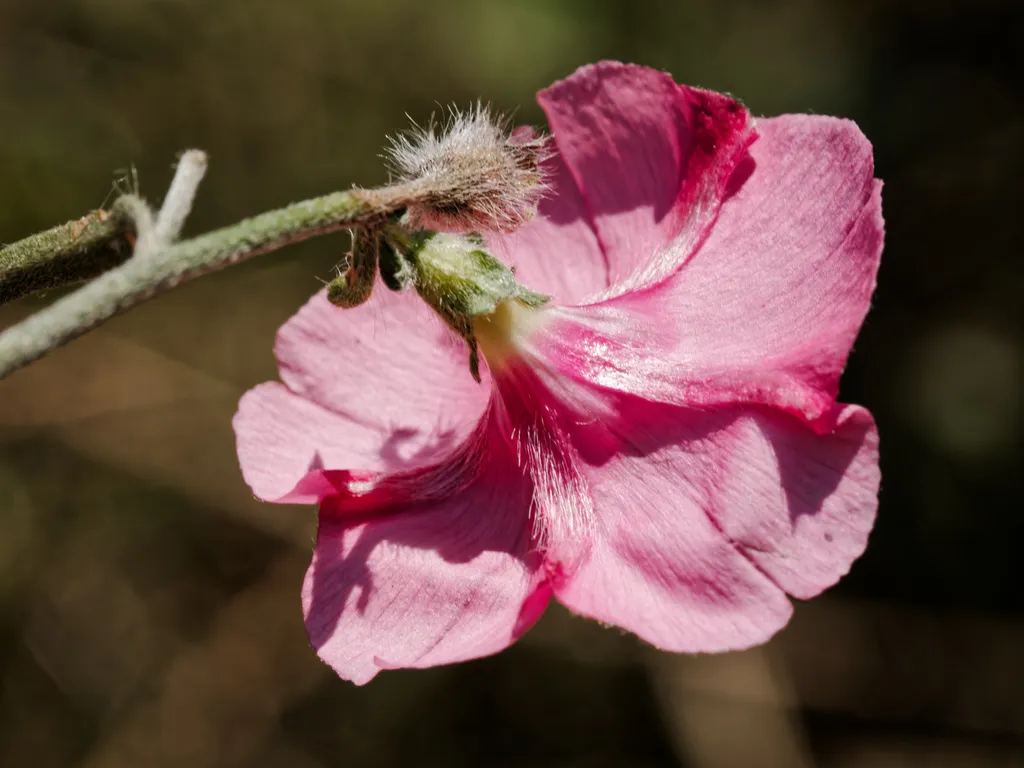
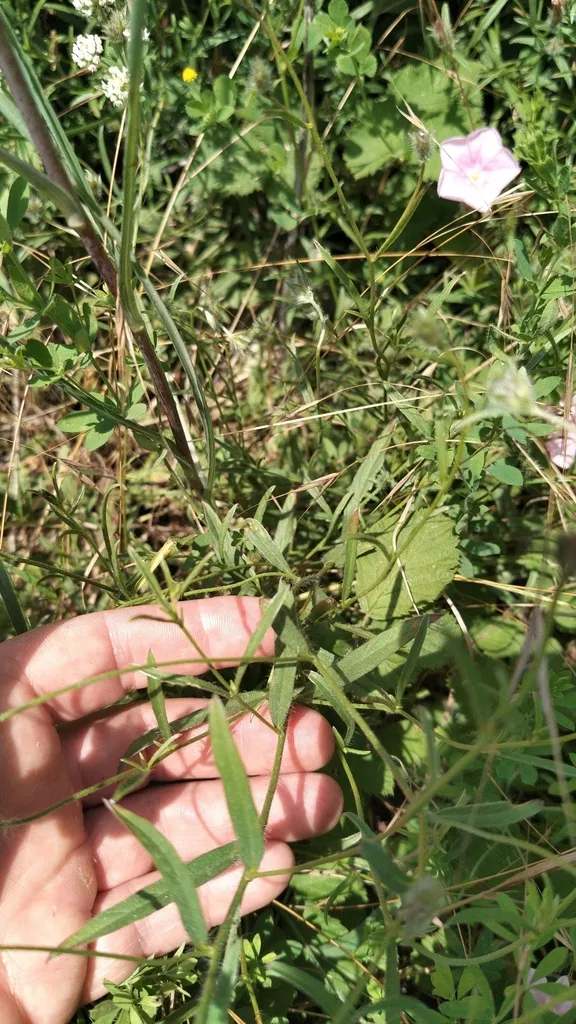
A woody-based, herbaceous perennial with fine, sprawling stems and small, narrow leaves, all with a sparse covering of silvery hairs. Pale pink flowers in summer startfunnel-shaped then open almost flat
Scientific classification
- Species
- Cantabrian bindweed (Convolvulus cantabrica)
- Genus
- Convolvulus
- Family
- Convolvulaceae
- Order
- Solanales
- Class
- Magnoliopsida
- Phylum
- Tracheophyta
- Information to be completed
- Toxicity
- Herbaceous Perennial
- Plant type
- 0.1-0.5 metres
- Height
- 0.1-0.5 metres
- Spread
- Deciduous
- Foliage
- Trailing
- Habit
- Spring · Summer · Autumn
- Season of interest
- Full sun
- Sunlight
- Information to be completed
- Ideal temperature









Cantabrian bindweed pictures
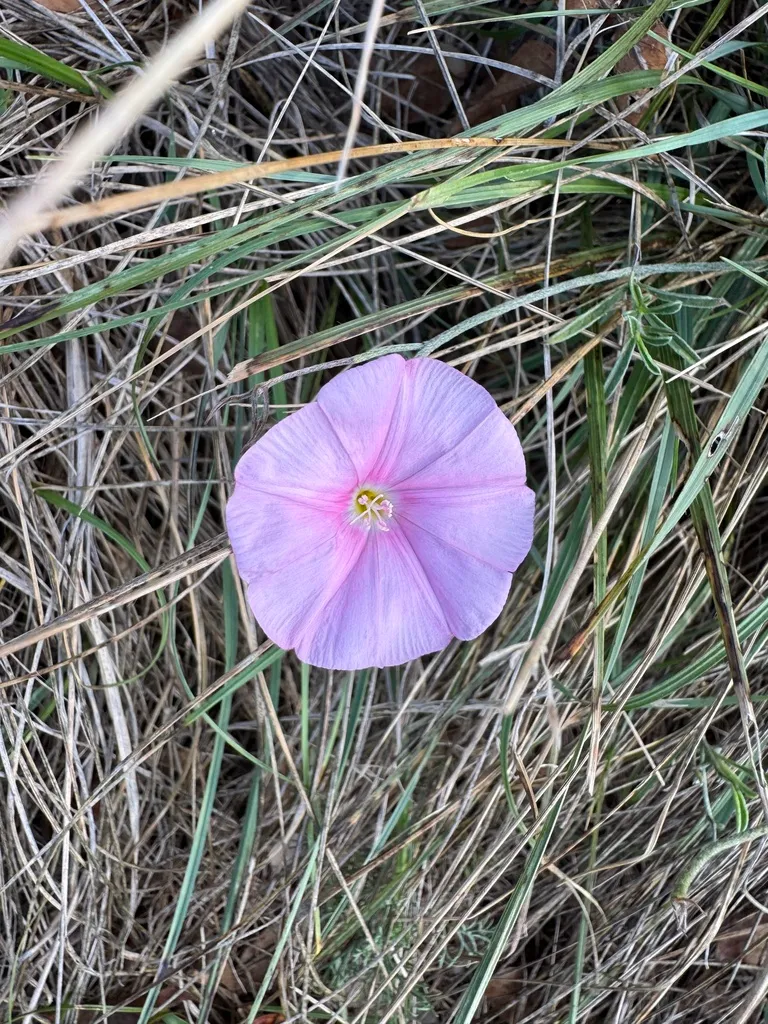
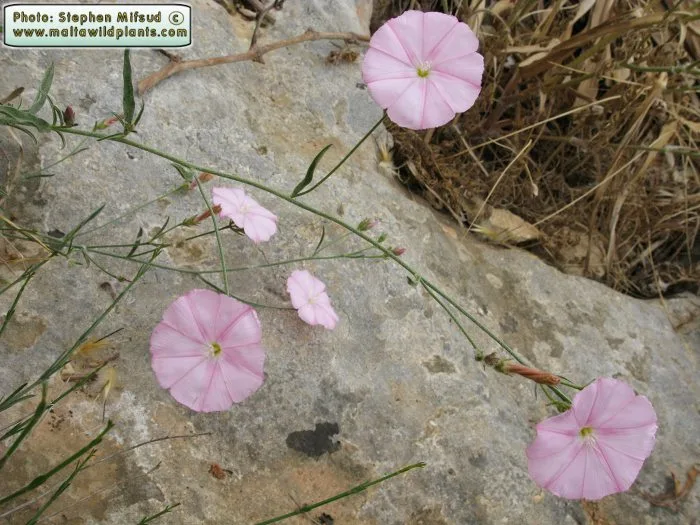
Distribution of Cantabrian bindweed
Distribution map
- Native
- Introduced
- Cultivated
Source:WCVP v16 · Royal Botanic Gardens, Kew · CC BY 3.0 · Boundaries:WGSRPD / TDWG
Cantabrian bindweed care guide
- Moderate regular watering, avoid prolonged drought or waterlogging
- Watering
- Full sun
- Sunlight

Watering
Moderate regular watering, avoid prolonged drought or waterlogging
Fertilizing
 Fertilizing
Balanced feed in spring and light repeat in growth season
Pruning
 Pruning
Trim as required
Propagation
 Propagation
Propagate by seed or softwood cuttings
Growing
 Growing
Grow in reasonably fertile, well-drained neutral or alkaline soil in full sun
Common pests and diseases
Diseases
May be susceptible to honey fungus (rarely)
Pests
Generally pest-free
Explore the plant health library →




