
Paraquilegia anemonoides
Also known as: Information to be completed
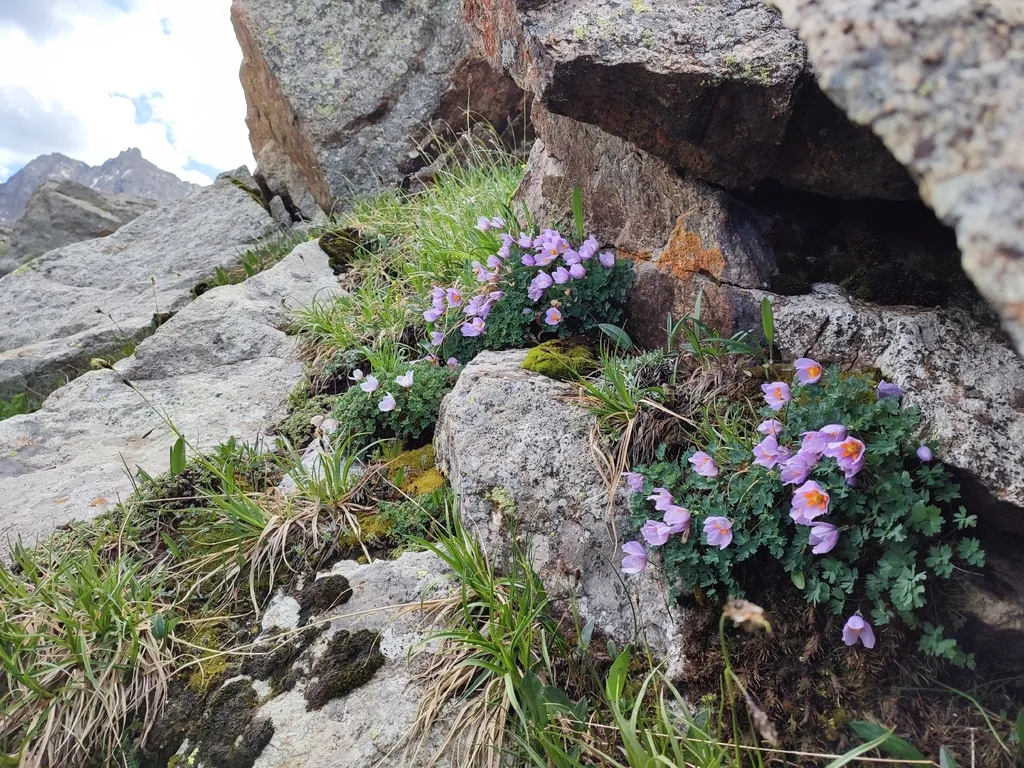
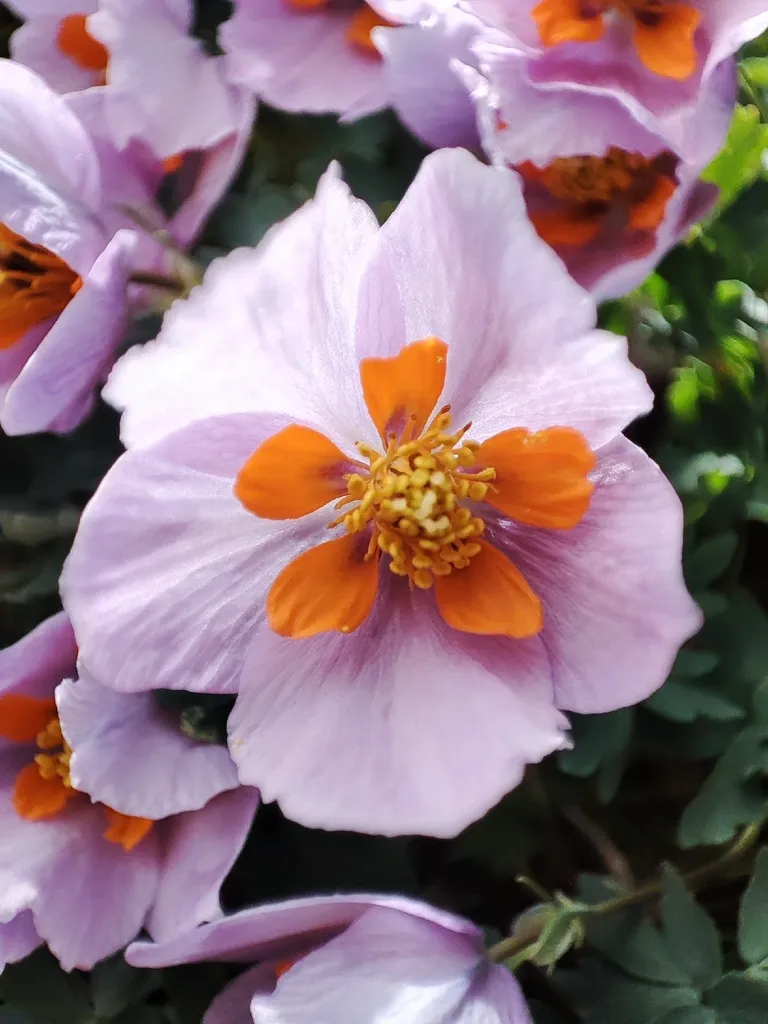
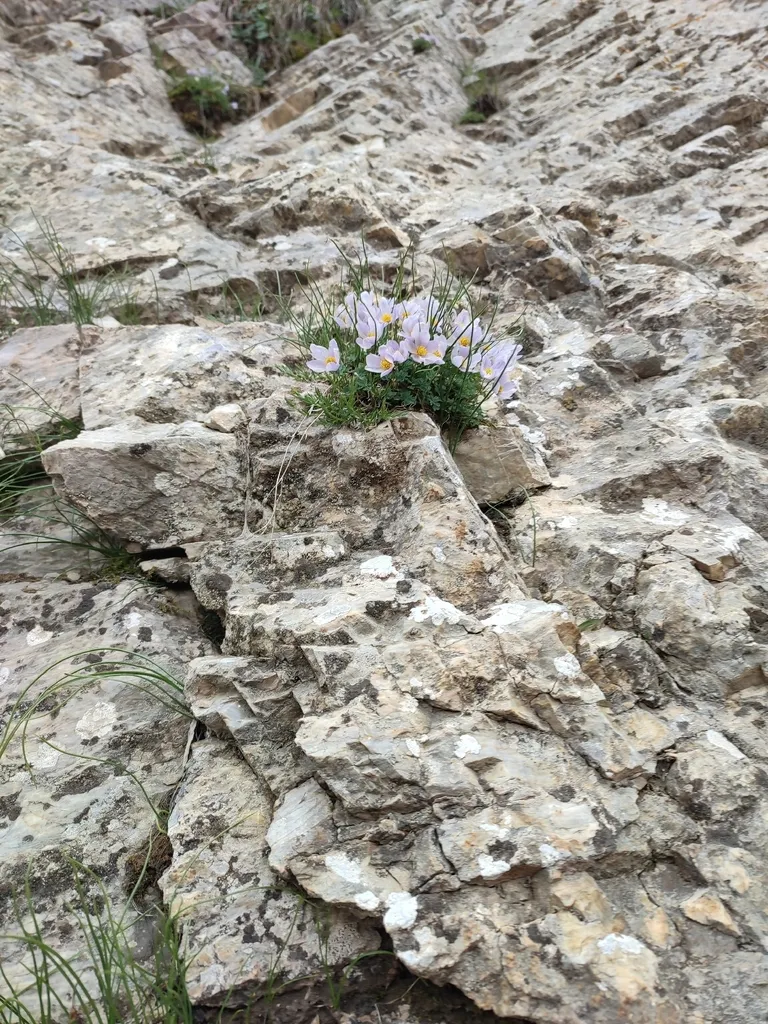
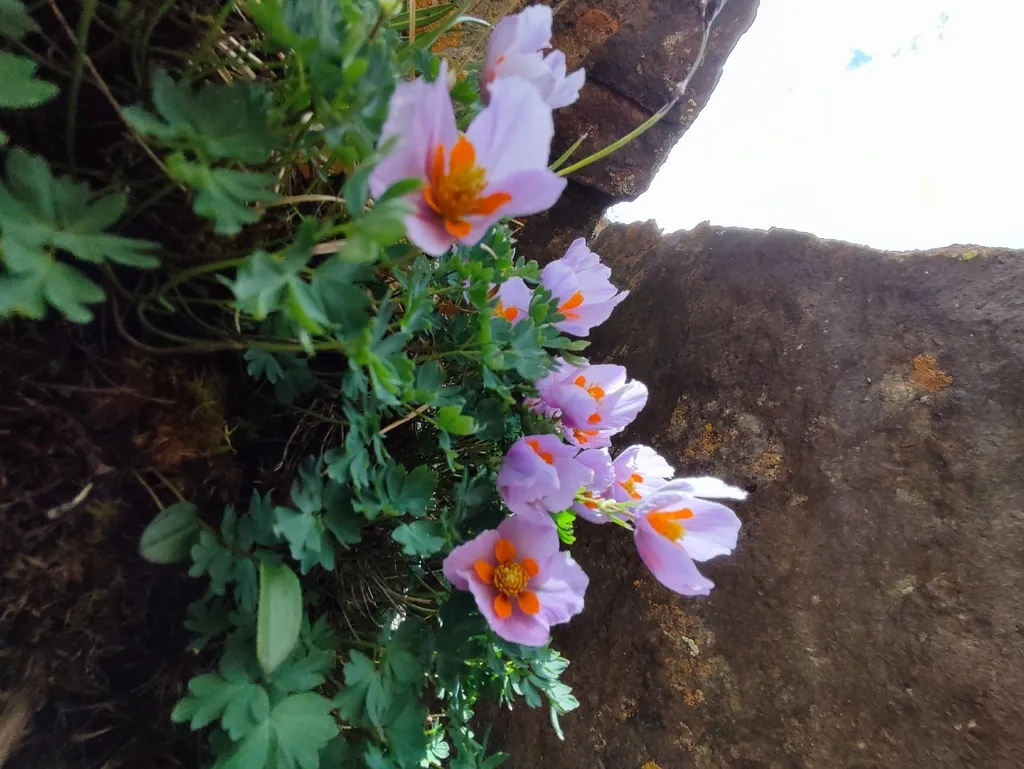
P. anemonoides is a tufted herbaceous perennial 10-18cm high with blue-green, deeply divided leaves, 3cm long, and lavender-blue buds opening in late spring or early summer to violet-blue, purple-blue, pale lilac, or white cup-shaped flowers, 2-4cm across, with golden nectaries and yellow anthers
Scientific classification
- Species
- Paraquilegia anemonoides (Paraquilegia anemonoides)
- Genus
- Paraquilegia
- Family
- Ranunculaceae
- Order
- Ranunculales
- Class
- Magnoliopsida
- Phylum
- Magnoliophyta
- Information to be completed
- Toxicity
- Alpine Rockery
- Plant type
- 0.1-0.5 metres
- Height
- 0-0.1 metre
- Spread
- Deciduous
- Foliage
- Tufted
- Habit
- Spring · Summer · Autumn
- Season of interest
- Full sun
- Sunlight
- Information to be completed
- Ideal temperature









Paraquilegia anemonoides pictures
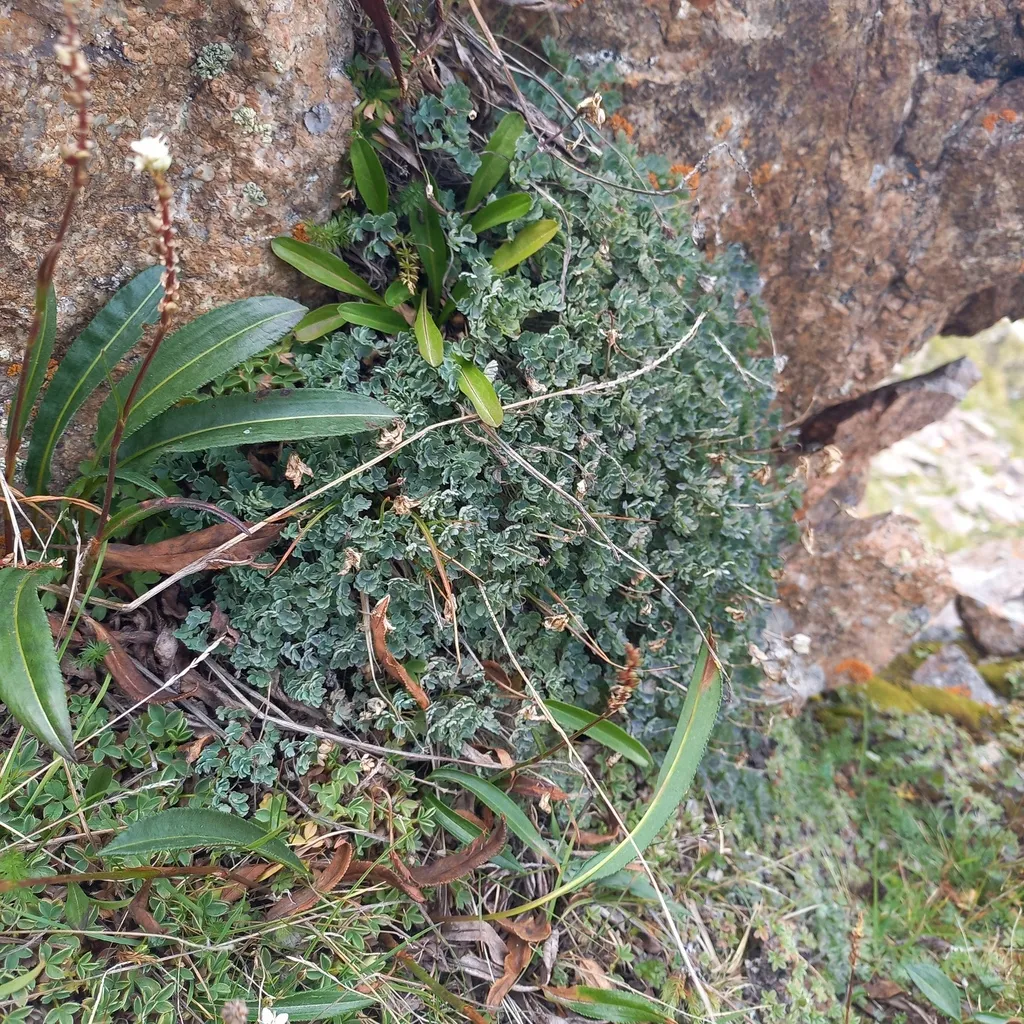
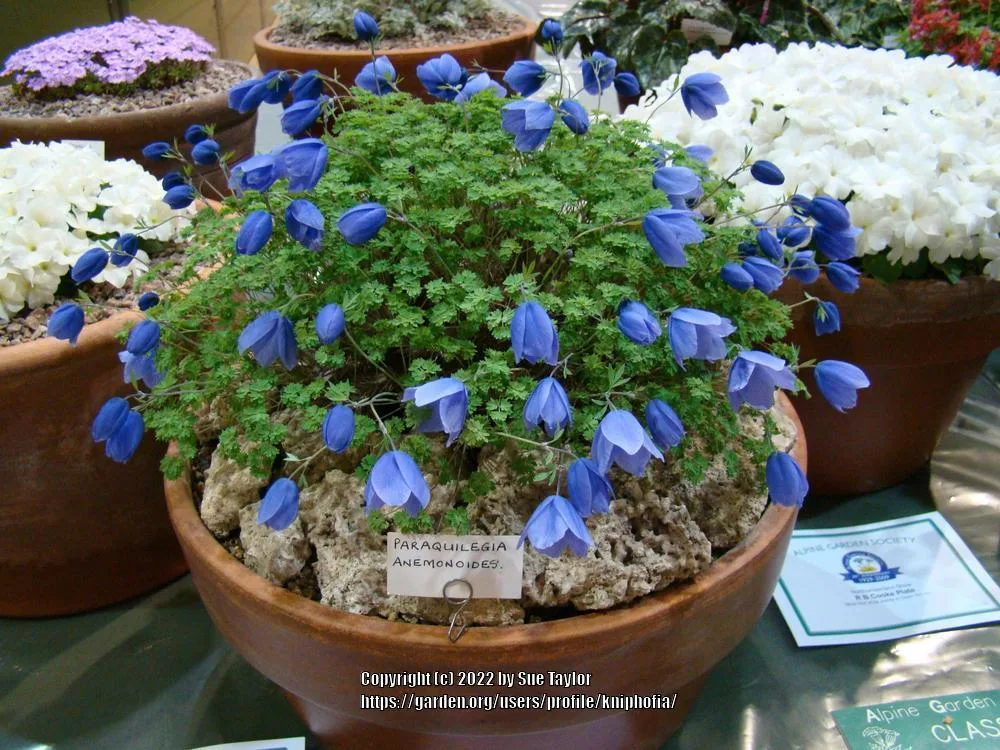
Distribution of Paraquilegia anemonoides
Distribution map
Central Asia, Southwestern China
Paraquilegia anemonoides care guide
- Moderate regular watering, allowing brief slight drying between soakings
- Watering
- Full sun
- Sunlight

Watering
Moderate regular watering, allowing brief slight drying between soakings
Fertilizing
 Fertilizing
Balanced perennial feed every four weeks from spring through summer
Pruning
 Pruning
No pruning required
Propagation
 Propagation
Propagate by seed, sown fresh, as soon as ripe in autumn, in containers in an open frame
Growing
 Growing
Grow outdoors in poor, sharply drained, alkaline soil in a scree bed or trough in full sun, and protect from winter wet; in an alpine house, grow in a mix of equal parts loam, leaf mould, and grit; they grow best in climates with cool summers and cold, dry winters, and they may be difficult to establish
Common pests and diseases
Diseases
Generally disease-free
Pests
May be susceptible to slugs and snails; under glass by aphids and glasshouse red spider mite
Explore the plant health library →




