
Clusia rosea 'Princess'
Also known as: Information to be completed
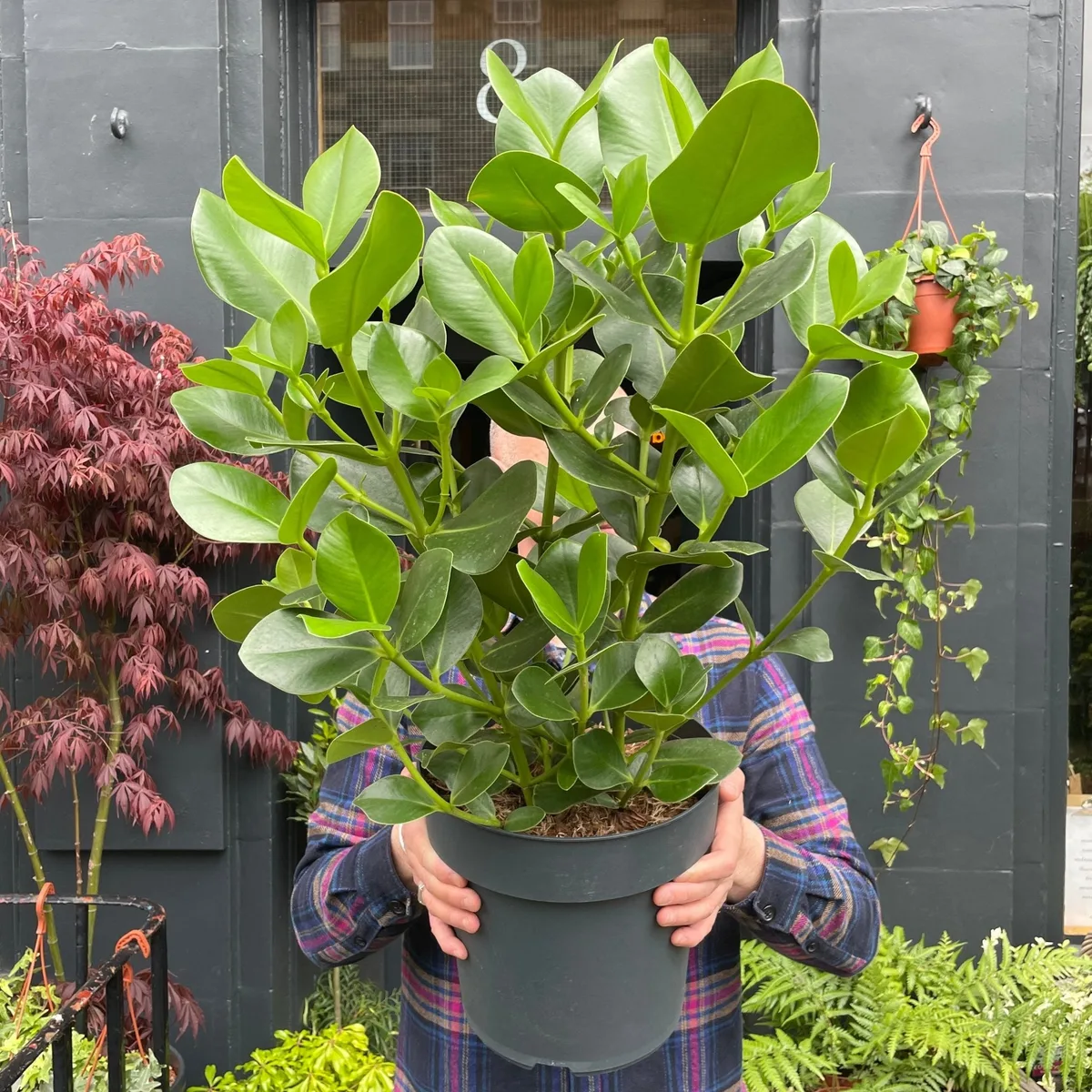
A semi-epiphytic, tropical shrub or small tree to 3m tall, considerably less when grown as a houseplant. It has particularly thick, glossy leaves and stout stems. Funnel-shaped, white or pink flowers are produced in the summer on mature plants, but are unlikely to be seen on potted specimens
Scientific classification
- Species
- Clusia rosea 'Princess' (Clusia rosea 'Princess')
- Genus
- Clusia
- Family
- Clusiaceae
- Order
- Malpighiales
- Class
- Magnoliopsida
- Phylum
- Tracheophyta
- Information to be completed
- Toxicity
- Shrubs
- Plant type
- 0.5-1 metres
- Height
- 0.5-1 metres
- Spread
- Evergreen
- Foliage
- Bushy
- Habit
- Spring · Summer · Autumn · Winter
- Season of interest
- Full sun · Partial shade
- Sunlight
- Information to be completed
- Ideal temperature









Clusia rosea 'Princess' pictures
Clusia rosea 'Princess' care guide
- Moderate regular watering, avoid prolonged drought or waterlogging
- Watering
- Full sun · Partial shade
- Sunlight

Watering
Moderate regular watering, avoid prolonged drought or waterlogging
Fertilizing
 Fertilizing
Balanced feed in spring and light repeat in growth season
Pruning
 Pruning
Little pruning is needed. Remove diseased, damaged, crowded or crossing shoots and unwanted growth. Timing depends on the plant: generally late winter or early spring; plants prone to bleeding and deciduous magnolias need different timing, and deciduous azaleas and lilacs are pruned after flowering.
Propagation
 Propagation
Propagate by softwood cuttings with bottom heat in summer, or by air layering in spring or summer
Growing
 Growing
Under glass, grow in loam-based potting compost with added sharp sand. Provide bright, filtered light and high humidity. When in growth, water freely and apply a balanced liquid feed monthly; water moderately in winter. Top dress or pot on in spring
Common pests and diseases
Diseases
Generally disease-free
Pests
May be susceptible to glasshouse red spider mite, scale insects and mealybugs
Explore the plant health library →




