
Wallich's barberry
Also known as: Information to be completed
An erect, spiny, medium to large evergreen Barberry from Nepal, Myanmar and the Himalayas that is much-branched from the base growing up to 2m, occasionally to 3m tall. Tight groups of 10-25 small yellow flowers in spring are followed by blue-black berries in autumn that have a fine powdery coating giving them a ghostly appearance. Glossy, leathery, serrated and spiny-edged mid to dark-green leaves year round.
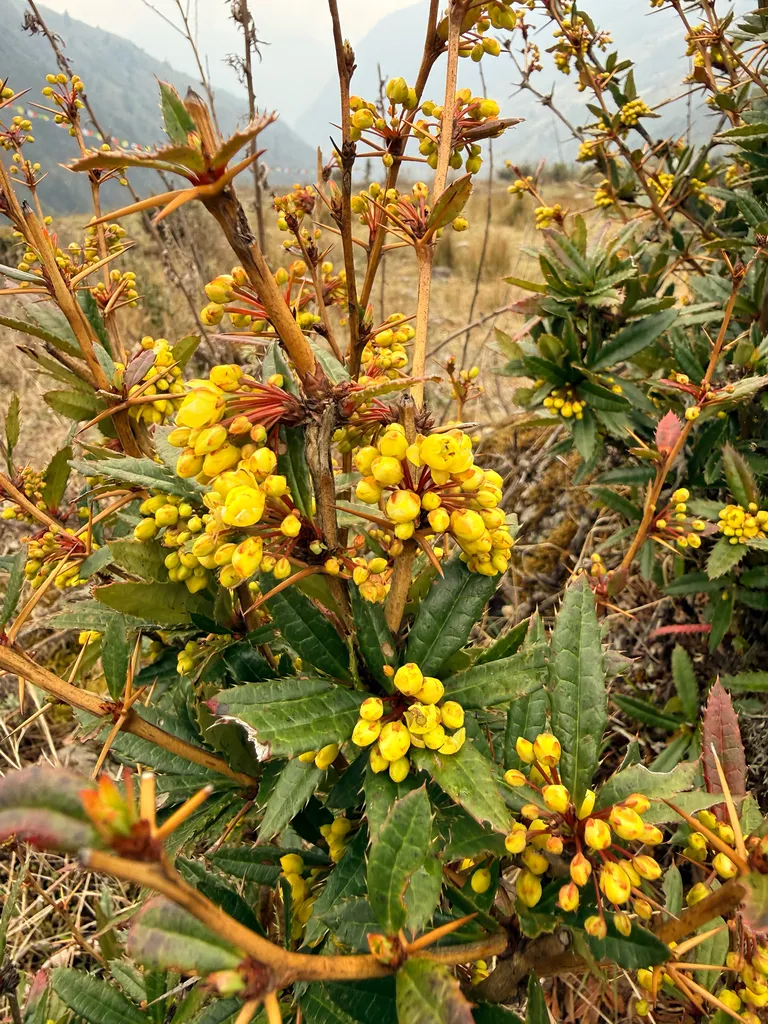
Scientific classification
- Species
- Wallich's barberry (Berberis wallichiana)
- Genus
- Berberis
- Family
- Berberidaceae
- Order
- Ranunculales
- Class
- Magnoliopsida
- Phylum
- Magnoliophyta
- Fruit are ornamental - not to be eaten. Wear gloves and other protective equipment when handling
- Toxicity
- Shrubs
- Plant type
- 2.5-4 metres
- Height
- 1.5-2.5 metres
- Spread
- Evergreen
- Foliage
- Bushy
- Habit
- Spring · Summer · Autumn · Winter
- Season of interest
- Full sun · Partial shade
- Sunlight
- Information to be completed
- Ideal temperature









Wallich's barberry pictures
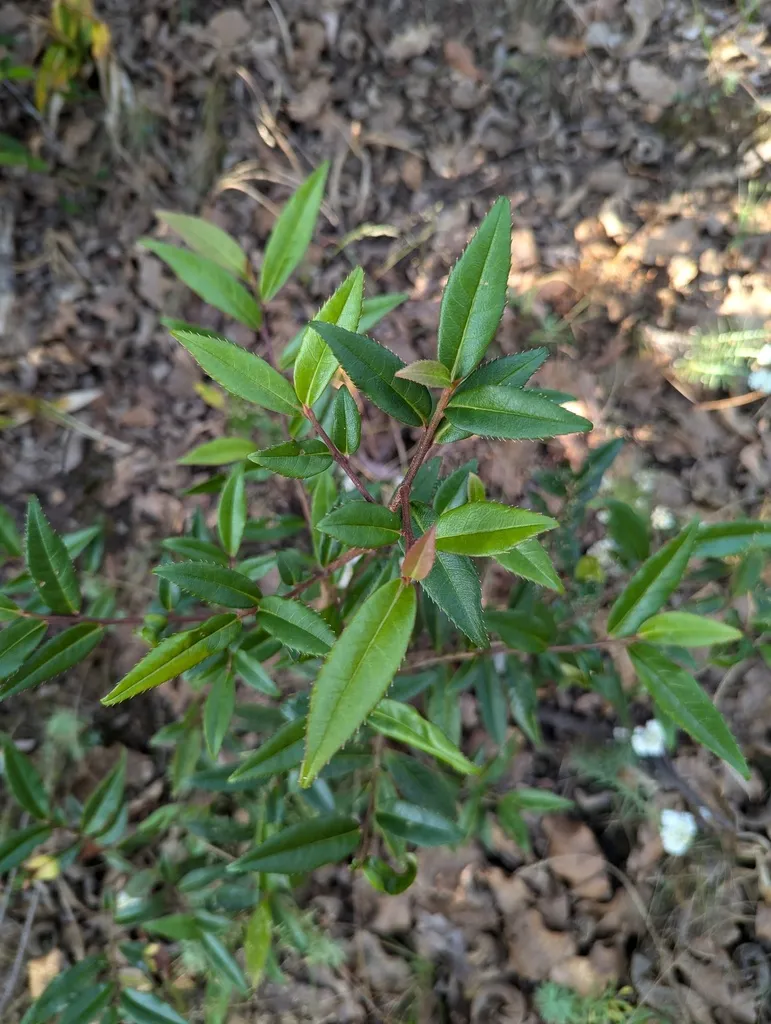
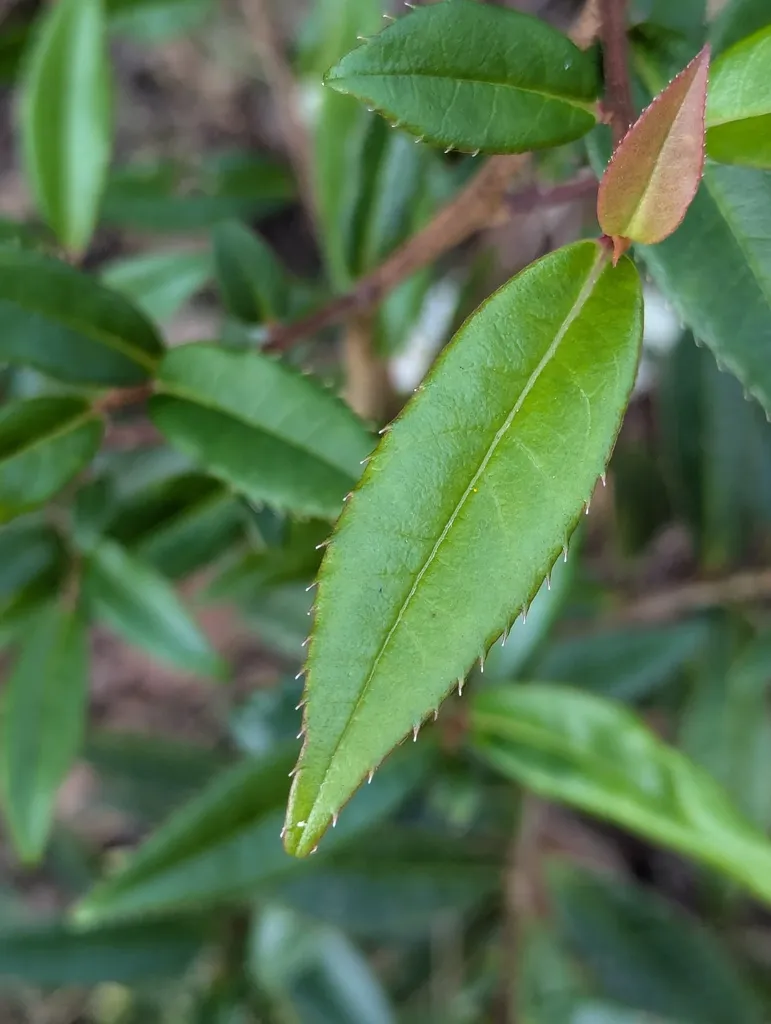
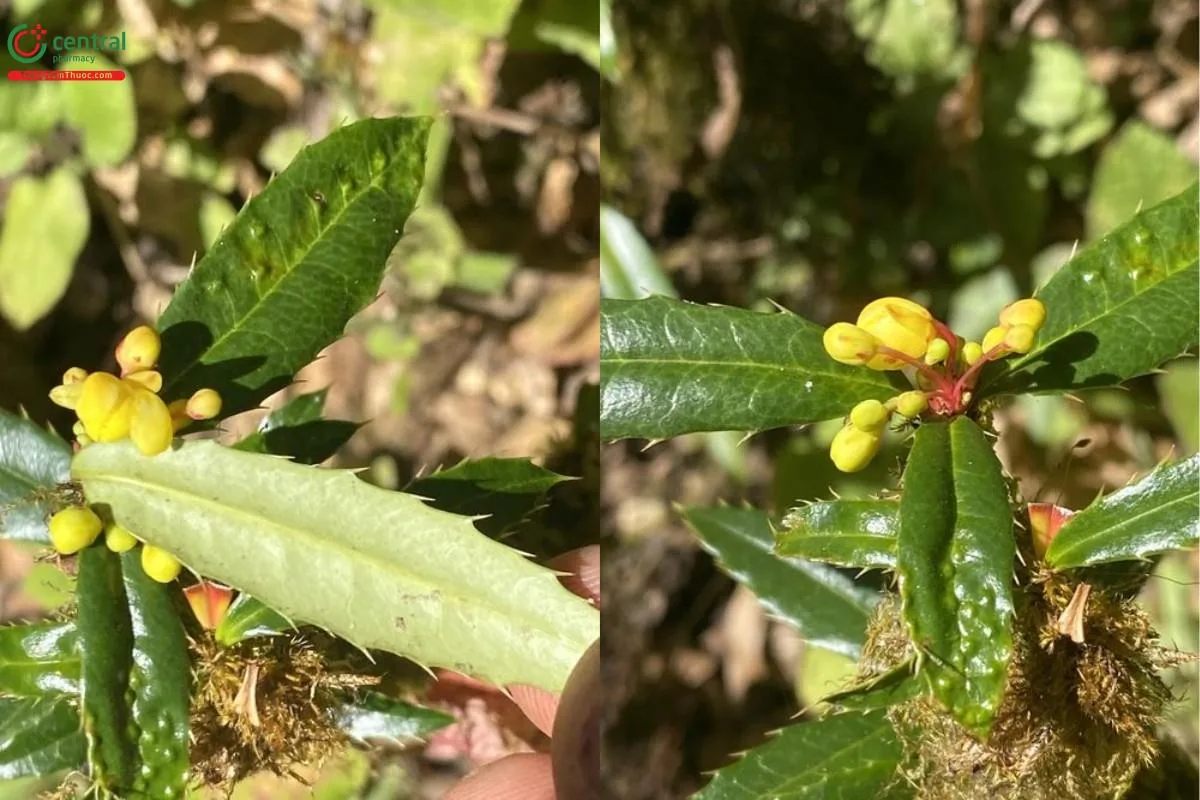
Distribution of Wallich's barberry
Distribution map
- Native
- Introduced
- Cultivated
Source:WCVP v16 · Royal Botanic Gardens, Kew · CC BY 3.0 · Boundaries:WGSRPD / TDWG
Toxicity
Fruit are ornamental - not to be eaten. Wear gloves and other protective equipment when handling
Wallich's barberry care guide
- Deep watering during dry spells, allowing slight surface drying between soakings
- Watering
- Full sun · Partial shade
- Sunlight

Watering
Deep watering during dry spells, allowing slight surface drying between soakings
Fertilizing
 Fertilizing
Balanced shrub or tree feed once each early spring
Pruning
 Pruning
Usually little pruning is needed. Lightly shape if necessary, removing dead, damaged or diseased shoots. Prune after flowering.
Propagation
 Propagation
Propagate by seed sown in a seedbed in early spring. See trees and shrubs from seed. Many Berberis species cross freely in gardens, so seed-raised plants are often hybrids. Take semi-ripe cuttings in summer
Growing
 Growing
Grows well in all but waterlogged soils. See tree cultivation and shrub cultivation for further advice
Common pests and diseases
Diseases
May be susceptible to powdery mildews and sometimes by honey fungus
Pests
May be susceptible to aphids and berberis sawfly
Explore the plant health library →




