
Cootamundra wattle
Also known as: golden mimosa
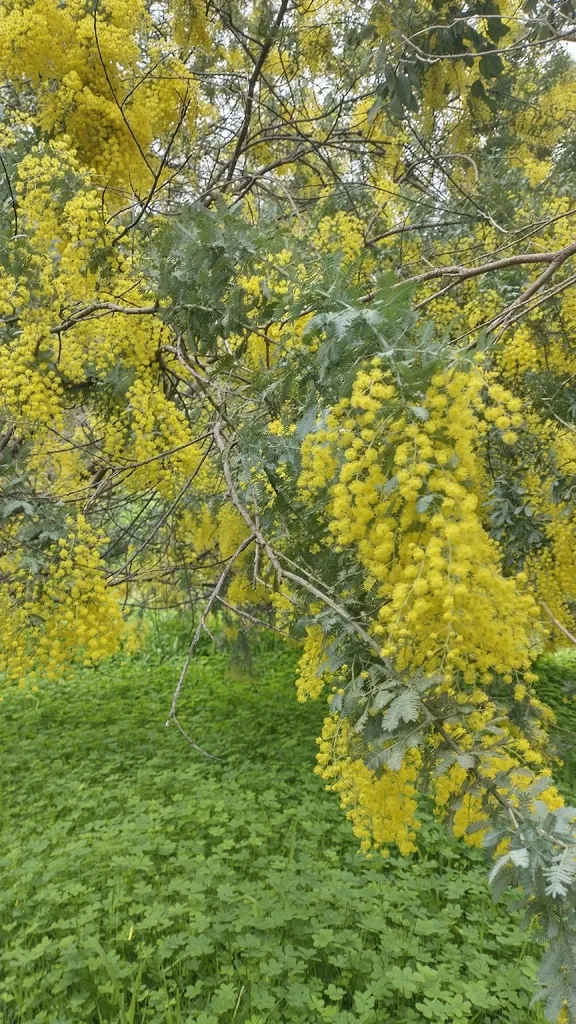
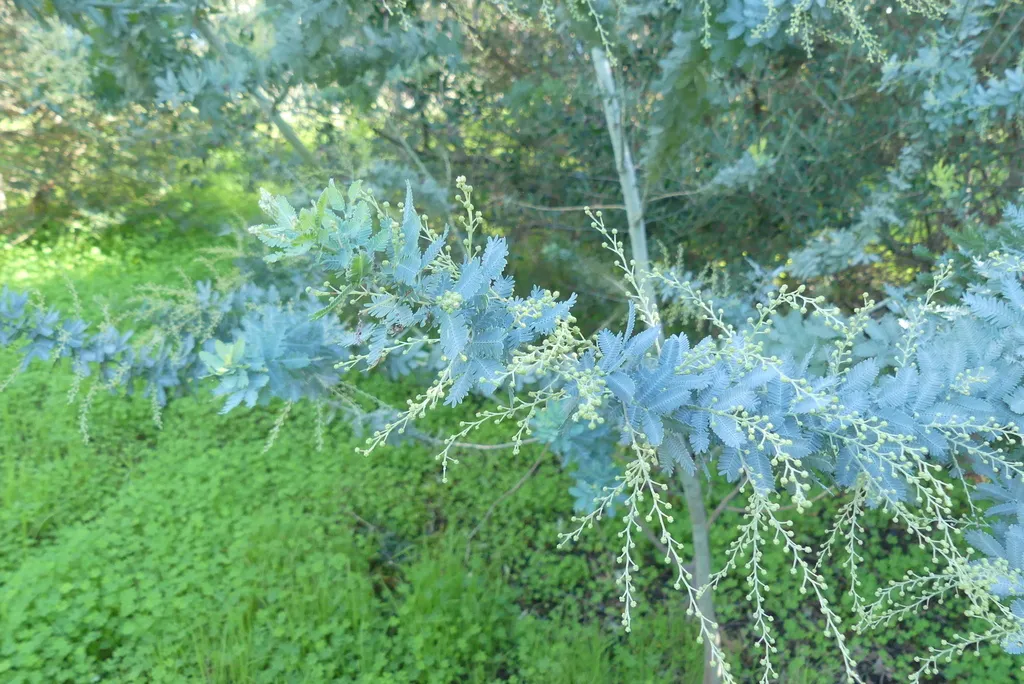
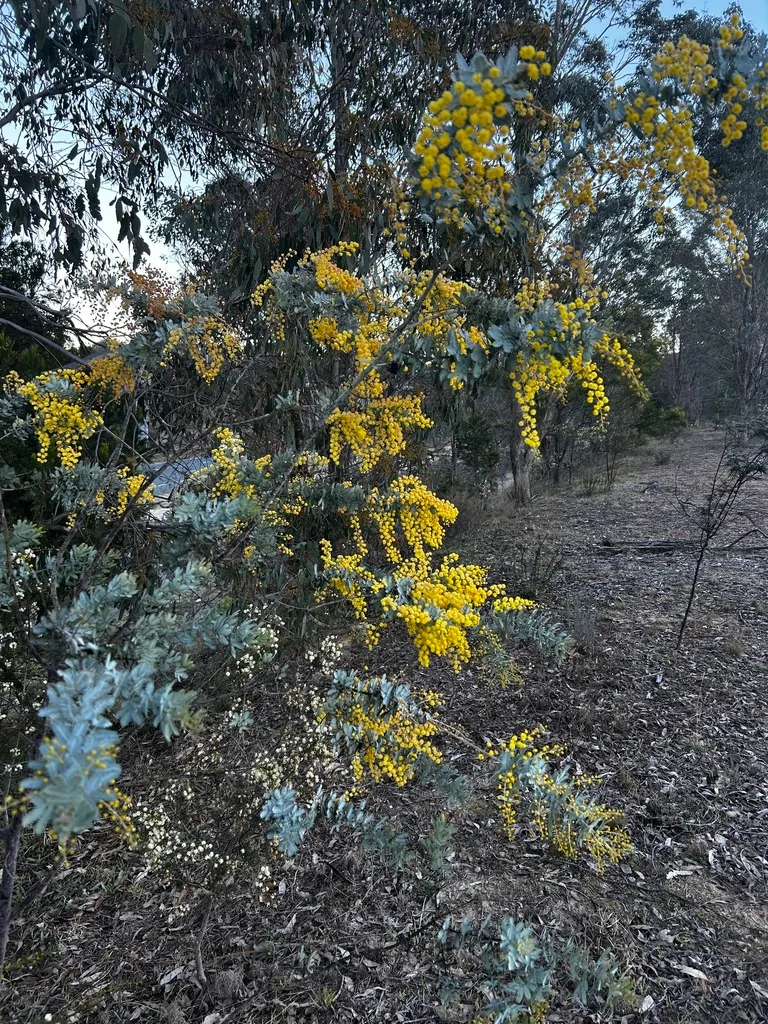
A large, graceful evergreen shrub to 6m in height, with fern-like, silvery-grey leaves and axillary racemes of small, globose yellow flowerheads in winter and spring
Scientific classification
- Species
- Cootamundra wattle (Acacia baileyana)
- Genus
- Acacia
- Family
- Fabaceae
- Order
- Fabales
- Class
- Magnoliopsida
- Phylum
- Magnoliophyta
- Information to be completed
- Toxicity
- Shrubs · Conservatory Greenhouse
- Plant type
- 4-8 metres
- Height
- 2.5-4 metres
- Spread
- Evergreen
- Foliage
- Bushy
- Habit
- Spring · Summer · Autumn · Winter
- Season of interest
- Full sun
- Sunlight
- Information to be completed
- Ideal temperature









Cootamundra wattle pictures
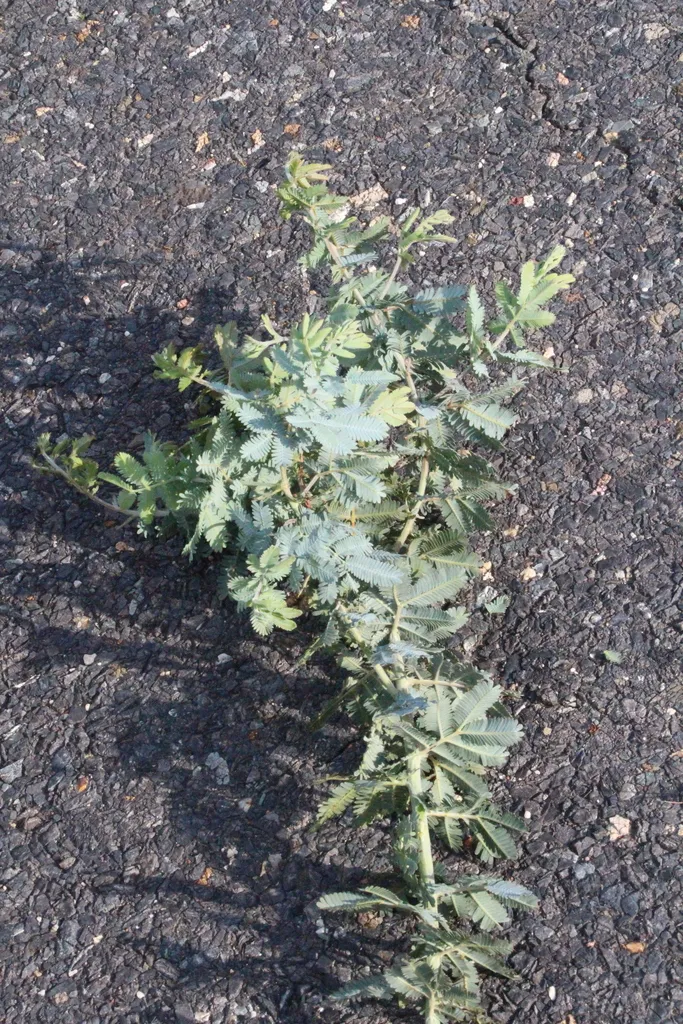
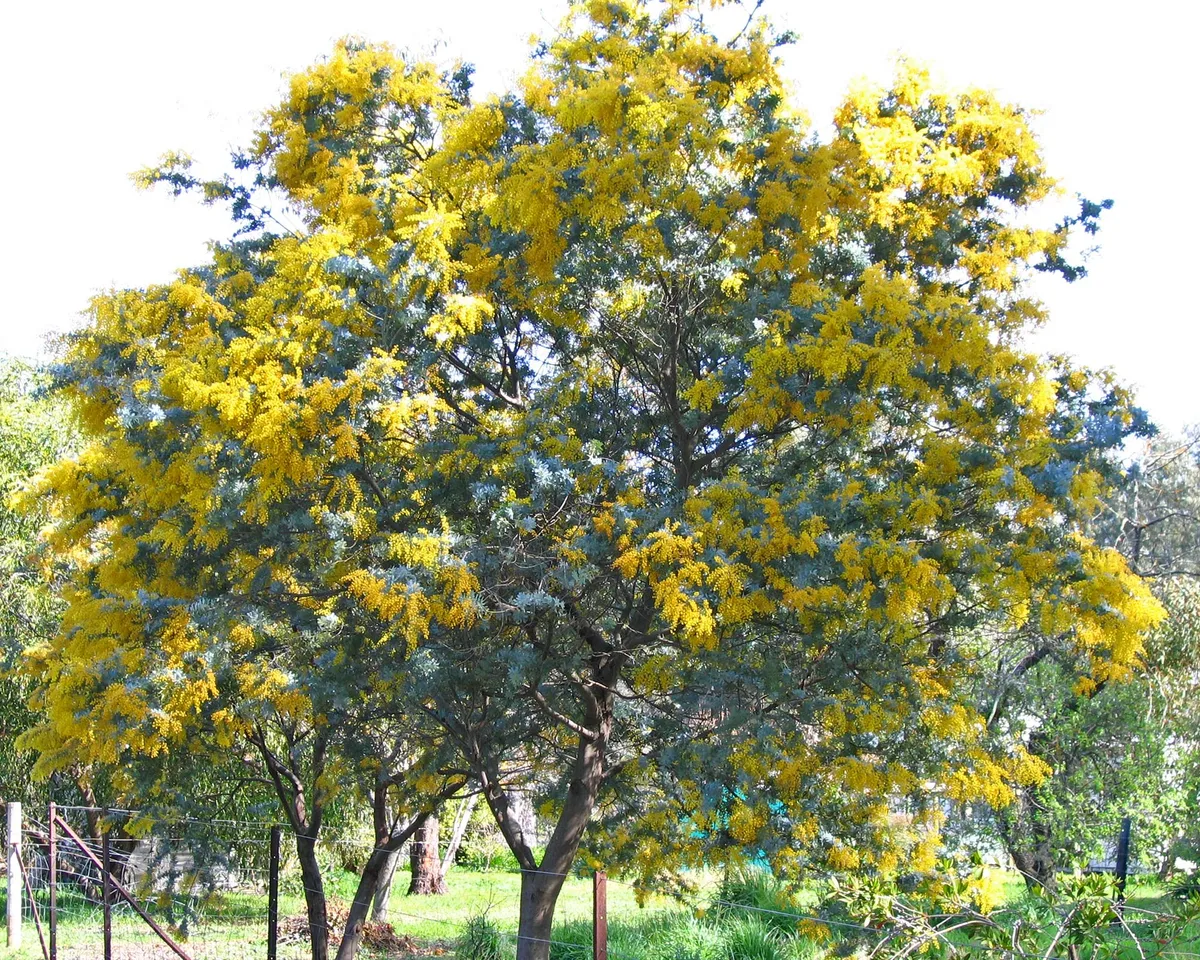
Distribution of Cootamundra wattle
Distribution map
- Native
- Introduced
- Cultivated
Source:WCVP v16 · Royal Botanic Gardens, Kew · CC BY 3.0 · Boundaries:WGSRPD / TDWG
Cootamundra wattle care guide
- Water young trees regularly; mature trees need little water, only in extreme drought.
- Watering
- Full sun
- Sunlight

Watering
Water young trees regularly; mature trees need little water, only in extreme drought.
Fertilizing
 Fertilizing
Apply a low-phosphorus tree fertilizer in early spring once established.
Pruning
 Pruning
For free-standing plants: Usually little pruning is needed. Lightly shape if necessary, removing dead, damaged or diseased shoots. Prune after flowering. For wall-trained specimens: On established wall-trained shrubs, shorten sideshoots to two to four buds from the framework; remove shoots growing towards the wall. Prune annually after flowering on last-year growth, or in late winter or early spring on current-year growth.
Propagation
 Propagation
Propagate by seed at a minimum of 18°C in spring or root semi-hardwood cuttings in summer
Growing
 Growing
Grow under glass or indoors in a loam-based potting compost in full light. When in growth water freely and apply a balanced liquid fertiliser monthly. Water sparingly in winter, keeping barely moist. Can be grown outdoors in warmer climates
Common pests and diseases
Diseases
May be susceptible to honey fungus
Pests
May be susceptible to glasshouse red spider mite, fluted scale and mealybugs
Explore the plant health library →




