
pelu
Also known as: Information to be completed
A large, deciduous shrub or small tree with slightly zig-zagging branches clothed with dark green leaves each comprising up to 31 small, oval to rounded leaflets. Clusters of bright yellow flowers in groups of three to seven are produced in spring and followed by woody fruits resembling strings of beads
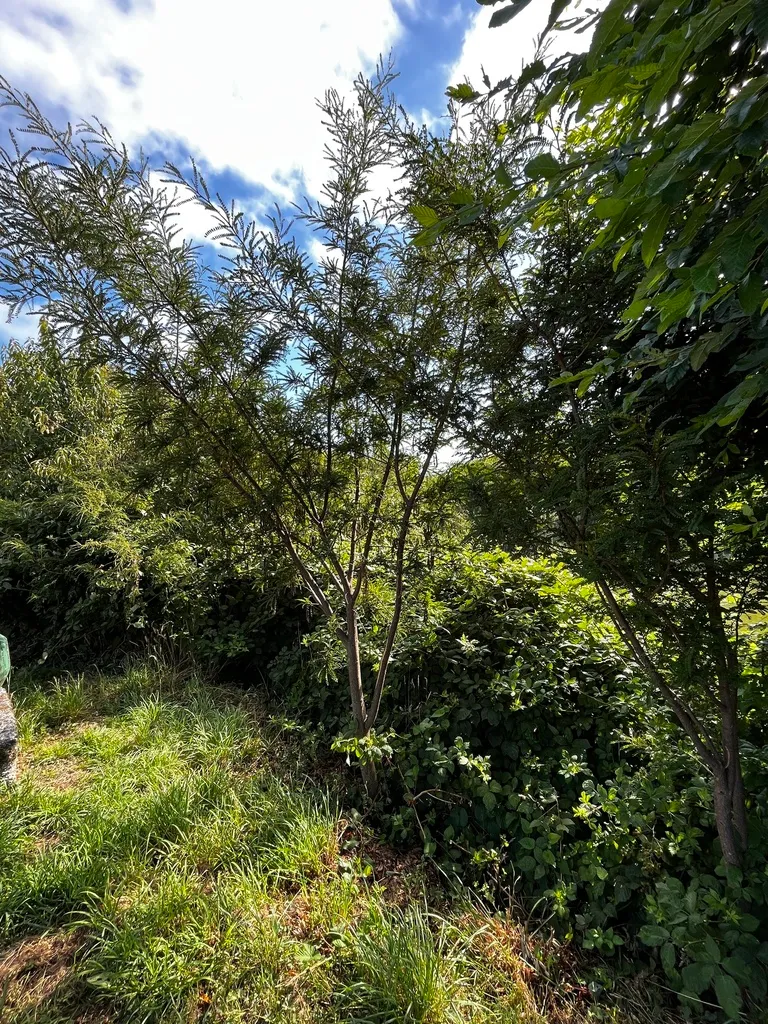
Scientific classification
- Species
- pelu (Sophora cassioides)
- Genus
- Sophora
- Family
- Fabaceae
- Harmful if eaten. Wear gloves and other protective equipment when handling
- Toxicity
- Shrubs · Trees
- Plant type
- 4-8 metres
- Height
- 4-8 metres
- Spread
- Deciduous
- Foliage
- Bushy
- Habit
- Spring · Summer · Autumn
- Season of interest
- Full sun
- Sunlight
- Information to be completed
- Ideal temperature









pelu pictures
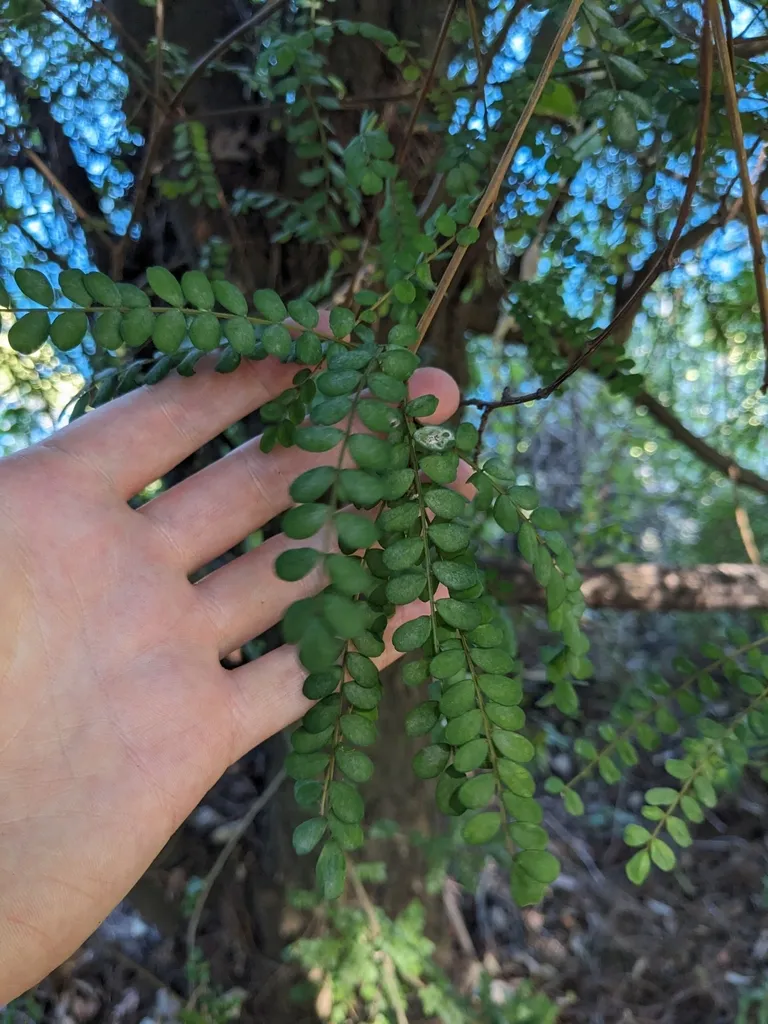
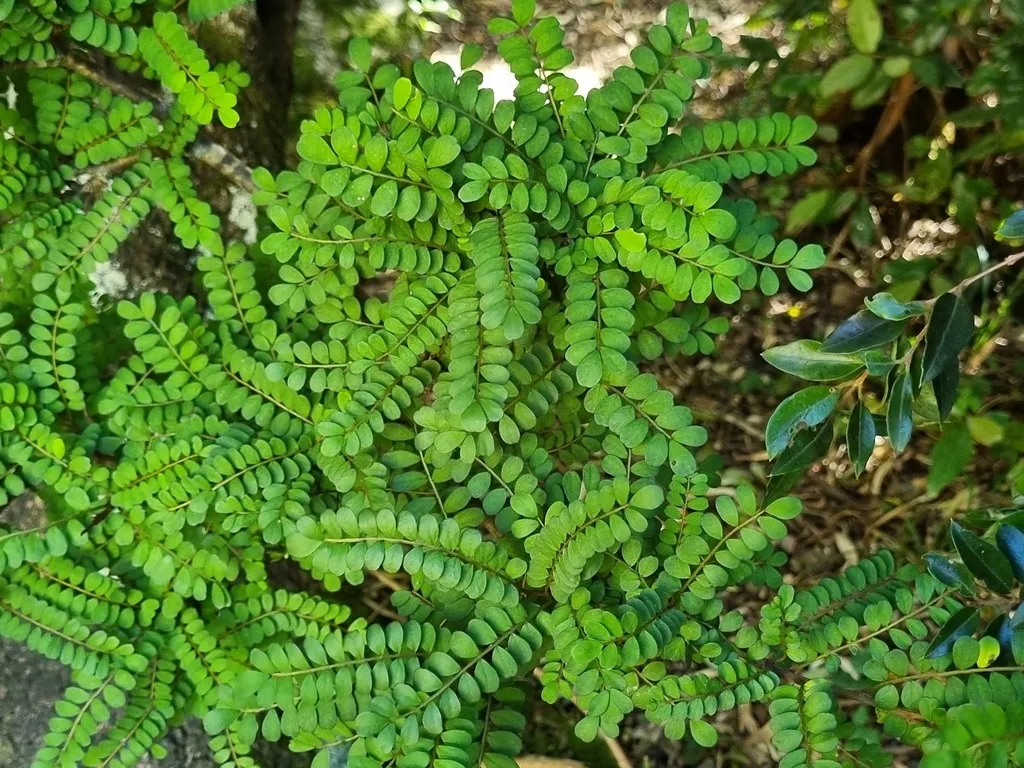
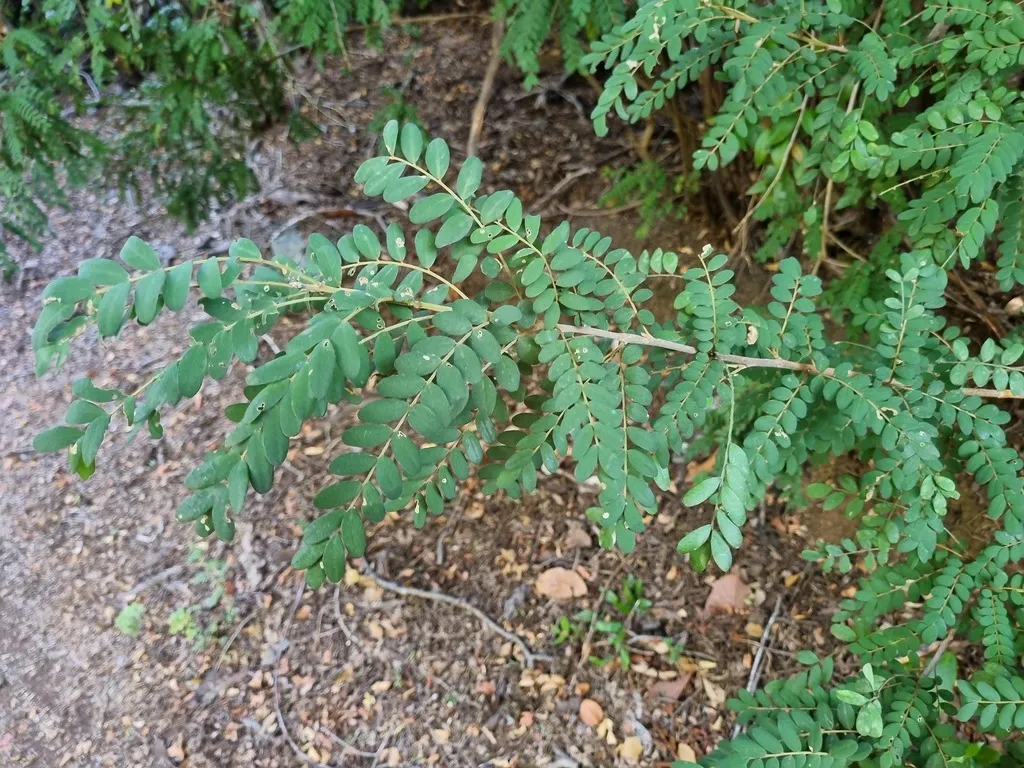
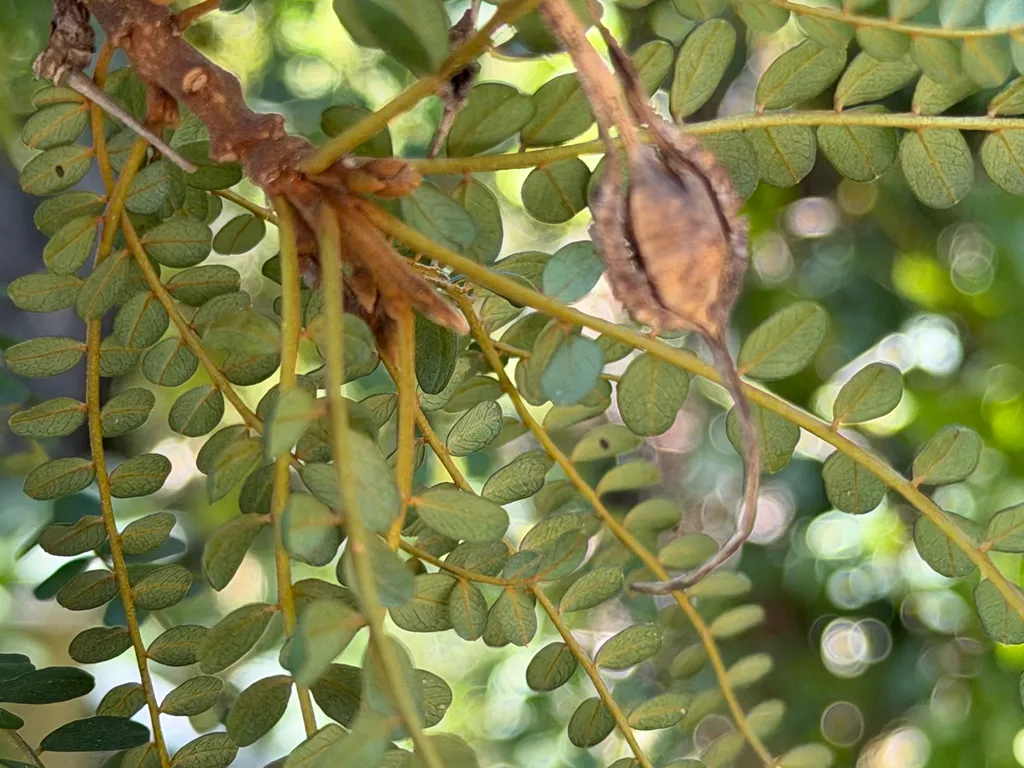
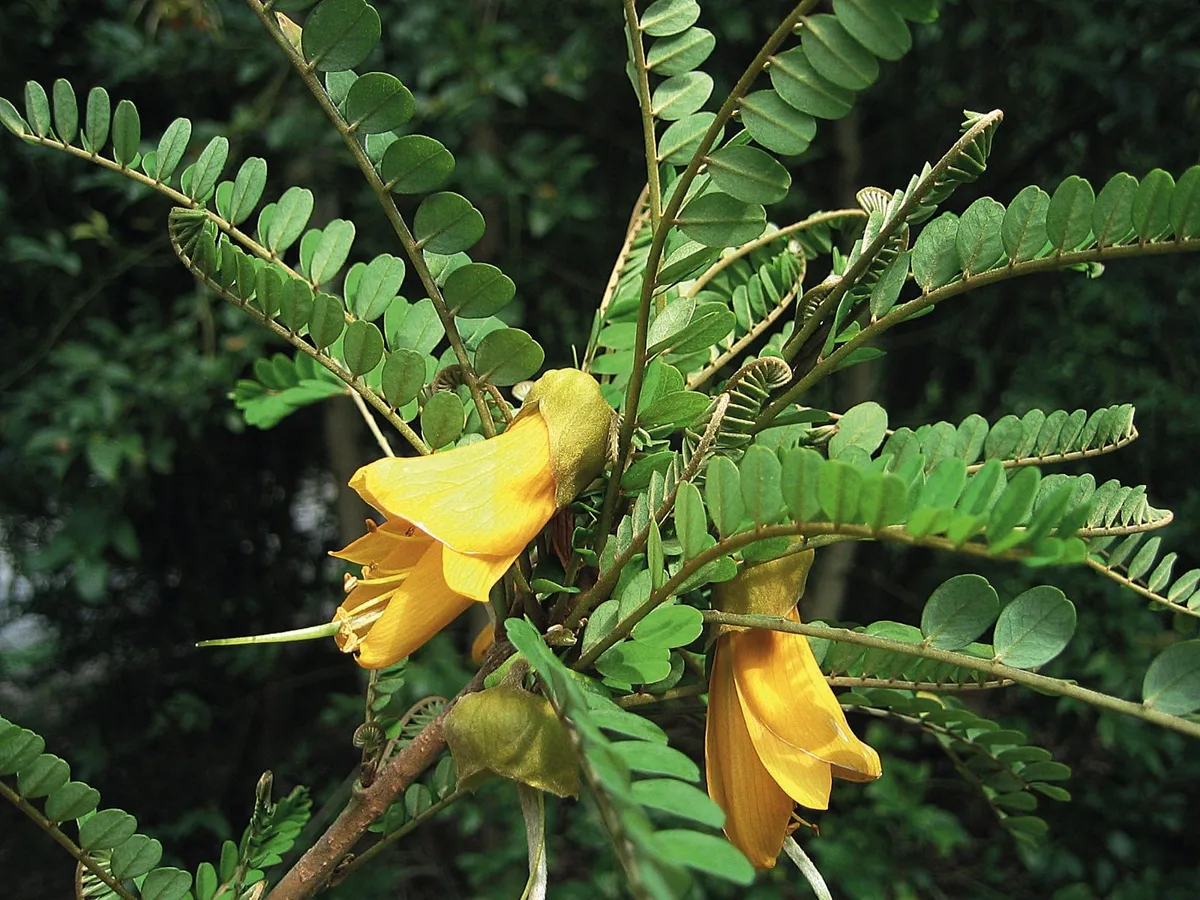
Distribution of pelu
Distribution map
Chile
Information to be completed
Culture
Information to be completed
Toxicity
Harmful if eaten. Wear gloves and other protective equipment when handling
Quick identification of pelu
Information to be completed
pelu care guide
- Weekly deep root watering in hot weather, reduce supply in winter
- Watering
- Full sun
- Sunlight
- Information to be completed
- Ideal temperature

Watering
Weekly deep root watering in hot weather, reduce supply in winter
Fertilizing
 Fertilizing
Slow-release tree shrub fertilizer applied single time each early spring
Pruning
 Pruning
Little pruning is needed. Remove diseased, damaged, crowded or crossing shoots and unwanted growth. Timing depends on the plant: generally late winter or early spring; plants prone to bleeding and deciduous magnolias need different timing, and deciduous azaleas and lilacs are pruned after flowering.
Propagation
 Propagation
Propagate by seed sown in a container in a cold frame as soon as ripe
Growing
 Growing
Grow in moderately fertile soil in full sun in a sheltered site
People also ask
Information to be completed
Common pests and diseases
Diseases
May be susceptible to honey fungus (rarely)
Pests
Generally pest-free
Explore the plant health library →




