
Cape honey flower
Also known as: sugar bush
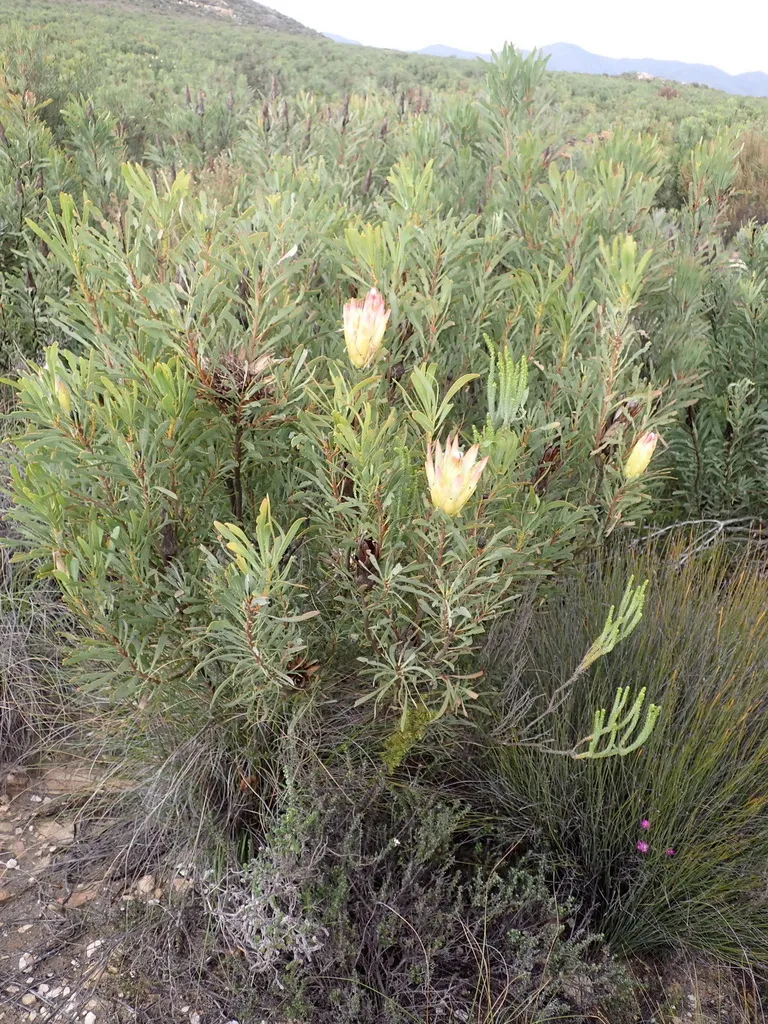
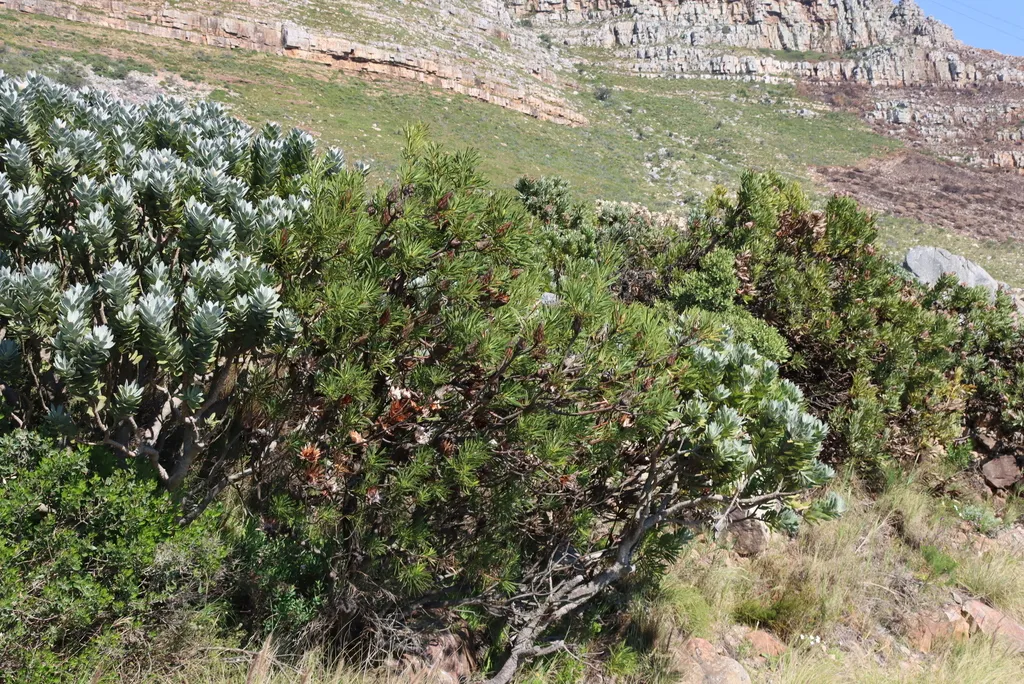
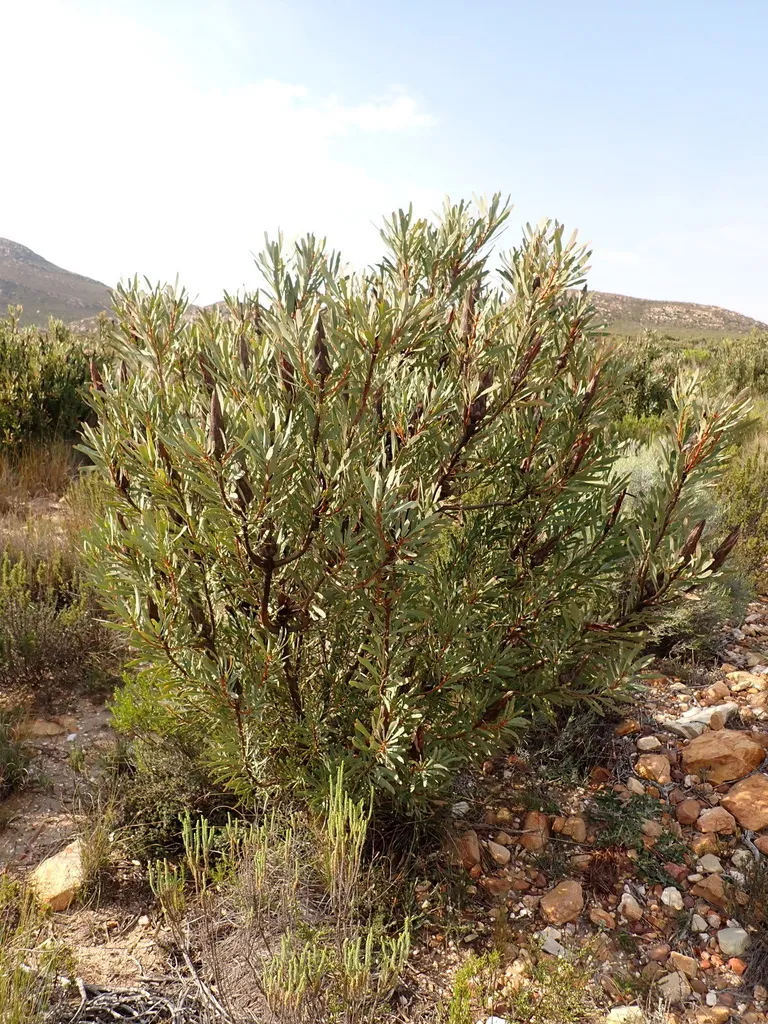
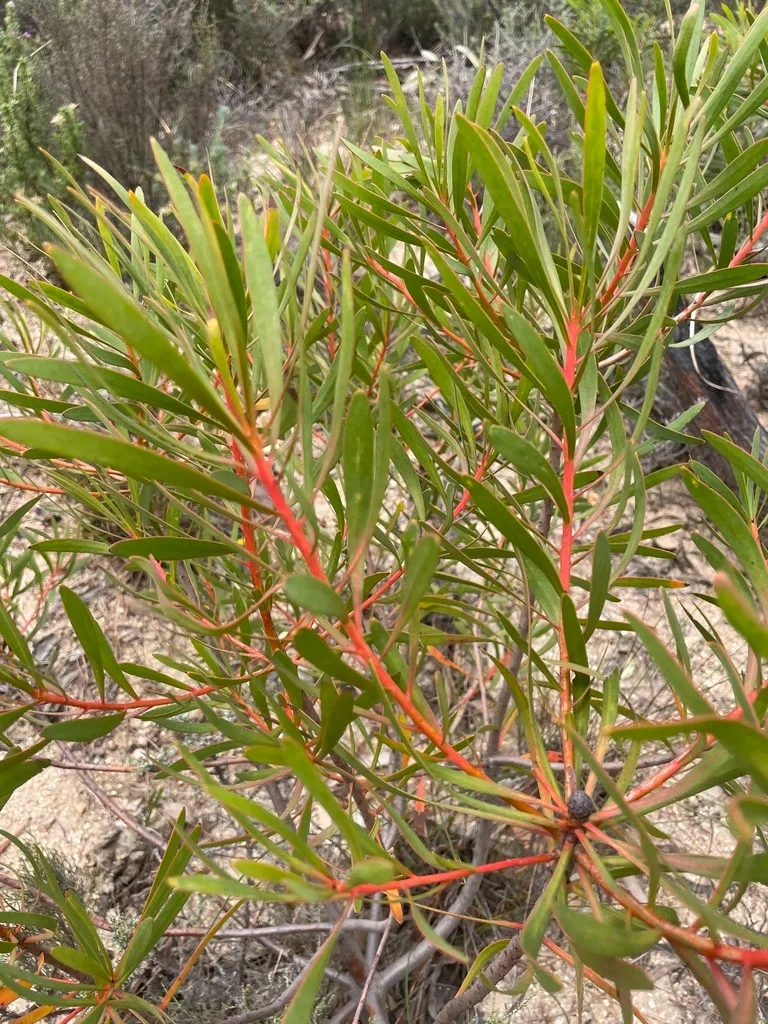
An erect, evergreen shrub to 3m, with leathery leaves. From spring to summer it produces flowerheads with whitish bracts with pink tips
Scientific classification
- Species
- Cape honey flower (Protea repens)
- Genus
- Protea
- Family
- Proteaceae
- Information to be completed
- Toxicity
- Shrubs
- Plant type
- 2.5-4 metres
- Height
- 1.5-2.5 metres
- Spread
- Evergreen
- Foliage
- Bushy
- Habit
- Spring · Summer · Autumn · Winter
- Season of interest
- Full sun
- Sunlight
- Information to be completed
- Ideal temperature









Cape honey flower pictures
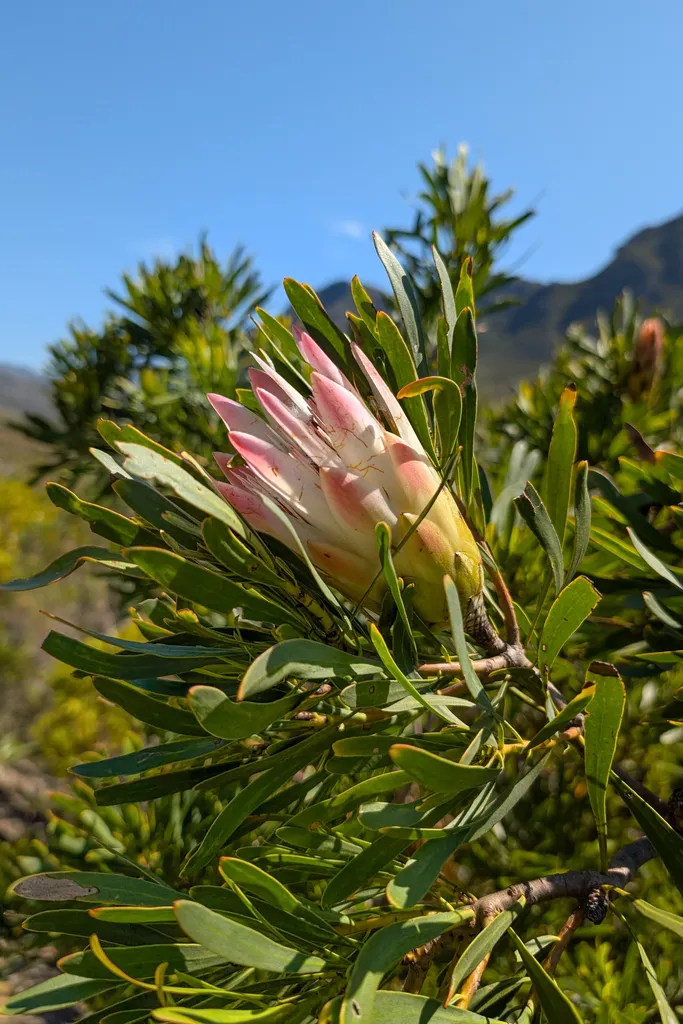
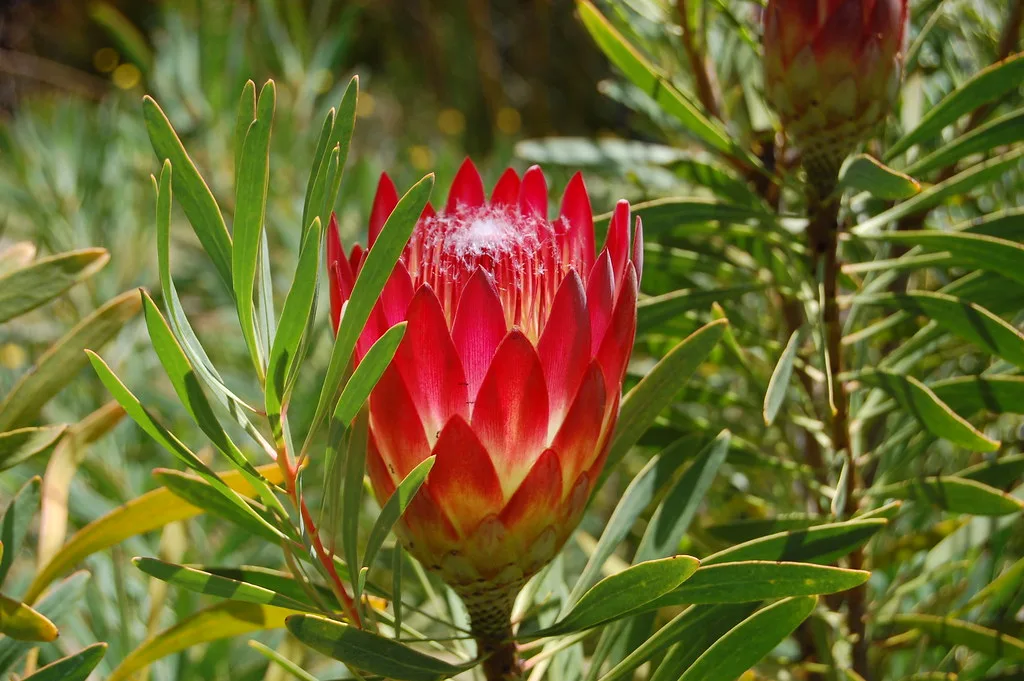
Distribution of Cape honey flower
Distribution map
South Africa (Western Cape, Eastern Cape)
Information to be completed
Culture
Information to be completed
Toxicity
Information to be completed
Quick identification of Cape honey flower
Information to be completed
Cape honey flower care guide
- Moderate regular watering, avoid prolonged drought and stagnant waterlogging
- Watering
- Full sun
- Sunlight
- Information to be completed
- Ideal temperature

Watering
Moderate regular watering, avoid prolonged drought and stagnant waterlogging
Fertilizing
 Fertilizing
Balanced perennial feed every four weeks spring through summer growth
Pruning
 Pruning
Little pruning is needed. Remove diseased, damaged, crowded or crossing shoots and unwanted growth. Timing depends on the plant: generally late winter or early spring; plants prone to bleeding and deciduous magnolias need different timing, and deciduous azaleas and lilacs are pruned after flowering.
Propagation
 Propagation
Propagate by seed or semi-ripe cuttings
Growing
 Growing
Under glass grow in a mix of 1 part loam with added charcoal and 3 parts equal measures of grit (or perlite) and peat substitute, in full light. Water moderately in spring and summer. Apply a liquid fertiliser of magnesium sulphate and urea, both at half recommended strength, once in spring and again in early autumn. Water sparingly in winter. Outdoors grow in poor, well-drained soil in full sun
People also ask
Information to be completed
Common pests and diseases
Diseases
May be susceptible to honey fungus (rarely)
Pests
Generally pest-free
Explore the plant health library →




