
Ethiopian eggplant
Also known as: bitter tomato; Ethiopian nightshade; pumpkinos
A shrub, forming a woody framework with age, suited to being grown as an annual in the UK. White flowers in summer are followed by fruits that are variable in size and colour, generally resembling tomatoes. Fruits are often cooked and used in similar ways to tomatoes or aubergines
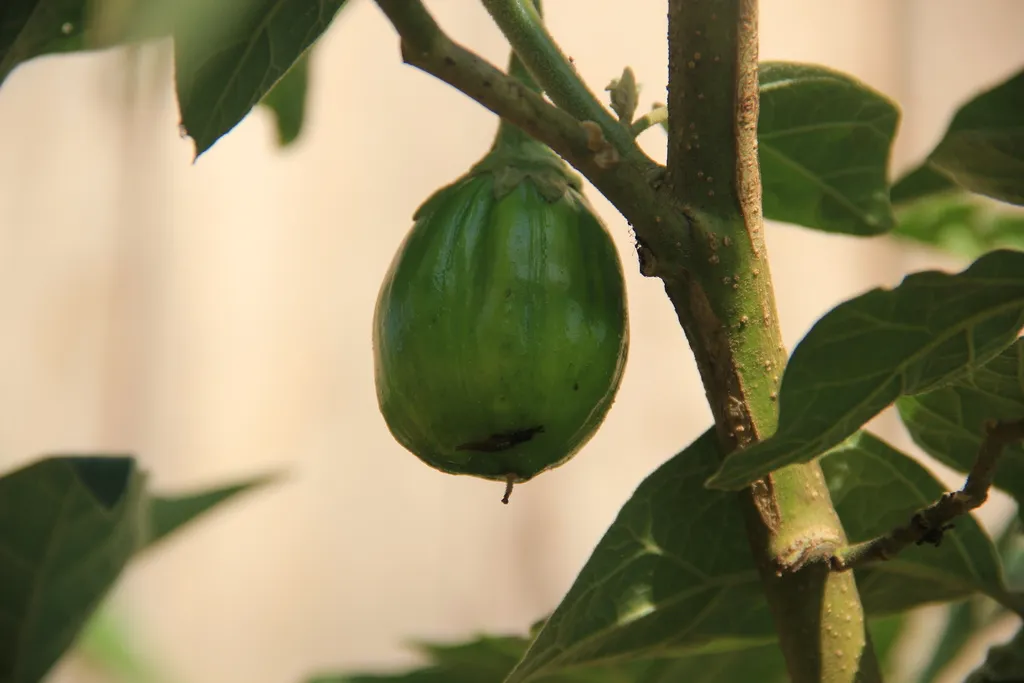
Scientific classification
- Species
- Ethiopian eggplant (Solanum aethiopicum)
- Genus
- Solanum
- Family
- Solanaceae
- Order
- Solanales
- Class
- Magnoliopsida
- Phylum
- Magnoliophyta
- Information to be completed
- Toxicity
- Shrubs
- Plant type
- 1.5-2.5 metres
- Height
- 1.5-2.5 metres
- Spread
- Deciduous
- Foliage
- Bushy
- Habit
- Spring · Summer · Autumn
- Season of interest
- Full sun
- Sunlight
- Information to be completed
- Ideal temperature









Ethiopian eggplant pictures
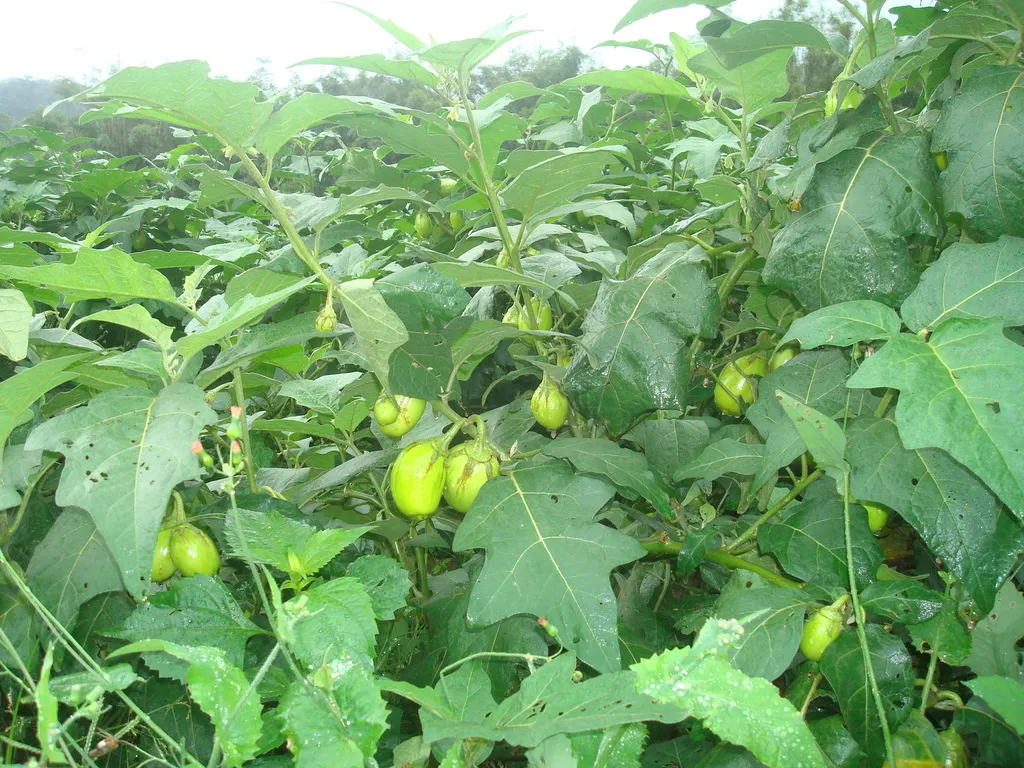
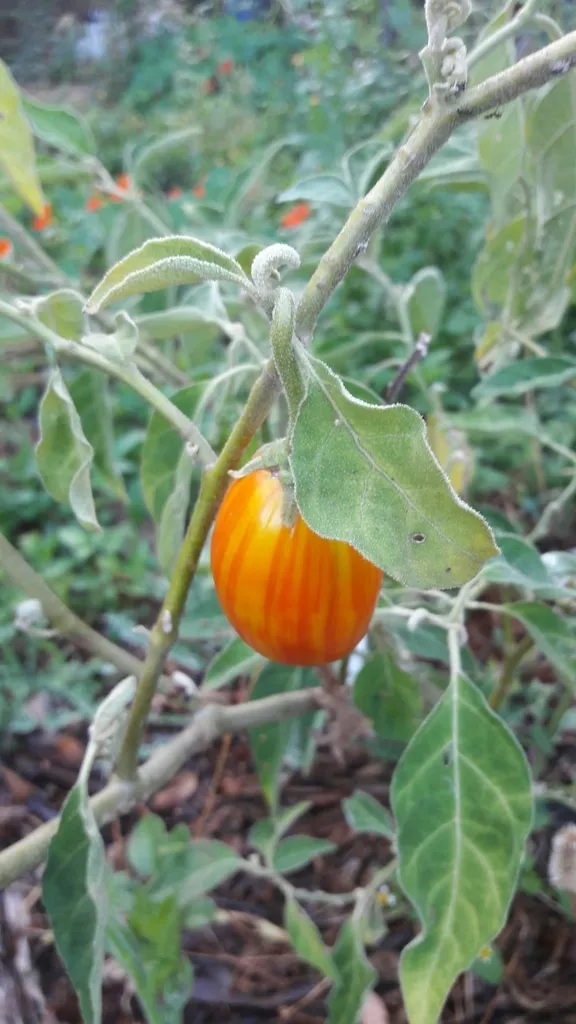
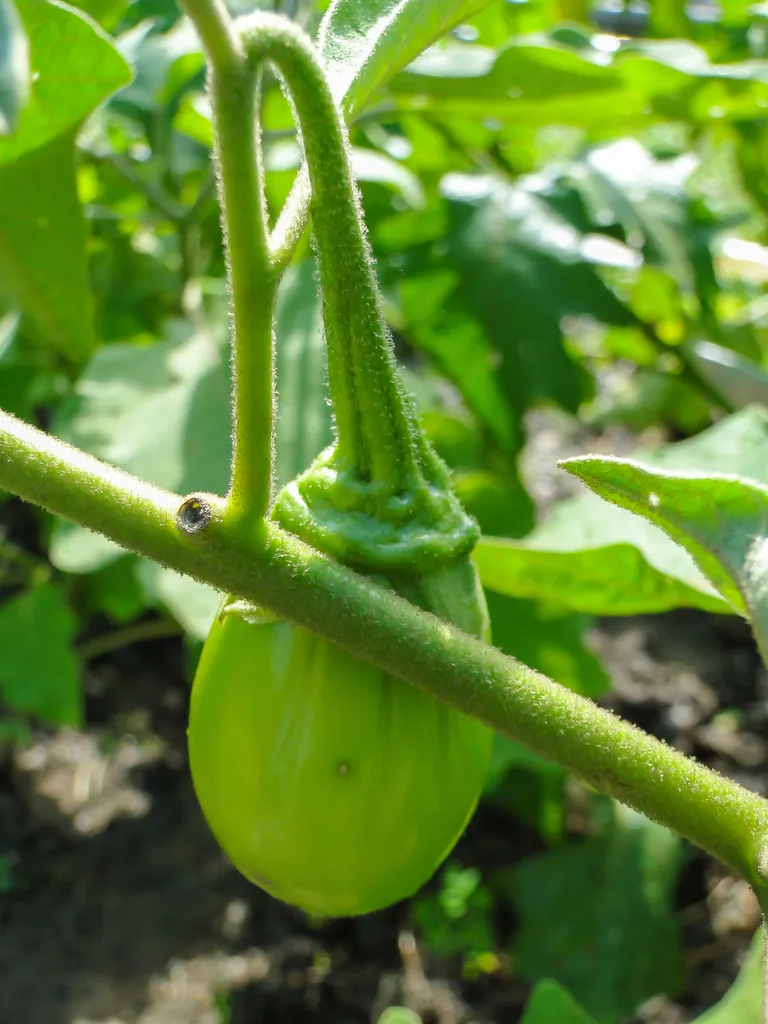
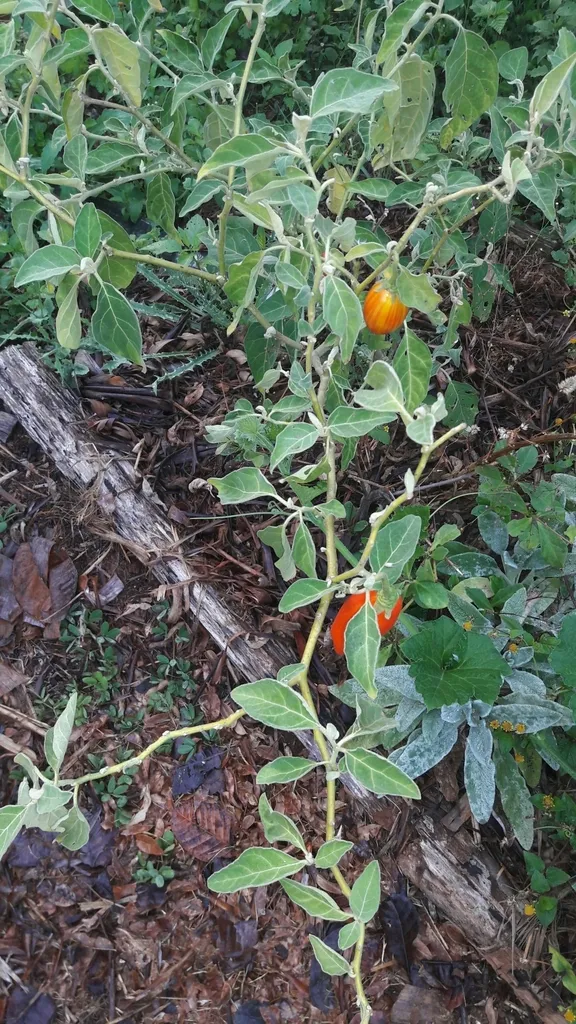
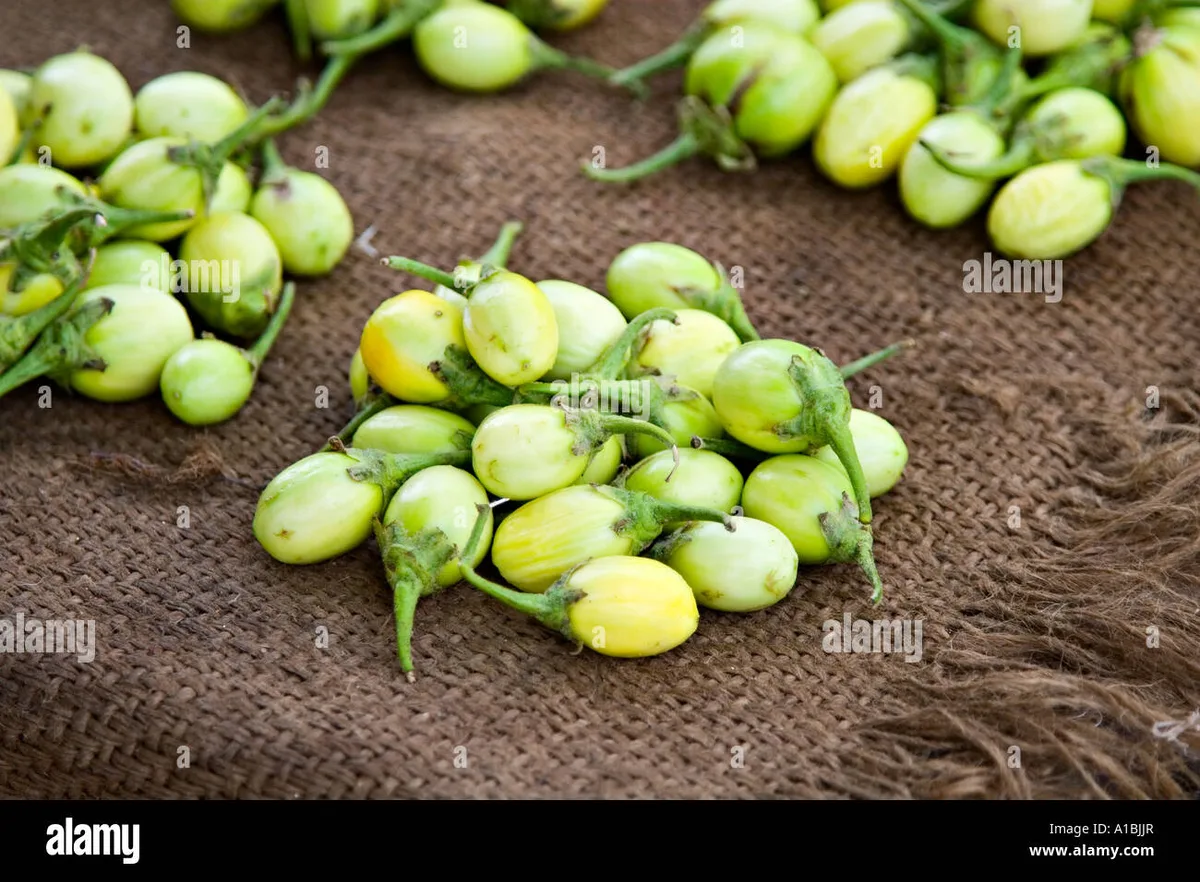
Distribution of Ethiopian eggplant
Distribution map
- Native
- Introduced
- Cultivated
Source:WCVP v16 · Royal Botanic Gardens, Kew · CC BY 3.0 · Boundaries:WGSRPD / TDWG
Ethiopian eggplant care guide
- Moderate regular watering, allowing brief slight drying between soakings
- Watering
- Full sun
- Sunlight

Watering
Moderate regular watering, allowing brief slight drying between soakings
Fertilizing
 Fertilizing
Balanced perennial feed every four weeks from spring through summer
Pruning
 Pruning
No pruning required
Propagation
 Propagation
Propagate by seed (sown indoors) in early spring
Growing
 Growing
Grow in full sun, keep well watered and feed with a high potassium feed once fruit starts to set. Suitable for growing in containers, either outdoors in a sunny spot or in a greenhouse
Common pests and diseases
Diseases
May be susceptible to honey fungus (rarely) and verticillium wilt
Pests
May be susceptible to glasshouse red spider mite, slugs and snails
Explore the plant health library →




