
bongardie
Also known as: Information to be completed
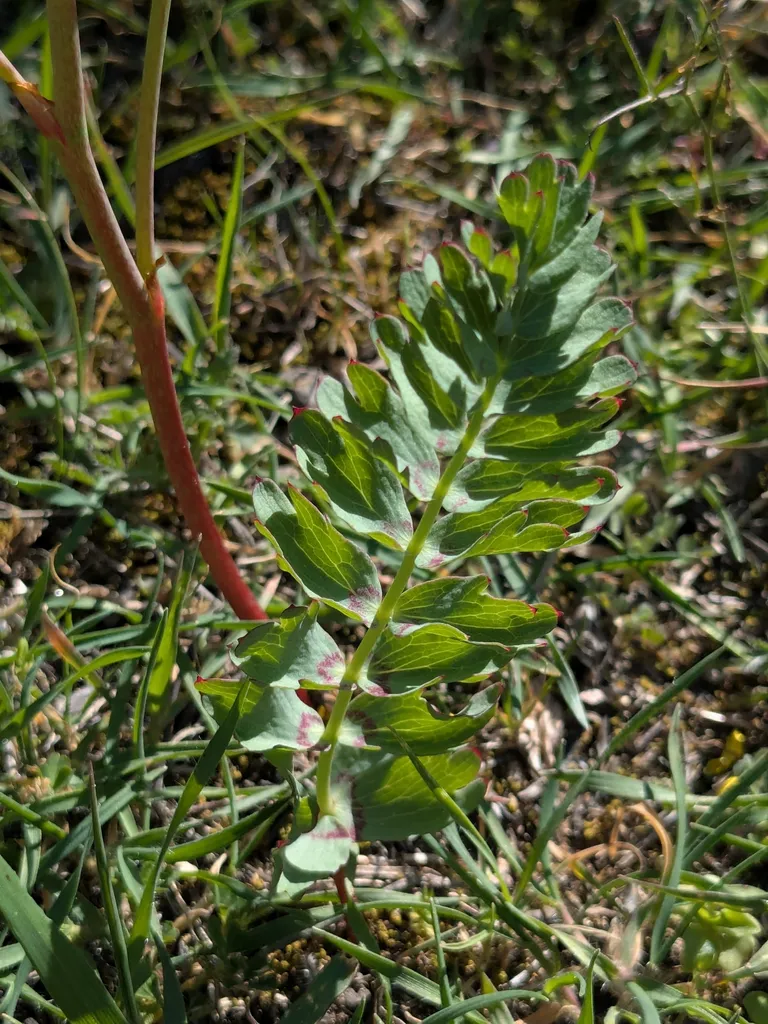
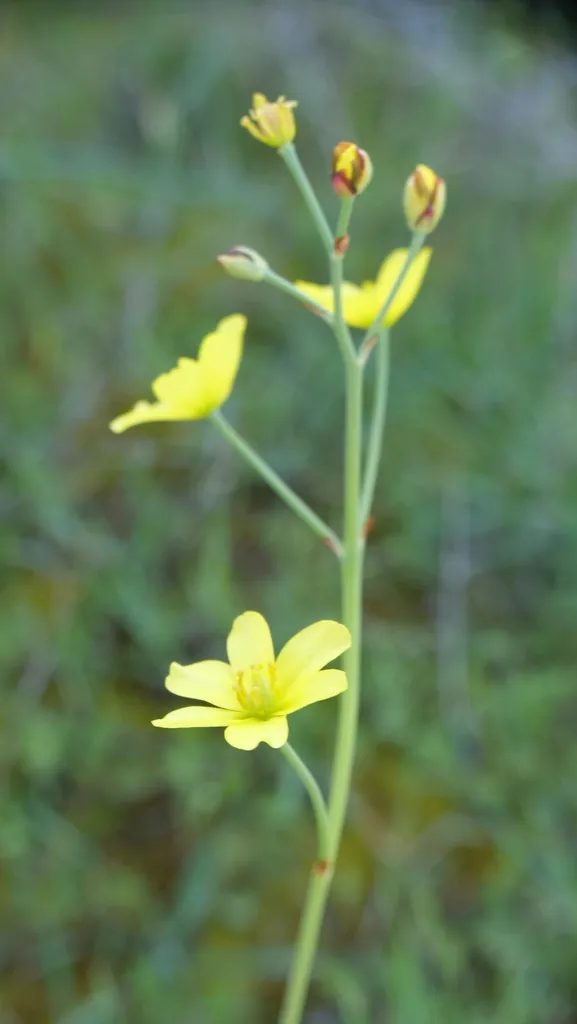
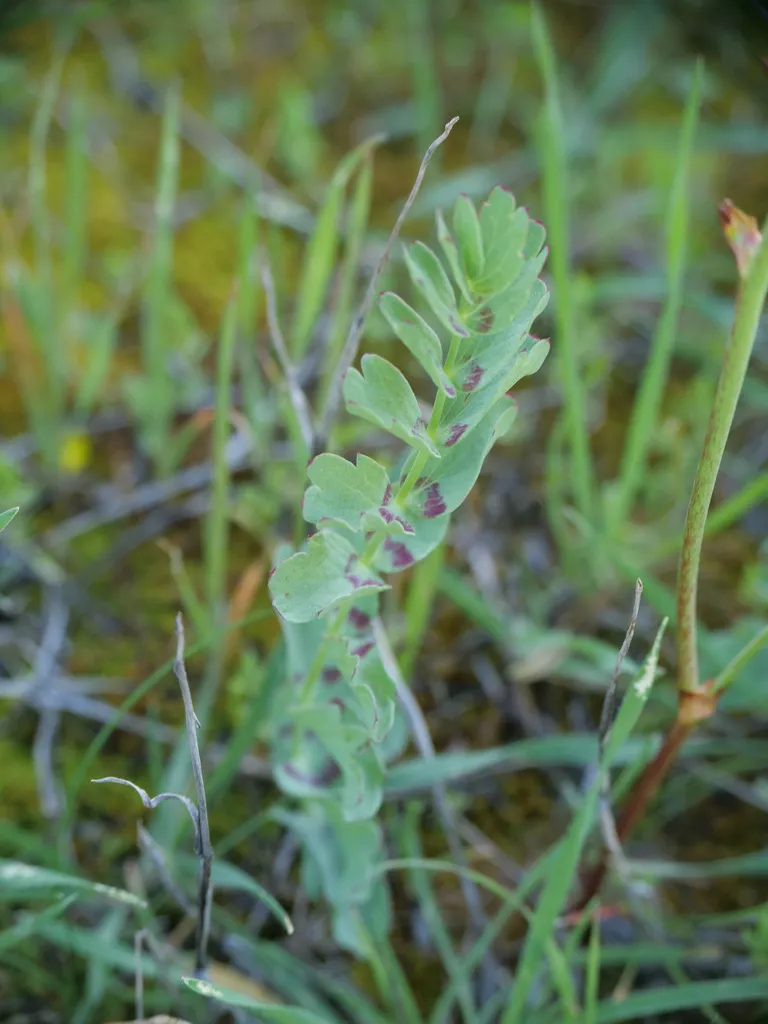
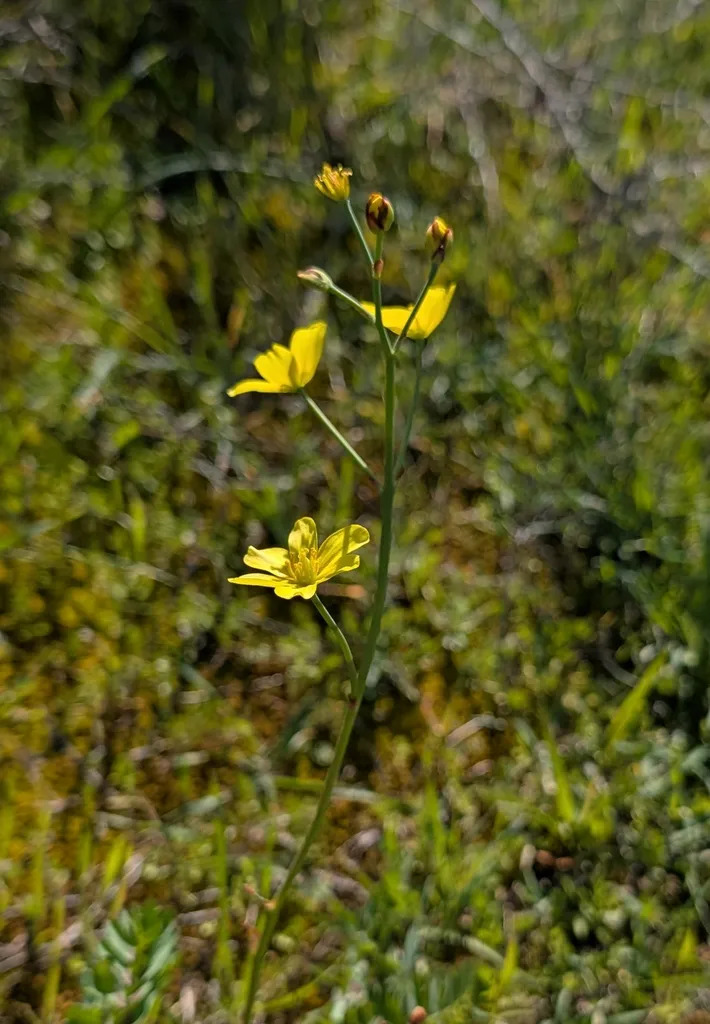
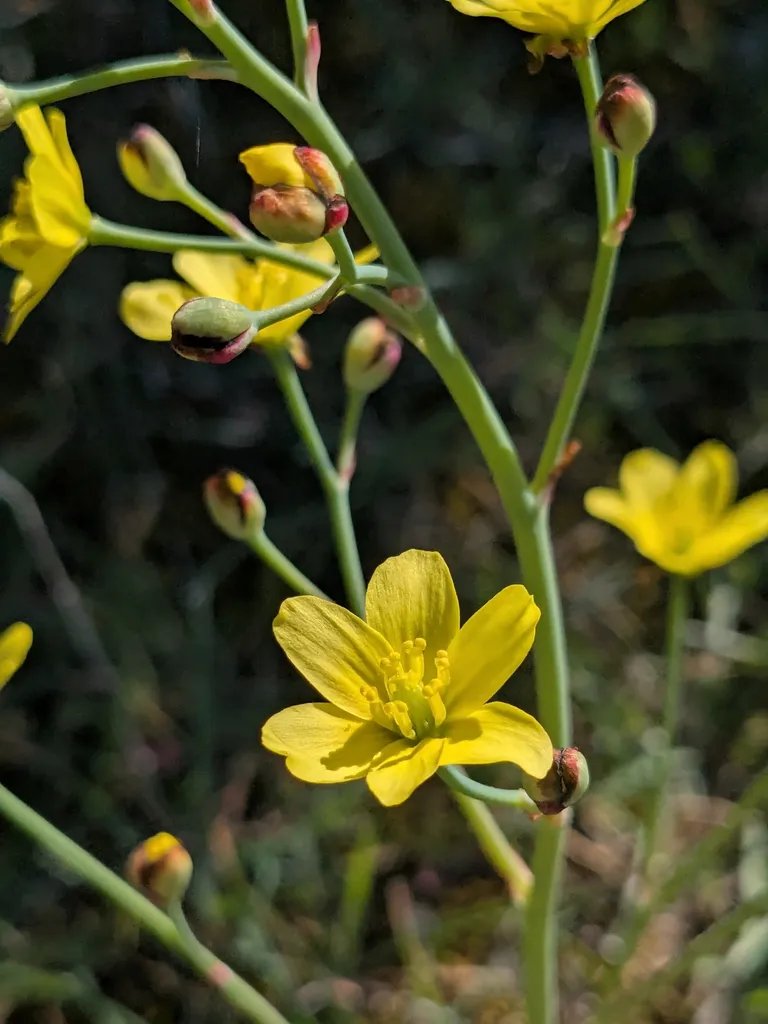
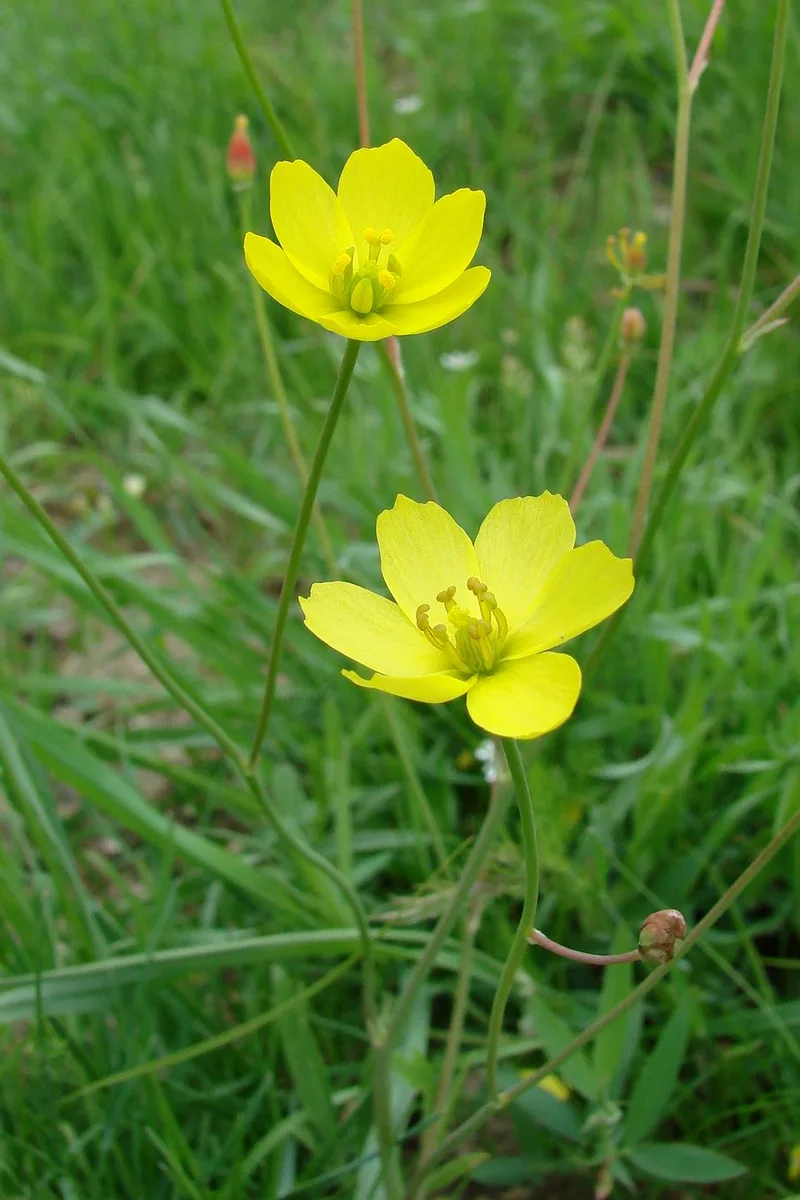
A tuberous perennial with grey-green pinnate leaves arising directly from the tuber; each leaflet is toothed at the top with a reddish-purple blotch at the base. Honey-scented spring flowers to 1.5cm across are a rich golden-yellow and borne on branched stems up to around 30cm tall
Scientific classification
- Species
- bongardie (Bongardia chrysogonum)
- Genus
- Bongardia
- Family
- Liliaceae
- Order
- Liliales
- Class
- Liliopsida
- Phylum
- Tracheophyta
- Information to be completed
- Toxicity
- Herbaceous Perennial
- Plant type
- 0.1-0.5 metres
- Height
- 0.1-0.5 metres
- Spread
- Deciduous
- Foliage
- Columnar upright
- Habit
- Spring · Summer
- Season of interest
- Full sun
- Sunlight
- Information to be completed
- Ideal temperature









bongardie pictures
Distribution of bongardie
Distribution map
- Native
- Introduced
- Cultivated
Source:WCVP v16 · Royal Botanic Gardens, Kew · CC BY 3.0 · Boundaries:WGSRPD / TDWG
bongardie care guide
- Regular moisture during leaf growth, dry soil fully in summer dormancy
- Watering
- Full sun
- Sunlight

Watering
Regular moisture during leaf growth, dry soil fully in summer dormancy
Fertilizing
 Fertilizing
Mild bulb nutrient feed biweekly before dormancy sets in summer
Pruning
 Pruning
No pruning required
Propagation
 Propagation
Propagate by seed
Growing
 Growing
Grow in a well-drained soil in full sun protected from excessive wet; keep hot and dry during summer dormancy
Common pests and diseases
Diseases
Generally disease-free
Pests
Generally pest-free
Explore the plant health library →




