
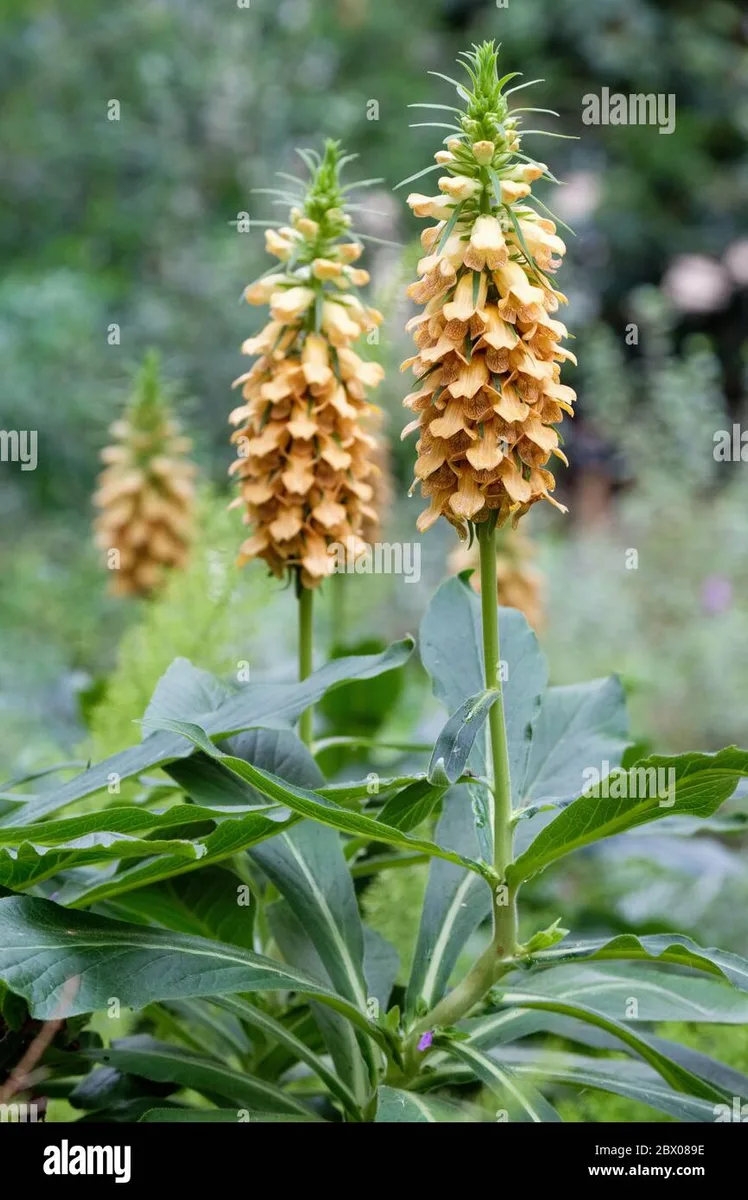
sceptre foxglove
Also known as: Information to be completed
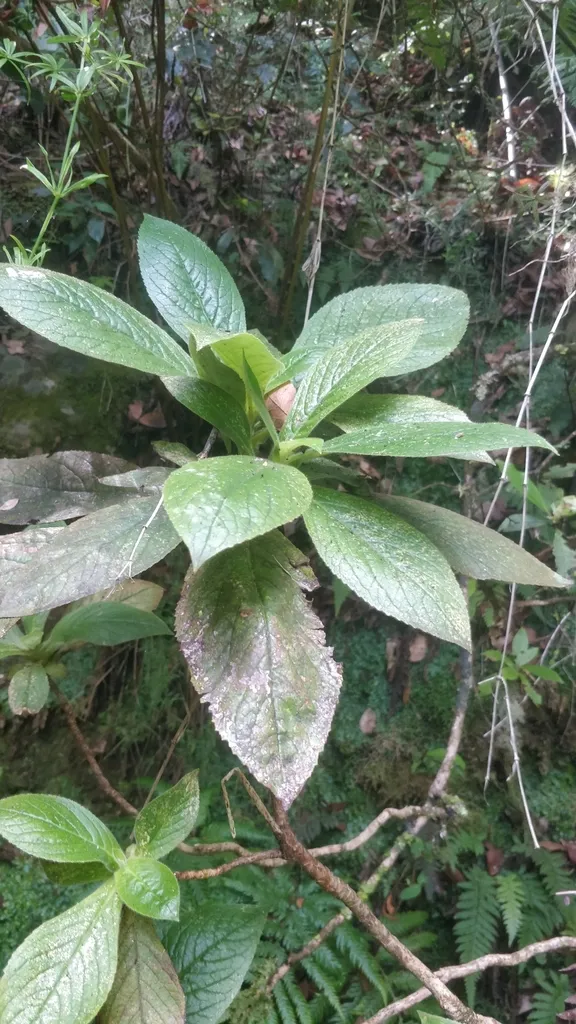
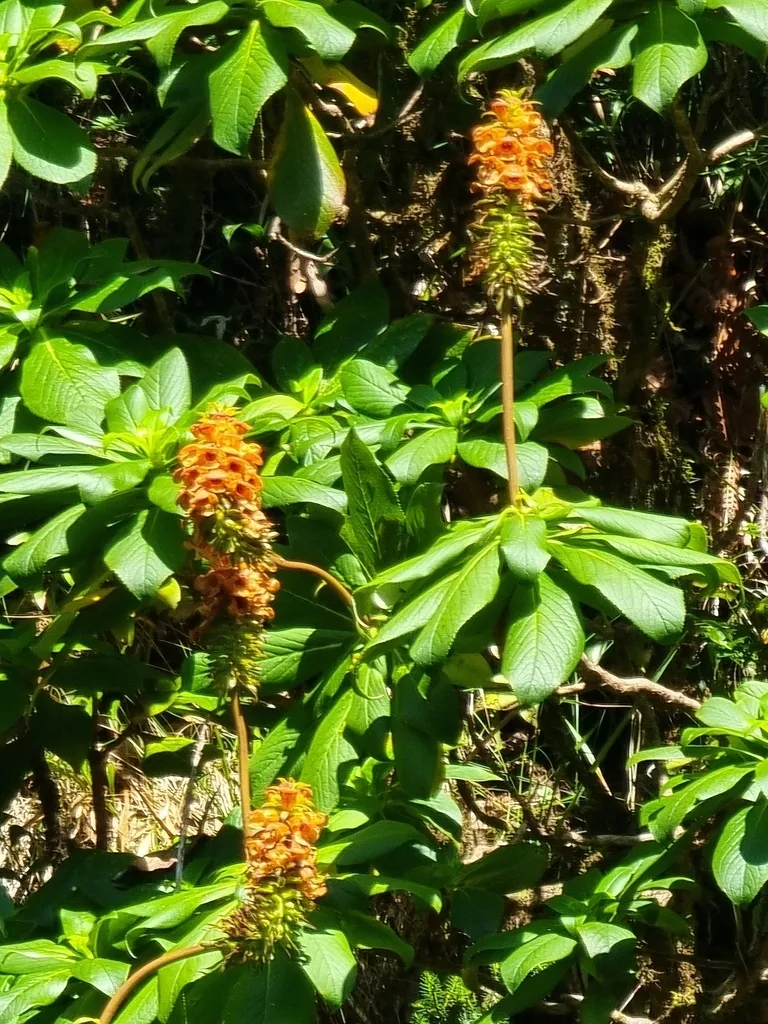
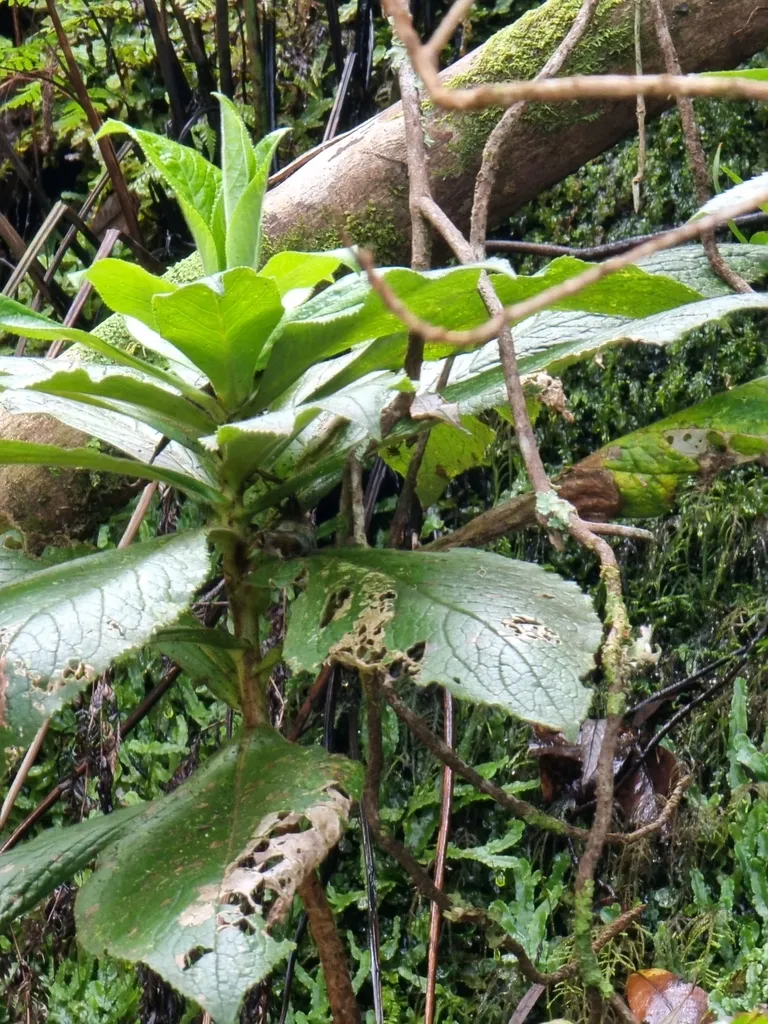
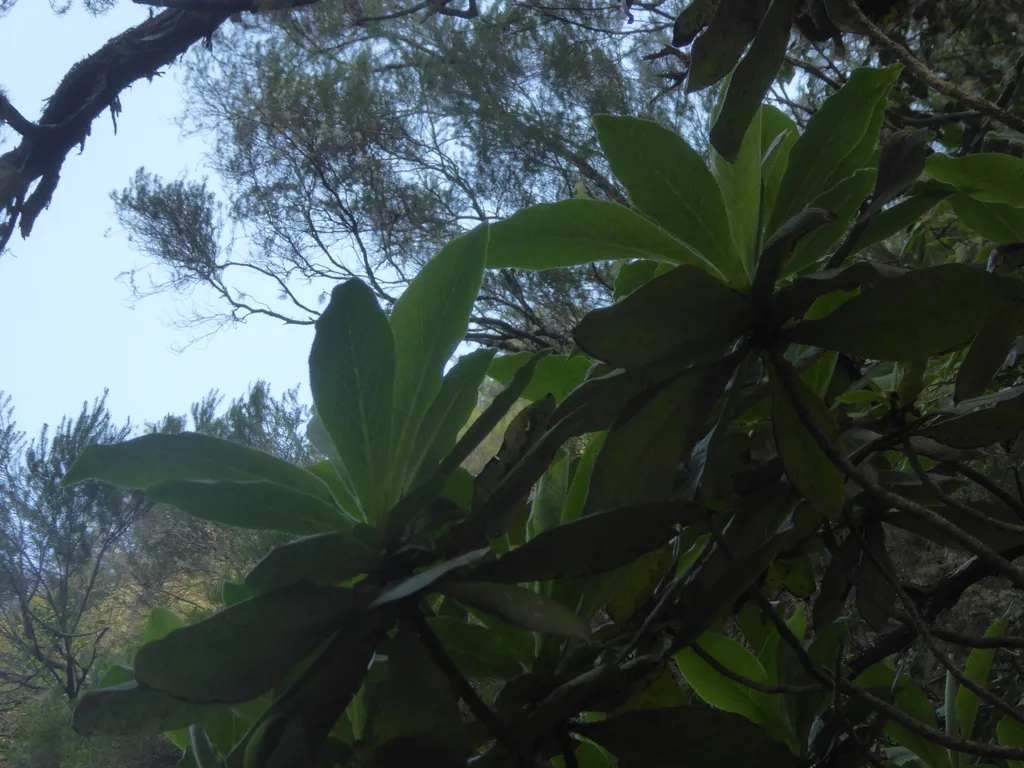
A tender evergreen shrub, up to 1.8m high, with toothed, ovate to ovate-oblong leaves and racemes up to 13cm long of yellow flowers, netted inside with tawny-brown, in summer; many Digitalis species are a reliably good source of nectar for bumblebees, especially long-tongued bumblebees
Scientific classification
- Species
- sceptre foxglove (Digitalis sceptrum)
- Genus
- Digitalis
- Family
- Plantaginaceae
- TOXIC if eaten. Wear gloves and other protective equipment when handling
- Toxicity
- Conservatory Greenhouse · Shrubs
- Plant type
- 1.5-2.5 metres
- Height
- 1.5-2.5 metres
- Spread
- Evergreen
- Foliage
- Bushy
- Habit
- Spring · Summer · Autumn · Winter
- Season of interest
- Full sun · Partial shade
- Sunlight
- Information to be completed
- Ideal temperature









sceptre foxglove pictures

Distribution of sceptre foxglove
Distribution map
Madeira
Information to be completed
Culture
Information to be completed
Toxicity
TOXIC if eaten. Wear gloves and other protective equipment when handling
Quick identification of sceptre foxglove
Information to be completed
sceptre foxglove care guide
- Moderate regular watering, allowing brief slight drying between soakings
- Watering
- Full sun · Partial shade
- Sunlight
- Information to be completed
- Ideal temperature

Watering
Moderate regular watering, allowing brief slight drying between soakings
Fertilizing
 Fertilizing
Balanced perennial feed every four weeks from spring through summer
Pruning
 Pruning
No pruning required except deadheading to encourage further flowering
Propagation
 Propagation
Propagate by seed, sown at 18-24°C in a sandy seed mixture in spring; by softwood cuttings in spring; or by semi-ripe cuttings in summer with bottom heat
Growing
 Growing
In frost-free areas, grow in a sheltered position in a sunny to partially shaded site in well-drained soil; in frost-prone areas, grow in a cool greenhouse with minimum night temperatures of 5-10°C, in medium-fertility loam-based compost, such as John Innes No. 2, with added sand and leafmould, water plentifully in summer but moderately in winter, and keep plants well ventilated
People also ask
Information to be completed
Common pests and diseases
Diseases
May be susceptible to fungal leaf spots, powdery mildews, downy mildews, crown rots and root rots
Pests
May be susceptible to caterpillars, glasshouse red spider mite and glasshouse whitefly but generally pest-free
Explore the plant health library →




