
Legrandia concinna
Also known as: Information to be completed
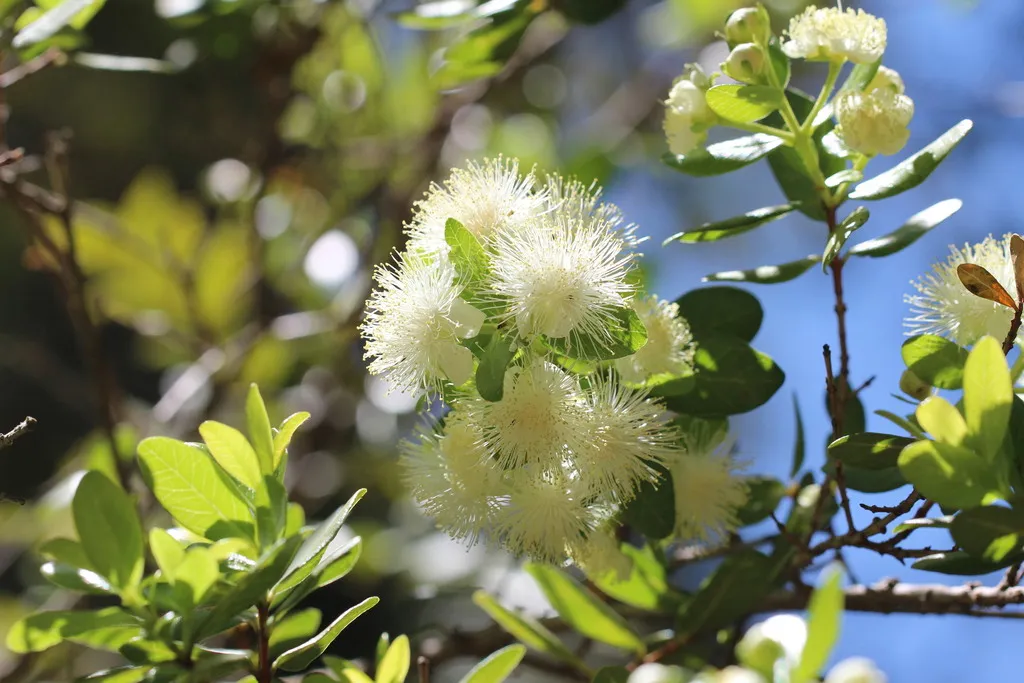
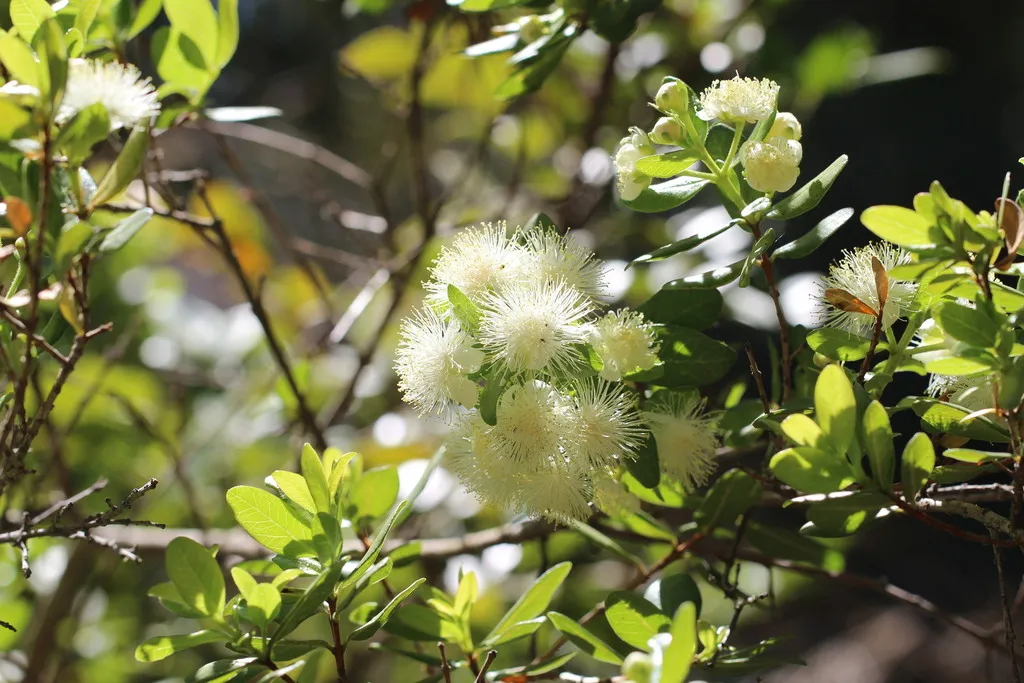
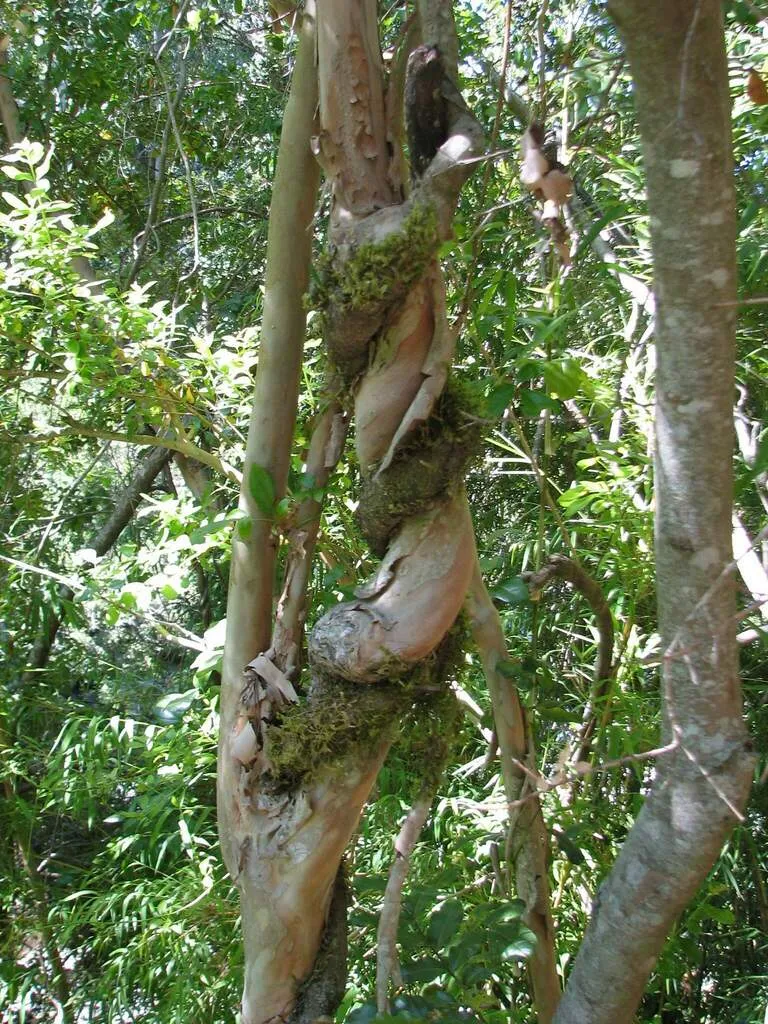
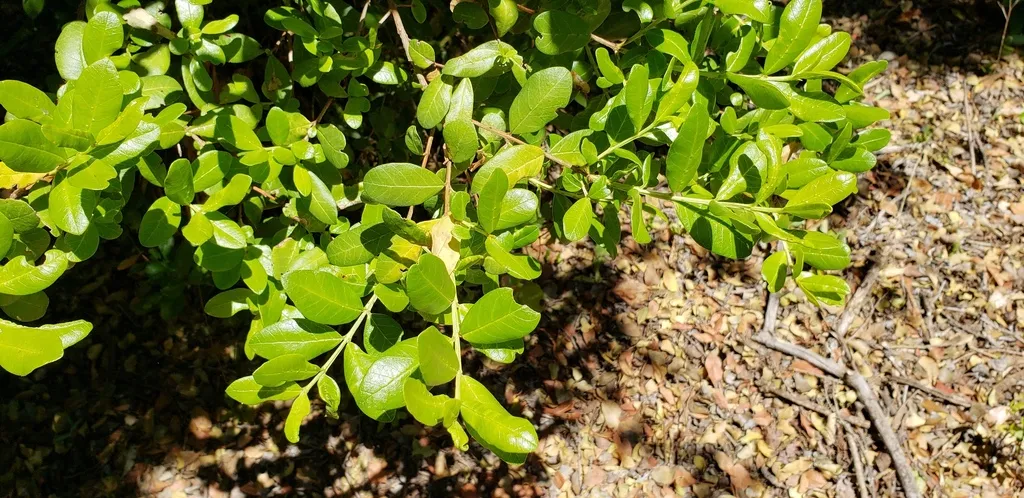
A small evergreen tree to about 8m tall, from the temperate forests of central Chile. Very rare in cultivation with attractive reddish-brown, peeling bark and aromatic, leathery, dark green leaves to 3cm long, deep red as they emerge. Produces large, fragrant, white myrtle-like flowers with long stamens, during early to midsummer followed by red fruit
Scientific classification
- Species
- Legrandia concinna (Legrandia concinna)
- Genus
- Legrandia
- Family
- Myrtaceae
- Information to be completed
- Toxicity
- Trees
- Plant type
- 4-8 metres
- Height
- 4-8 metres
- Spread
- Evergreen
- Foliage
- Information to be completed
- Habit
- Spring · Summer · Autumn · Winter
- Season of interest
- Full sun
- Sunlight
- Information to be completed
- Ideal temperature









Legrandia concinna pictures
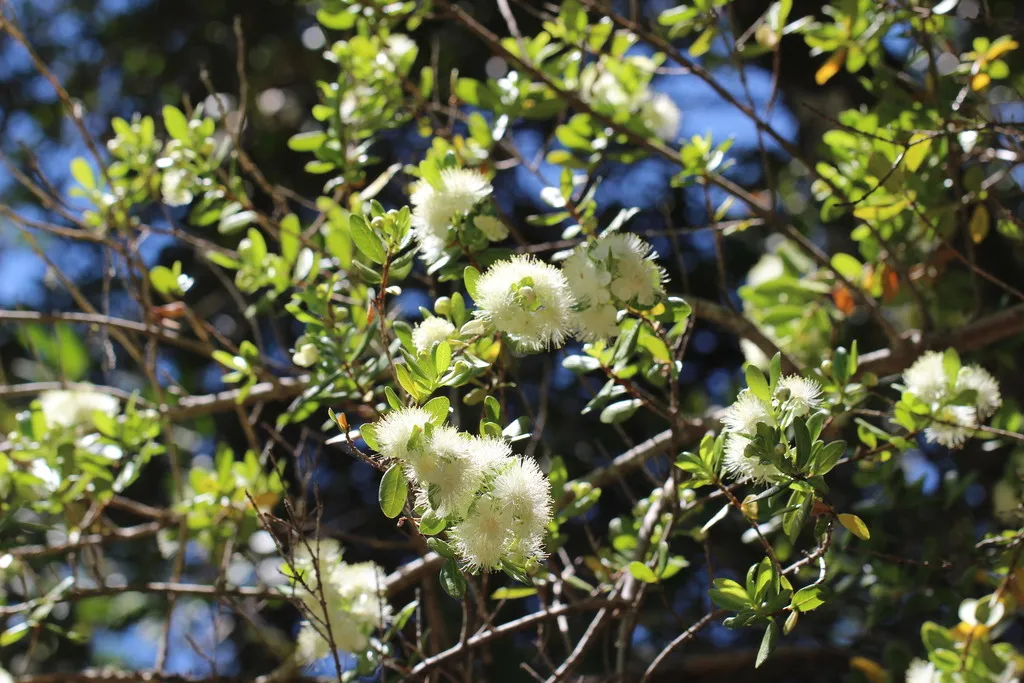
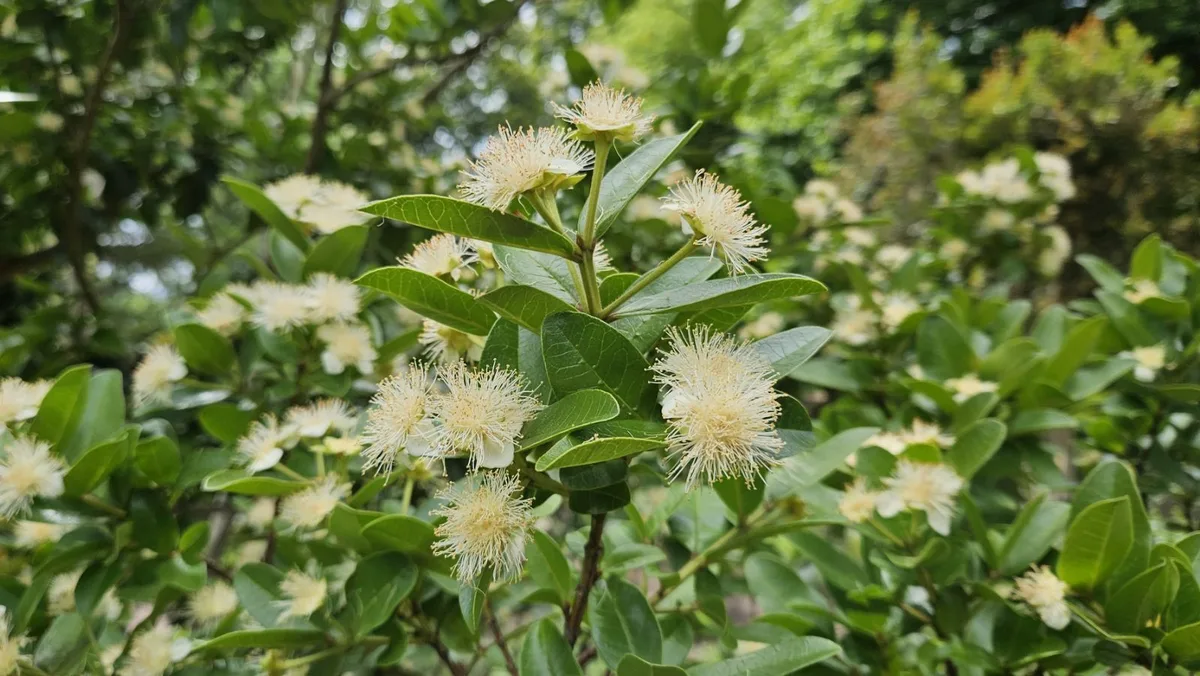
Distribution of Legrandia concinna
Distribution map
Information to be completed
Information to be completed
Culture
Information to be completed
Toxicity
Information to be completed
Quick identification of Legrandia concinna
Information to be completed
Legrandia concinna care guide
- Maintain lightly damp root soil, prevent complete drought stress
- Watering
- Full sun
- Sunlight
- Information to be completed
- Ideal temperature

Watering
Maintain lightly damp root soil, prevent complete drought stress
Fertilizing
 Fertilizing
Slow-release woody plant fertilizer supplied single dose spring
Pruning
 Pruning
For free-standing plants: Prune lightly as needed to remove unwanted shoots and keep the shrub in shape. Prune in mid- to late spring. For wall-trained specimens: On established wall-trained shrubs, shorten sideshoots to two to four buds from the framework; remove shoots growing towards the wall. Prune annually after flowering on last-year growth, or in late winter or early spring on current-year growth.
Propagation
 Propagation
Propagate by semi-ripe cuttings with bottom heat in summer
Growing
 Growing
Grow in moderately fertile, moist but well-drained soil in full sun, with shelter from cold, drying winds. Best grown with the protection of a warm wall, or overwinter in a greenhouse or conservatory
People also ask
Information to be completed
Common pests and diseases
Diseases
Generally disease-free
Pests
Generally pest-free
Explore the plant health library →




