
intermediate periwinkle
Also known as: Information to be completed
a vigorous, prostrate evergreen sub-shrub with rooting stems bearing ovate, evergreen leaves, and short upright leafy stems with pale whitish-blue flowers 4cm across, in late winter and early spring
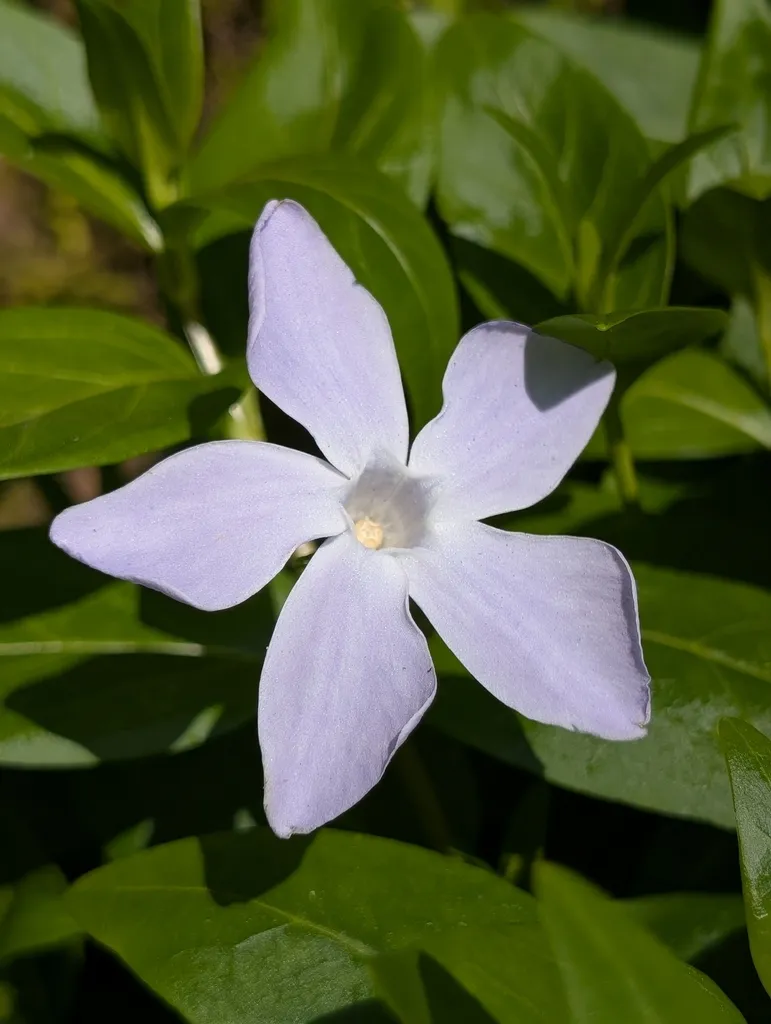
Scientific classification
- Species
- intermediate periwinkle (Vinca difformis)
- Genus
- Vinca
- Family
- Apocynaceae
- Information to be completed
- Toxicity
- Shrubs
- Plant type
- 0.1-0.5 metres
- Height
- 1-1.5 metres
- Spread
- Evergreen
- Foliage
- Matforming
- Habit
- Spring · Summer · Autumn · Winter
- Season of interest
- Full shade · Full sun · Partial shade
- Sunlight
- Information to be completed
- Ideal temperature









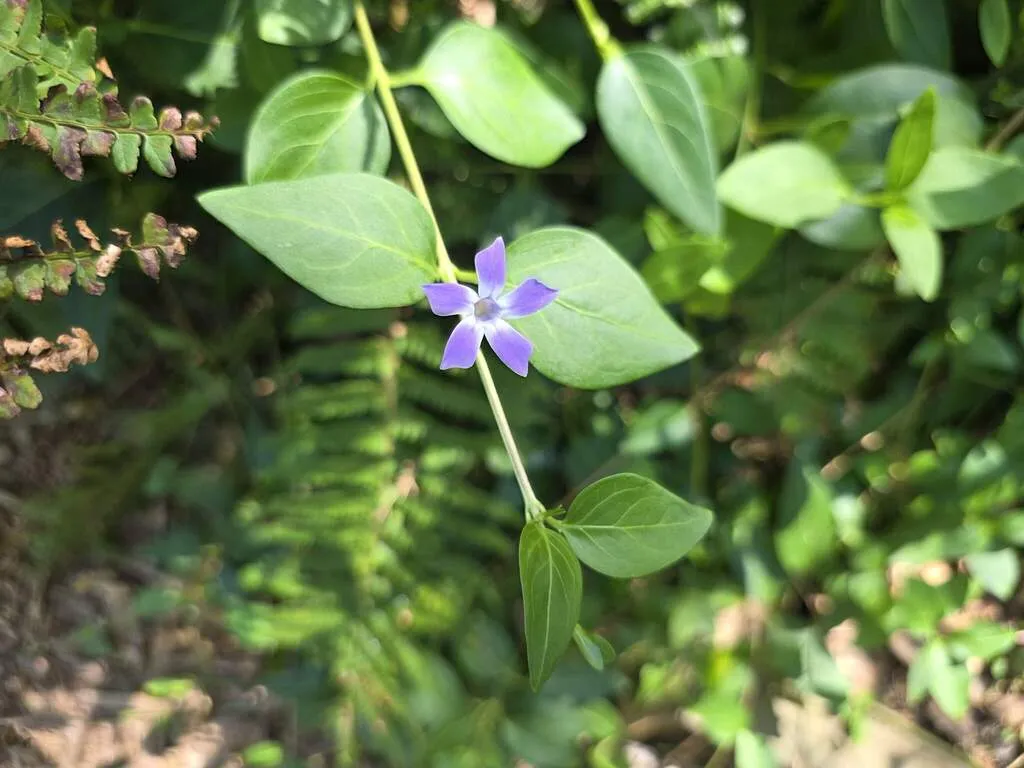
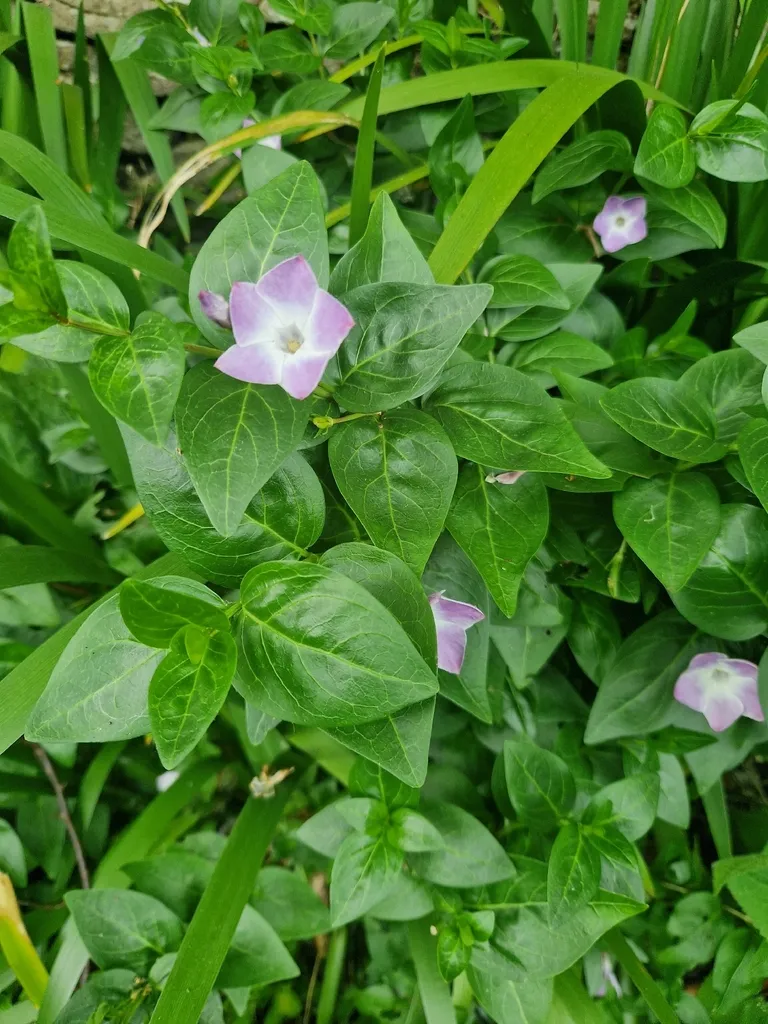
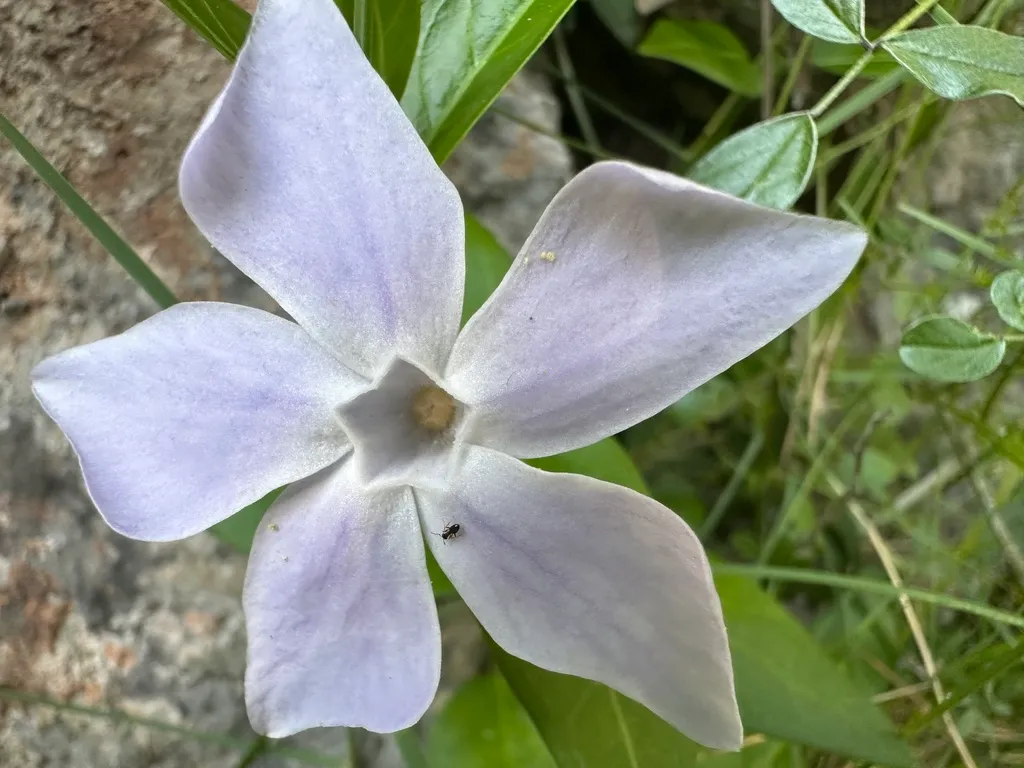
intermediate periwinkle pictures
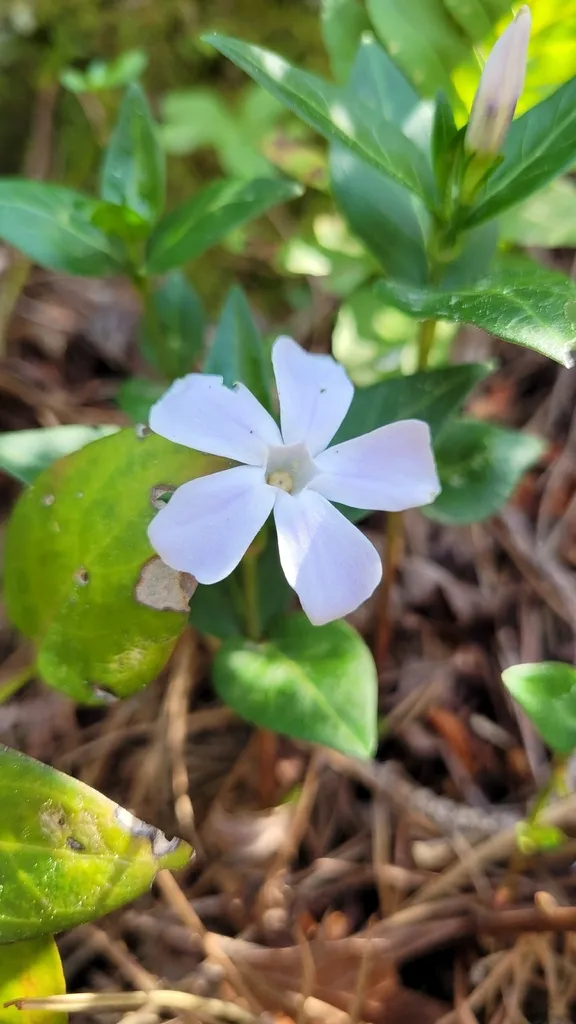
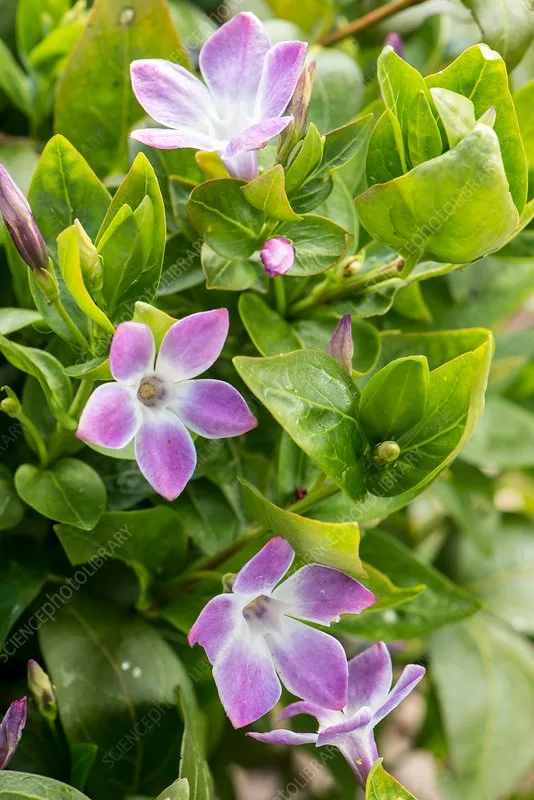
Distribution of intermediate periwinkle
Distribution map
Northern Africa and Southwestern Europe
Information to be completed
Culture
Information to be completed
Toxicity
Information to be completed
Quick identification of intermediate periwinkle
Information to be completed
intermediate periwinkle care guide
- Moderate regular watering, allowing brief slight drying between soakings
- Watering
- Full shade · Full sun · Partial shade
- Sunlight
- Information to be completed
- Ideal temperature

Watering
Moderate regular watering, allowing brief slight drying between soakings
Fertilizing
 Fertilizing
Balanced perennial feed every four weeks from spring through summer
Pruning
 Pruning
Shorten last year's flowering stems to one or two buds from the older woody framework. Remove thin, weak and dead shoots. Prune in early to mid-spring as growth resumes; avoid winter pruning that exposes new shoots to frost.
Propagation
 Propagation
Propagate by division in spring or autumn and by semi-hardwood cuttings in summer
Growing
 Growing
Easy to grow in all but the driest soils. Flowers best in full sun but very useful for shady areas. Can be invasive
People also ask
Information to be completed
Common pests and diseases
Diseases
May be subject to a rust
Pests
Can get aphids
Explore the plant health library →




