
shumard oak
Also known as: Information to be completed
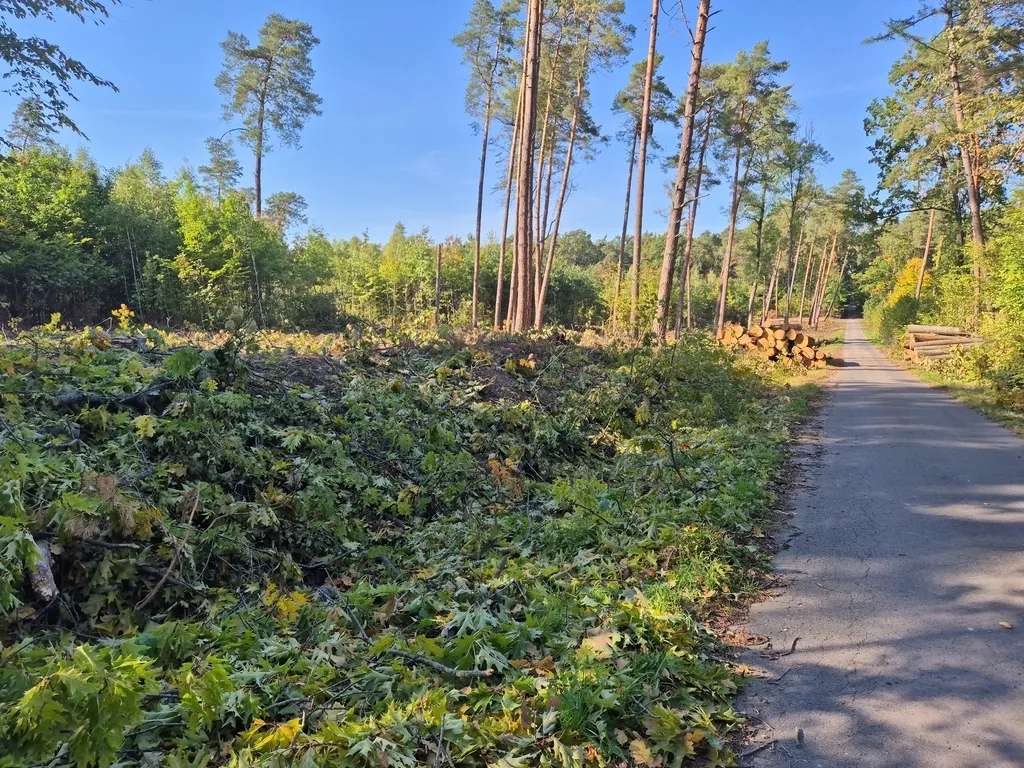
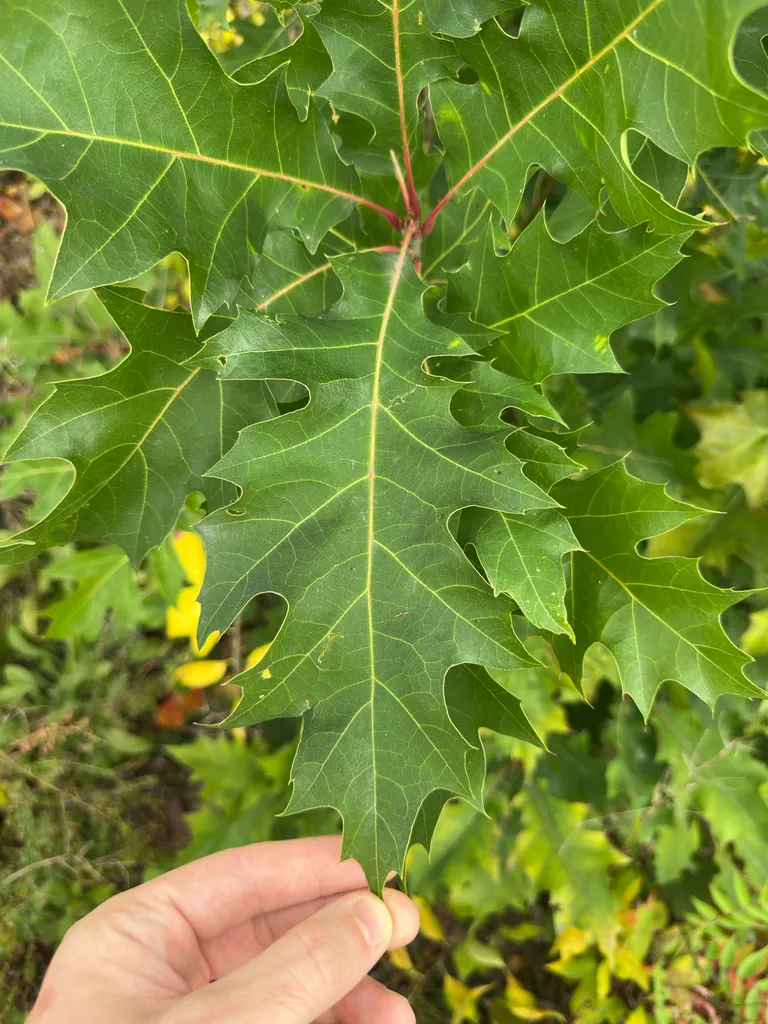
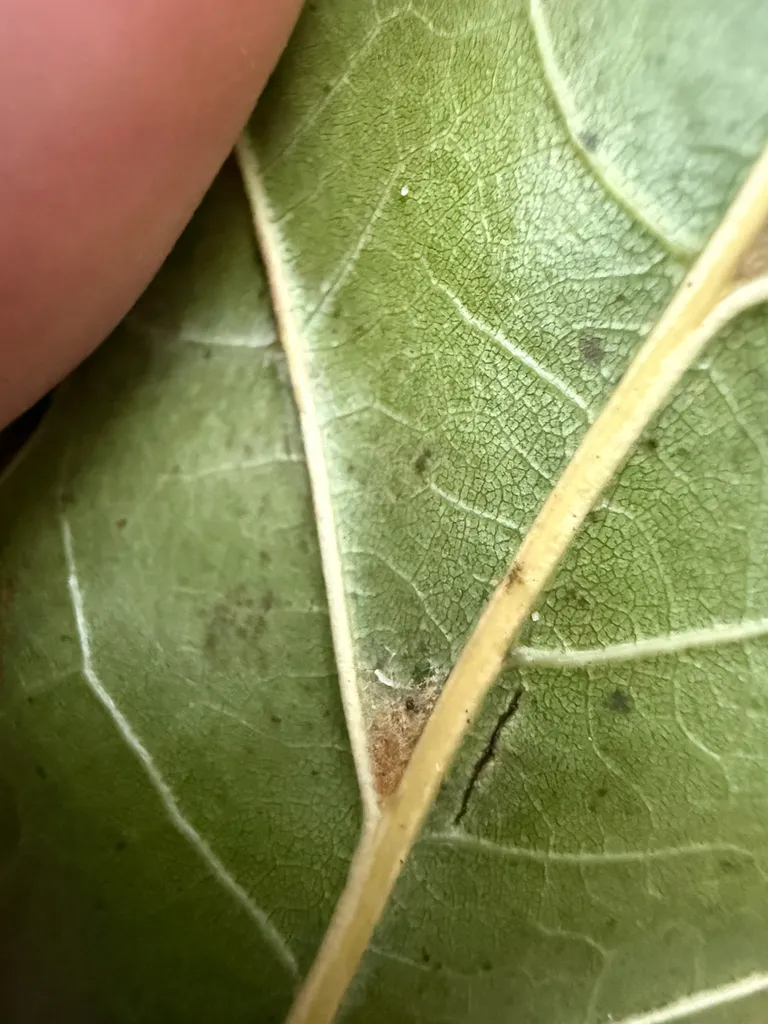
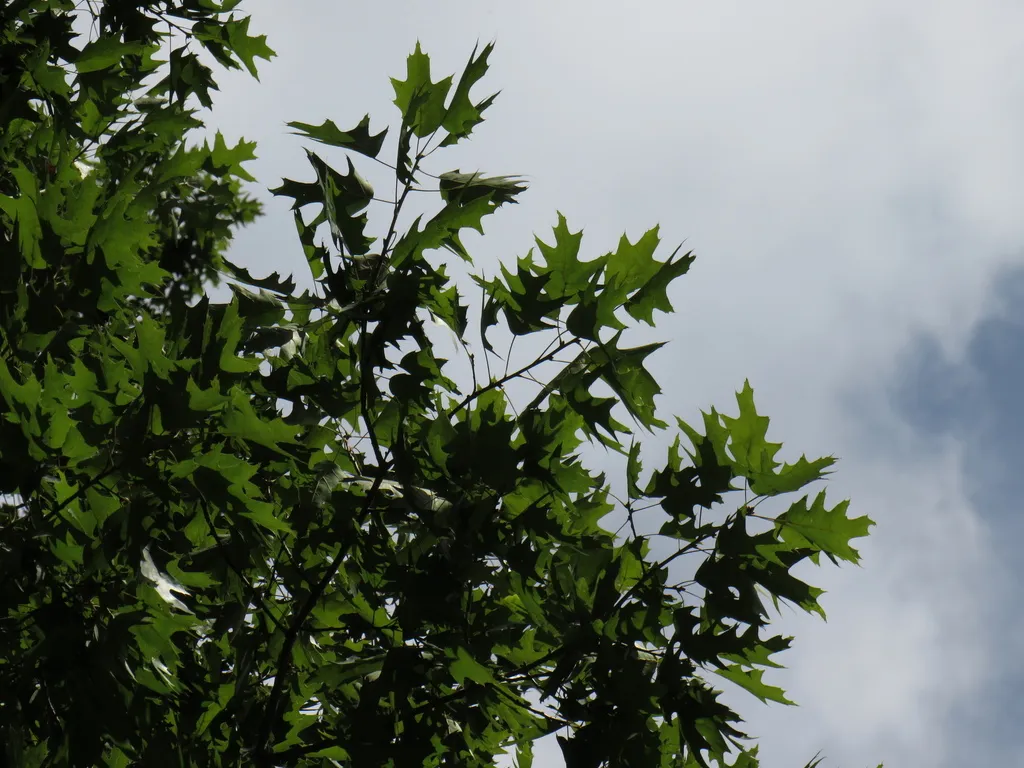
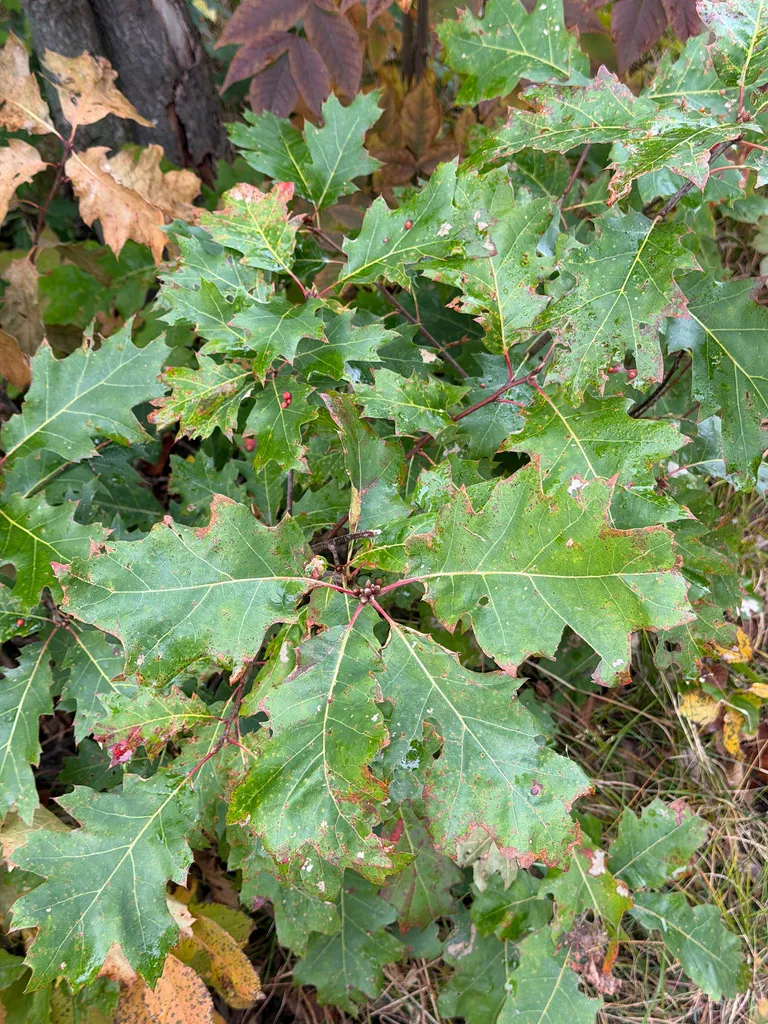
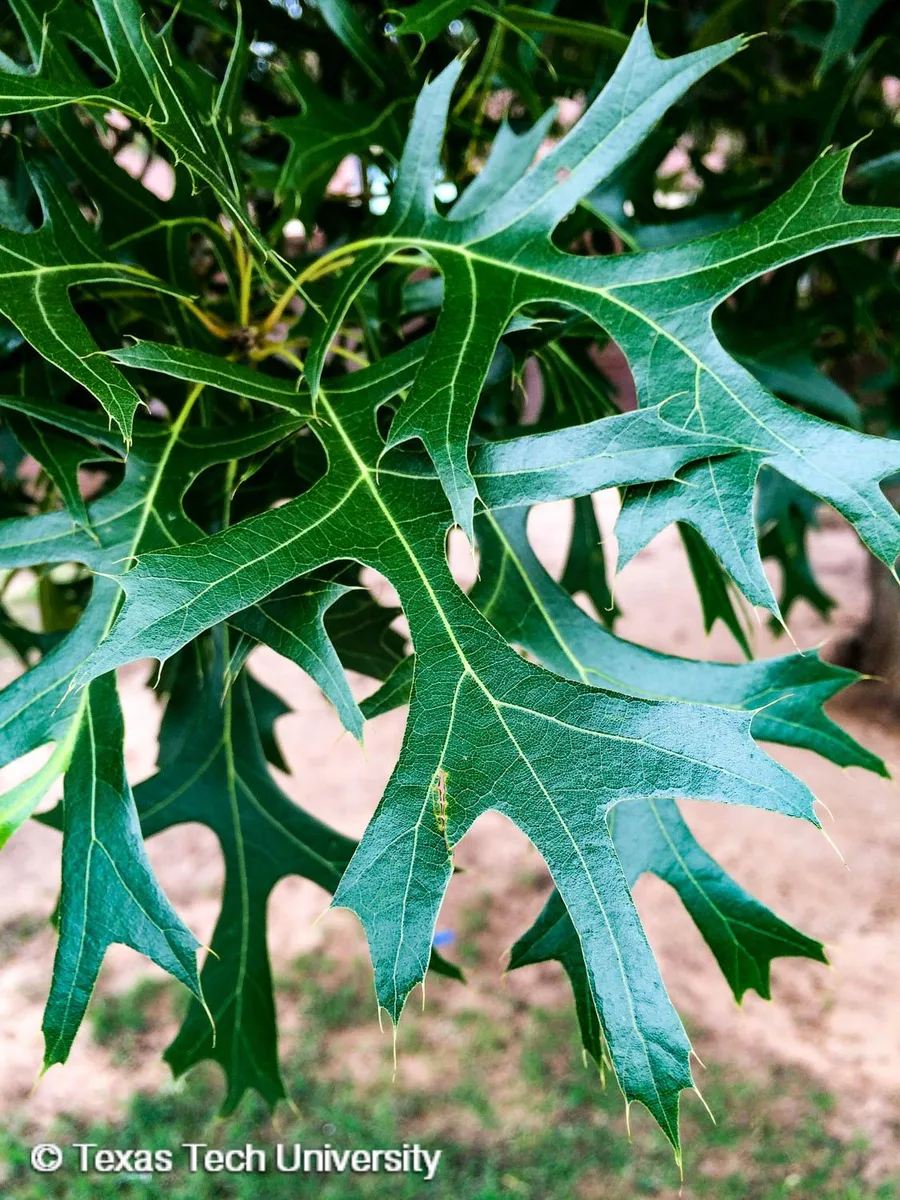
A small to medium-sized, deciduous tree to 18m tall, initially pyramidal in habit but spreading to form a broad, open crown with age. Deeply-cut, glossy green leaves up to 20cm long with 7-9 lobes have conspicuous tufts of hairs in the vein axils on the undersides; leaves turn red or golden-brown in the autumn. Insignificant greenish flowers are followed in autumn by acorns, usually solitary and up to 2.5cm long
Scientific classification
- Species
- shumard oak (Quercus shumardii)
- Genus
- Quercus
- Family
- Fagaceae
- Information to be completed
- Toxicity
- Trees
- Plant type
- Higher than 12 metres
- Height
- wider than 8 metres
- Spread
- Deciduous
- Foliage
- Columnar upright
- Habit
- Autumn · Spring · Summer
- Season of interest
- Full sun
- Sunlight
- Information to be completed
- Ideal temperature









shumard oak pictures
Distribution of shumard oak
Distribution map
Southeastern US
Information to be completed
Culture
Information to be completed
Toxicity
Information to be completed
Quick identification of shumard oak
Information to be completed
shumard oak care guide
- Deep watering during dry spells, allowing slight surface drying between soakings
- Watering
- Full sun
- Sunlight
- Information to be completed
- Ideal temperature

Watering
Deep watering during dry spells, allowing slight surface drying between soakings
Fertilizing
 Fertilizing
Balanced shrub or tree feed once each early spring
Pruning
 Pruning
Little pruning is needed. Remove diseased, damaged, crowded or crossing shoots and unwanted growth. Timing depends on the plant: generally late winter or early spring; plants prone to bleeding and deciduous magnolias need different timing, and deciduous azaleas and lilacs are pruned after flowering.
Propagation
 Propagation
Propagate by seed or by grafting in mid-autumn or late winter
Growing
 Growing
Grow in deep, fertile, well-drained soil in full sun
People also ask
Information to be completed
Common pests and diseases
Diseases
May be susceptible to powdery mildews and honey fungus
Pests
May be susceptible to oak processionary moth, aphids, caterpillars, leaf-mining moths and oak gall wasps
Explore the plant health library →




