
Maianthemum oleraceum
Also known as: Information to be completed
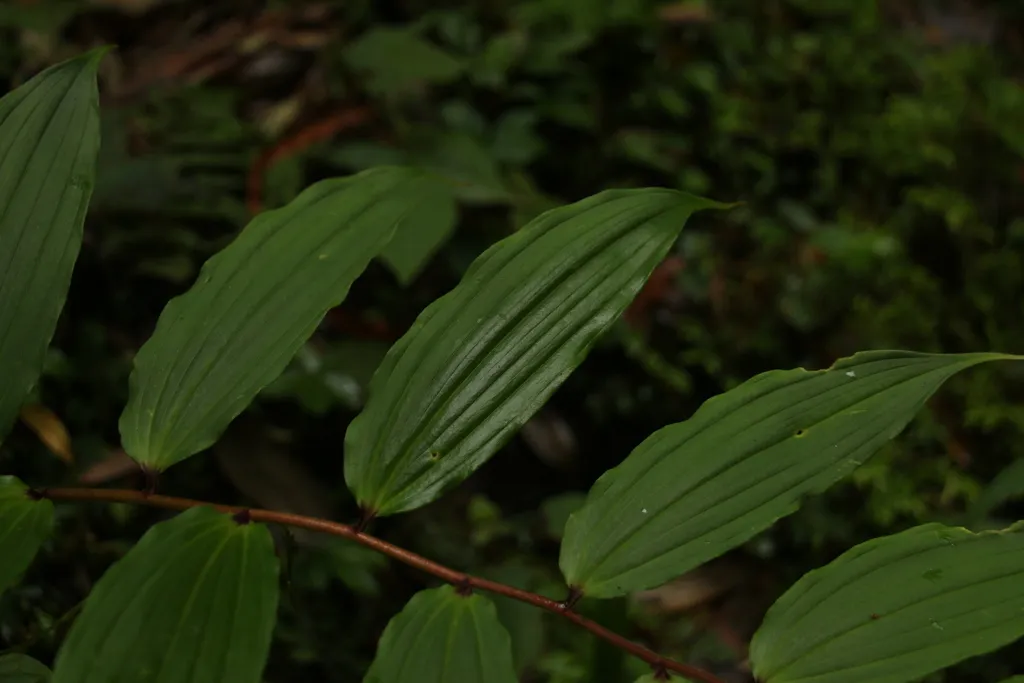
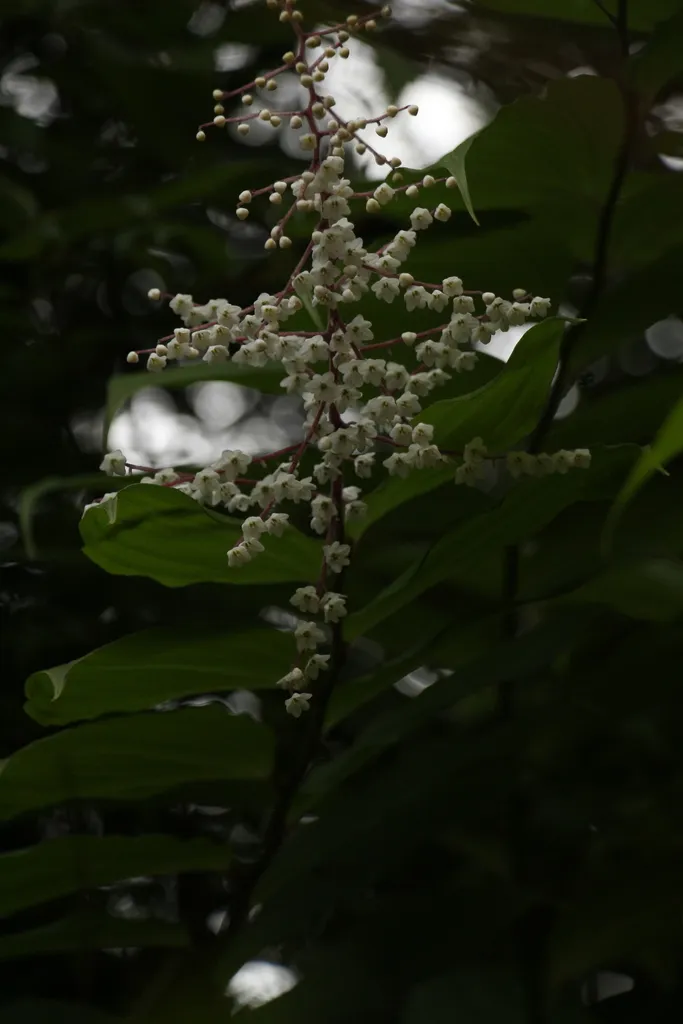
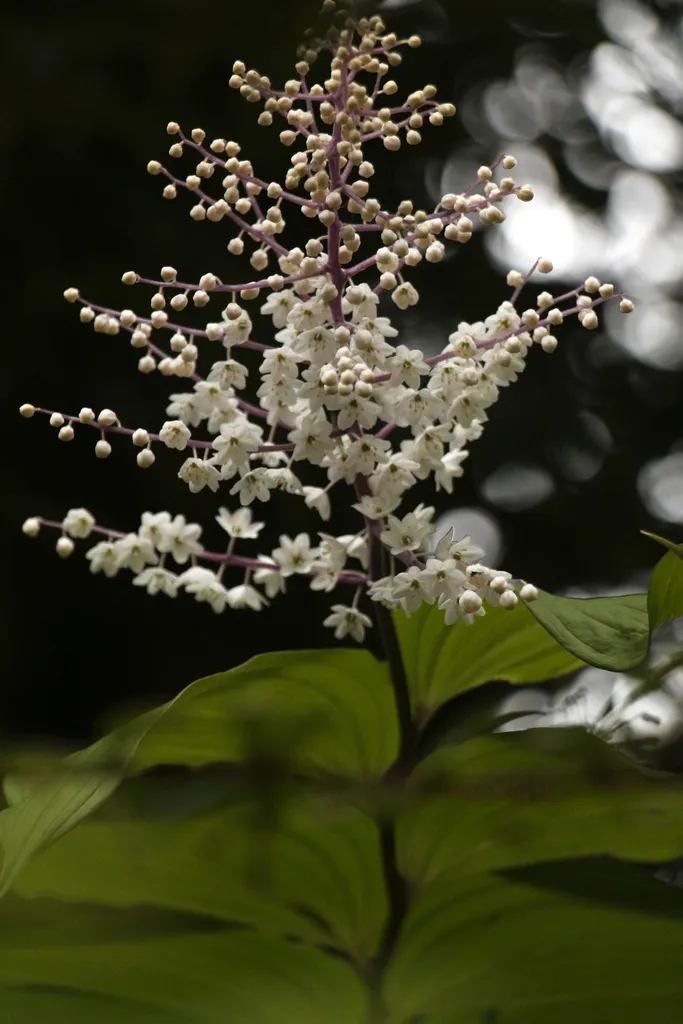
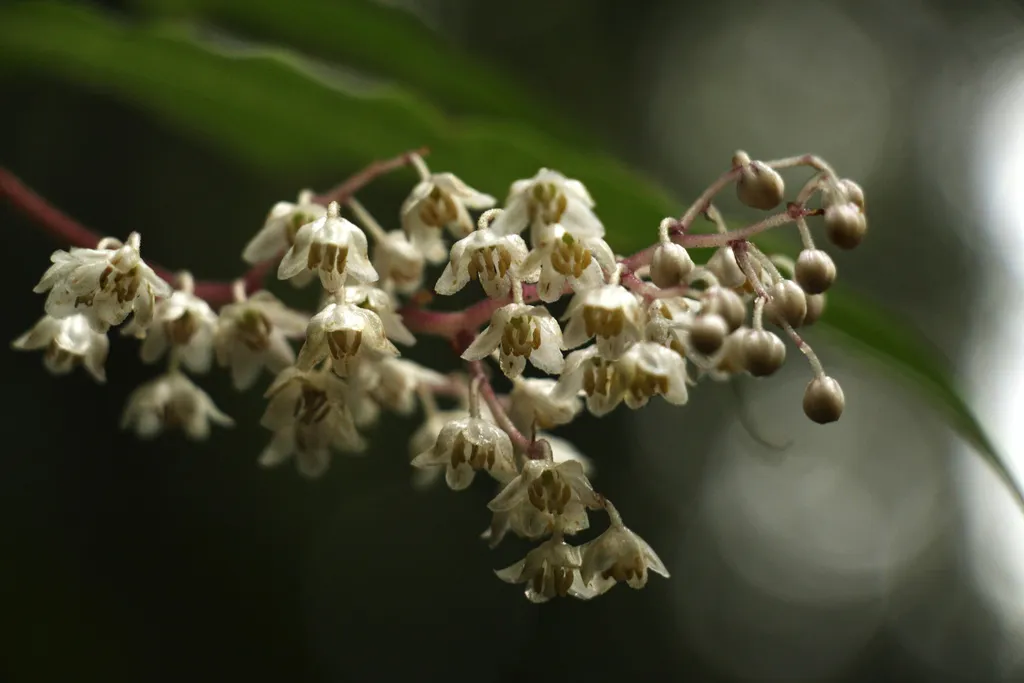
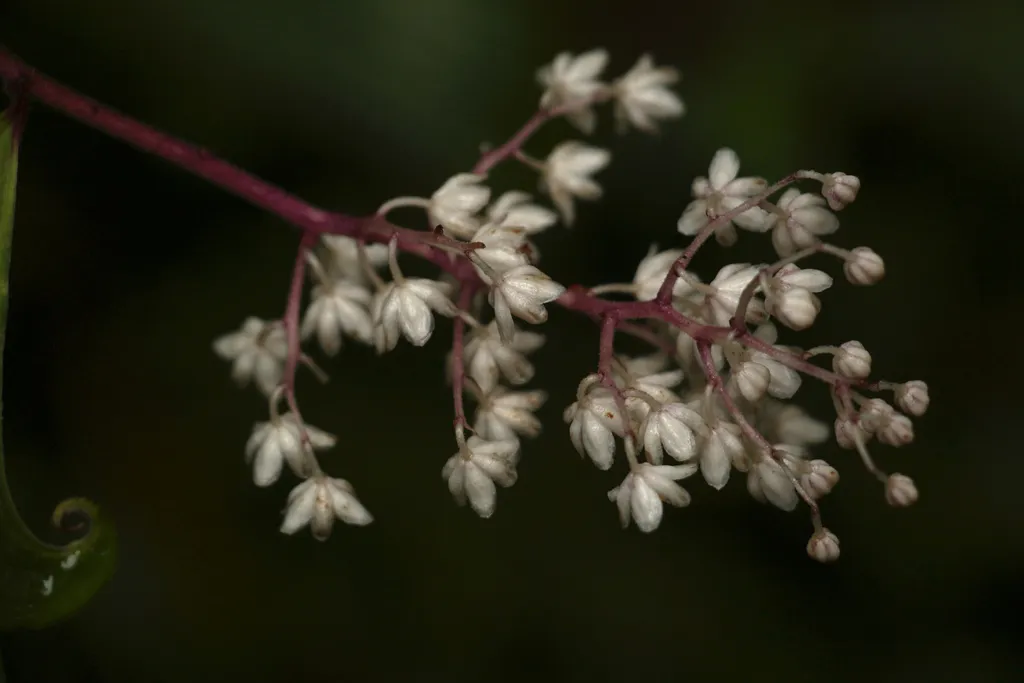
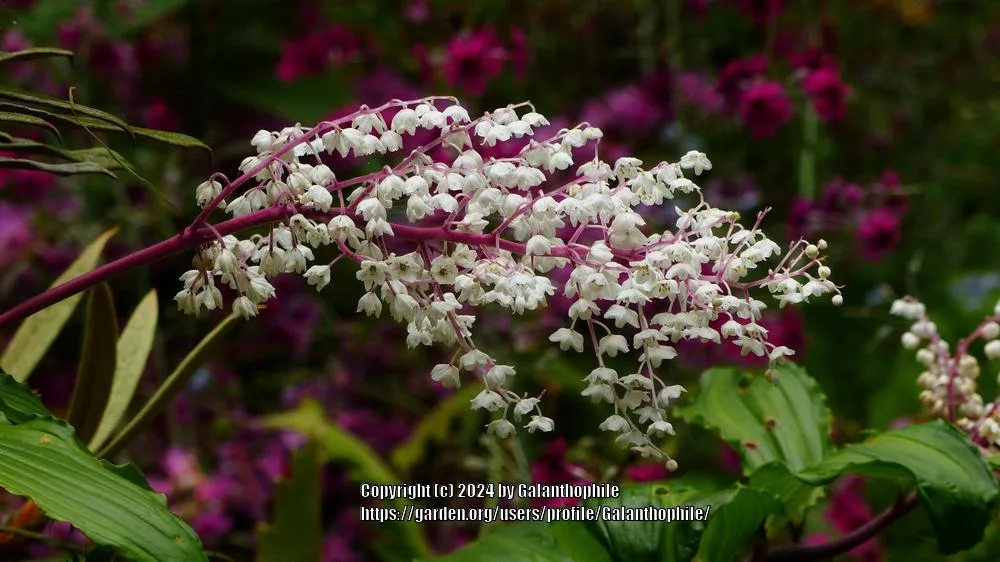
A clump-forming, rhizomatous perennial with arching, dark purple stems bearing glossy, alternate leaves to 20cm long. In early and mid summer it produces plumes of tiny, bell-shaped white (sometimes light purple) flowers; these are followed by red berries
Scientific classification
- Species
- Maianthemum oleraceum (Maianthemum oleraceum)
- Genus
- Maianthemum
- Family
- Asparagaceae
- Order
- Asparagales
- Class
- Liliopsida
- Phylum
- Magnoliophyta
- Fruit are ornamental - not to be eaten. Wear gloves and other protective equipment when handling
- Toxicity
- Herbaceous Perennial
- Plant type
- 0.5-1 metres
- Height
- 0.5-1 metres
- Spread
- Deciduous
- Foliage
- Clump forming
- Habit
- Spring · Summer · Autumn
- Season of interest
- Full shade · Partial shade
- Sunlight
- Information to be completed
- Ideal temperature









Maianthemum oleraceum pictures
Distribution of Maianthemum oleraceum
Distribution map
- Native
- Introduced
- Cultivated
Source:WCVP v16 · Royal Botanic Gardens, Kew · CC BY 3.0 · Boundaries:WGSRPD / TDWG
Toxicity
Fruit are ornamental - not to be eaten. Wear gloves and other protective equipment when handling
Maianthemum oleraceum care guide
- Keep soil evenly moist but well-drained; water regularly during active growth.
- Watering
- Full shade · Partial shade
- Sunlight

Watering
Keep soil evenly moist but well-drained; water regularly during active growth.
Fertilizing
 Fertilizing
Apply a balanced liquid fertilizer monthly during the growing season.
Pruning
 Pruning
No pruning required
Propagation
 Propagation
Propagate by sowing seed in containers in a cold frame as soon as ripe. Divide rhizomes in early spring
Growing
 Growing
Grow in humus-rich, moist but well-drained, neutral to acid soil in light dappled or full shade
Common pests and diseases
Diseases
Generally disease-free
Pests
May be susceptible to slugs and snails
Explore the plant health library →




