
sweet Hesper palm
Also known as: rock palm
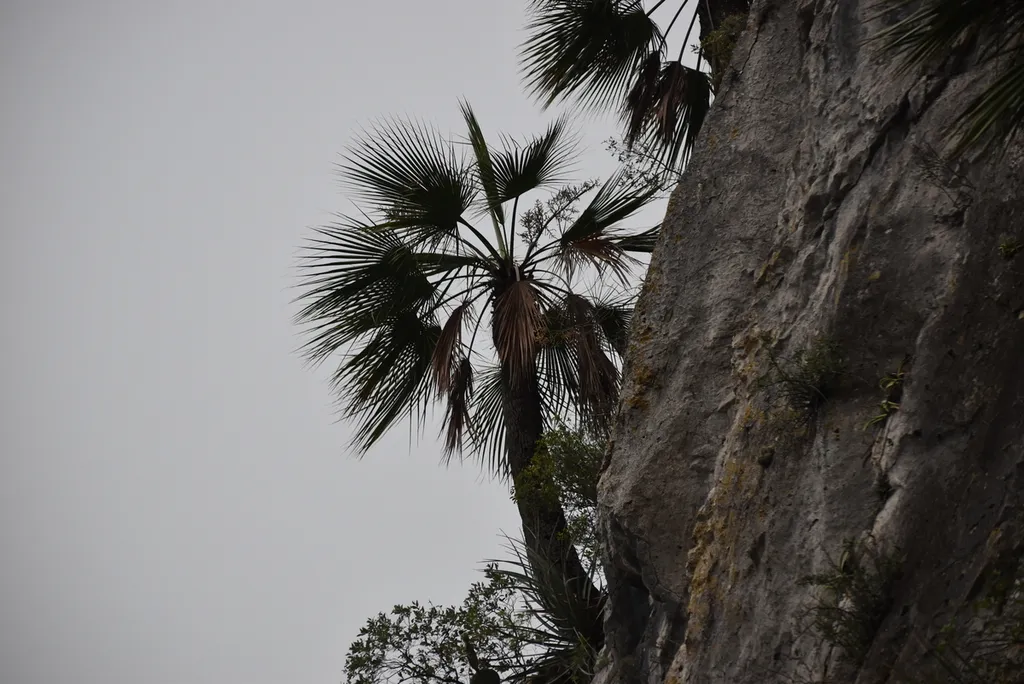
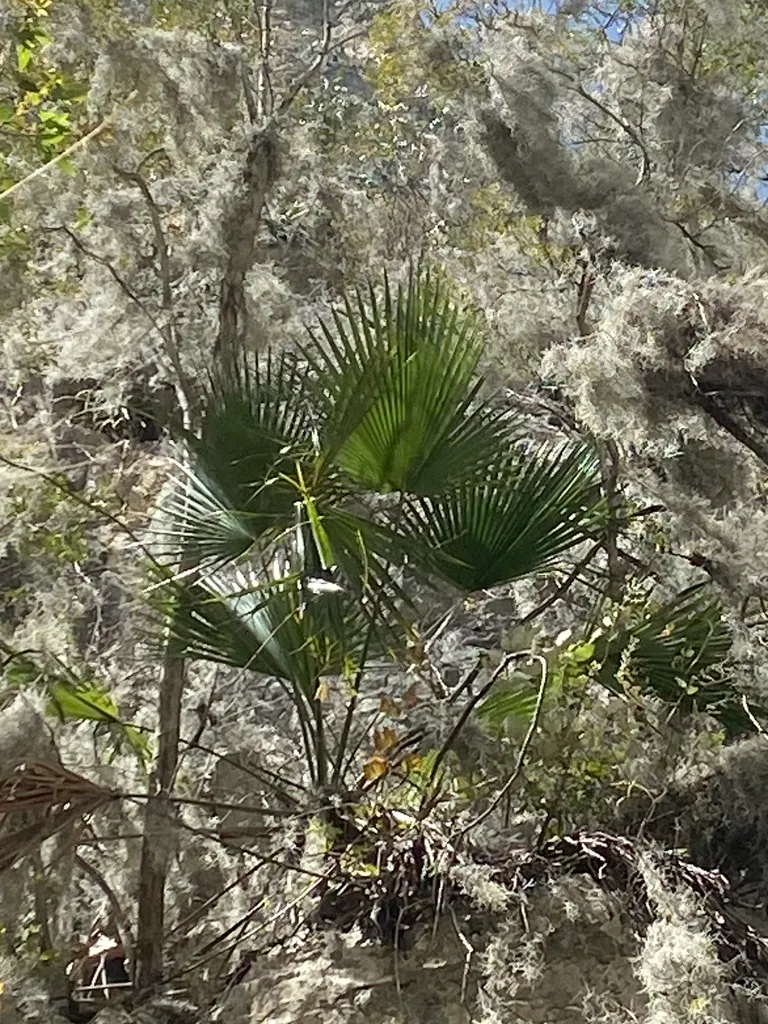
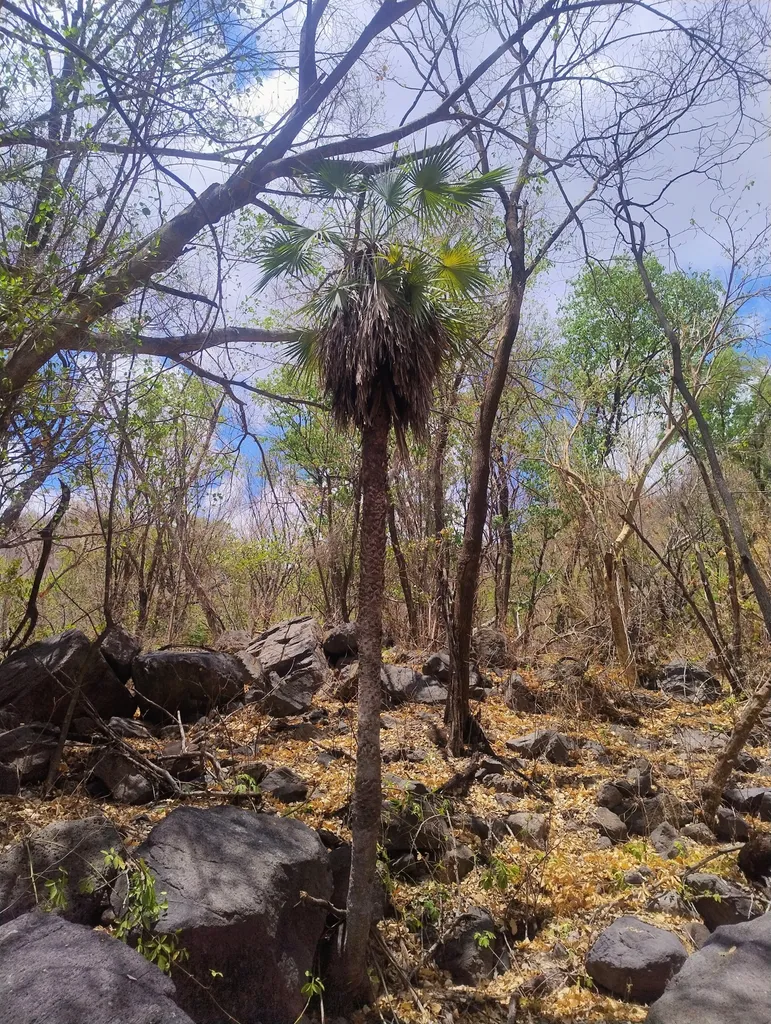
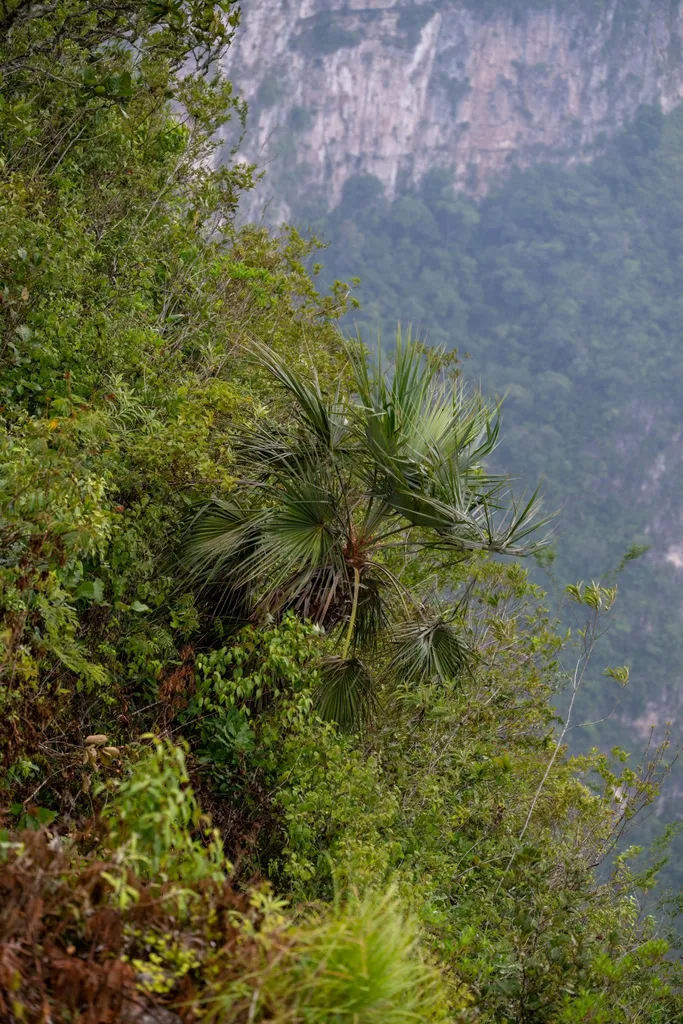
A palm, up to 7.5m high, with a single trunk, spiny leaf stalks, green or slightly blue-green leaves, divided into about 30-50 lobes, and panicles 3m long of cream flowers in summer, followed by rounded green-brown edible fruit, about 6mm long
Scientific classification
- Species
- sweet Hesper palm (Brahea dulcis)
- Genus
- Brahea
- Family
- Arecaceae
- Information to be completed
- Toxicity
- Palms
- Plant type
- 4-8 metres
- Height
- 2.5-4 metres
- Spread
- Evergreen
- Foliage
- Columnar upright
- Habit
- Spring · Summer · Autumn · Winter
- Season of interest
- Full sun
- Sunlight
- Information to be completed
- Ideal temperature









sweet Hesper palm pictures
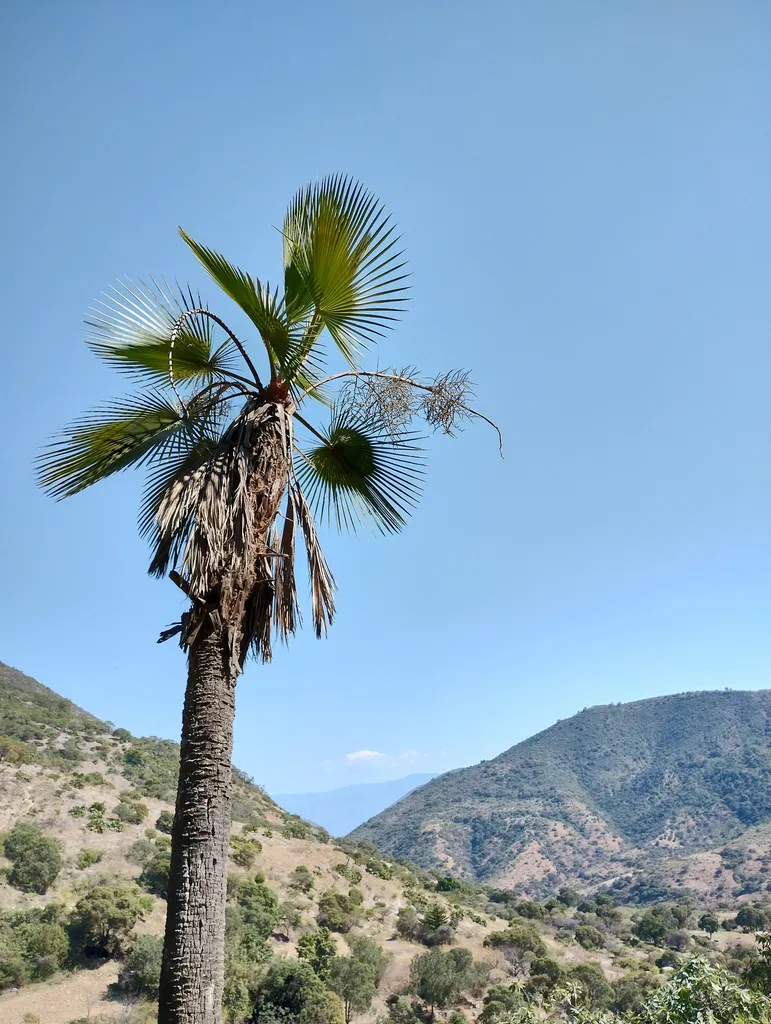
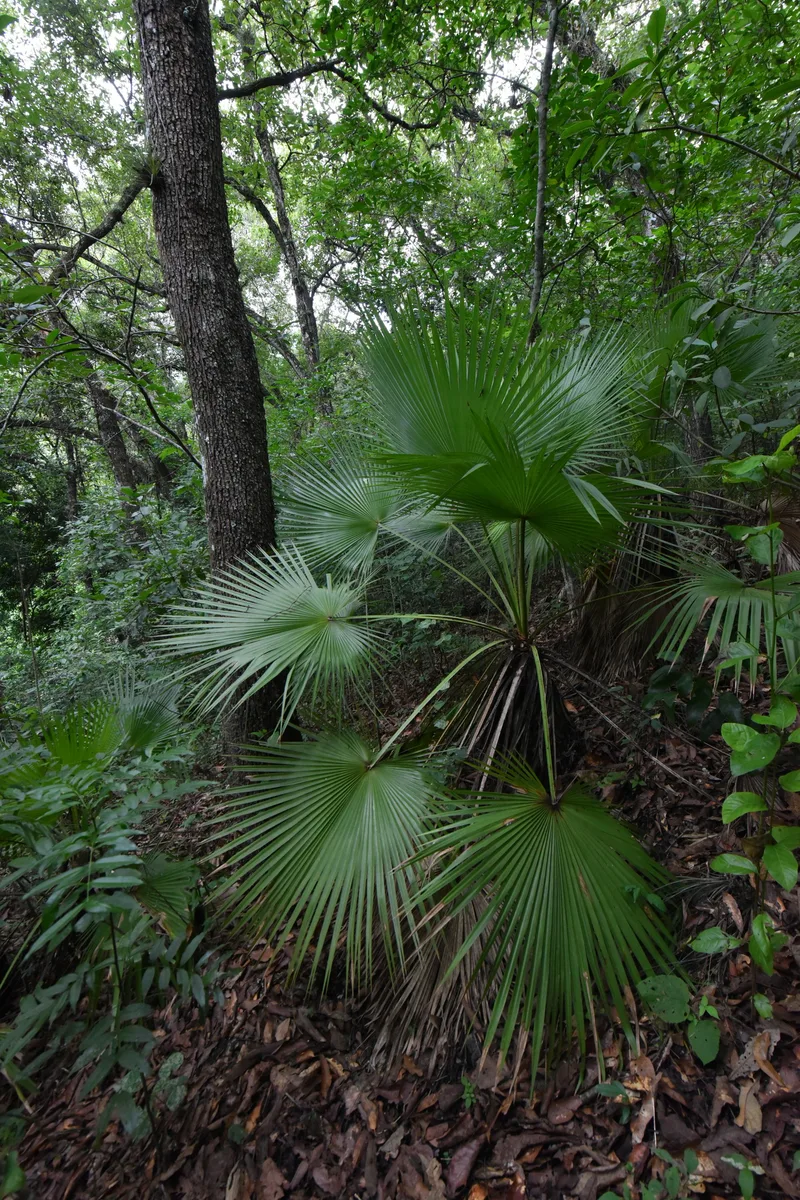
Distribution of sweet Hesper palm
Distribution map
Central America
Information to be completed
Culture
Information to be completed
Toxicity
Information to be completed
Quick identification of sweet Hesper palm
Information to be completed
sweet Hesper palm care guide
- Moderate regular watering, allowing brief slight drying between soakings
- Watering
- Full sun
- Sunlight
- Information to be completed
- Ideal temperature

Watering
Moderate regular watering, allowing brief slight drying between soakings
Fertilizing
 Fertilizing
Balanced perennial feed every four weeks from spring through summer
Pruning
 Pruning
No pruning required
Propagation
 Propagation
Sow seed at 23-27°C in spring
Growing
 Growing
In frost-prone areas, grow young specimens in full light as houseplants or under glass at 5-15°C in loam-based potting compost such as John Innes No. 2, water moderately and apply a balanced liquid fertilizer monthly while in growth, water sparingly in winter, and pot on or top-dress in spring - for more advice, see palm cultivation indoors; in frost-free areas, grow in well-drained soil in full sun; will tolerate poor, dry soil, and will survive short periods at 0°C - for more advice, see palm cultivation outdoors
People also ask
Information to be completed
Common pests and diseases
Diseases
Generally disease-free
Pests
May be susceptible to glasshouse red spider mite and scale insects
Explore the plant health library →




