
pitcher sage
Also known as: bee sage
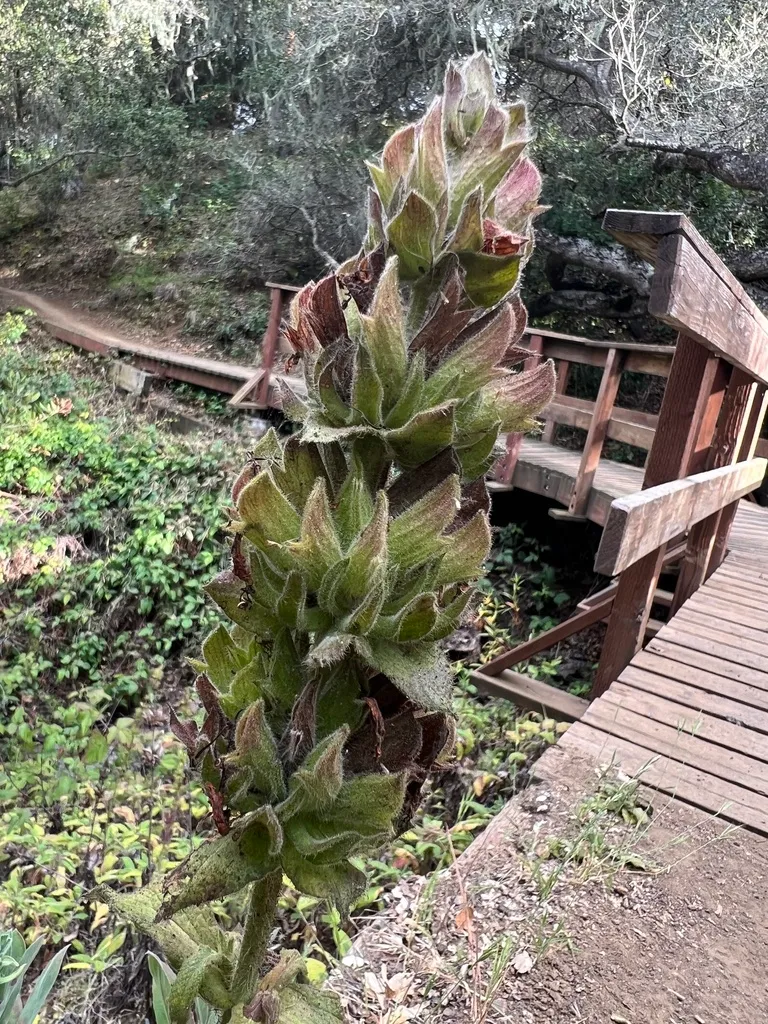
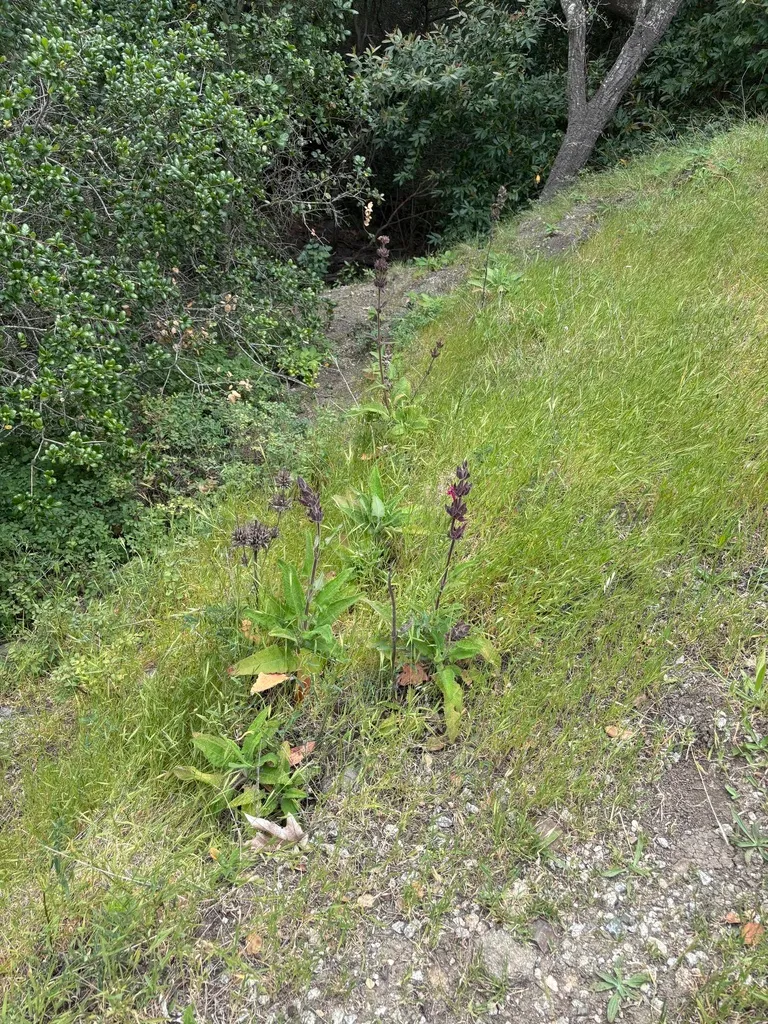
S. spathacea is a vigorous spreading perennial with rugose, arrow-shaped leaves white-hairy beneath, and stout stems bearing long purplish-red flowers in maroon calyces, with large maroon bracts under each whorl
Scientific classification
- Species
- pitcher sage (Salvia spathacea)
- Genus
- Salvia
- Family
- Lamiaceae
- Information to be completed
- Toxicity
- Herbaceous Perennial
- Plant type
- 0.5-1 metres
- Height
- 0.5-1 metres
- Spread
- Deciduous
- Foliage
- Bushy
- Habit
- Spring · Summer · Autumn
- Season of interest
- Full sun
- Sunlight
- Information to be completed
- Ideal temperature









pitcher sage pictures
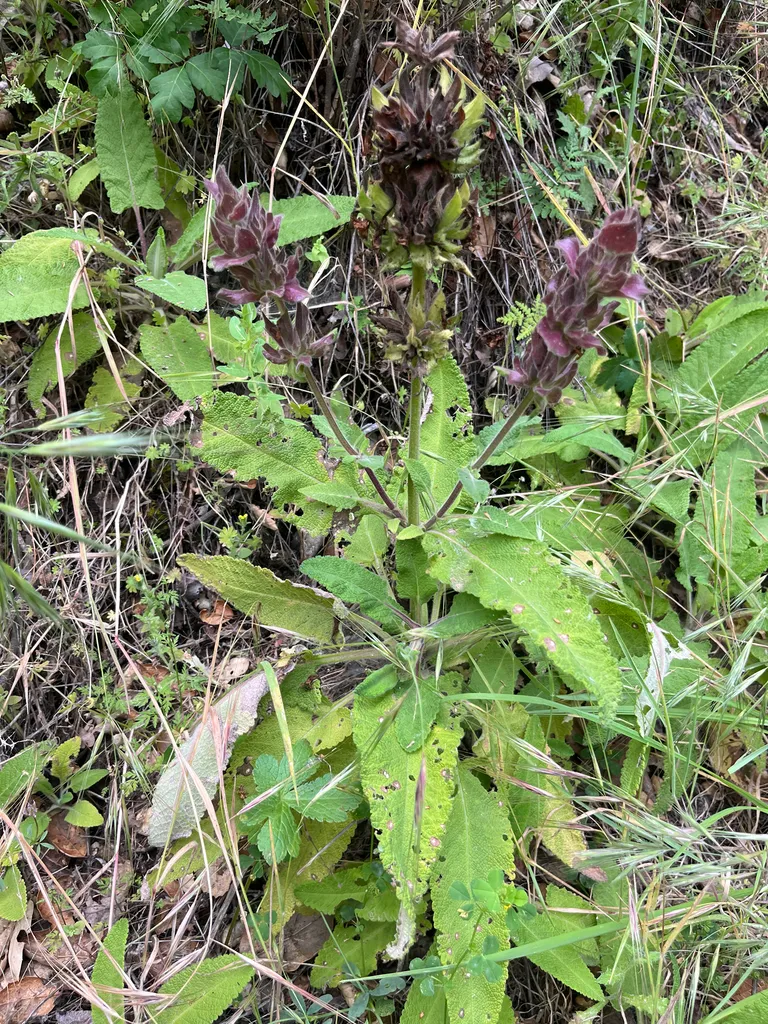
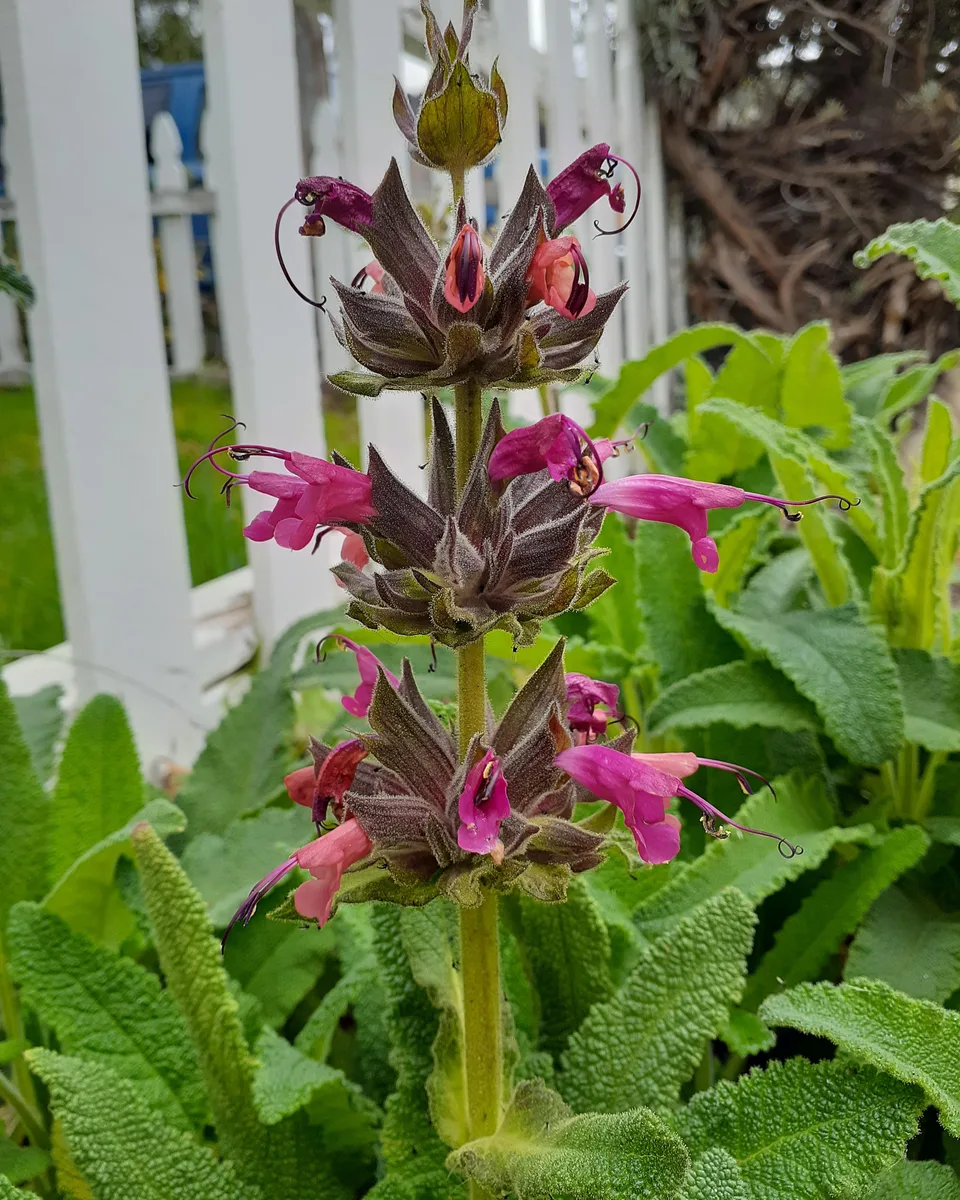
Distribution of pitcher sage
Distribution map
W and Southwestern California
Information to be completed
Culture
Information to be completed
Toxicity
Information to be completed
Quick identification of pitcher sage
Information to be completed
pitcher sage care guide
- Moderate regular watering, allowing brief slight drying between soakings
- Watering
- Full sun
- Sunlight
- Information to be completed
- Ideal temperature

Watering
Moderate regular watering, allowing brief slight drying between soakings
Fertilizing
 Fertilizing
Balanced perennial feed every four weeks from spring through summer
Pruning
 Pruning
Remove flower spikes as they fade to prolong flowering
Propagation
 Propagation
Propagate by seed
Growing
 Growing
Grow in light, moderately fertile, humus-rich, moist but well-drained soil. Best in full sun but can tolerate light partial shade
People also ask
Information to be completed
Common pests and diseases
Diseases
May be susceptible to honey fungus (rarely), powdery mildews, verticillium wilt and foot and root rots
Pests
Generally pest-free
Explore the plant health library →




