
ladder leaf rowan
Also known as: Information to be completed
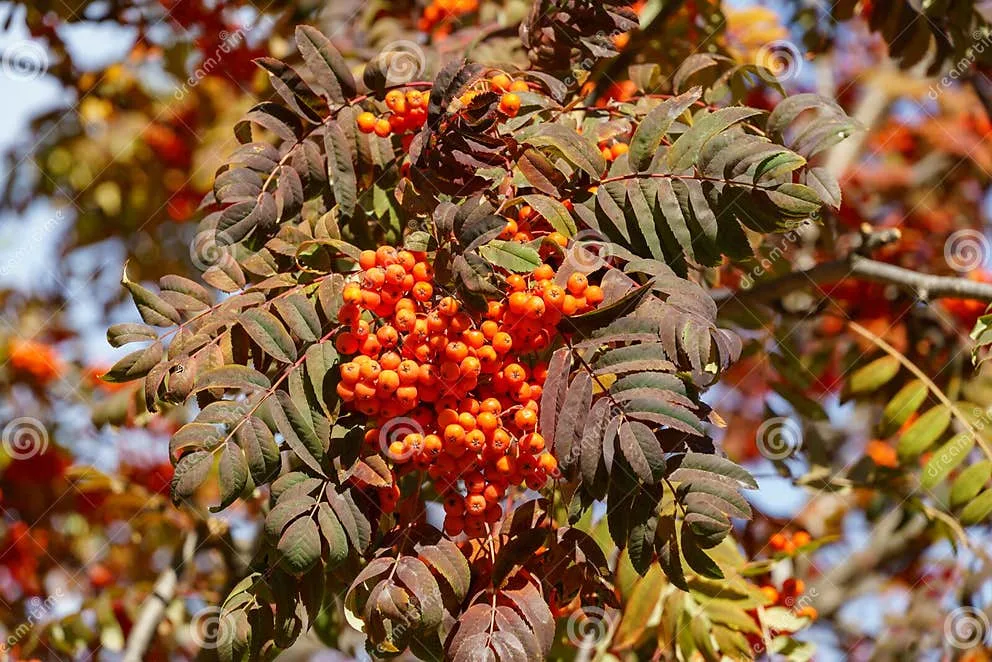
A small, spreading tree to 10m tall and wide with leaves made up of 21-33 narrowly oblong, glossy green to dark green leaflets that are downy beneath and turn attractive shades of orange, red and purple in the autumn. Flattened heads of small white flowers borne in spring are followed by rounded red fruits
Scientific classification
- Species
- ladder leaf rowan (Sorbus scalaris)
- Genus
- Sorbus
- Family
- Rosaceae
- Order
- Rosales
- Class
- Magnoliopsida
- Phylum
- Magnoliophyta
- Fruit are ornamental - not to be eaten. Wear gloves and other protective equipment when handling
- Toxicity
- Trees
- Plant type
- 8-12 metres
- Height
- wider than 8 metres
- Spread
- Deciduous
- Foliage
- Bushy
- Habit
- Autumn · Spring · Summer
- Season of interest
- Full sun · Partial shade
- Sunlight
- Information to be completed
- Ideal temperature









ladder leaf rowan pictures
Distribution of ladder leaf rowan
Distribution map
- Native
- Introduced
- Cultivated
Source:WCVP v16 · Royal Botanic Gardens, Kew · CC BY 3.0 · Boundaries:WGSRPD / TDWG
Toxicity
Fruit are ornamental - not to be eaten. Wear gloves and other protective equipment when handling
ladder leaf rowan care guide
- Moderate watering, only rehydrate once top several inches of soil dry
- Watering
- Full sun · Partial shade
- Sunlight

Watering
Moderate watering, only rehydrate once top several inches of soil dry
Fertilizing
 Fertilizing
Tree slow-release feed applied once each year in early spring time
Pruning
 Pruning
Little pruning is needed. Remove diseased, damaged, crowded or crossing shoots and unwanted growth. Timing depends on the plant: generally late winter or early spring; plants prone to bleeding and deciduous magnolias need different timing, and deciduous azaleas and lilacs are pruned after flowering.
Propagation
 Propagation
Propagate by seed or by softwood cuttings in early summer
Growing
 Growing
Grows best in a moist but well drained soil in full sun or partial shade
Common pests and diseases
Diseases
May be susceptible to fireblight, apple canker, silver leaf and honey fungus
Pests
May be susceptible to aphids, blister mites, scale insects, glasshouse red spider mite and sawflies
Explore the plant health library →




