
Trochocarpa clarkei
Also known as: Information to be completed
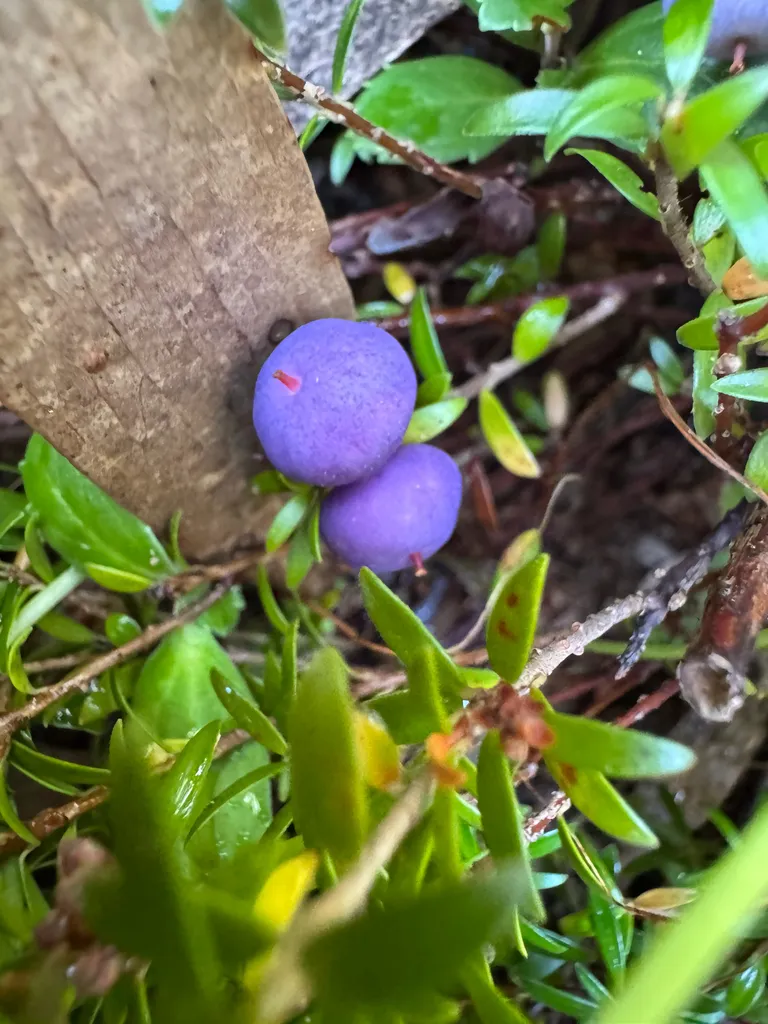
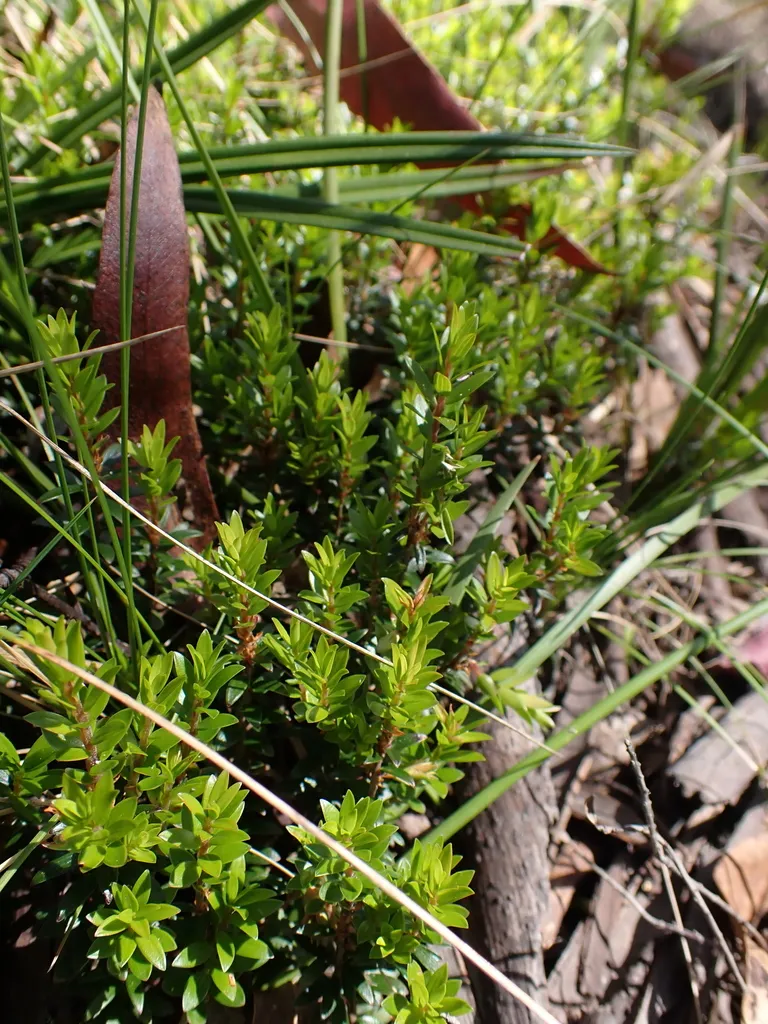
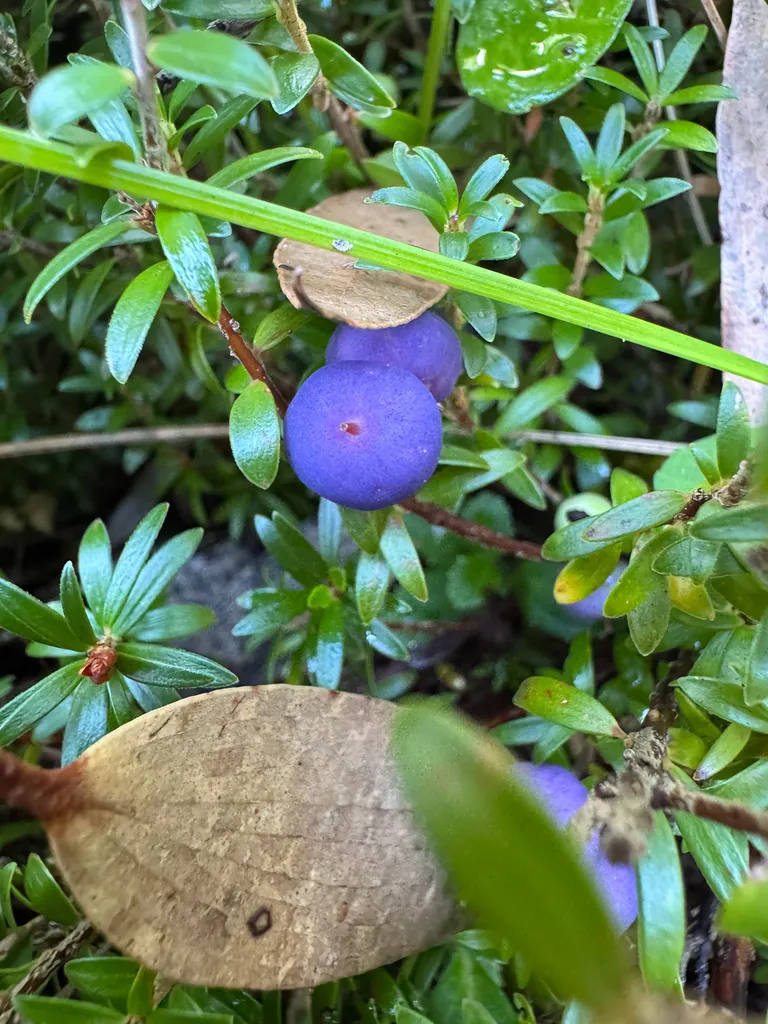
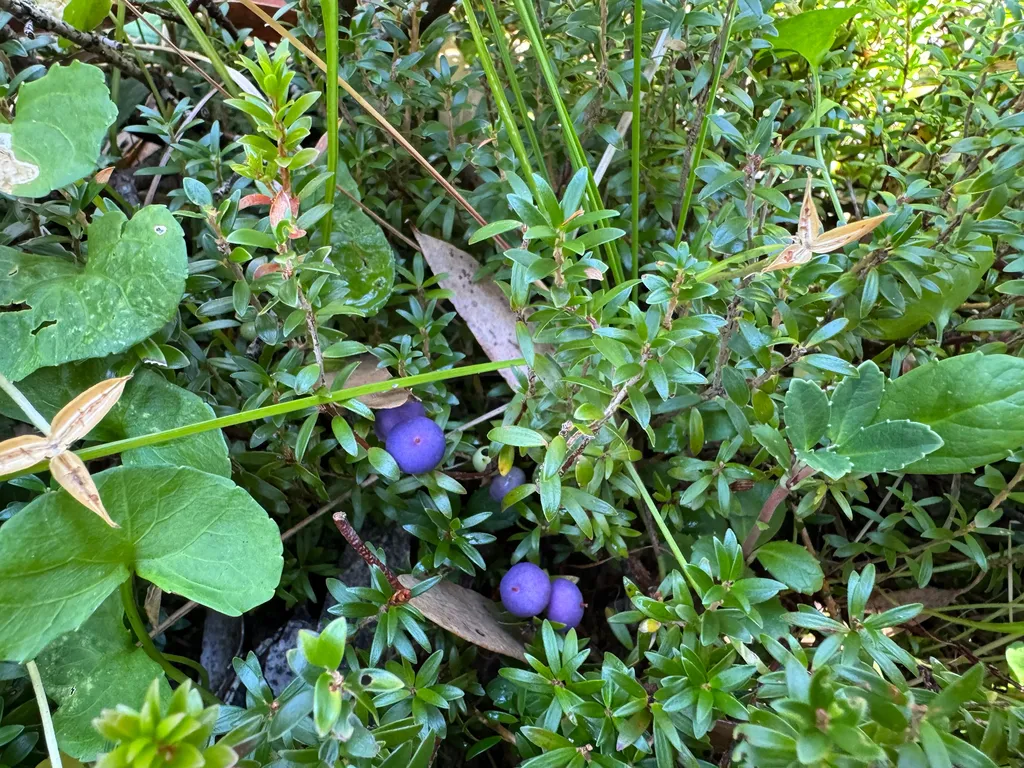
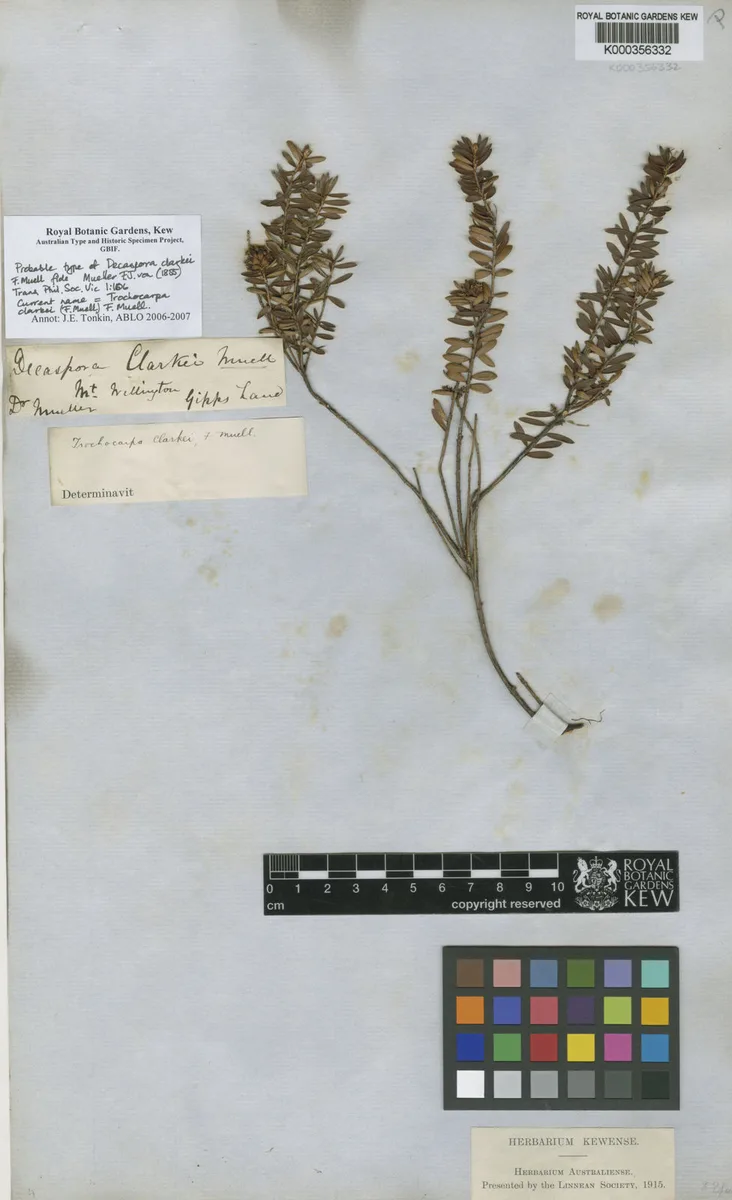
A rare, evergreen flowering shrub endemic to sub-alpine parts of Australia growing to around 30cm in height with elliptic, glossy dark green foliage on woody stems. Dense spikes of maroon-red flowers, greenish towards the base, are produced in summer and followed by round, blue-purple berries favoured as a food source by birds and small mammals. Prefers a woodland setting
Scientific classification
- Species
- Trochocarpa clarkei (Trochocarpa clarkei)
- Genus
- Trochocarpa
- Family
- Ericaceae
- Information to be completed
- Toxicity
- Shrubs
- Plant type
- 0.1-0.5 metres
- Height
- 0.1-0.5 metres
- Spread
- Evergreen
- Foliage
- Bushy
- Habit
- Spring · Summer · Autumn · Winter
- Season of interest
- Full shade · Partial shade
- Sunlight
- Information to be completed
- Ideal temperature









Trochocarpa clarkei pictures
Distribution of Trochocarpa clarkei
Distribution map
- Native
- Introduced
- Cultivated
Source:WCVP v16 · Royal Botanic Gardens, Kew · CC BY 3.0 · Boundaries:WGSRPD / TDWG
Culture
Information to be completed
Toxicity
Information to be completed
Quick identification of Trochocarpa clarkei
Information to be completed
Trochocarpa clarkei care guide
- Moderate regular watering, allowing brief slight drying between soakings
- Watering
- Full shade · Partial shade
- Sunlight
- Information to be completed
- Ideal temperature

Watering
Moderate regular watering, allowing brief slight drying between soakings
Fertilizing
 Fertilizing
Balanced perennial feed every four weeks from spring through summer
Pruning
 Pruning
No pruning required
Propagation
 Propagation
Propagate by seed as soon as it is ripe in early spring and grow seedlings in a greenhouse for their first winter or propgate by cuttings in summer. Avoid disturbing the roots as these are very fine and delicate
Growing
 Growing
Grow in humus-rich, moist but well-drained soil in a sheltered location. Prefers dappled shade such as a woodland area
People also ask
Information to be completed
Common pests and diseases
Diseases
Generally disease-free
Pests
Generally pest-free
Explore the plant health library →




