
silky petrocosmea
Also known as: Information to be completed
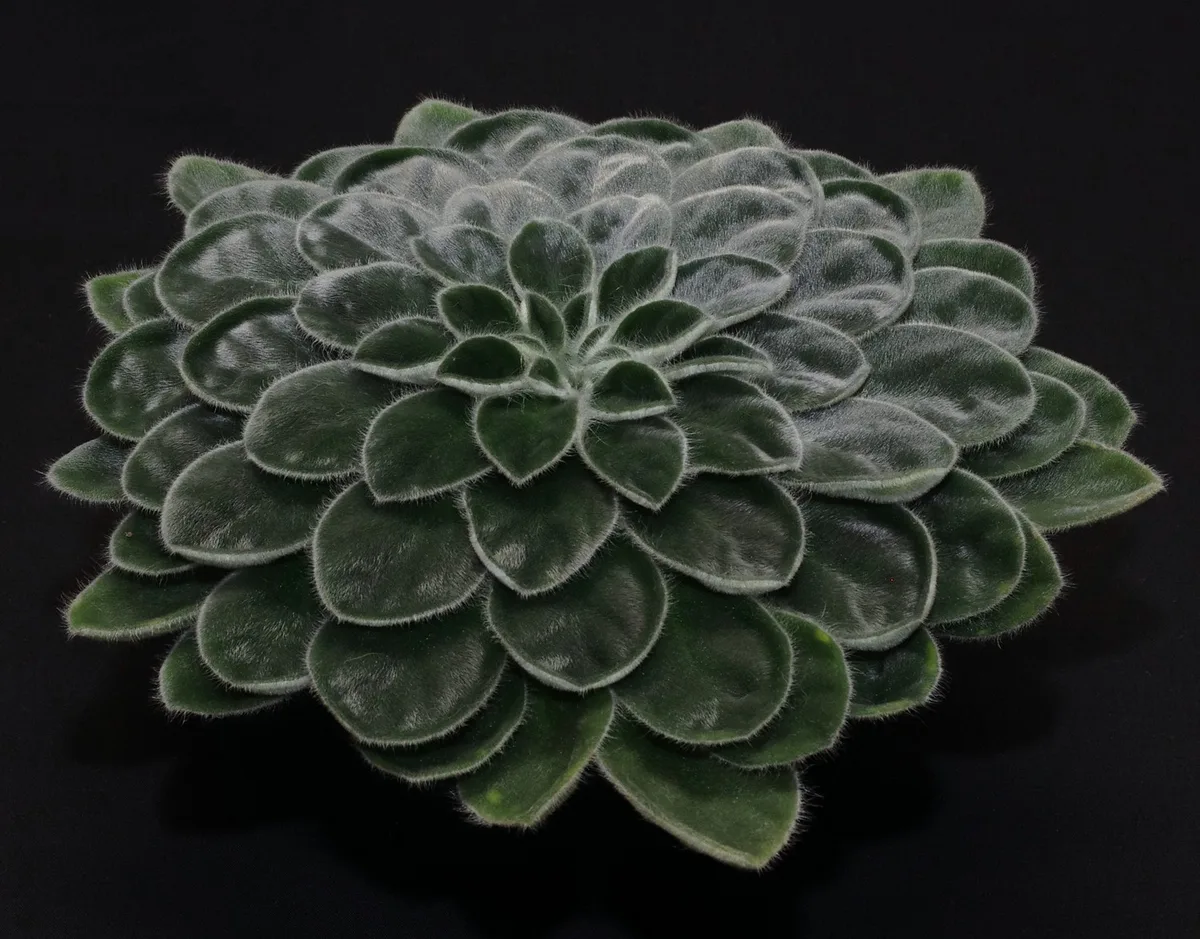
P. sericea is an alpine herbaceous perennial up to 8cm high with an almost flat rosette of spoon-shaped succulent green leaves covered in silky silvery hairs and with upturned margins, and blueish-lavender flowers, about 1.5cm across; they usually have one flower per stem, the upper two petals are fused into a shorter two-lobed hood, and there is a darker purple spot at the base of the tube
Scientific classification
- Species
- silky petrocosmea (Petrocosmea sericea)
- Genus
- Petrocosmea
- Family
- Gesneriaceae
- Order
- Lamiales
- Class
- Magnoliopsida
- Phylum
- Magnoliophyta
- Information to be completed
- Toxicity
- Alpine Rockery
- Plant type
- Up to 10 cm
- Height
- 0.1-0.5 metres
- Spread
- Evergreen
- Foliage
- Matforming
- Habit
- Spring · Summer · Autumn · Winter
- Season of interest
- Partial shade
- Sunlight
- Information to be completed
- Ideal temperature









silky petrocosmea pictures
Distribution of silky petrocosmea
Distribution map
- Native
- Introduced
- Cultivated
Source:WCVP v16 · Royal Botanic Gardens, Kew · CC BY 3.0 · Boundaries:WGSRPD / TDWG
silky petrocosmea care guide
- Keep soil evenly moist with warmth and humidity
- Watering
- Partial shade
- Sunlight

Watering
Keep soil evenly moist with warmth and humidity
Fertilizing
 Fertilizing
Balanced feed every few weeks in active growth
Pruning
 Pruning
No pruning required
Propagation
 Propagation
Propagate by seed sown as soon as it is ripe, or by leaf cuttings in summer and autumn
Growing
 Growing
Grow in a cold greenhouse or alpine house, in indirect light, in a shallow pot of very well-drained loam-based compost such as John Innes No. 2 with added grit and leafmould; water moderately while growing, and sparingly in winter, and always keep water off the leaves; in frost-free climates, grow in shade in vertical crevices in walls or rock gardens so that rain will drain away
Common pests and diseases
Diseases
May be susceptible to mildew and by crown, leaf, stem and root rots
Pests
May be susceptible to slugs, snails, aphids, glasshouse whitefly, mealybugs, scale insects and tarsonemid mites
Explore the plant health library →




