
tulip 'Royal Virgin'
Also known as: Information to be completed
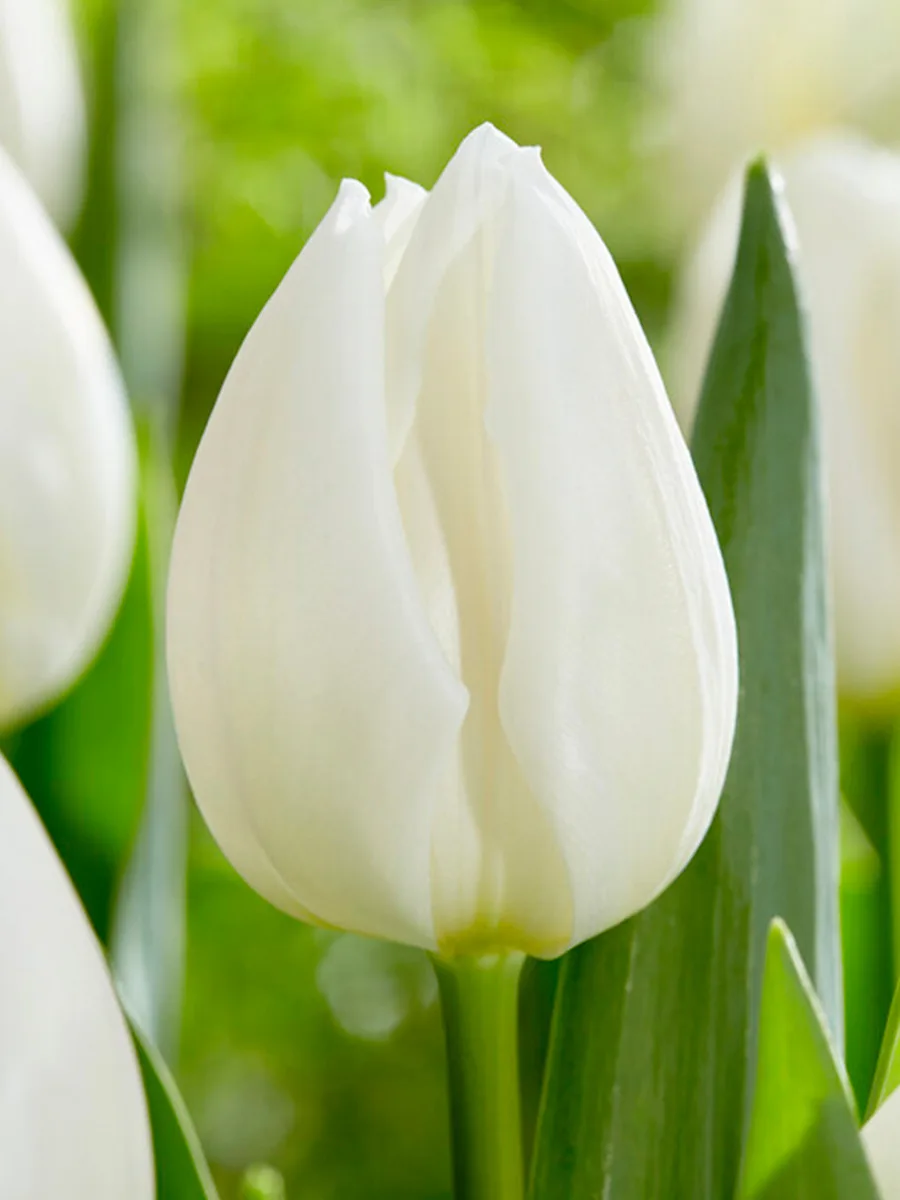
A perennial bulb with broadly lance-shaped green leaves. This Triumph group tulip has single, cup-shaped flowers, that are very pale grey, almost white. Flowers in mid-spring, and stands to around 40cm high
Scientific classification
- Species
- tulip 'Royal Virgin' (Tulipa 'Royal Virgin')
- Genus
- Tulipa
- Family
- Liliaceae
- Order
- Liliales
- Class
- Liliopsida
- Phylum
- Magnoliophyta
- Harmful if eaten, skin allergen. Wear gloves and other protective equipment when handling]
- Toxicity
- Bulbs
- Plant type
- 0.1-0.5 metres
- Height
- 0.1-0.5 metres
- Spread
- Deciduous
- Foliage
- Columnar upright
- Habit
- Spring
- Season of interest
- Full sun
- Sunlight
- Information to be completed
- Ideal temperature









tulip 'Royal Virgin' pictures
Toxicity
Harmful if eaten, skin allergen. Wear gloves and other protective equipment when handling]
tulip 'Royal Virgin' care guide
- Keep soil lightly moist while foliage grows, stop watering post-wilt
- Watering
- Full sun
- Sunlight

Watering
Keep soil lightly moist while foliage grows, stop watering post-wilt
Fertilizing
 Fertilizing
Light bulb flower fertilizer feeding pre-bloom and post-flowering stage
Pruning
 Pruning
Deadhead after flowering and remove fallen petals
Propagation
 Propagation
Propagate by division, separating offsets in summer when bulbs are lifted. Replant the largest bulbs in autumn, and grow on smaller ones in a nursery bed for a year. See bulb propagation for more details
Growing
 Growing
Plant bulbs in late autumn, at a depth of 10-15cm (4-6in) in fertile, well-drained soil. Choose a sunny position, with protection from strong winds and excess winter wet. Lift bulbs annually, once the leaves have died down, and ripen in a cool greenhouse, keeping dry over the summer. See tulip cultivation for more details
Common pests and diseases
Diseases
May be susceptible to tulip fire and bulb rot in poorly drained soil
Pests
May be susceptible to slugs, aphids and stem and bulb eelworm; squirrels may eat the bulbs
Explore the plant health library →




