
blue wattle
Also known as: mimosa; silver wattle
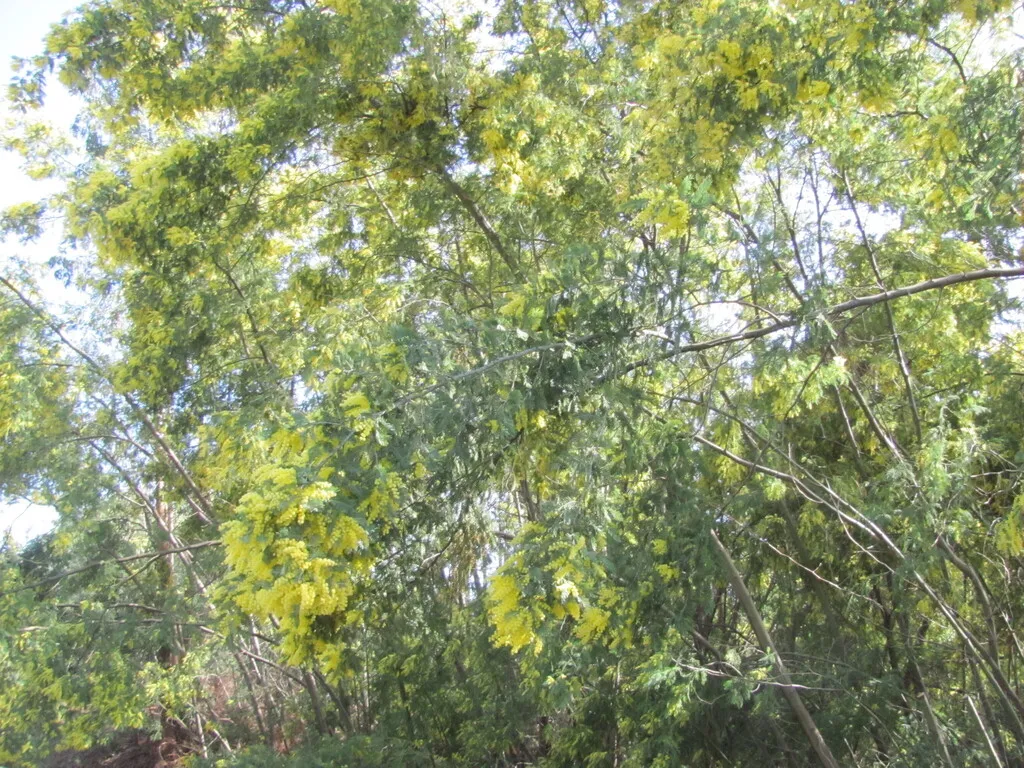
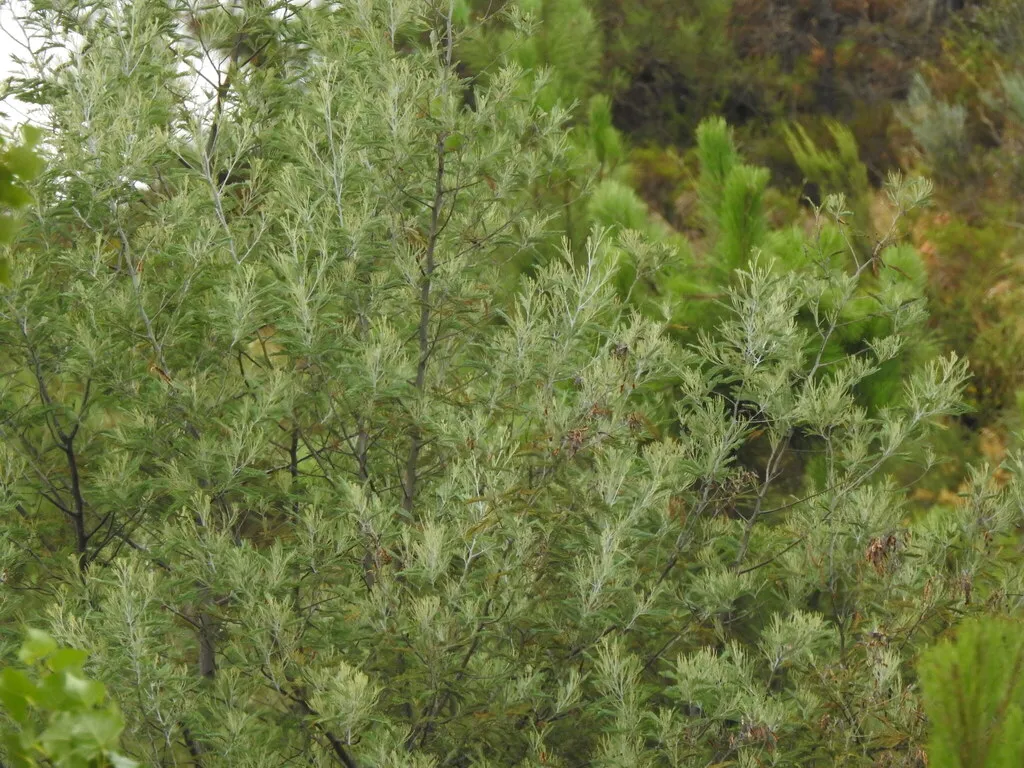
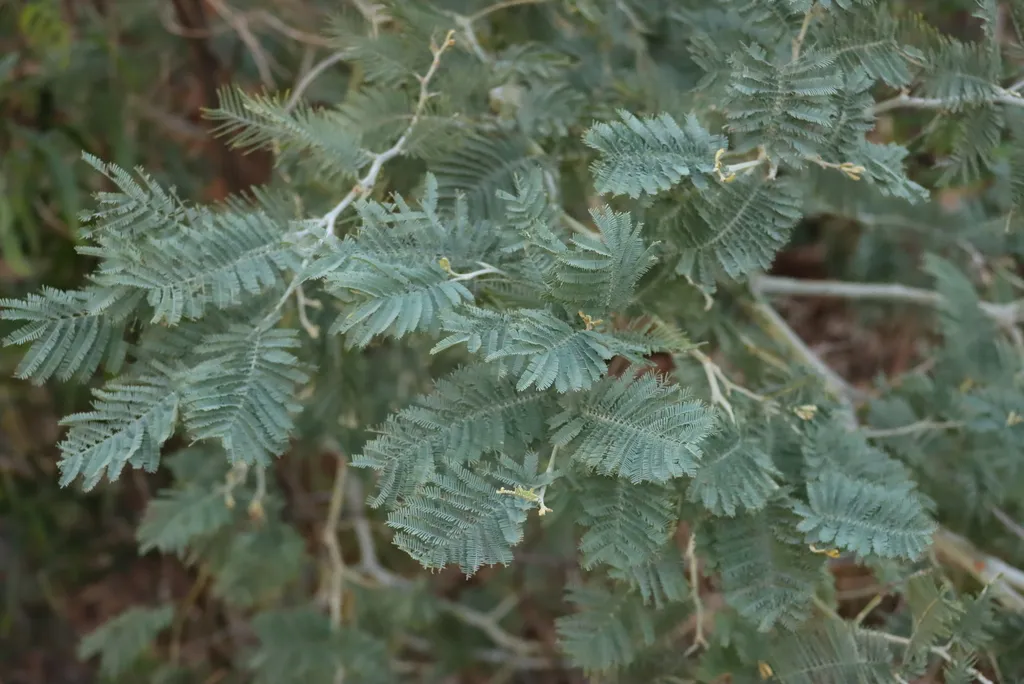
An evergreen shrub to 10m or more, with finely divided grey-green leaves and fragrant yellow flowerheads, borne in terminal clusters
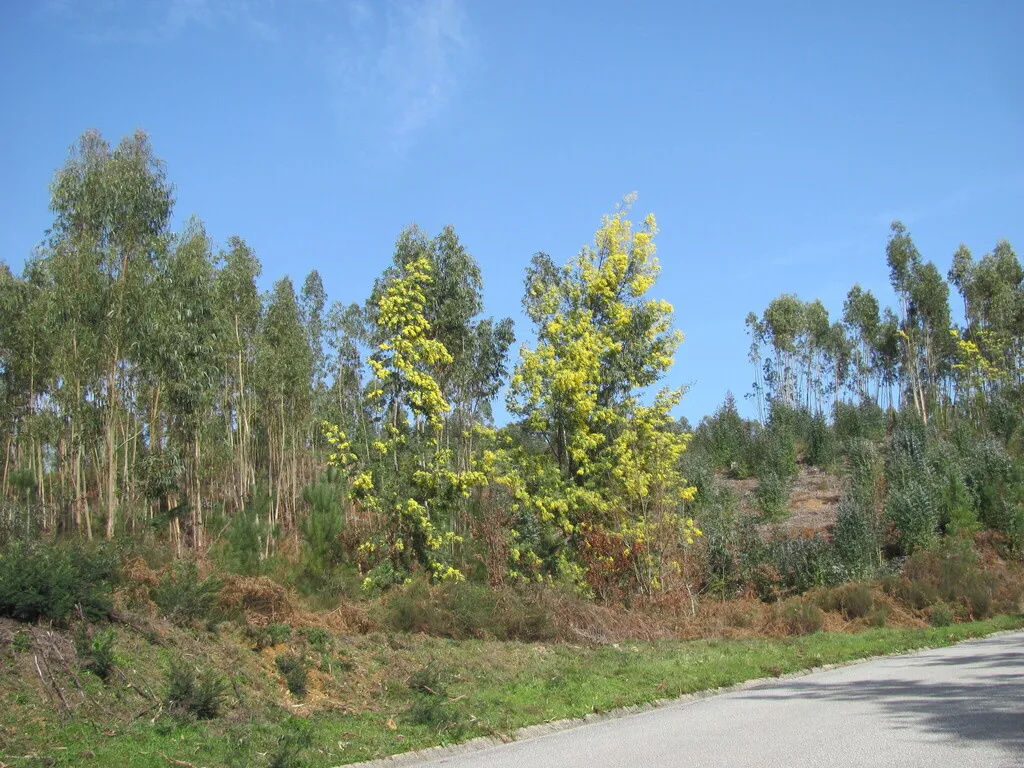
Scientific classification
- Species
- blue wattle (Acacia dealbata)
- Genus
- Acacia
- Family
- Fabaceae
- Information to be completed
- Toxicity
- Conservatory Greenhouse · Shrubs
- Plant type
- 8-12 metres
- Height
- 2.5-4 metres
- Spread
- Evergreen
- Foliage
- Bushy
- Habit
- Spring · Summer · Autumn · Winter
- Season of interest
- Full sun
- Sunlight
- Information to be completed
- Ideal temperature









blue wattle pictures
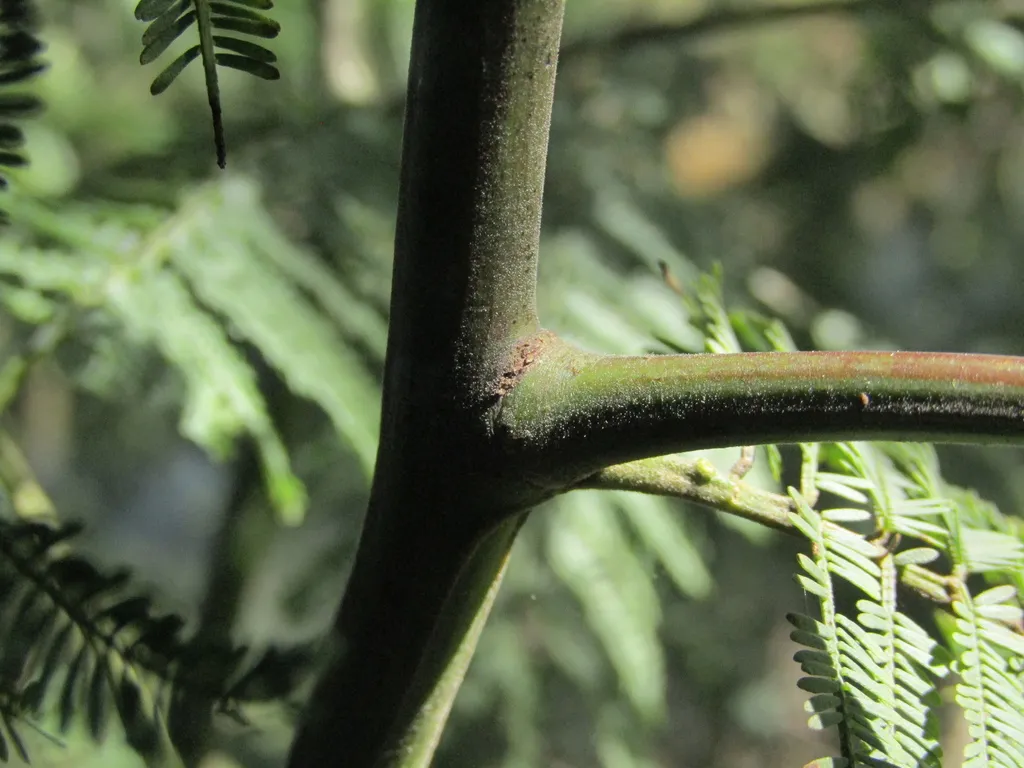
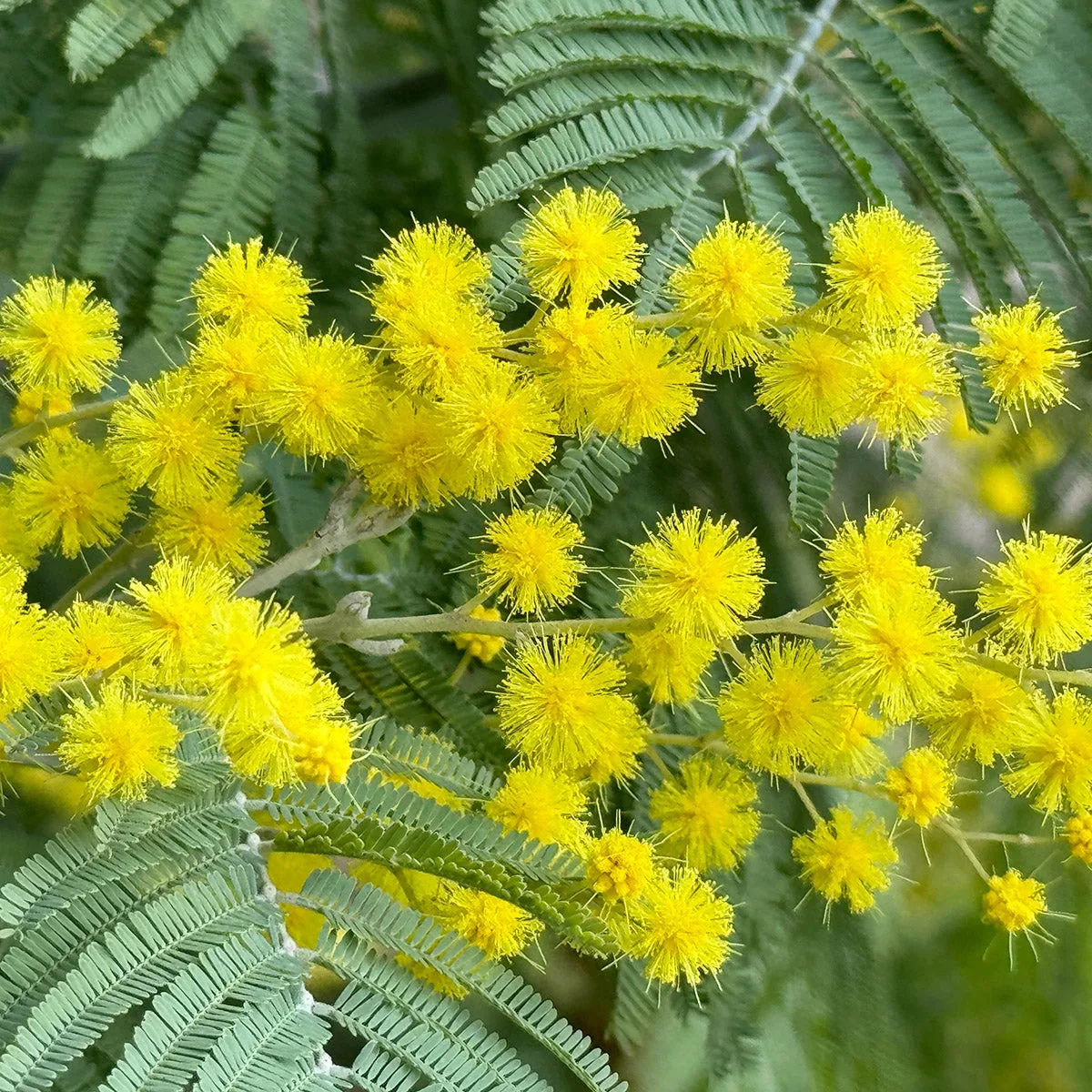
Distribution of blue wattle
Distribution map
Tasmania, Australia
Information to be completed
Culture
Information to be completed
Toxicity
Information to be completed
Quick identification of blue wattle
Information to be completed
blue wattle care guide
- Moderate regular watering, avoid prolonged drought or waterlogging
- Watering
- Full sun
- Sunlight
- Information to be completed
- Ideal temperature

Watering
Moderate regular watering, avoid prolonged drought or waterlogging
Fertilizing
 Fertilizing
Balanced feed in spring and light repeat in growth season
Pruning
 Pruning
For free-standing plants: Usually little pruning is needed. Lightly shape if necessary, removing dead, damaged or diseased shoots. Prune after flowering. For wall-trained specimens: On established wall-trained shrubs, shorten sideshoots to two to four buds from the framework; remove shoots growing towards the wall. Prune annually after flowering on last-year growth, or in late winter or early spring on current-year growth.
Propagation
 Propagation
Propagate by seed or semi-hardwood cuttings
Growing
 Growing
Grow outdoors in neutral to acid well-drained soil in sheltered location with full sun. Suits urban gardens or milder south west localities, may need winter protection elsewhere. Under glass grow in ericaceous or loam-based compost (JI No.2) in full light. Resents hard pruning
People also ask
Information to be completed
Common pests and diseases
Diseases
May be susceptible to honey fungus
Pests
May be susceptible to glasshouse red spider mite, fluted scale and mealybugs
Explore the plant health library →




