
waratah
Also known as: kiwi rose
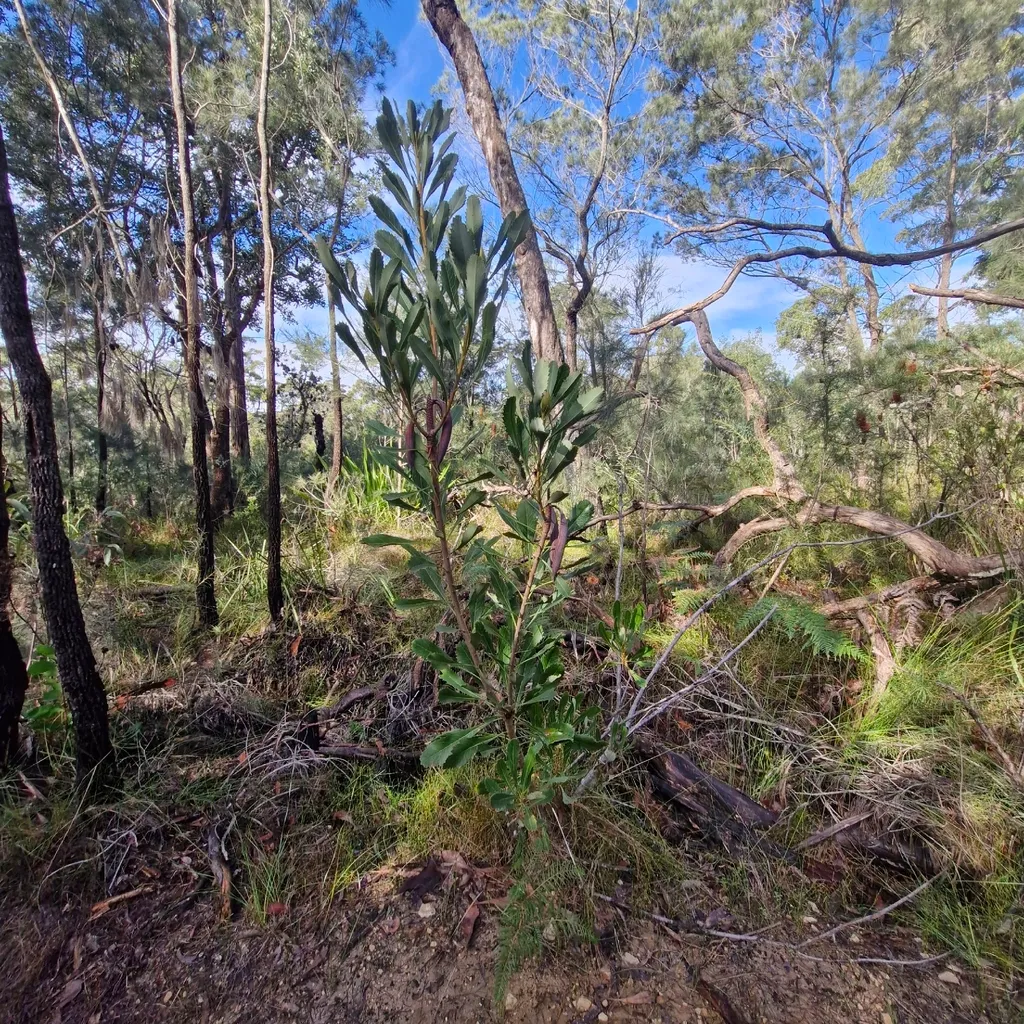
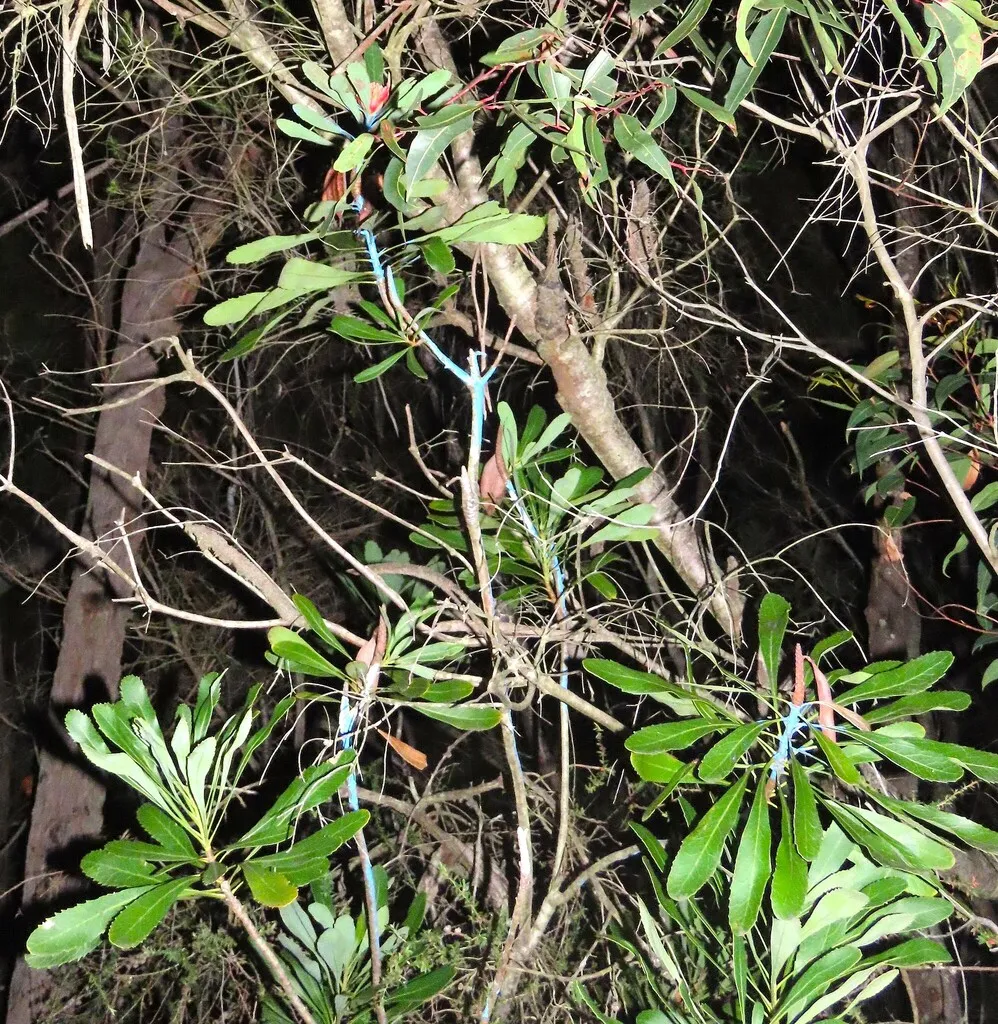
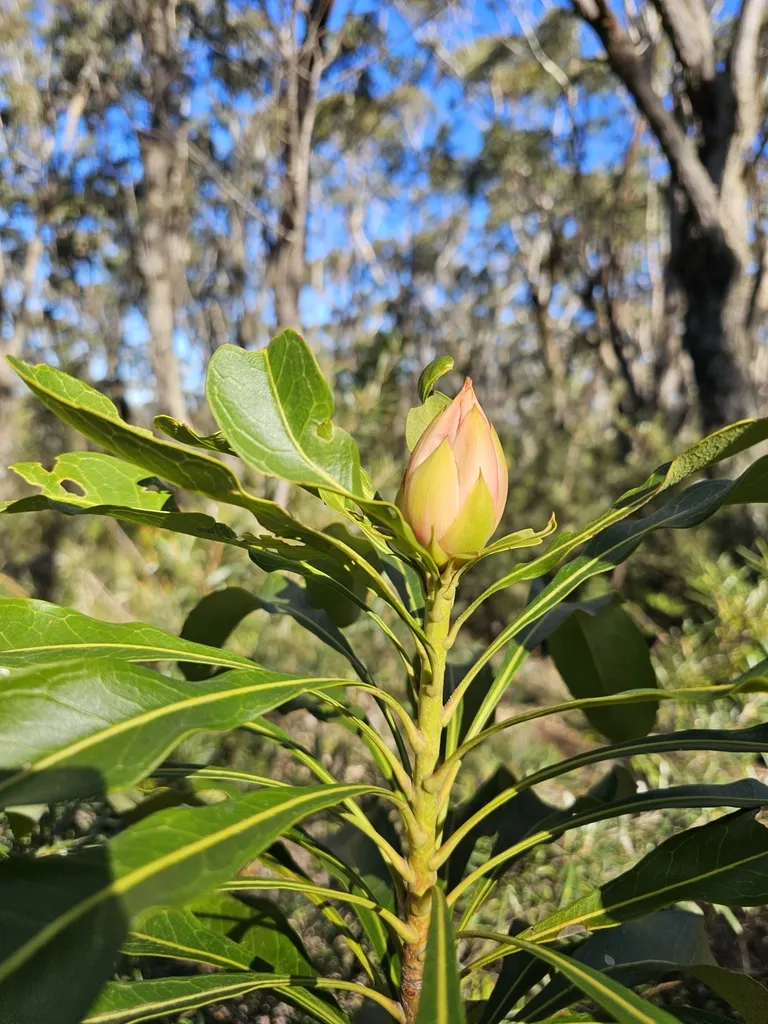
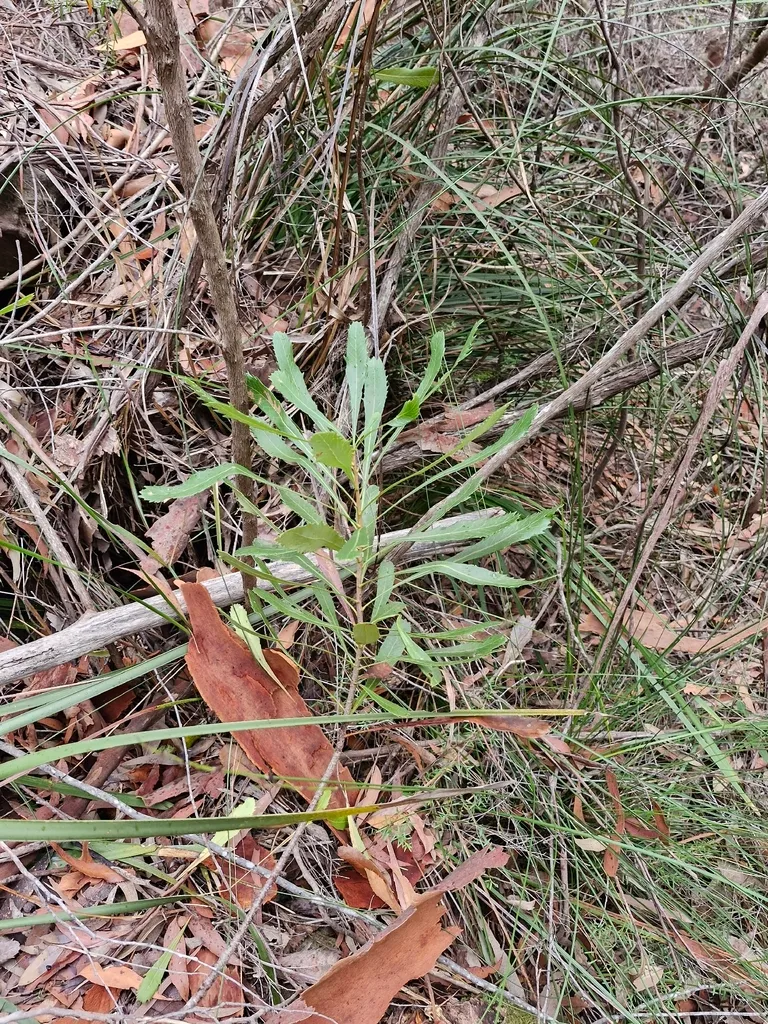
T. speciosissima is a large, evergreen shrub, bushy at first but often becoming untidy with age, with narrow, oval leaves up to 25cm long. Rich red flower heads 10-15cm across, consisting of many upright, tubular flowers surrounded by bracts, appear in spring, and are followed by brown, woody, bean-like pods that split open but remain on the plant for months
Scientific classification
- Species
- waratah (Telopea speciosissima)
- Genus
- Telopea
- Family
- Proteaceae
- Order
- Proteales
- Class
- Magnoliopsida
- Phylum
- Magnoliophyta
- Information to be completed
- Toxicity
- Conservatory Greenhouse · Shrubs
- Plant type
- 2.5-4 metres
- Height
- 1.5-2.5 metres
- Spread
- Evergreen
- Foliage
- Bushy
- Habit
- Spring · Summer · Autumn · Winter
- Season of interest
- Full sun · Partial shade
- Sunlight
- Information to be completed
- Ideal temperature









waratah pictures
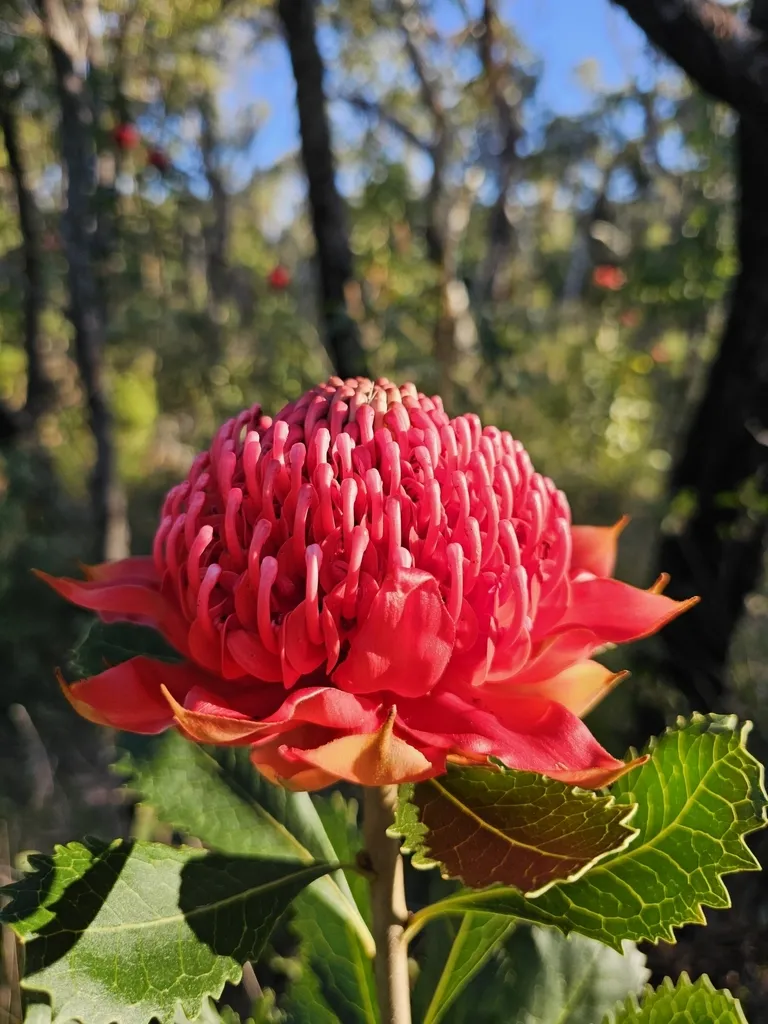
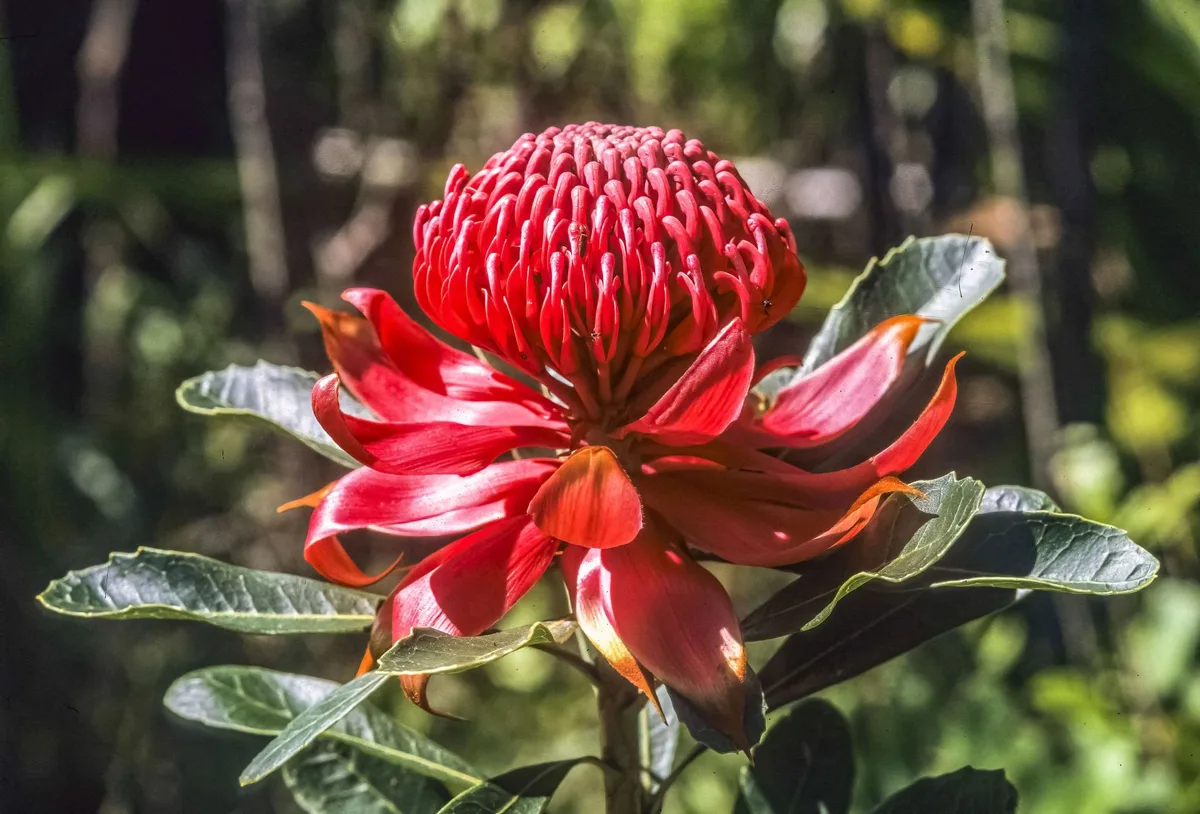
Distribution of waratah
Distribution map
- Native
- Introduced
- Cultivated
Source:WCVP v16 · Royal Botanic Gardens, Kew · CC BY 3.0 · Boundaries:WGSRPD / TDWG
waratah care guide
- Moderate regular watering, allowing brief slight drying between soakings
- Watering
- Full sun · Partial shade
- Sunlight

Watering
Moderate regular watering, allowing brief slight drying between soakings
Fertilizing
 Fertilizing
Balanced perennial feed every four weeks from spring through summer
Pruning
 Pruning
Usually little pruning is needed. Lightly shape if necessary, removing dead, damaged or diseased shoots. Prune after flowering.
Propagation
 Propagation
Sow seed in containers in a cold frame as soon as ripe or insert semi-ripe or leaf-bud cuttings with bottom heat in summer
Growing
 Growing
Under glass grow in loam-based potting compost with additional sharp sand in full light. Water freely and give a low nitrogen, low phosphate fertiliser monthly when in growth; water sparingly in winter. Outdoors grow in a frost-free position in moist but well-drained, slightly acid, sandy soil in full sun or partial shade
Common pests and diseases
Diseases
Generally problem free
Pests
Generally problem free
Explore the plant health library →




