
Mahonia gracilis
Also known as: Information to be completed
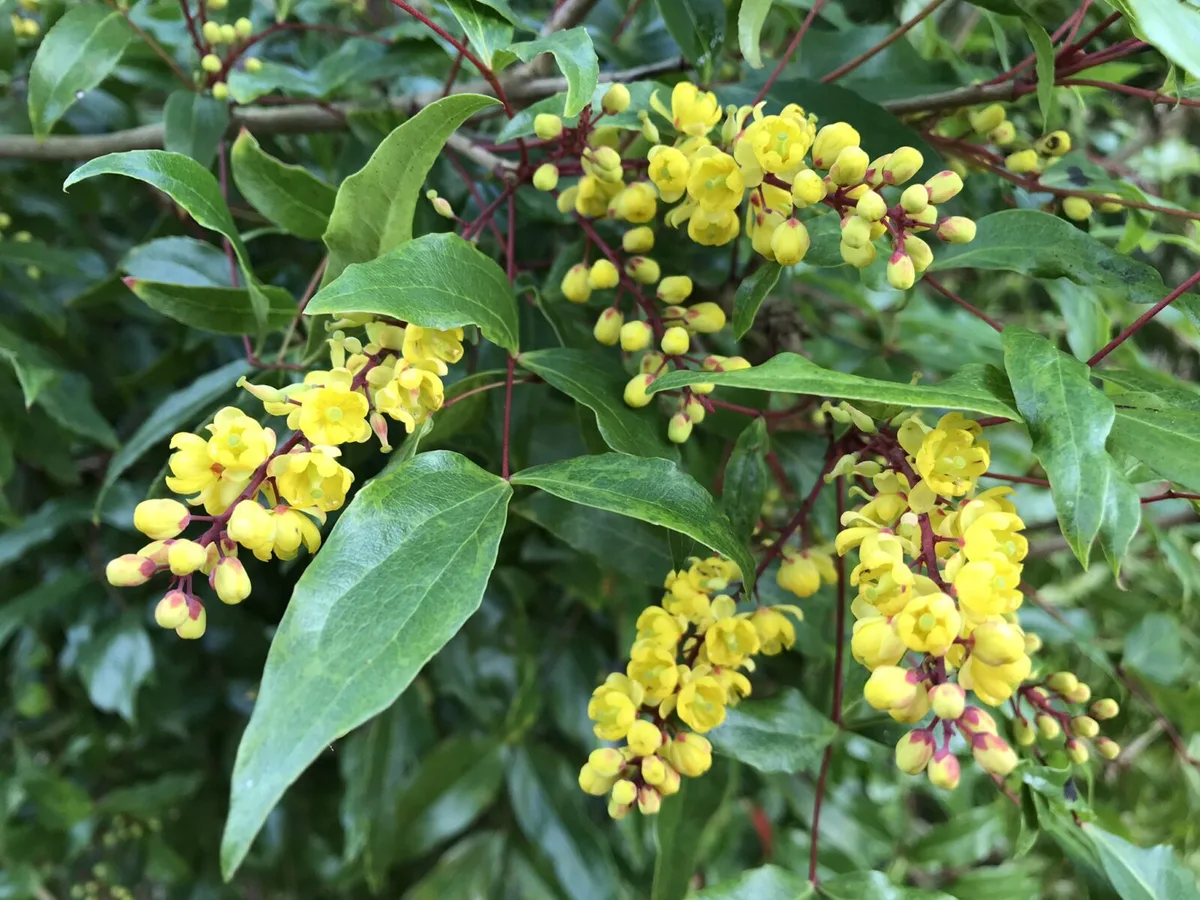
This slow-growing, Mexican species is quite rare in the UK but if you can find it, it is definitely worth a spot in your garden. It does require a bit more shelter than some Mahonias and needs well drained soil but it will reward you with racemes of beautiful, fragrant, yellow flowers from late autumn into winter and whorls of pinnate, glossy green leaves, held on bright red stalks.
Scientific classification
- Species
- Mahonia gracilis (Mahonia gracilis)
- Genus
- Mahonia
- Family
- Berberidaceae
- Order
- Ranunculales
- Class
- Magnoliopsida
- Phylum
- Magnoliophyta
- Berries are ornamental, not to be eaten. Wear gloves and other protective equipment when handling]
- Toxicity
- Shrubs
- Plant type
- 1.5-2.5 metres
- Height
- 1-1.5 metres
- Spread
- Evergreen
- Foliage
- Bushy · Columnar upright
- Habit
- Spring · Summer · Autumn · Winter
- Season of interest
- Partial shade · Full shade
- Sunlight
- Information to be completed
- Ideal temperature









Mahonia gracilis pictures
Distribution of Mahonia gracilis
Distribution map
- Native
- Introduced
- Cultivated
Source:WCVP v16 · Royal Botanic Gardens, Kew · CC BY 3.0 · Boundaries:WGSRPD / TDWG
Toxicity
Berries are ornamental, not to be eaten. Wear gloves and other protective equipment when handling]
Mahonia gracilis care guide
- Moderate regular watering, allowing brief slight drying between soakings
- Watering
- Partial shade · Full shade
- Sunlight

Watering
Moderate regular watering, allowing brief slight drying between soakings
Fertilizing
 Fertilizing
Balanced perennial feed every four weeks from spring through summer
Pruning
 Pruning
Usually little pruning is needed. Lightly shape if necessary, removing dead, damaged or diseased shoots. Prune after flowering.
Propagation
 Propagation
Propagate by layering or stem cuttings in June and July.
Growing
 Growing
Grow in any well-drained or moist but well-drained soil in partial or deeper shade. It will tolerate a sunny position if the soil is not too dry but is very suitable for difficult shady situations. Mahonia don’t respond well to nitrogen rich fertilisers but do appreciate an annual mulch with well-rotted manure or garden compost in September which will help keep weeds down and keep the ground a little warmer in winter. Water in very dry periods – water well if needed but not often.
Common pests and diseases
Diseases
May be susceptible to rust diseases and Powdery mildews, especially in dry weather.
Pests
Generally pest-free
Explore the plant health library →




