
blue-flowered Cupid's dart
Also known as: blue cupidone; blue succory; compulsion-of-love; cornflower; flower of love; Greek love plant; blue daisy
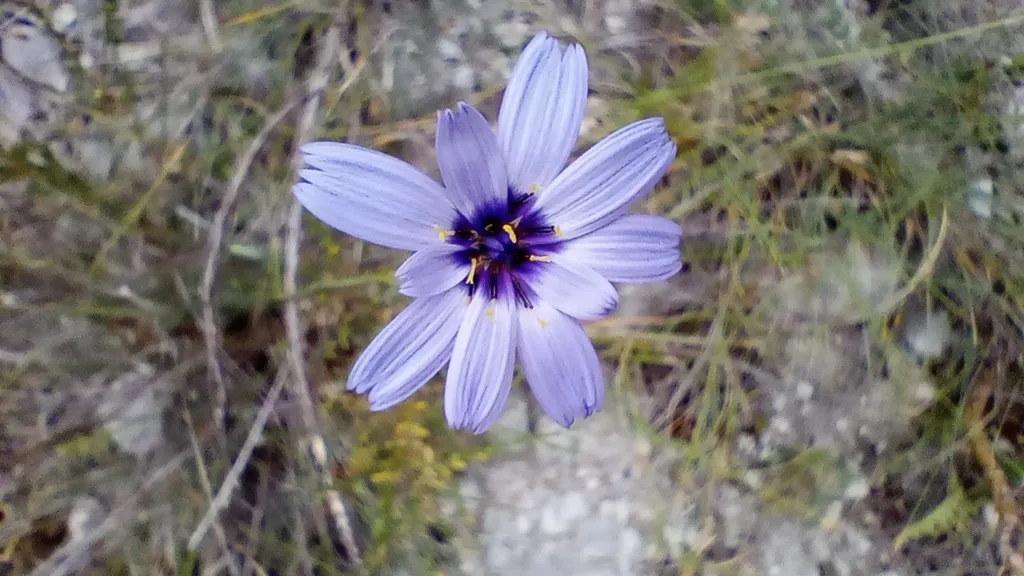
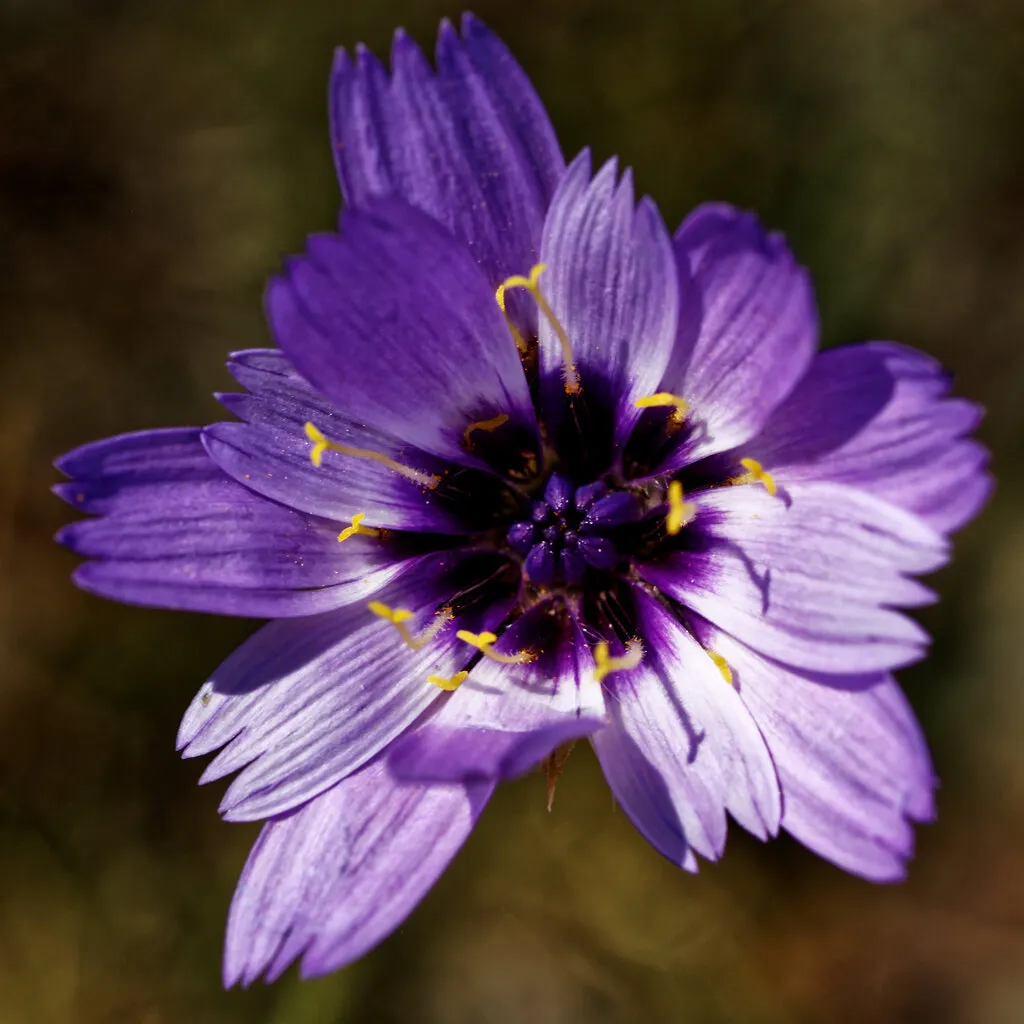
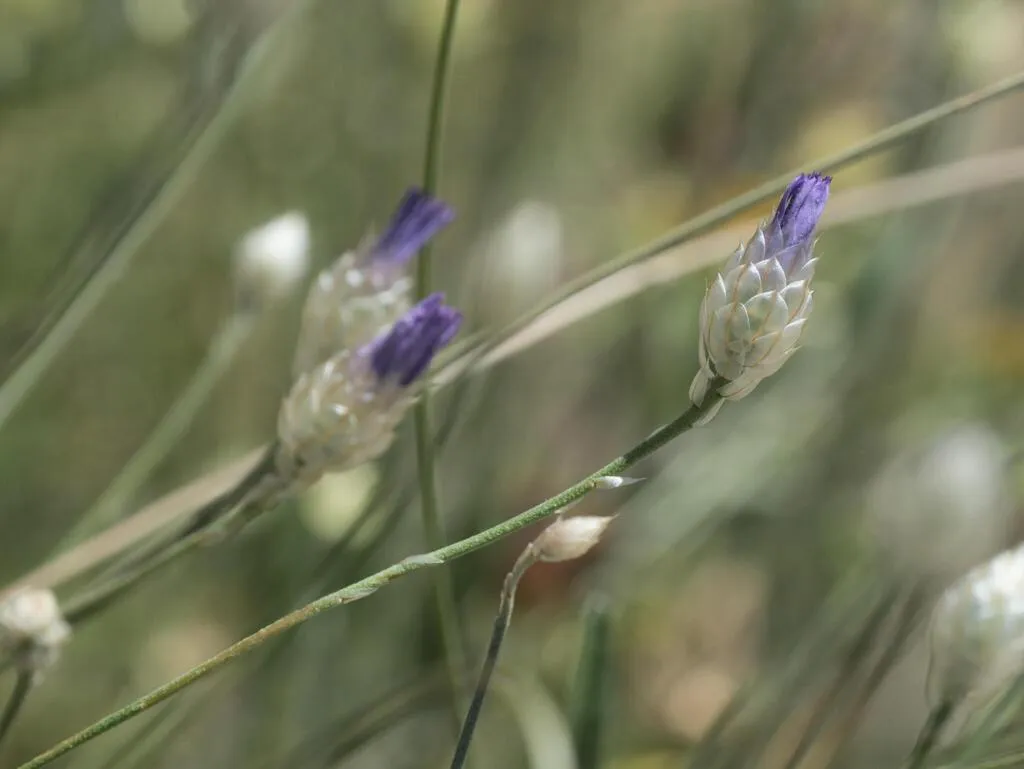
A short-lived herbaceous perennial to 50-90cm in height, with erect, grassy leaves and branched sprays of dark-centred, violet-blue daisy-like flowers 3-5cm in width from mid-summer to autumn; seedheads are papery and attractive
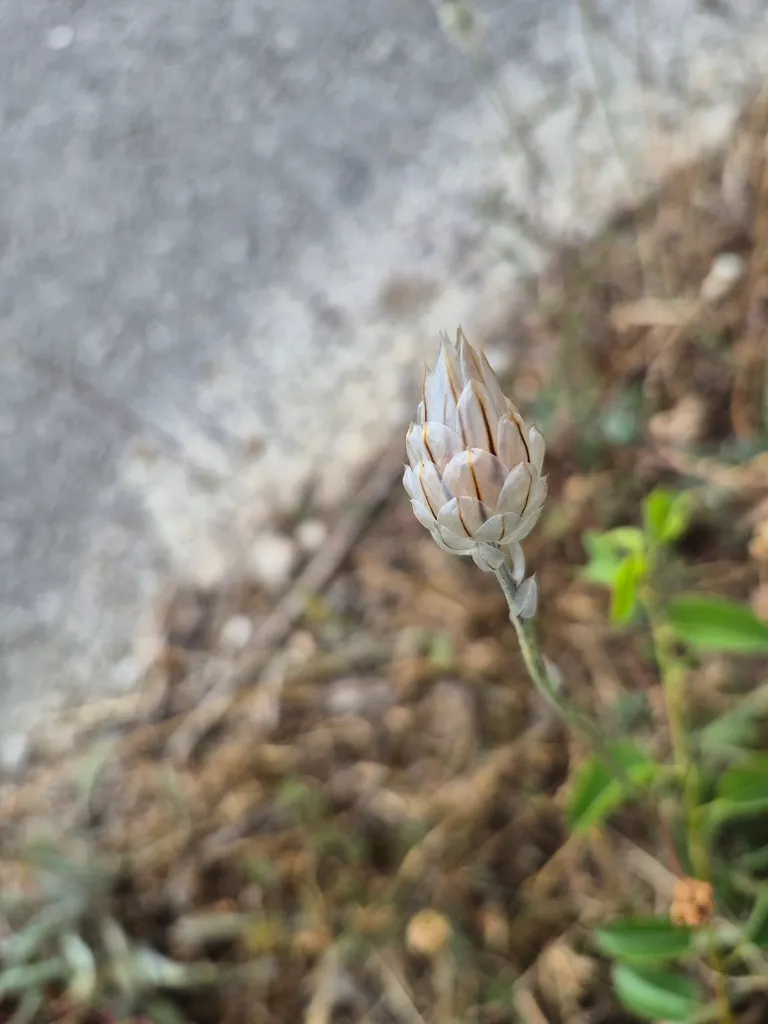
Scientific classification
- Species
- blue-flowered Cupid's dart (Catananche caerulea)
- Genus
- Catananche
- Family
- Asteraceae
- Information to be completed
- Toxicity
- Herbaceous Perennial
- Plant type
- 0.5-1 metres
- Height
- 0.1-0.5 metres
- Spread
- Deciduous
- Foliage
- Bushy
- Habit
- Spring · Summer · Autumn
- Season of interest
- Full sun
- Sunlight
- Information to be completed
- Ideal temperature









blue-flowered Cupid's dart pictures
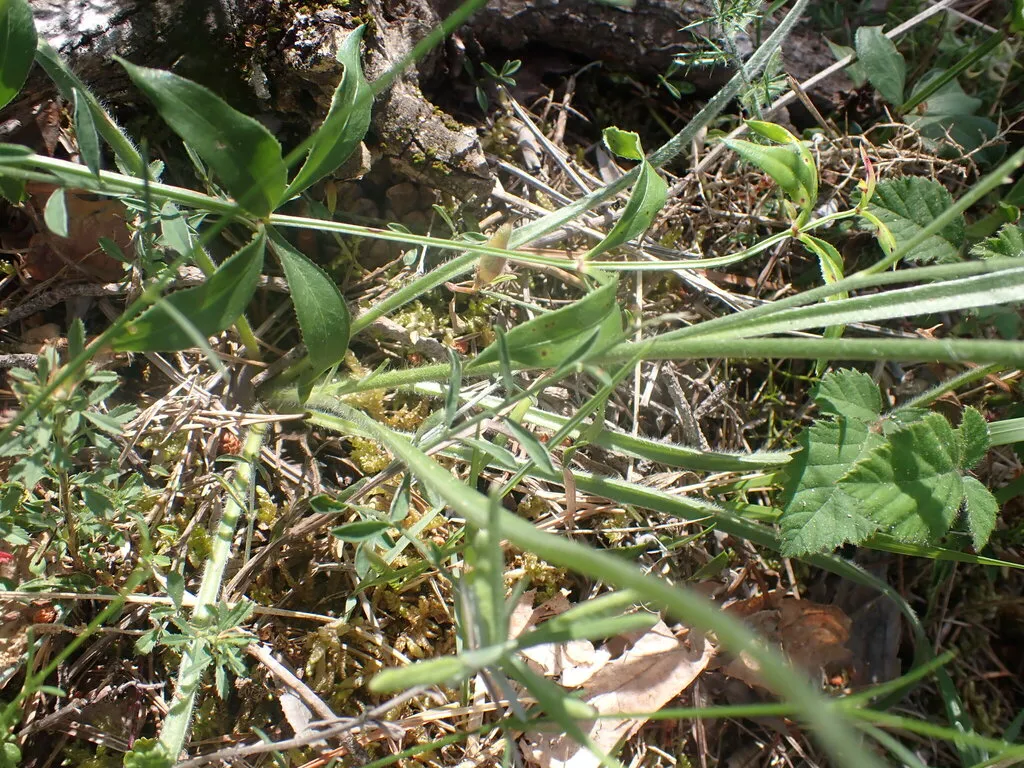
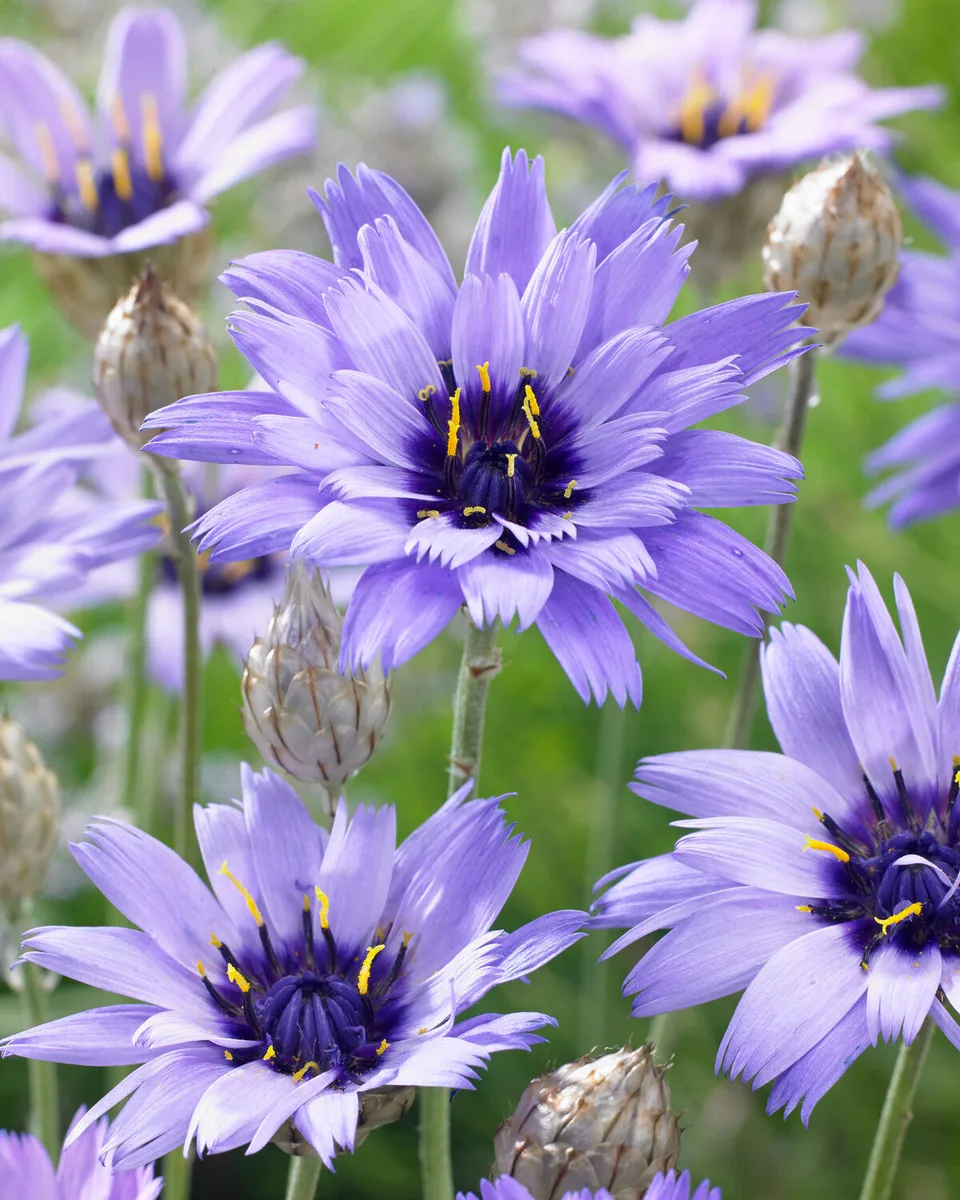
Distribution of blue-flowered Cupid's dart
Distribution map
Central Europe to Western Mediterranean
Information to be completed
Culture
Information to be completed
Toxicity
Information to be completed
Quick identification of blue-flowered Cupid's dart
Information to be completed
blue-flowered Cupid's dart care guide
- Moderate regular watering, allowing slight drying between waterings
- Watering
- Full sun
- Sunlight
- Information to be completed
- Ideal temperature

Watering
Moderate regular watering, allowing slight drying between waterings
Fertilizing
 Fertilizing
Balanced feed monthly during active growth season
Pruning
 Pruning
Cut back after flowering
Propagation
 Propagation
Propagate by seed. Propagate by division in spring or by root cuttings in winter
Growing
 Growing
Suited to any well-drained soil in full sun; good drought resistance. Often short-lived especially if grown on heavy soil
People also ask
Information to be completed
Common pests and diseases
Diseases
May be affected by powdery mildews
Pests
Generally pest-free
Explore the plant health library →




